Average Weight of a California Black Bear
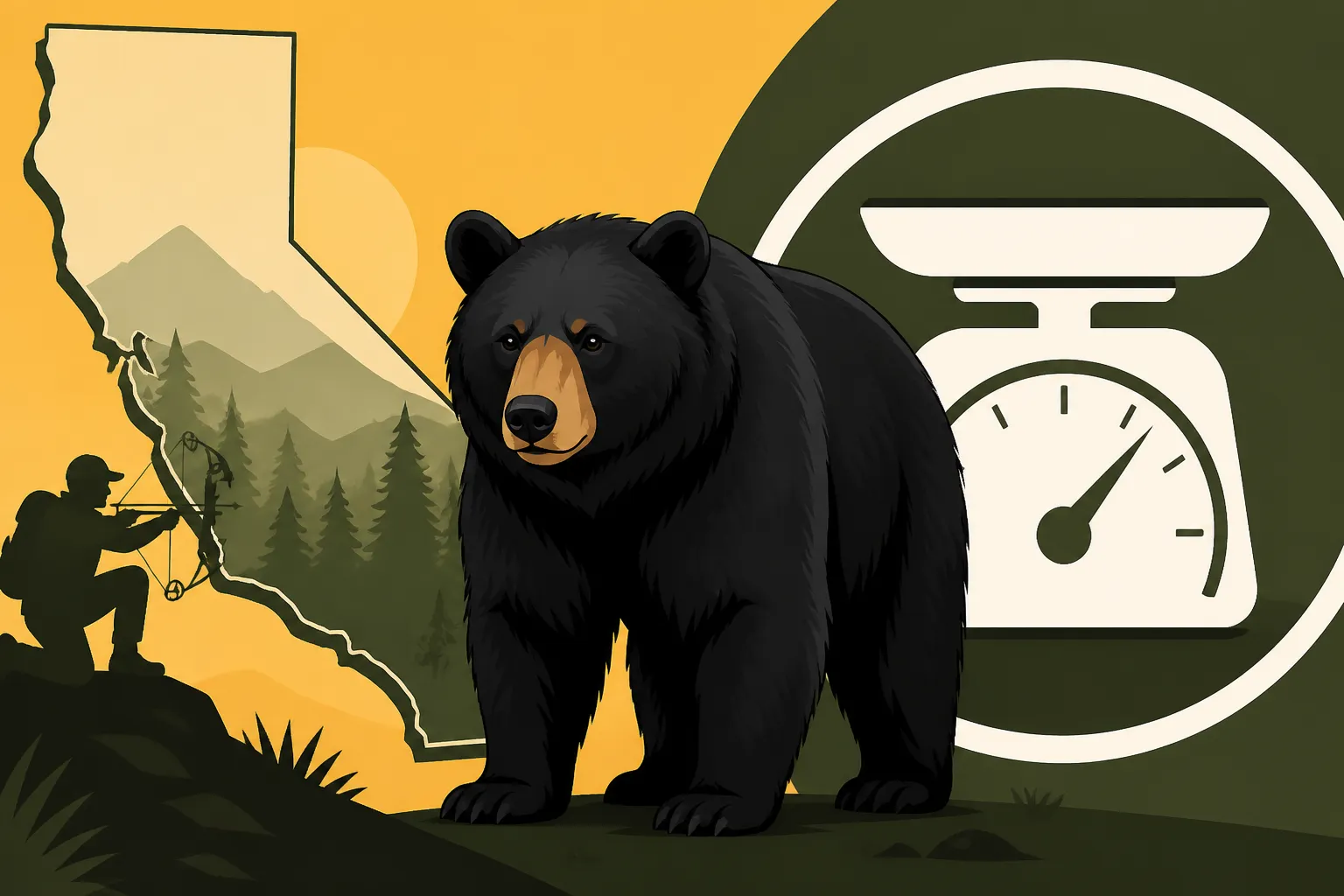
It's incredibly common for hunters, especially those new to pursuing black bears in California, to wonder just how big these animals truly get. You see pictures of colossal bears online, but then you hear stories of smaller ones, and it can leave you scratching your head, trying to figure out what a "typical" California black bear actually weighs. Understanding the average weight, and more importantly, the factors that influence it, can really help you set realistic expectations, improve your scouting, and even aid in field judging. This guide will dive deep into the typical size range of California black bears, exploring what makes some bears hefty and others more modest in stature.
Unpacking the Average Weight of California Black Bears
When we talk about an "average" anything in the wild, it's always important to remember that nature doesn't deal in averages, it deals in individuals. However, understanding general trends gives us a solid baseline. California's black bear population is robust and healthy, with a good mix of age classes, which means you'll encounter a wide range of sizes. Most adult black bears in California will fall into a certain weight class, but outliers exist on both ends of the spectrum.
The General Range of Adult Black Bear Weights
For an adult black bear in California, you're generally looking at a weight range of about 150 to 350 pounds. Now, that's a pretty broad range, right? It's because there are so many variables at play. A younger, smaller adult male or a healthy adult female might be closer to that 150-200 pound mark, while an older, dominant male feeding well could easily push past 300 pounds. It's a testament to their adaptability and the varied habitats they call home. Thinking about the sheer diversity of terrain, from the dense timber of the Six Rivers National Forest to the more open country of the southern Sierra, it makes sense that bears would vary.
Keep in mind that these are live weights. Once you field dress a bear, you're going to lose a significant amount of weight, primarily from the internal organs. This is a crucial distinction for hunters. A 300-pound live weight bear might yield considerably less in terms of actual meat and hide weight, something to factor in for pack-out plans. It’s a good idea to research Average Weight of a California Black Bear to manage expectations when you're preparing for a hunt.
Differences Between Male and Female Bears
One of the most significant factors influencing the weight of a black bear is its sex. Just like with most large mammal species, male black bears (boars) typically grow much larger than female black bears (sows). This isn't just a slight difference; it can be quite pronounced, especially as they age.
A mature sow in California might weigh anywhere from 120 to 250 pounds, with some exceptional individuals pushing a bit heavier. They dedicate a lot of energy to cub-rearing, which can impact their weight, especially during lactation. A sow with cubs often appears leaner than a lone sow or a boar. On the other hand, a mature boar can easily range from 250 to 450 pounds, and there have been recorded instances of bears exceeding 500 or even 600 pounds, although these are truly rare giants. These big boars are often older, established males who have successfully navigated seasons, found abundant food, and avoided significant injury. This sexual dimorphism is a key characteristic to consider when you're Judging a Legal Bear From a Sow With Cubs in the field.
Factors Influencing Black Bear Weight
Beyond sex, a multitude of environmental and biological factors play a huge role in how much a California black bear weighs. It’s not just about age, but also about the quality of their diet, their habitat, and even the time of year. Understanding these dynamics can give you a deeper appreciation for these magnificent animals and help you interpret what you see in the wild.
Age and Genetics
Age is a huge determinant of weight for black bears. Cubs are born tiny, weighing only about half a pound, and grow rapidly through their first year. Yearlings might be anywhere from 40 to 100 pounds. Bears typically continue to grow until they are about 5-7 years old, with males often growing for a longer period than females. An older bear, assuming it's healthy and has access to food, will almost always be heavier than a younger bear of the same sex. A very old bear, however, might start to show signs of decline, sometimes losing weight in its twilight years.
Genetics also play a subtle but important role. Just like humans, some bears are simply predisposed to being larger than others, even with the same access to food. While you can't assess a bear's genetics from a distance, it's part of the unseen equation contributing to their overall size potential.
Food Availability and Diet
This is arguably the most critical factor influencing bear weight. Black bears are omnivores, and their diet in California is incredibly diverse, shifting with the seasons. They'll gorge on berries, acorns, roots, grasses, insects, carrion, and, when available, deer fawns or other small game.
- Mast Crops: Years with abundant mast crops – like acorns, pine nuts, and other hard or soft mast – typically lead to heavier, healthier bears. These foods are packed with calories and fat, essential for putting on weight before denning. A poor mast year can mean leaner bears and a more challenging time for them to build up fat reserves.
- Berries and Forage: Blackberries, elderberries, huckleberries, and other seasonal fruits provide crucial carbohydrates and sugars. Bears will often focus intensely on these patches when they ripen. You might find bears Spot-and-Stalk Bear Hunting a Berry Patch during these periods.
- Opportunistic Feeding: Bears are highly opportunistic. They'll take advantage of whatever food source is available, including agricultural crops or, unfortunately, human food sources if they become habituated. The availability of consistent, high-calorie food sources directly correlates with a bear's ability to pack on pounds.
A bear in an area with a consistent and varied food supply, like certain coastal ranges or the lower Sierra Nevada foothills, will generally be heavier than a bear in a more marginal habitat.
Habitat Quality and Density
The quality of the bear's habitat, including its elevation and proximity to water, significantly impacts its weight. High-quality habitats offer a rich diversity of food sources, good cover for security, and accessible water.
- Elevation: Bears in lower elevation habitats, especially those with abundant oak woodlands, often have access to richer food sources for longer periods of the year. Acorns, for instance, are a primary fall food source that can lead to significant weight gain. Bears in higher elevations might experience shorter growing seasons for food plants and harsher winters, potentially impacting their overall size.
- Water Access: Consistent access to water is vital for all wildlife, including bears. Areas with reliable streams, springs, or seeps contribute to a healthier ecosystem and, by extension, healthier, heavier bears.
- Population Density: While California's black bear population is thriving, local densities can vary. In areas with very high bear densities, there might be increased competition for food, potentially leading to smaller average sizes if resources are stretched thin. Conversely, in areas with fewer bears and abundant food, individuals might grow larger. Understanding California Bear Density by Region can give you an idea of potential competition.
Regional Variations in California Black Bear Weight
California is a huge state with incredible ecological diversity. It's only natural that the black bears inhabiting different regions would reflect these varying conditions in their size and weight. While a statewide "average" gives a baseline, a more nuanced look at specific regions provides better context for hunters.
Coastal Ranges and Northern Forests
In areas like the North Coast Ranges, including Humboldt and Mendocino counties, and the vast Six Rivers National Forest, bears often benefit from a relatively milder climate and abundant rainfall. This translates to lush vegetation, diverse berry crops, and healthy oak populations. You might find some very respectable bears here.
- Redwood Forests: While dense redwood forests don't always provide the most diverse food, the fringes and transitional zones, where redwoods meet mixed evergreen or oak woodlands, can be prime bear country. Bears in these areas might forage on salal, huckleberries, and the occasional carrion or small game.
- Oak Woodlands: The oak woodlands that transition into these forests are critical. Acorn production, when good, fuels significant weight gain in the fall. Bears here can reach impressive weights, especially older males who have established territories in these food-rich areas.
Sierra Nevada Mountains
The Sierra Nevada, stretching for hundreds of miles, offers a vast and varied habitat for black bears. From the lower foothill oak woodlands to the high-country conifer forests, bear weights can vary dramatically.
- Lower Elevations/Foothills: Bears in the lower Sierra foothills (e.g., portions of Mariposa, Madera, and Fresno counties) often have access to abundant acorn crops and a longer growing season for other foods. These bears tend to be heavier, much like their coastal counterparts, as they can put on considerable fat reserves.
- Higher Elevations/Backcountry: As you climb higher into the Sierra, the growing season shortens, and food sources can be less diverse or abundant. Bears here might be slightly leaner on average, though still very healthy. They often adapt by consuming more insects, grasses, and whatever berries and nuts are available. These bears are incredibly tough and efficient foragers. If you're hunting in areas like the Hunting California's Sierra Nevada Backcountry, you might find bears that are well-conditioned but perhaps not as massive as those from lower elevations.
Southern California Mountains
Even in Southern California, black bears have made a strong comeback in ranges like the San Bernardino, San Gabriel, and San Jacinto mountains. These populations are often supported by unique ecological niches and, in some cases, proximity to human-provided food (though this is detrimental to the bears).
- Chaparral and Oak Mix: Bears here rely on chaparral berries, acorns from various oak species, and other desert-edge vegetation. Their diets can be more challenging to maintain, but healthy populations exist.
- Adaptation to Arid Conditions: These bears are highly adapted to more arid conditions, often travelling further for food and water. While some large bears are certainly found, the "average" might skew slightly smaller than in the wetter, more food-rich northern regions.
The key takeaway is that bears are opportunistic. A bear that consistently finds good food, regardless of region, will be heavier. GoHunt's detailed maps can be incredibly helpful for identifying specific habitats that are known for good bear activity and food sources, which could lead to encountering larger animals.
Field Judging Bear Weight and Health
For hunters, understanding average bear weights isn't just academic; it's a practical skill in the field. Ethical hunting involves making informed decisions, and being able to estimate a bear's size and health can be crucial, especially when considering factors like the statewide quota. California's bear season can close early if the California's 1,700-Bear Statewide Quota is met, adding another layer of decision-making.
Visual Cues for Estimating Weight
Judging a bear's weight in the field involves looking for several key visual cues. It's never an exact science, but with practice, you can get pretty good at it.
- Body Shape and Profile: A healthy, heavy bear will have a noticeable sag in its belly, especially in the fall when it's packing on fat for winter. Their back will often appear rounded or even humped behind the shoulders. Leaner bears will have a more tucked-up appearance, and you might even see their ribs, especially in the spring after denning.
- Head Size to Body Ratio: This is a classic trick. A big-bodied bear will appear to have a proportionally smaller head relative to its overall mass. A smaller bear, even if healthy, will have a head that looks more "normal" or even slightly large for its body. Older boars develop broader, blockier heads and often have scarring around their faces from battles with other bears.
- Leg Thickness: Look at the thickness of their legs relative to their body. Heavy bears will have thick, sturdy legs that blend into a large body mass.
- Neck and Shoulder Mass: Older, heavier bears, especially males, will have very thick necks and broad, muscular shoulders. They carry a lot of mass in their front quarters.
| Characteristic | Smaller/Younger Bear (e.g., 150-250 lbs) | Larger/Older Bear (e.g., 300-450+ lbs) |
|---|---|---|
| Body Profile | Leaner, less belly sag, more athletic | Rounded belly (especially in fall), often appears "barrel-chested" |
| Head Size (relative) | Appears larger relative to body size | Appears smaller, blockier, broad skull |
| Neck & Shoulders | Thinner neck, less pronounced shoulders | Very thick neck, broad, muscular shoulders |
| Legs | Proportionately thinner | Thick and sturdy, blend well into body |
| Gait/Movement | More agile, quicker movements | Slower, more deliberate, powerful stride |
| Ears | May appear larger, more erect | Often appear smaller, set wider apart |
Remember, light conditions, distance, and the bear's posture can all play tricks on your eyes. Always try to observe a bear for a sustained period to get a good read. Tools like GoHunt can provide harvest data and population insights, which indirectly helps set expectations for bear size in certain hunting units.
Seasonal Fluctuations in Weight
Black bears undergo significant seasonal weight fluctuations, which is crucial for their survival. They aren't just one static weight year-round.
- Spring (Post-Denning): When bears emerge from their dens in spring, they are at their leanest. They've lived off their fat reserves all winter, and can lose 20-30% or more of their body weight. They'll be actively seeking food to replenish these reserves. You'll notice they look thinner, with less fat on their frames.
- Summer (Growth and Foraging): Throughout the summer, bears are constantly foraging, eating a massive amount of food to regain weight. They're rebuilding muscle and beginning to put on fat. By late summer, they'll start to fill out considerably.
- Fall (Hyperphagia): This is the prime time for weight gain. Bears enter a state called hyperphagia, where they eat almost constantly, sometimes for 20 hours a day, to pack on as much fat as possible for hibernation. This is when you'll see the heaviest bears, with deep, sagging bellies and thick fat layers. A bear harvested in October during California Bear General Season Dates will likely be significantly heavier than one taken during the California Bear Archery Season Dates in August.
So, when you're thinking about the "average weight," it's vital to consider the time of year. A 200-pound bear in April might be considered quite large after denning, whereas a 200-pound bear in October could be a younger or smaller adult. Being aware of these cycles will help you better assess any bear you encounter in California's diverse hunting grounds.
Disclaimer
This article is for general informational purposes only and does not constitute professional advice. Laws, prices and regulations vary by location and change over time. Consult a qualified professional for guidance on your specific situation.