Best Call for a California Valley Quail
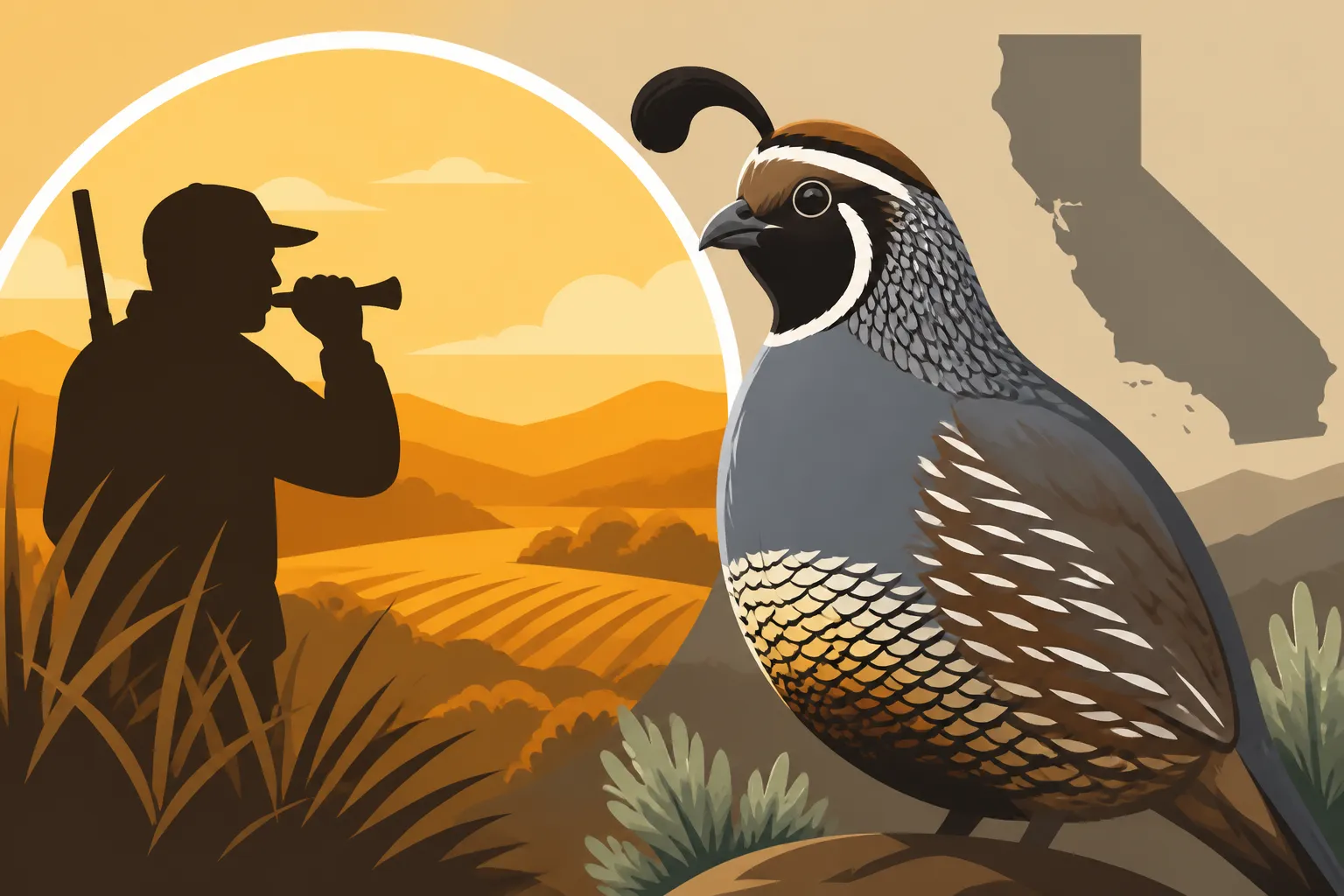
For many of us who chase California's elusive Valley Quail, there's a unique frustration that comes with knowing the birds are there, but just can't seem to get them to hold, or even show themselves. It’s like they have an invisible shield, or maybe we're just speaking the wrong language. This guide is all about breaking down that communication barrier, helping you understand the vocalizations of these fantastic game birds, and ultimately choosing and mastering the best call to bring California Valley Quail into range.
Understanding the Language of California Valley Quail
Before you even think about blowing into a call, it’s absolutely essential to understand why Valley Quail vocalize the way they do and what those different sounds mean. Think of it like learning a foreign language – you wouldn't just start shouting random words, would you? The same goes for these birds. Their calls are vital for their survival, social structure, and reproduction. Misinterpreting or misusing these calls can turn a potential harvest into a covey that bolts for the next county.
The Importance of Quail Vocalizations in Their Daily Lives
California Valley Quail are incredibly social birds, almost always found in coveys ranging from a handful to dozens of individuals. This social structure is heavily reliant on constant communication. Their calls serve multiple critical functions throughout the day and year. From the moment they wake up, stretching their wings on a dusty branch, to when they're foraging through thick chaparral, to the danger of a red-tailed hawk circling overhead, their calls are their lifeline. They use these sounds to keep the covey together, to warn of predators, to establish territories, and, of course, during mating season to attract mates.
Imagine a young covey, scattered by a passing predator or even just a particularly enthusiastic dog. That urgent, yet reassuring call from a mature bird is what guides them back together. Without it, individual birds would be far more vulnerable. For us hunters, understanding this deeply ingrained communication is our most potent tool. It's not about tricking the birds, but rather engaging with their natural instincts, making them believe there's a reason to respond or to regroup in a particular area. It’s about being a part of their world, even if only for a few crucial moments.
Key Calls and What They Mean to a Hunter
When you’re out in the field, especially during the fall hunting seasons, you’ll primarily be concerned with a few key calls. While Valley Quail have a surprisingly complex array of sounds, focusing on the most relevant ones will significantly improve your success. Getting these right is paramount, as a single wrong note can send a nervous covey scurrying into the deepest cover, leaving you scratching your head.
The most iconic and frequently used call is often referred to as the "assembly call" or "caw call," sometimes even the "Pipp call." This is that loud, clear, three-note "chi-ca-go" or "quit-quit-quit" sound that carries across canyons and open fields. Its purpose is exactly as its name suggests: to assemble scattered birds. If you've just flushed a covey and they've sailed off in different directions, this is the call to bring them back. It signals safety and reunion. Often, you'll hear a lead bird make this call, and within minutes, individual quail will start chirping back, slowly working their way towards the sound.
Then there's the "covey call," which is usually a softer, more urgent version of the assembly call, or a series of clucking and chipping sounds. This is used when a covey is already somewhat together but wants to tighten up, or when individual birds are searching for the main group within close proximity. It's less about long-distance communication and more about close-quarters reassurance. You might use this call after an assembly call has brought birds closer, or if you're working thick cover and suspect birds are nearby, trying to lure them into a clearing.
A sound you absolutely must recognize and avoid imitating is the "warning call." This is a sharp, explosive "whit!" or a rapid series of agitated chirps. When you hear this, it means danger is present – usually a predator like a hawk, coyote, or even you, the hunter. Mimicking this sound will instantly send any nearby quail diving for cover and locking down tight. It's the ultimate "game over" call for your approach.
Finally, while less critical for hunting, you'll also hear "contentment chirps" or "feeding calls." These are soft, almost purring sounds made by birds as they forage, content in their surroundings. They indicate a lack of immediate threat and a relaxed covey. While you wouldn't typically use these to attract birds, hearing them can confirm you're in a good spot with undisturbed birds, signaling you to move slowly and quietly. In the spring, you'll hear the distinct "mating or territorial call," often from a lone rooster perched high, establishing his presence. This call, though interesting, has little application for the fall hunting season.
Here’s a quick breakdown of these crucial calls:
| Call Type | Sound Description | Primary Purpose (Quail) | Hunter's Application (Fall Season) |
|---|---|---|---|
| Assembly Call | Loud, clear "chi-ca-go" or "quit-quit-quit" | Gather scattered birds, signal safety | Regrouping flushed coveys, locating birds |
| Covey Call | Softer clucking/chipping, urgent chirps | Close-range regrouping, tightening covey | Luring nearby birds, confirming presence |
| Warning Call | Sharp "whit!" or agitated, rapid chirps | Alert to immediate danger (predator) | NEVER IMITATE. Signals danger, spooks birds |
| Contentment/Feeding | Soft chirps, purrs | Indicate relaxed state, foraging | Confirming undisturbed birds, no immediate threat |
Choosing the Right Quail Call for California Valley Quail
Now that we understand what the quail are saying, let's talk about how we can speak their language. The market is flooded with various types of calls, and it can be overwhelming to pick the "best" one. The truth is, the best call is often the one you practice with the most and can make sound the most realistic. It’s less about the price tag and more about your commitment to mastering it.
Types of Calls Available and Their Pros & Cons
When it comes to California Valley Quail calls, you generally have a few categories to choose from, each with its own advantages and disadvantages. Your choice might depend on your experience level, hunting style, and even the specific terrain you plan to hunt.
Mouth-Blown Whistle-Style Calls: These are perhaps the most traditional and widely used calls for quail. They typically consist of a small barrel with a reed or a simple whistle design that you blow across or into. Many of these calls are designed to mimic the distinct "Pipp" or "Assembly" call of the Valley Quail. Brands like Primos and Knight & Hale offer popular versions.
- Pros:
- Authentic Sound: When mastered, these calls can produce incredibly realistic and varied tones, closely matching the actual birds.
- Versatility: With practice, you can often mimic several different quail sounds, from loud assembly calls to softer covey chirps, just by adjusting your breath and tongue.
- Hands-Free Potential: Some models can be held in the mouth, allowing you to keep your hands free for your firearm or dog leash, which is a huge benefit when Quail Hunting California Foothill Chaparral.
- Durability: Most are made of sturdy plastic or wood, capable of withstanding the rigors of the field.
- Cons:
- Learning Curve: These aren't "out of the box" perfect. It takes significant practice to get the sound just right and to vary it effectively. Many hunters struggle to produce the authentic "chi-ca-go" sound consistently.
- Can Get Slobbery: Being mouth-blown, they can collect moisture, especially on cold mornings, potentially affecting the sound or hygiene.
- Tone Variation: The sound can vary depending on how hard you blow, your breath control, and even the humidity, which can be inconsistent for beginners.
Push-Button Calls: These calls are designed for ease of use, often featuring a simple plunger or button that, when pressed, creates a consistent quail sound. They remove much of the human error inherent in mouth-blown calls.
- Pros:
- Ease of Use: This is their biggest selling point. Beginners can pick one up and get a reasonably good quail sound almost immediately, without extensive practice.
- Consistent Sound: Every press produces the same, reliable call, which can be reassuring in the field.
- Good for Beginners: If you're just starting out and want to focus more on hunting and less on calling technique, these are a great entry point.
- Cons:
- Less Versatile: Most push-button calls are designed for one specific sound (usually the assembly call) and lack the ability to vary tone, volume, or cadence as naturally as a mouth-blown call. This can make them sound less realistic to very wary birds.
- Can Sound Less Natural: Because of the lack of variability, a sharp-eared covey might quickly identify it as artificial, especially in heavily pressured areas.
- Bulkier: They tend to be larger and less discreet than a simple whistle call.
Electronic Calls: These are devices that play recorded sounds through a speaker. They often come with a library of various animal sounds, including multiple quail calls.
- Pros:
- Extremely Realistic: Since they use actual recordings, the sound quality can be incredibly authentic.
- Wide Range of Calls: A single unit can often play assembly calls, covey calls, feeding chirps, and more, offering a full spectrum of quail communication.
- Hands-Free Operation: Many have remote controls, allowing you to place the speaker away from you and operate it without moving.
- Cons:
- Legality (Crucial!): This is the single biggest drawback. In California, electronic calls are generally prohibited for the take of migratory game birds and most resident game birds, including quail. While laws can vary for certain species or contexts, for primary quail hunting, you should assume they are illegal. Always check the current California Quail Season Dates and regulations provided by the CDFW before considering one. Ignorance of the law is not a defense.
- Battery Reliance: They need batteries, which can die at the worst possible moment.
- Less "Hunting" Experience: For many, the challenge and satisfaction come from mastering a mouth-blown call, rather than relying on electronics.
Given the legal restrictions and the desire for an authentic hunting experience, most California Valley Quail hunters will gravitate towards mouth-blown, whistle-style calls.
Features to Look for in a Quality Valley Quail Call
Once you've decided on the type of call, whether it's a simple whistle or a more advanced mouth-blown design, there are several key features that can differentiate a good call from a great one. These considerations will help ensure your call performs reliably when it matters most, whether you're working a remote canyon or a field edge.
First and foremost is realism. This might seem obvious, but a call that doesn't sound like a real quail is worse than no call at all. Listen to recordings of actual California Valley Quail (the internet is full of them, or better yet, listen to them in the wild). Does the call you're considering match that authentic pitch, cadence, and tone? Some calls just sound "plasticky" or too uniform. You want one that has the subtle nuances of a live bird.
Durability is another critical factor. Quail hunting often takes you through rugged, thorny chaparral, across rocky hillsides, and into dusty creek bottoms. Your call will get bumped, dropped, and exposed to the elements. Look for calls made from tough, high-quality materials – durable plastics, hardwoods, or even metal. A flimsy call that breaks after a single season isn't a good investment, especially when you've finally mastered its sound.
Consider the volume and tone versatility. Can you make the call soft enough for close-in work, but also loud enough to carry across a draw when trying to locate a scattered covey? A good call should allow you to vary the intensity. Some calls are designed for a single loud note, which isn't always what you need. The ability to shift from a crisp assembly call to a softer, more inviting covey call without switching devices is a huge plus.
Ease of use is especially important for beginners but matters for experienced hunters too. While all mouth-blown calls require practice, some are inherently more forgiving to learn than others. Read reviews, and if possible, try a few calls out before buying. If a call is frustratingly difficult to operate, you're less likely to put in the practice needed to master it, and it will end up collecting dust in your gear bag.
Finally, weather resistance is a subtle but important feature. Hunting in California can mean anything from crisp, dry autumn mornings to foggy, damp coastal range days. A call that gets sticky, loses its tone, or becomes difficult to blow when wet or cold isn't ideal. Some calls are designed with moisture-resistant reeds or materials that perform consistently across various conditions.
While GoHunt is primarily a mapping and scouting tool, it can indirectly help you with your calling by showing you likely quail habitat, helping you pinpoint where you'll want to deploy your call, and even identifying areas where you might find less hunting pressure, leading to more responsive birds.
Mastering the Art of Calling California Valley Quail
Possessing the best physical call in the world won't do you any good if you don't know how to use it. Mastering a quail call is a blend of understanding the birds, patient practice, and strategic deployment in the field. It’s an art form, really, and one that separates the consistently successful quail hunters from those who just kick up birds by accident.
Practicing Your Calls for Authentic Sound
The single most important step in mastering a quail call is consistent, deliberate practice. You wouldn't expect to play a musical instrument perfectly without practice, and a game call is no different. Your goal is to make the call sound indistinguishable from a real bird.
Start by listening intently to real quail. Find recordings online, or even better, spend time scouting public land or wildlife areas where quail are abundant. Just sit and listen. Pay attention to the rhythm, the pitch, and the slight variations in their "chi-ca-go" or "quit-quit-quit" calls. Notice how they communicate, how quickly they respond, and the intensity of their calls. Mimic what you hear, not just what you think a quail sounds like. Tools like the CDFW hunting app or Scouting California Public Land Before Season can help you find areas to observe birds.
Practice in a quiet environment where you won't disturb real birds or annoy your neighbors too much. Start slowly, focusing on getting the basic notes right. Once you can consistently produce the core assembly call, work on varying the volume and cadence. Can you make it sound like a lonely bird searching for its covey? Can you make it sound like a confident bird trying to gather its flock? Avoid a monotonous, robotic delivery, as this immediately flags the call as unnatural. The more emotion and realism you can inject into your calling, the better.
Record yourself practicing and compare it to real quail sounds. This can be a humbling but incredibly effective way to identify what you're doing wrong and how to improve. Are your pauses too long? Is your pitch off? Is the volume inconsistent? Be your own toughest critic. Remember, this isn't about calling to the birds when you practice; it's about calling like the birds.
When and How to Deploy Your Call Effectively
Knowing how to make a realistic sound is only half the battle; knowing when and how to use it in the field is the other, equally critical half. Incorrect deployment can be more detrimental than no calling at all.
One of the best times to use an assembly call is pre-dawn or right at dawn to locate coveys. Quail often make their presence known just as the sun begins to lighten the sky, calling from their roosts before flying down to feed. A well-placed assembly call at this time can reveal the location of birds that you might not otherwise know were there. Listen for a response, mark the location, and then begin your approach.
The absolute most effective time to use your call is immediately after you’ve flushed a covey. When a covey bursts into flight, the birds typically scatter in multiple directions, often seeking refuge in dense cover. Once they’ve settled, usually within 10-15 minutes, they’ll instinctively want to regroup. This is your prime opportunity. Move quickly to where they scattered, position yourself in some concealment, and deploy your assembly call. Start with a few loud, clear calls, then pause and listen. If you hear chirps or softer covey calls in response, you know you've got their attention. Then, use softer, more intermittent calls to encourage them to move towards your position, allowing you to intercept them. Patience is key here; don't rush it.
Avoid overcalling. A common mistake for new hunters is to blast the call constantly. Real quail don't do that. They call, listen, and respond. Mimic this natural behavior. A few good calls, followed by a significant period of listening (often 30 seconds to a minute or more), is far more effective than non-stop chirping. Overcalling can actually make birds suspicious or even alert them to your presence if they don't see another bird responding.
Pay close attention to wind and terrain. Sound doesn't travel well into the wind. If you're calling into a strong headwind, your sound won't carry far. Similarly, steep canyons and thick vegetation can absorb or redirect sound. Position yourself so your call can carry effectively, often with the wind or across a canyon, rather than directly into a sound-deadening slope. And always be mindful of Wind and Thermals in Steep Sierra Country as they affect sound, and the birds' movement.
Finally, and this is crucial, listen more than you call. The most successful callers are excellent listeners. They can discern subtle responses, gauge the distance of a bird, and understand the urgency in their chirps. Your call is just one part of the conversation; the quail’s response tells you what to do next. If they're responding enthusiastically, keep it up. If they go silent, you might need to adjust your strategy or move.
Advanced Strategies and Common Mistakes to Avoid
Once you've got the basics down, you can start to think about more nuanced strategies. Like any form of hunting, quail calling isn't a one-size-fits-all approach. Conditions, habitat, and even the personality of the covey can dictate what works best. However, there are also universal pitfalls that can sabotage even the most skilled caller.
Combining Calls and Other Techniques
For truly effective quail hunting, especially on California's pressured public lands, you'll want to integrate your calling with other proven techniques. It's rarely just about the call; it's about the entire hunting sequence.
Consider using two types of calls in sequence. For example, use a louder assembly call initially to locate scattered birds after a flush or to get a response from a distant covey. Once you start getting replies and believe birds are moving in your general direction, switch to softer, more urgent covey calls or feeding chirps. This makes the "conversation" sound more natural and less like a single, disembodied voice. It's akin to having a friend talk to you from across a field, and then as you get closer, they drop their voice and speak normally.
Integrate your calling with scouting. Before you even step foot in the field, services like GoHunt offer invaluable insights into habitat and access. Use these mapping tools to identify potential quail cover – areas with thick chaparral, scattered oak woodlands, brushy creek bottoms, or old agricultural fields. Knowing these areas beforehand helps you choose where to set up for a call, where birds are likely to fly to after a flush, and where they might try to regroup. This pre-hunt scouting is just as vital as the calling itself. Reading Aerial Photos for Sierra Deer can teach you similar skills applicable to finding quail cover.
The role of a good bird dog cannot be overstated. A well-trained pointing or flushing dog will do more to locate, flush, and find scattered singles than any call ever could. Your call becomes an excellent supplement to the dog's work. After a dog flushes a covey, use your call to bring those singles back within scent range, allowing your dog to lock up on a point. The synergy between a good dog and a skilled caller is truly something to behold.
Finally, always be aware of your surroundings and environmental factors. Quail are masters of camouflage and are incredibly sensitive to movement and sound. If you're calling, remain absolutely still. Wear appropriate camouflage for the Best Camo for Oak Woodland in August or chaparral you're hunting. Utilize natural cover like boulders, dense shrubs, or the base of an old oak tree. The best call in the world won't matter if the birds see you moving.
Pitfalls That Spook More Quail Than They Attract
Even experienced hunters can make mistakes when calling quail, especially under pressure. Being aware of these common pitfalls can help you avoid them and increase your chances of success.
The most egregious error is overcalling. We touched on this earlier, but it bears repeating. Too much calling sounds unnatural. It doesn't mimic real quail behavior. If you’re constantly chirping, a wary covey will quickly become suspicious. They'll know something isn't right, and they'll either hold tight in cover, making them impossible to flush, or simply melt away. Call sparingly, listen intently, and let the quail dictate the pace of the conversation.
Improper tone or cadence is another major issue. A call that sounds too high-pitched, too low, too fast, or too slow can be a red flag for the birds. It might sound like a distressed bird, a sick bird, or simply not like one of their own. Practice with real bird sounds in mind, not just what your call can make. A call that's slightly off can send birds scattering instead of drawing them in. This is why consistent practice is so important.
Moving while calling is a cardinal sin. Quail have incredible eyesight and are acutely aware of movement. If you're standing up, waving your arms, or fidgeting while calling, any bird within sight will immediately identify you as a threat, regardless of how good your call sounds. Get into a concealed position, remain motionless, and let your call do the work.
As mentioned earlier, mistaking or imitating a warning call is an instant hunt-ender. That sharp, explosive "whit!" means danger. If you mistakenly make that sound, any birds nearby will immediately dive for cover and hold tight, often not moving again for a long time. It's like shouting "Fire!" in a crowded theater – everyone's going to scatter.
Finally, not paying attention to the quail's response is a huge mistake. Many hunters get so focused on making their call perfect that they forget to listen. The quail will tell you if they're interested, if they're moving closer, or if they're suspicious. Their soft chirps, the distance of their replies, and the urgency in their tone all provide crucial information. Listen for those subtle answers; they're your guide to the next step. If you're not getting a response after a few calls, don't keep hammering away. Change your position, try a different call, or focus on a different area. Remember to carry your California Resident Base License Cost and required tags, and always be aware of property boundaries, using resources like Finding California Property Lines to avoid accidental trespass.
Disclaimer
This article is for general informational purposes only and does not constitute professional advice. Laws, prices and regulations vary by location and change over time. Consult a qualified professional for guidance on your specific situation.