Best Non-Lead Bullet for a 6.5 Creedmoor
It's no secret that California hunters face some unique challenges, and one of the biggest hurdles for rifle hunters using modern cartridges like the 6.5 Creedmoor is navigating the non-lead ammunition mandate. You want to make an ethical, clean kill, but figuring out which of the many non-lead options will truly perform best in your rifle for California's varied game and terrain can feel like a daunting task. This guide is here to cut through the confusion, helping you understand the ins and outs of selecting the absolute best non-lead bullet for your 6.5 Creedmoor so you can head into the field with confidence.
The Imperative: Why Non-Lead for Your 6.5 Creedmoor in California
Let's just get this out of the way upfront: if you're hunting with a rifle in California, you must use non-lead ammunition. There's no getting around it, and frankly, it's something we've all had to adapt to. The statewide ban on lead ammunition for hunting was a huge shift, spurred by concerns over wildlife, particularly the California Condor, ingesting lead fragments left behind in carcasses. It's a legal requirement, yes, but many hunters have come to embrace it as an ethical choice for conservation. You can dive deeper into the specifics of California's Condor-Driven Ammunition Law to understand the history behind this mandate.
The 6.5 Creedmoor arrived on the scene fairly recently, gaining immense popularity for its exceptional accuracy, mild recoil, and impressive ballistic performance, especially at longer ranges. It quickly became a favorite for deer and even some elk hunters. When the non-lead mandate came into full effect, many wondered if the cartridge would lose some of its appeal or effectiveness with the new bullet materials. The good news is, manufacturers have stepped up, and there are now fantastic non-lead options that allow the 6.5 Creedmoor to continue to shine in the California hunting landscape. The key is understanding how these materials behave differently from traditional lead-core bullets and selecting wisely. It's all part of California's Non-Lead Ammunition Requirement that impacts every rifle hunter.
This transition hasn't been without its frustrations, of course. For years, we relied on proven lead-core designs, and switching means re-evaluating everything from bullet weight to powder charge, and most importantly, how your rifle performs at the range. It requires more homework, more testing, and sometimes a bigger hit to the wallet. But the industry has come a long way, and today's non-lead bullets are incredibly sophisticated and effective. The goal now isn't just compliance, but optimizing performance within these new parameters.
Deconstructing Non-Lead Bullet Performance for the 6.5 Creedmoor
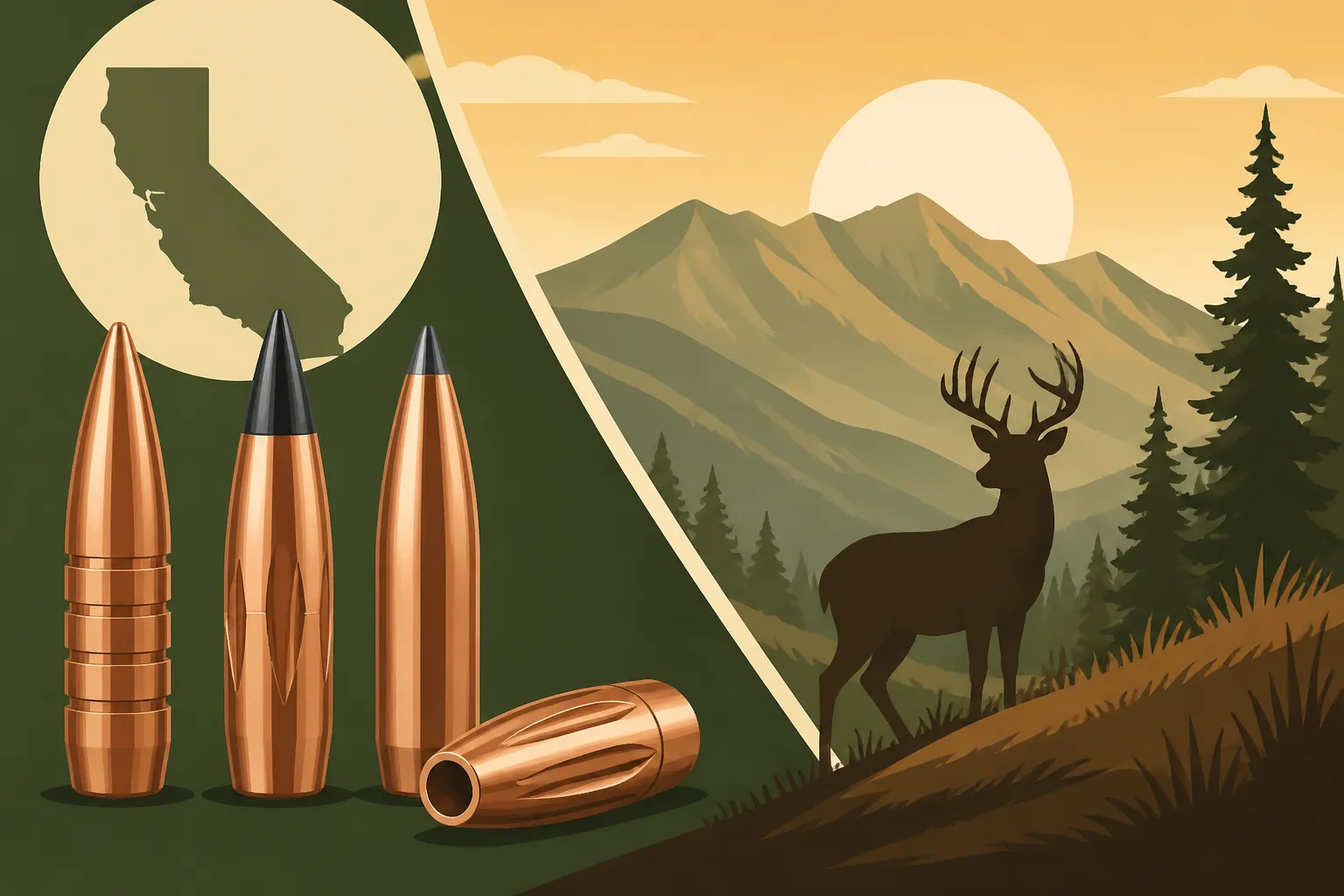
When you're looking at non-lead bullets for your 6.5 Creedmoor, you're primarily going to be dealing with monolithic copper bullets or copper alloy designs. These aren't just lead bullets with a copper jacket; they are entirely different animals in terms of construction and how they perform on impact. Understanding these differences is absolutely critical for ensuring a clean, ethical harvest, especially on California's varied game.
First off, let's talk about weight retention. This is where monolithic copper bullets truly excel. Unlike traditional lead-core bullets that can shed significant weight upon impact (sometimes 30-50% or more), solid copper bullets are designed to retain nearly 100% of their original weight. This means that almost all of the bullet's mass is driven forward, creating a deeper wound channel and significantly enhancing penetration. Imagine a bullet hitting a deer's shoulder bone; a lead-core might fragment, while a copper bullet is more likely to punch right through, maintaining its integrity and carrying more energy deeper into the animal. This superior weight retention is a huge advantage when you're targeting the vitals through tougher hide or bone.
Next up is expansion. Most non-lead copper bullets feature a hollow-point or polymer tip design that initiates expansion. They're engineered to peel back into petals, creating a broad, sharp cutting surface. The key difference from lead is that this expansion is often more controlled and consistent. Instead of a rapid, sometimes violent expansion that can lead to fragmentation, copper bullets typically mushroom into four or six sharp petals, creating a consistent wound channel without breaking apart. This controlled expansion, combined with high weight retention, is what drives that deep penetration we just talked about. This unique behavior can definitely affect Copper Bullet Ballistic Coefficient Versus Lead, as the densities and shapes differ.
Ballistic performance, particularly long-range accuracy, is another area where the 6.5 Creedmoor shines, and non-lead bullets are keeping pace. Many modern non-lead designs, like the Hornady CX or Barnes LRX, feature sleek profiles and high ballistic coefficients (BCs). This means they retain velocity better and drift less in the wind, which is paramount when you're making a shot across a high-desert canyon for a mule deer or stretching the distance on a blacktail in an open clear-cut. However, don't assume the BC of a copper bullet will be identical to a lead one of the same weight; slight variations in length and construction can change things. Always check the manufacturer's specified BC for the non-lead bullet you choose. It’s imperative to understand How Non-Lead Bullets Pattern at Long Range as well, as impact points can shift dramatically from lead.
Bullet weight selection for non-lead in the 6.5 Creedmoor also warrants careful consideration. Because copper is less dense than lead, a non-lead bullet of the same weight will be physically longer than its lead-core counterpart. This extra length can sometimes require a faster barrel twist rate to stabilize effectively, though the 6.5 Creedmoor typically has a fast enough twist (often 1:8 or 1:7.5) to handle most non-lead options in the 120-143 grain range. For deer, bullets in the 120-130 grain range are usually excellent performers, offering a good balance of velocity and terminal effect. For larger game like elk, moving up to the 139-143 grain options will provide even greater momentum and penetration.
| Feature | Lead-Core Bullet (Typical) | Monolithic Copper (Non-Lead) |
|---|---|---|
| Weight Retention | Often 50-80%, can fragment | Near 100%, minimal fragmentation |
| Penetration | Good, but can be limited by fragmentation | Excellent, deep and consistent |
| Expansion | Rapid, can be violent, sometimes inconsistent | Controlled, consistent "petal" formation |
| Material Density | Higher | Lower |
| Length (for same weight) | Shorter | Longer |
| Ballistic Coefficient | Varies widely, can be high | Varies, often high for modern designs |
| Environmental Impact | Potential for lead fragments | Minimal environmental concern |
Ultimately, the goal is to select a non-lead bullet that delivers sufficient energy, consistent expansion, and deep penetration to reach and disrupt the vital organs, ensuring a quick and humane harvest. The unique properties of monolithic copper make them incredibly effective tools when used appropriately.
Navigating the Non-Lead Landscape: Top Choices and Considerations
The market for non-lead 6.5 Creedmoor ammunition has matured significantly, offering hunters a range of excellent choices. It's not just one or two obscure brands anymore; the major players are all on board, and they've developed some truly exceptional bullets specifically designed for ethical and effective hunting. Finding the right one involves a bit of research and, inevitably, some trial and error with your specific rifle.
When we talk about top choices, you'll most often hear about all-copper monolithic designs. These are the workhorses of the non-lead world. Brands like Barnes, Hornady, and Federal have invested heavily in their development.
- Barnes TTSX (Tipped Triple-Shock X-Bullet) and LRX (Long-Range X-Bullet): Barnes has been a pioneer in non-lead bullets for decades, and their X-Bullet designs are legendary. The TTSX features a polymer tip that aids in expansion and improves ballistic coefficient. The LRX takes it a step further with a more streamlined profile for even better long-range performance. Both are known for their exceptional weight retention and deep penetration. They perform incredibly well on a variety of game, reliably expanding through hide and bone. For California hunters, Barnes bullets in 120gr to 139gr are incredibly popular and effective for both deer and elk.
- Hornady CX (Copper Monolithic Expanding) and GMX (Gilding Metal eXpanding): Hornady's CX bullet is their latest all-copper offering, building on the success of the GMX. These bullets are engineered for consistent expansion across a wide velocity range and excellent weight retention. They also tend to have very high ballistic coefficients, which means they fly flat and are less affected by wind, a real advantage in many open California hunting areas. The 130gr CX is a standout for the 6.5 Creedmoor, offering superb performance.
- Federal Terminal Ascent: This is a more premium option, designed to combine long-range precision with devastating terminal performance. It features a bonded copper shank and a polymer tip, providing reliable expansion at extended distances and deep penetration. While often a bit pricier, its performance makes it a strong contender, especially if you anticipate longer shots.
- Nosler E-Tip: Nosler's non-lead offering is another fantastic all-copper option. Similar to other monolithic designs, the E-Tip is known for its high weight retention, controlled expansion, and excellent penetration. It's a reliable performer that many hunters trust for consistent results.
The key with any of these choices is testing them in your rifle. Every rifle is a law unto itself, and what shoots exceptionally well in one 6.5 Creedmoor might only be "okay" in another. You absolutely need to get to the range and Sighting In Before Switching to Non-Lead to verify accuracy and point of impact. Don't just assume a new box of non-lead ammo will shoot the same as your old lead rounds – it almost certainly won't. This can be frustrating, especially if you're used to picking up any box and going. But the investment in range time pays dividends in confidence and ethical hunting.
When you're trying to figure out which specific bullet might be best for your particular hunting area or game, often looking at harvest reports or even using tools like GoHunt can provide insights into what other successful hunters in similar terrain are using. Reading through forums or community sections on GoHunt might give you anecdotal evidence of what's performing well on blacktail in the coastal range or mule deer in the eastern Sierra. Furthermore, understanding Choosing a Rifle Twist Rate for Non-Lead Bullets can sometimes be critical, though the 6.5 Creedmoor is quite forgiving.
Finding these rounds can also sometimes be a challenge, depending on current demand. Non-Lead Ammo Availability and Cost is a real factor. It's not uncommon for popular non-lead loads to be in high demand, so it's always wise to stock up well before your season starts. Don't wait until the week before opening day!
Tailoring Your 6.5 Creedmoor Non-Lead Load to California's Game
Once you've wrapped your head around the different non-lead bullet options, the next step is to match your choice to the specific game you'll be pursuing in California. While the 6.5 Creedmoor is a versatile cartridge, optimal bullet selection can make a real difference in terminal performance.
Deer Hunting Blacktail and Mule Deer
California is home to both Columbia Blacktail and Mule Deer, and while mule deer tend to be larger, both are effectively taken with the 6.5 Creedmoor using the right non-lead bullet. For deer-sized game, bullets in the 120-130 grain range are often ideal. These weights offer a fantastic balance of high velocity, flat trajectory, and reliable expansion for a humane harvest.
- For Blacktail: Many blacktail hunters operate in dense oak woodlands or chaparral, where shot distances are often shorter. A 120gr Barnes TTSX or 130gr Hornady CX will punch through brush and deliver excellent energy transfer, creating a significant wound channel. Because blacktail are typically smaller than mule deer, you might not need the absolute heaviest bullet, but dependable expansion is still paramount. The velocity of these lighter-for-caliber non-leads ensures rapid expansion even at closer ranges. Best Non-Lead Bullet Weight for Blacktail Deer covers this in more detail.
- For Mule Deer: When chasing mule deer in the more open country of California's D-zones or X-zones, you might encounter longer shot opportunities. Here, a bullet with a higher ballistic coefficient (BC) is a huge asset. The 130gr Hornady CX or a 139gr Barnes LRX will buck the wind better and retain more energy at extended distances. Their deep penetration ensures they can handle the larger body mass of a mule deer, even if you hit a shoulder blade. Understanding Best Non-Lead Bullet Weight for Mule Deer is key for these larger animals.
Regardless of the species, always aim for the vitals. Non-lead bullets, with their deep penetration, are designed to create through-and-through wound channels, which often lead to better blood trails. However, because they don't fragment like lead, shot placement is even more critical to ensure maximum damage to vital organs.
Elk Hunting Tule, Roosevelt, and Rocky Mountain
For those lucky enough to draw an elk tag in California – whether it's for Tule, Roosevelt, or Rocky Mountain elk – the 6.5 Creedmoor can be an effective tool, but bullet selection becomes even more critical. Elk are significantly larger and tougher animals than deer, requiring robust construction and maximum penetration.
For elk, you'll want to lean towards the heavier end of the 6.5 Creedmoor non-lead spectrum, typically 139-143 grains. These heavier bullets carry more momentum and are designed to drive deeper. A 139gr Barnes LRX or a 140gr Federal Terminal Ascent would be excellent choices. Their strong construction resists deformation and ensures that they penetrate deeply enough to reach the vitals, even through thick hide, heavy muscle, and bone.
While the 6.5 Creedmoor can take an elk, it demands excellent shot placement and a deep understanding of your bullet's capabilities. It's not a cartridge that offers much room for error on such a large animal. Always pass on marginal shots, especially if you're not absolutely confident in your ability to place the bullet precisely. If you're considering Best Rifle Caliber for Tule Elk, the 6.5 Creedmoor definitely fits within the legal requirements, but careful bullet choice is paramount for ethical success.
Validation at the Range
No matter which bullet you choose, the most crucial step is validating its performance at the shooting range. Shoot it from different positions, at varying distances, and under different weather conditions if possible. Understand its trajectory and how it groups. Practice shooting off your hunting pack or bipod. Knowing exactly how your chosen non-lead load performs in your rifle will give you the confidence needed to make an ethical shot when the moment of truth arrives. Before your hunt, it's not a bad idea to re-check regulations or any specific zone information, and tools like GoHunt can be invaluable for up-to-date details on your tag and area.
Remember, the goal isn't just to buy "a" non-lead bullet, but to find the best non-lead bullet for your 6.5 Creedmoor that gives you the utmost confidence for your specific California hunting adventure.
Disclaimer
This article is for general informational purposes only and does not constitute professional advice. Laws, prices and regulations vary by location and change over time. Consult a qualified professional for guidance on your specific situation.