California Turkey Roost Tree Preferences
California wild turkeys select roost trees based on predator avoidance, thermal regulation, and unobstructed morning escape routes.
Know what you’re after.
Big game, small game, upland birds, and waterfowl — identification, behavior, rut and migration timing, and how each species moves through the season.
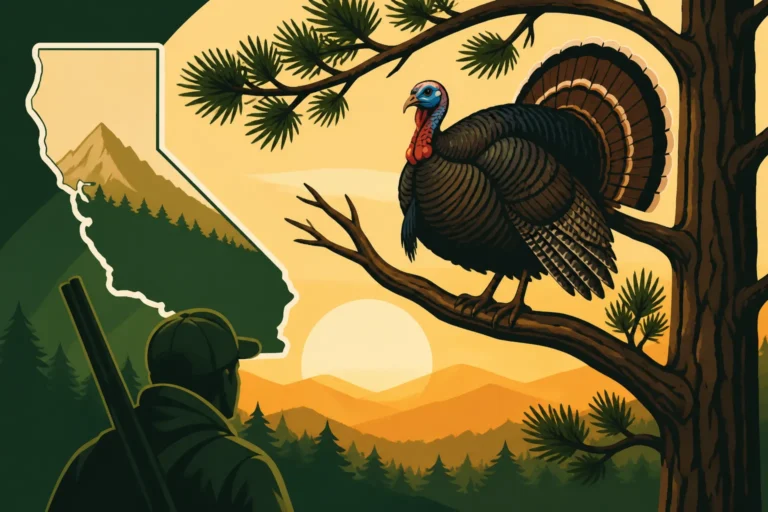
California wild turkeys select roost trees based on predator avoidance, thermal regulation, and unobstructed morning escape routes.
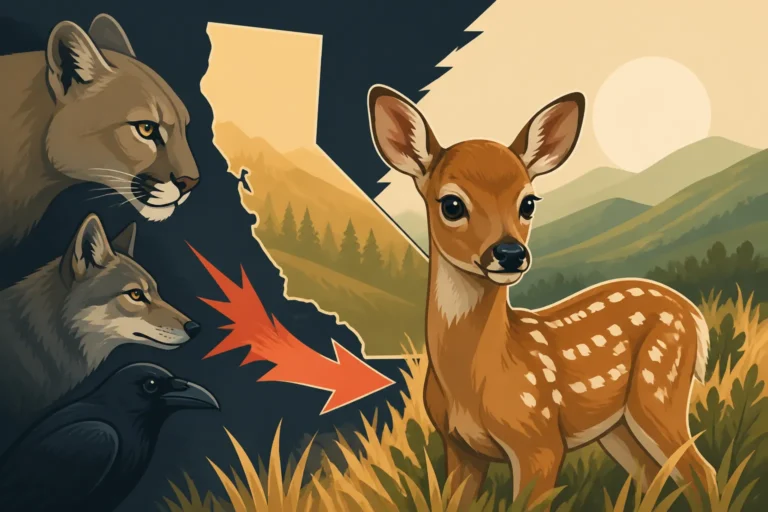
California predator impacts on fawn recruitment rates, natural mortality factors, and deer herd health across the state.
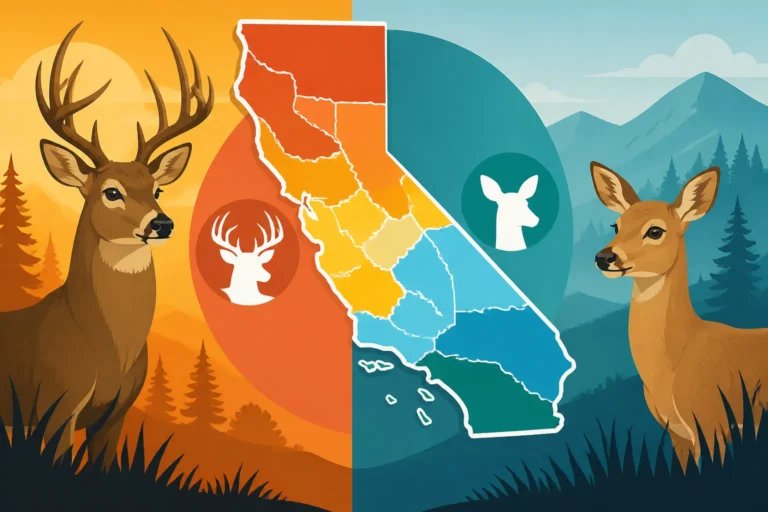
California buck-to-doe ratios differ across hunting zones and impact herd health, breeding behavior, and your overall hunting success.
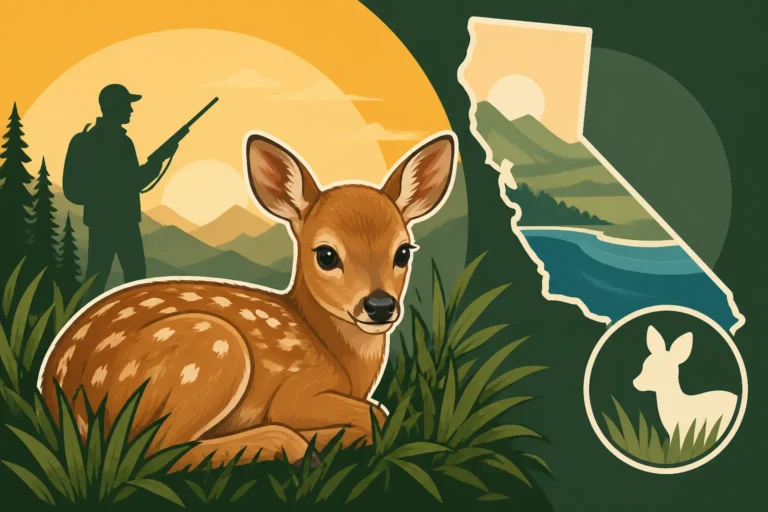
California fawn survival rates depend on predators, environmental challenges, and early life weather events impacting deer herds.
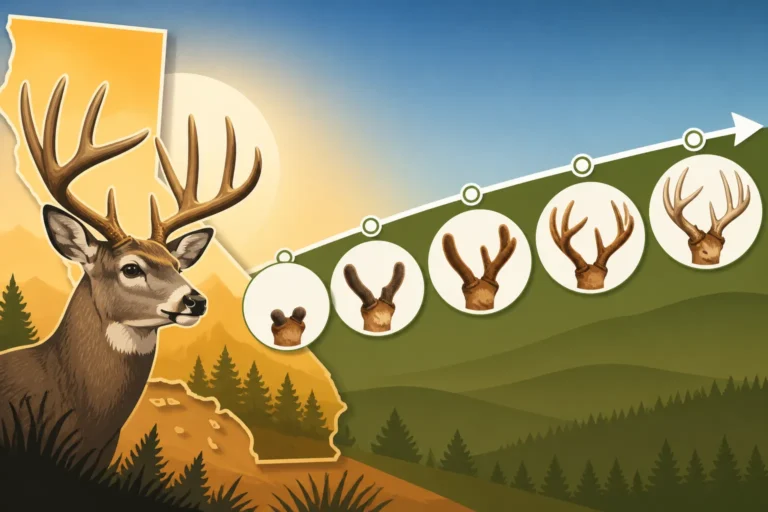
California deer antler growth timelines and seasonal stages explain velvet sprouts, rapid development, and hardening for hunters.
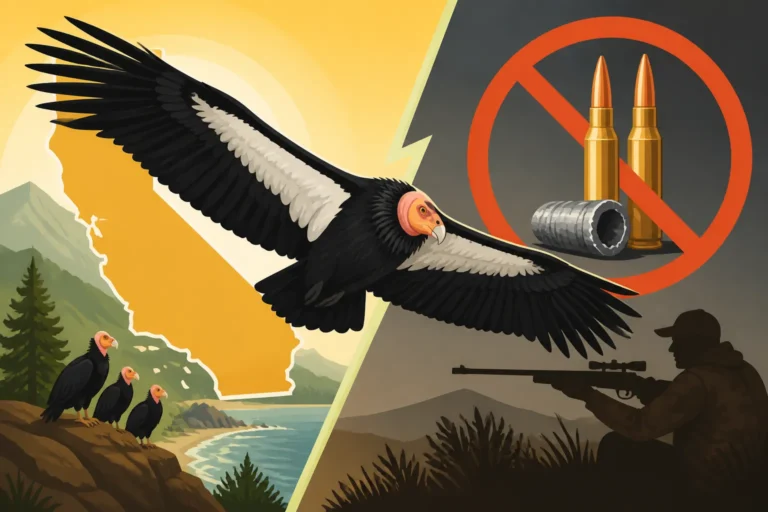
California condor recovery efforts and lead ammunition poisoning risks explain the state ban on traditional hunting bullets.
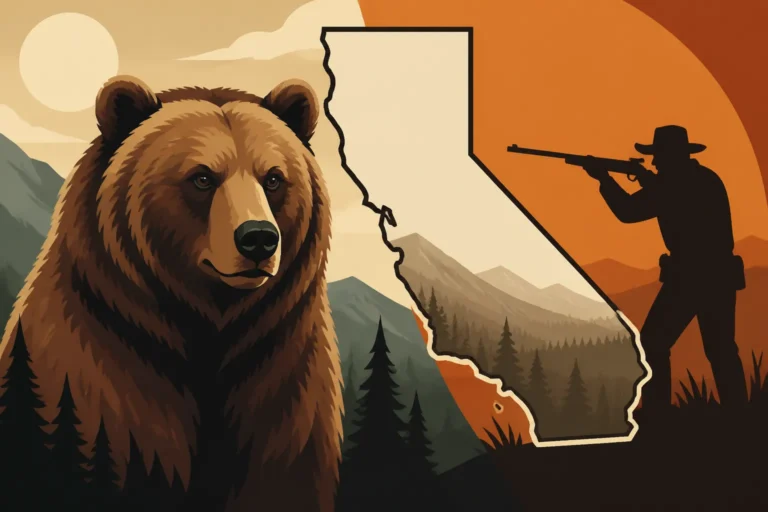
California grizzly bear history reveals the population decline and extirpation of five to ten thousand apex predators across the state.
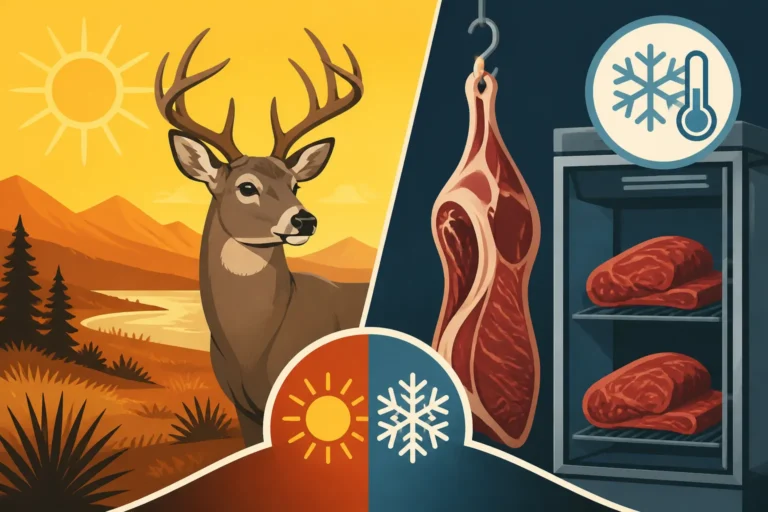
Aging venison during warm weather requires rapid cooling and proper field dressing to prevent spoilage and ensure tenderness.
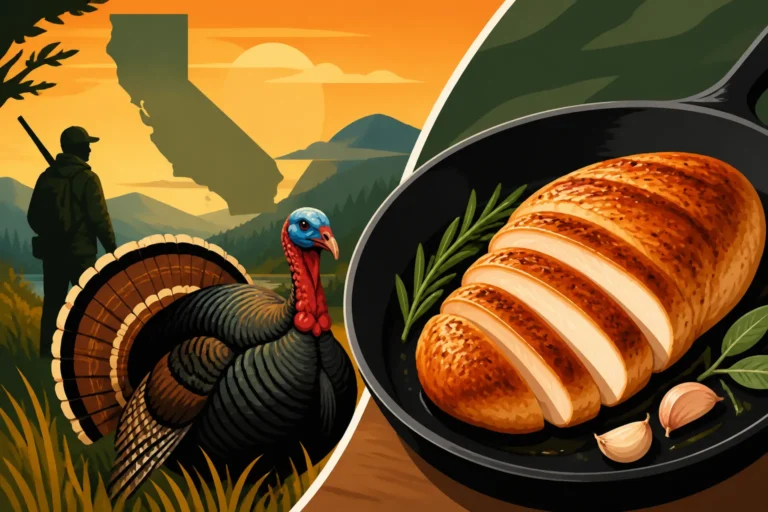
Wild turkey breast preparation techniques prevent dry meat and tame gamey flavor by trimming lean muscle for a delicious meal.
California wild game flavor depends on diet, age, sex, and stress, explaining why wild turkey provides tender, sweet meat.