California Fawn Survival Rates
It’s a natural worry for any hunter who truly cares about the resource: how are the fawns doing? We see those tiny, spotted wonders in the spring, full of life, and we hope they make it through the gauntlet of challenges California throws at them. The truth is, fawn survival rates are a critical barometer for the health of our deer herds, directly impacting future hunting opportunities and the overall deer population. This guide will dive deep into the many factors that influence whether those fragile fawns survive to see their first rut, and what it all means for our beloved California deer.
The Harsh Realities of Fawn Survival in California
When we talk about fawn survival, we're really talking about a race against time and formidable odds. From the moment they're born, California's fawns face a gauntlet of challenges that will determine if they make it to their first year. It's not just a matter of luck; it's a complex interplay of biology, environment, and the ever-present threat of predators.
The Critical First Weeks
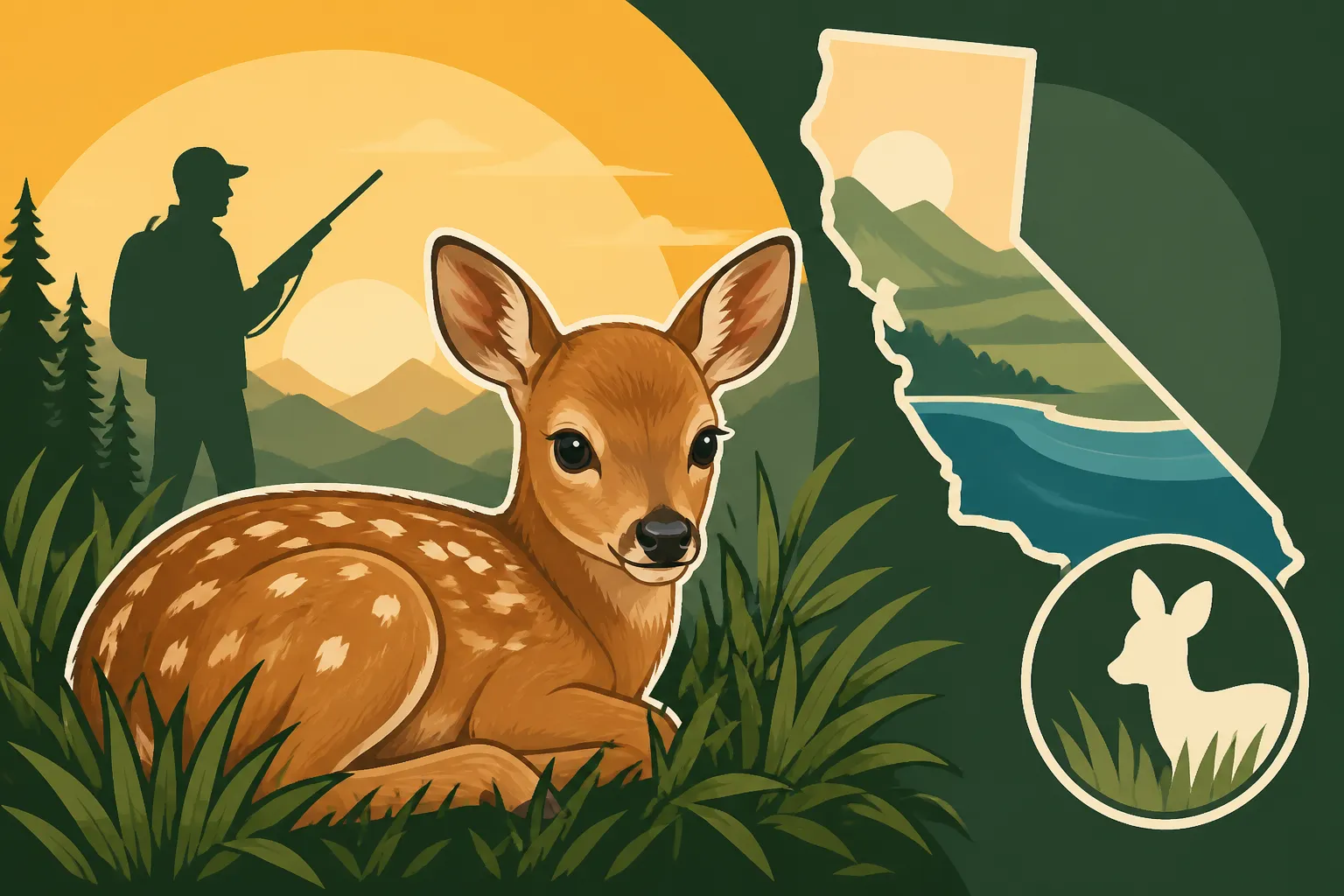
Those first few weeks after birth are arguably the most dangerous period in a fawn's life. Born small and utterly helpless, fawns are primarily camouflaged by their spots and their innate ability to remain still. Their strategy is pure concealment, relying on their mother's careful hiding places and their lack of scent (for the first few days) to avoid detection. Does will often leave their fawns tucked away in tall grass, thick chaparral, or dense oak undergrowth, only returning periodically to nurse. This "hider" strategy is effective against some predators, but not all.
Think about a small, hidden fawn in a meadow or a brushy hillside. It's essentially a scentless, unmoving target, hoping to blend in. The doe, meanwhile, tries to draw attention away from her offspring. But even the best-laid plans can be foiled by a relentless predator or extreme weather. A sudden cold snap combined with heavy rain can be devastating for a newborn fawn that hasn't built up enough fat reserves, or if its mother can't find enough quality forage to produce rich milk. California Fawn Survival Rates are often lowest in these initial vulnerable days, and understanding these early struggles helps us appreciate the resilience of the deer that do survive.
Predation Pressure
California is wild, and that means predators are an ever-present force in the lives of deer. For fawns, predators represent the most significant threat to their survival. Coyotes, black bears, and mountain lions are all major players in this natural drama, each impacting fawn populations in different ways.
Coyotes are opportunistic and widespread, often being the number one cause of fawn mortality in many regions. They are constantly on the prowl, and a hidden fawn, however still, can sometimes be sniffed out. Their sheer numbers and adaptability make them a constant pressure. Black bears, particularly sows with cubs, are also known to prey on fawns, especially if other food sources are scarce. While a bear's diet is largely plant-based, an easy meal like a young fawn can be a significant caloric boost.
Then there are mountain lions, the apex predators of California. While lion populations are managed differently here, their impact on deer, especially fawns, is undeniable. A single lion can account for a considerable number of deer kills over a year, and young, inexperienced fawns are often easier targets than mature bucks or does. Managing this balance on public lands is incredibly complex, as we hunters know. We see the tracks, we hear the calls, and we understand that every fawn that doesn't make it is one less potential buck or doe contributing to future generations. For a deeper dive into this, it's worth exploring the data on California Predator Impact on Fawn Recruitment.
Environmental and Habitat Challenges
Beyond the immediate threat of predators, California's environment itself presents formidable challenges to fawn survival. Our state's unique and often extreme conditions, from prolonged droughts to vast human development, directly impact the ability of deer to thrive.
Drought and Forage Quality
If you've spent any time hunting or recreating in California, you know drought is a recurring theme. And for deer, especially fawns, dry years are absolutely brutal. When rain and snow are scarce, the quality and quantity of forage plummet. Does need nutrient-rich forage to be healthy, successfully carry fawns to term, and, most importantly, produce enough milk to nourish their newborns.
Imagine a doe trying to nurse her fawn during a late summer drought in the Hunting Coastal Range Oak Woodlands. The once-lush grasses are now brittle and brown, the succulent forbs have withered, and even the oak mast might be delayed or scarce. If the doe is malnourished, her milk production suffers, directly impacting the fawn's growth and ability to put on critical fat reserves. A small, weak fawn is far more susceptible to disease, predation, and simply not having the energy to survive. These early nutritional deficits can have long-lasting effects, influencing a fawn's development, its antler growth potential if it's a buck, and its overall reproductive success as an adult. It's a domino effect that starts with a lack of water and good food.
Habitat Fragmentation and Loss
As California's population grows, so does the pressure on wildlife habitat. Urban and rural development, coupled with infrastructure projects like roads and power lines, lead to habitat fragmentation and outright loss. This is a huge concern for deer, particularly when it comes to fawning grounds. Deer need undisturbed, secure areas to give birth and raise their young.
Think about a traditional migration corridor for Columbia Blacktail and Mule Deer in California that suddenly has a new highway cutting through it, or a prime fawning ground that gets subdivided for housing. These changes force deer into smaller, less optimal areas, increasing stress and making fawns more vulnerable. Roads, in particular, are a significant source of mortality for deer, and young, inexperienced fawns are at high risk of California Deer Vehicle Collisions as they learn to navigate their new world. The loss of critical fawning cover also means does have fewer safe places to hide their young, increasing their exposure to predators. We've all seen those small, isolated patches of woods or brush that deer try to hold onto, and it highlights just how important every acre of suitable habitat is for the next generation.
Disease, Accidents, and Human Impact
Even if a fawn avoids predators and finds enough food, other threats loom large. Disease, unforeseen accidents, and the often-unintended consequences of human presence can all drastically affect fawn survival rates in California.
Disease and Parasites
Just like any other wild animal, deer are susceptible to a range of diseases and parasites. While healthy, robust fawns are more resilient, those weakened by drought or poor nutrition can quickly succumb. We hear about concerns like Epizootic Hemorrhagic Disease (EHD) during late summer and fall, which can impact deer of all ages, including fawns. While not always a direct killer of fawns, a doe weakened by disease might not be able to adequately care for her young.
Then there's the growing concern about Chronic Wasting Disease (CWD). While California has been fortunate to have limited cases, it's something wildlife agencies are constantly monitoring. The state has California's Emerging CWD Concern and has established California's Two CWD Testing Zones to stay on top of it. While CWD primarily affects older deer, any widespread disease in the herd could indirectly impact fawn survival by reducing the overall health and vigor of the population. Parasites, from ticks to internal worms, can also take a toll, especially on already stressed fawns, siphoning off vital nutrients and leaving them weakened and vulnerable. It's a constant battle against microscopic threats that hunters often don't see, but which are undeniably part of the ecosystem.
Accidents and Human Encounters
Unfortunately, not all threats come from natural causes. Accidents, often involving humans, contribute to fawn mortality. As mentioned, vehicle collisions are a major factor, especially along roads that cut through deer habitat. Fawns, being less aware and more impulsive than adults, are particularly susceptible.
Another, more heartbreaking, human impact comes from well-meaning but misguided individuals. It's a common sight in spring: someone finds a "lost" fawn, seemingly abandoned by its mother, and attempts to "rescue" it. The reality is, deer does intentionally leave their fawns alone for extended periods while they forage. Picking up a fawn, moving it, or trying to feed it almost always does more harm than good, as it can cause the doe to abandon it, or the fawn to become habituated to humans, which is a death sentence in the wild. The message is clear: if you find a fawn, leave it alone. Its mother is almost certainly nearby, watching. This separation, even if brief, can be a major stressor and contribute to the fawn's demise.
Understanding CDFW Monitoring and Data
So, how do wildlife managers actually keep tabs on fawn survival and overall deer health? The California Department of Fish and Wildlife (CDFW) plays a crucial role in monitoring deer populations through a variety of methods. They conduct field surveys, often aerial counts or ground surveys, to estimate California Deer Herd Size and track demographic data, including fawn-to-doe ratios. These ratios are a direct indicator of fawn survival. A healthy ratio suggests good recruitment into the population, while a low ratio flags potential problems.
CDFW also relies heavily on hunter harvest data. When hunters report their deer, that information helps biologists understand population trends, age structures, and overall herd health. It's why reporting your harvest is so vital. If you’re a serious hunter who uses mapping and data platforms like GoHunt, you can leverage similar data points, combined with satellite imagery and historical harvest records, to try and get a sense of how local deer populations are trending. While platforms like GoHunt provide valuable tools for hunters, it's the on-the-ground efforts of CDFW, combined with hunter cooperation, that paint the most accurate picture of fawn survival and the health of our deer resource. This data helps inform season structures and management strategies, ensuring that we continue to have deer to hunt in the future. Learning How CDFW Counts the California Deer Herd offers a fascinating look into their efforts.
| Factor Affecting Fawn Survival | General Impact | Timing of Impact | Management Considerations for Hunters |
|---|---|---|---|
| Predation | High mortality rate, especially early | Birth to 3-4 months | Understand predator presence, choose safe fawning areas. |
| Drought/Poor Forage | Weakens fawns, reduces doe milk production | Throughout year, peaks in dry seasons | Support habitat restoration, observe doe body condition. |
| Habitat Loss/Fragmentation | Reduces safe fawning cover, increases stress | Ongoing, long-term | Advocate for conservation, respect private land. |
| Disease/Parasites | Mortality, weakens survivors | Year-round, EHD often late summer/fall | Report sick deer, practice ethical carcass disposal. |
| Accidents (Vehicles) | Direct mortality | Year-round, especially during migrations | Drive carefully in deer country, support wildlife crossings. |
| Human Interference | Abandonment, habituation | Spring/early summer (fawning season) | Leave fawns alone! Educate others. |
| Severe Weather | Direct mortality (exposure) | Early spring (cold/wet), extreme summer heat | Not directly manageable, but good cover helps. |
What Hunters Can Observe and What It Means for the Future
As hunters, we're often the most tuned-in observers of wildlife in the field. Our eyes on the ground can offer valuable insights into what's happening with fawn survival, and those observations carry significant weight for our understanding of the herd's future.
Indicators of Good Fawn Survival
When you're out Scouting California Public Land Before Season in late summer or early fall, there are definite signs that indicate a good fawn crop and successful survival rates. The most obvious is seeing healthy does with multiple fawns. It's a fantastic feeling to glass a hillside and count several does, each with one or even two vigorous, well-grown fawns trailing them. Those robust fawns, having shed their spots or nearly so, are a strong indicator that the habitat provided adequate nutrition, and they successfully navigated the gauntlet of early-life threats.
Another good sign is seeing fawns that appear strong and active, not lagging or looking emaciated. They should be alert and quick to react. When you're seeing a healthy number of these young deer, it gives you a sense of optimism. This year's fawns are next year's yearlings, and the year after that, they'll be prime candidates for our tags. A strong fawn crop ultimately translates to more bucks on the landscape in the coming seasons, improving your odds during Rifle Hunting California's General Deer Season or even when applying for California's Multi-Zone Deer Season System. It's a direct connection from the tiny, spotted fawn to that potential mature buck you're hoping to encounter.
Long-Term Outlook and Management
Understanding fawn survival isn't just about this year's hunt; it's about the long-term health and sustainability of California's deer populations. When fawn survival is consistently low in a particular area, it signals a problem that needs attention, whether it's excessive predation, habitat degradation, or persistent drought conditions. Conversely, robust fawn survival suggests a healthy ecosystem.
For us as hunters, this means our continued support for habitat conservation and sound wildlife management practices is paramount. We need to be aware of the California Deer Population Estimate and how those numbers fluctuate. Organizations, alongside CDFW, work tirelessly on projects that improve deer habitat, creating better forage and cover, which directly benefits fawns. It's about ensuring there are still deer herds thriving for future generations of hunters to enjoy, whether it's chasing Hunting California's High-Country X-Zones or stalking deer in the foothills. The dynamic nature of deer populations means things can change from year to year, but by understanding the critical role fawn survival plays, we can better appreciate the challenges our deer face and advocate for their well-being.
Disclaimer
This article is for general informational purposes only and does not constitute professional advice. Laws, prices and regulations vary by location and change over time. Consult a qualified professional for guidance on your specific situation.