Judging a Blacktail’s Fork Versus a Forked Horn
California deer hunting regulations and antler growth details explain how to identify a legal forked horn blacktail buck.
Close the distance.
Archery, muzzleloader, and firearm techniques — calling, stand placement, still-hunting, spot-and-stalk, and the weapon rules that change at the state line.

California deer hunting regulations and antler growth details explain how to identify a legal forked horn blacktail buck.
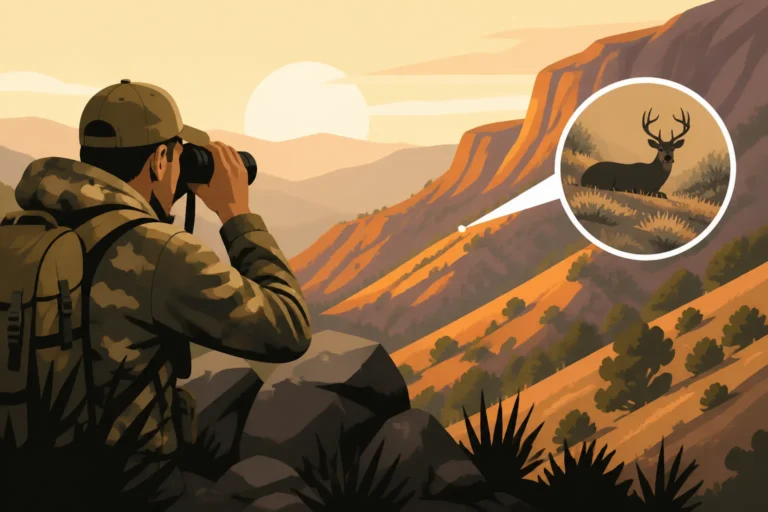
Glassing California canyons with binoculars and spotting scopes helps hunters locate bedded bucks across rugged terrain.
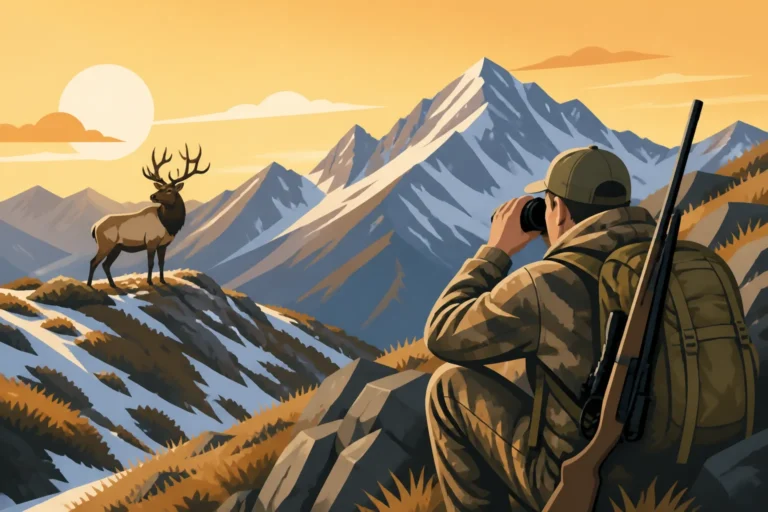
California late-season high-country deer hunting requires navigating shifting weather and mapping migration corridors for mule deer.
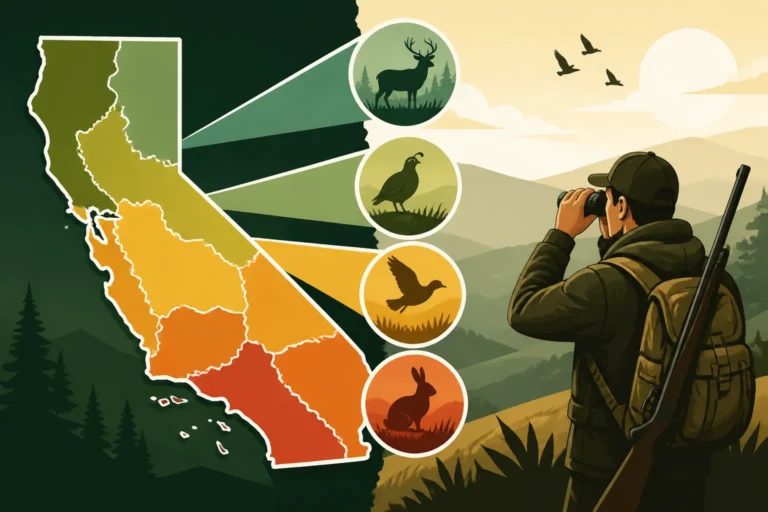
California deer season dates and zone opening schedules rely on habitat variety, deer species, and local herd sustainability.
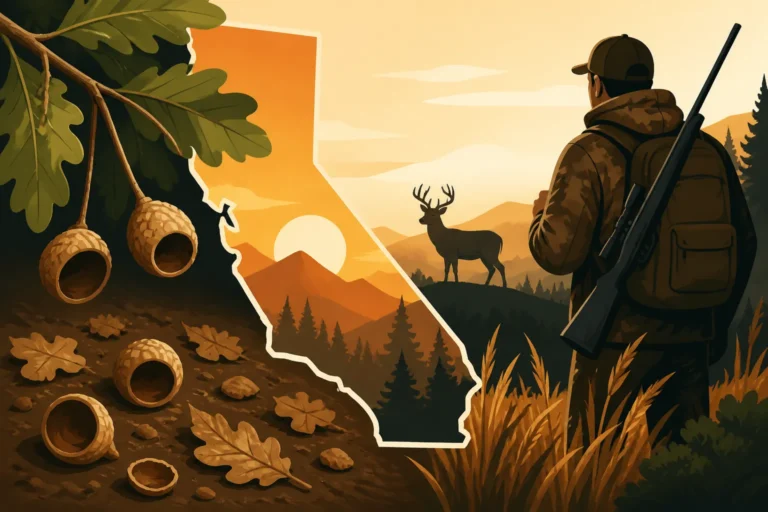
California deer hunting during poor acorn years requires targeting alternative food sources and adapting to shifted behavioral patterns.
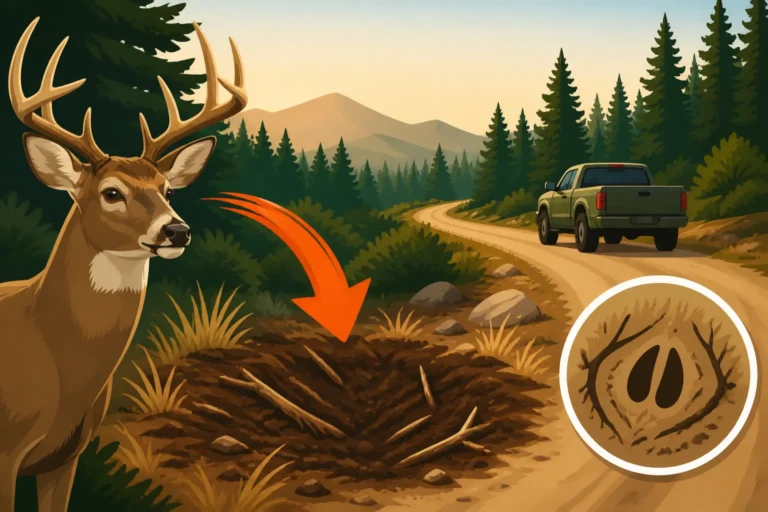
Roadside scrape lines along forest service roads provide bucks with travel corridors and scent-dispersing billboards for communication.
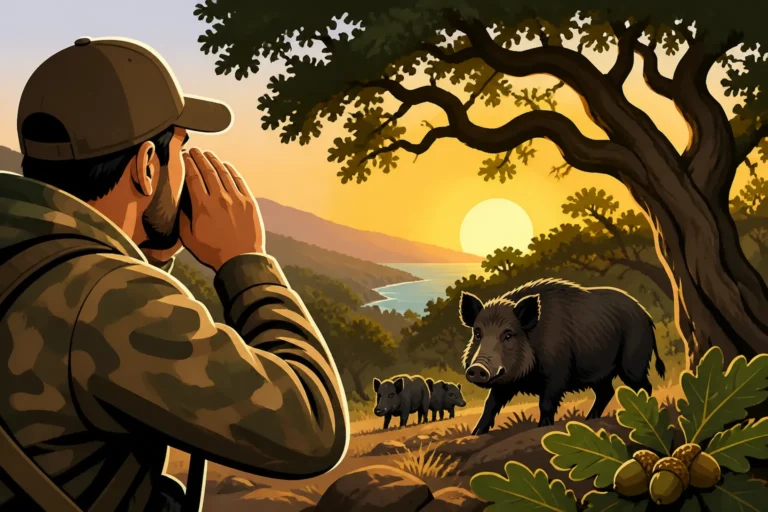
Grunt calls in California coastal oak timber help hunters draw wary blacktail bucks out of dense brush during the rut.
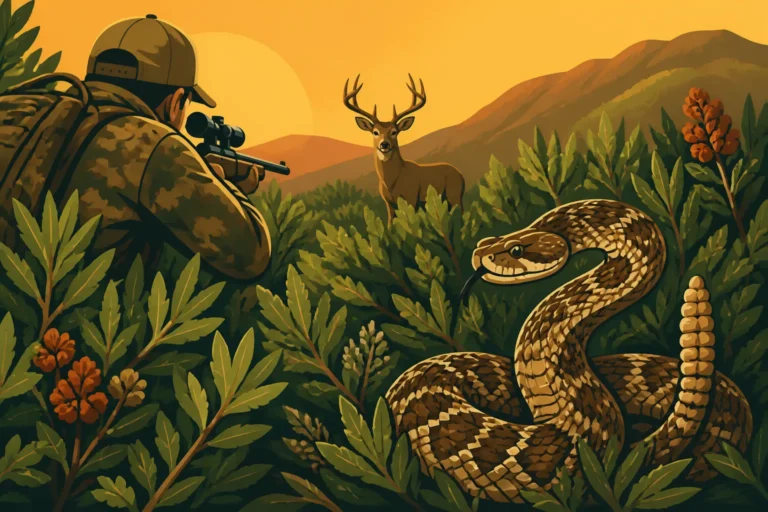
California blacktail deer hunting strategies explain how adjusting rattling volume pulls bucks out of dense chaparral cover.
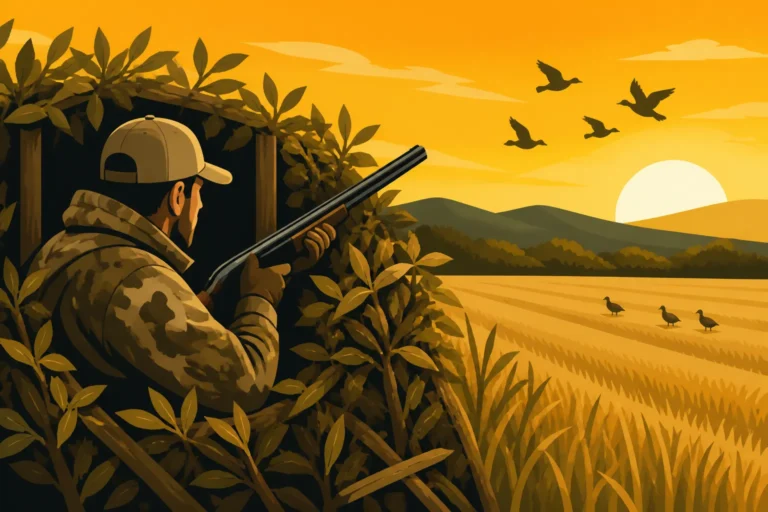
Proper blind brushing techniques break up harsh silhouettes and help ground blinds blend seamlessly into the California landscape.
Ground blinds on California Bureau of Land Management acreage provide concealment and weather protection for deer hunters.