Why You Cannot Hunt California Mountain Lions
It’s a question that echoes across many a campfire and internet forum in California: "Why can't we hunt mountain lions here?" For anyone who has spent time in the state's wild places, encountering a mountain lion (or just their tracks and sign) is a powerful, humbling experience. But for those of us who also participate in hunting, the inability to pursue this apex predator can feel like a contradiction, especially when we see them thrive and impact other game species. This guide will delve into the deep roots of why California’s mountain lions hold a unique protected status, exploring the historical journey, the current legal landscape, and the ongoing ecological debates that shape their management—or lack thereof—in our state.
The Journey to Protection: A Look at California's Unique History with Mountain Lions
Unlike many other states where mountain lions are managed as a game species, California took a decidedly different path, one deeply influenced by public sentiment and ballot box initiatives. This isn't just a simple regulation; it's a reflection of how the state's citizens have viewed this elusive predator over decades. Understanding this history is crucial to grasping why the situation is as it is today.
From Varmint to Valued Predator: Shifting Perceptions
It might be hard to imagine now, but for a long time in California, mountain lions were classified as "varmints" or "bountied animals." This wasn't unique to California; across much of the American West, large predators were seen as threats to livestock and human expansion, something to be eliminated. State and federal programs often encouraged their eradication. Ranchers, in particular, suffered real economic losses from depredation, which fueled a desire to reduce lion populations. This period of intense persecution saw their numbers plummet, and their future looked grim.
However, as the 20th century progressed, public attitudes began to shift. A growing conservation movement, coupled with a deeper scientific understanding of ecosystems, started to challenge the "kill all predators" mentality. People began to appreciate the ecological role of apex predators like the mountain lion in maintaining healthy deer populations and overall biodiversity. The idea of managing them through sport hunting, as opposed to outright eradication, started to gain traction as a more modern approach. By the late 1960s, California officially reclassified mountain lions from varmints to game animals, allowing for regulated hunting seasons. This was a significant step, signaling a move towards sustainable management rather than wholesale elimination.
The Moratorium and Proposition 117
The classification as a game animal, however, was short-lived in the grand scheme. Just a few years later, in 1972, a moratorium was placed on lion hunting in California. This was a temporary halt, intended to allow for more studies on their population dynamics and to address growing public concern about their conservation status. This moratorium was extended repeatedly by the state legislature, indicating a growing sentiment that perhaps lions needed more protection than a typical game animal.
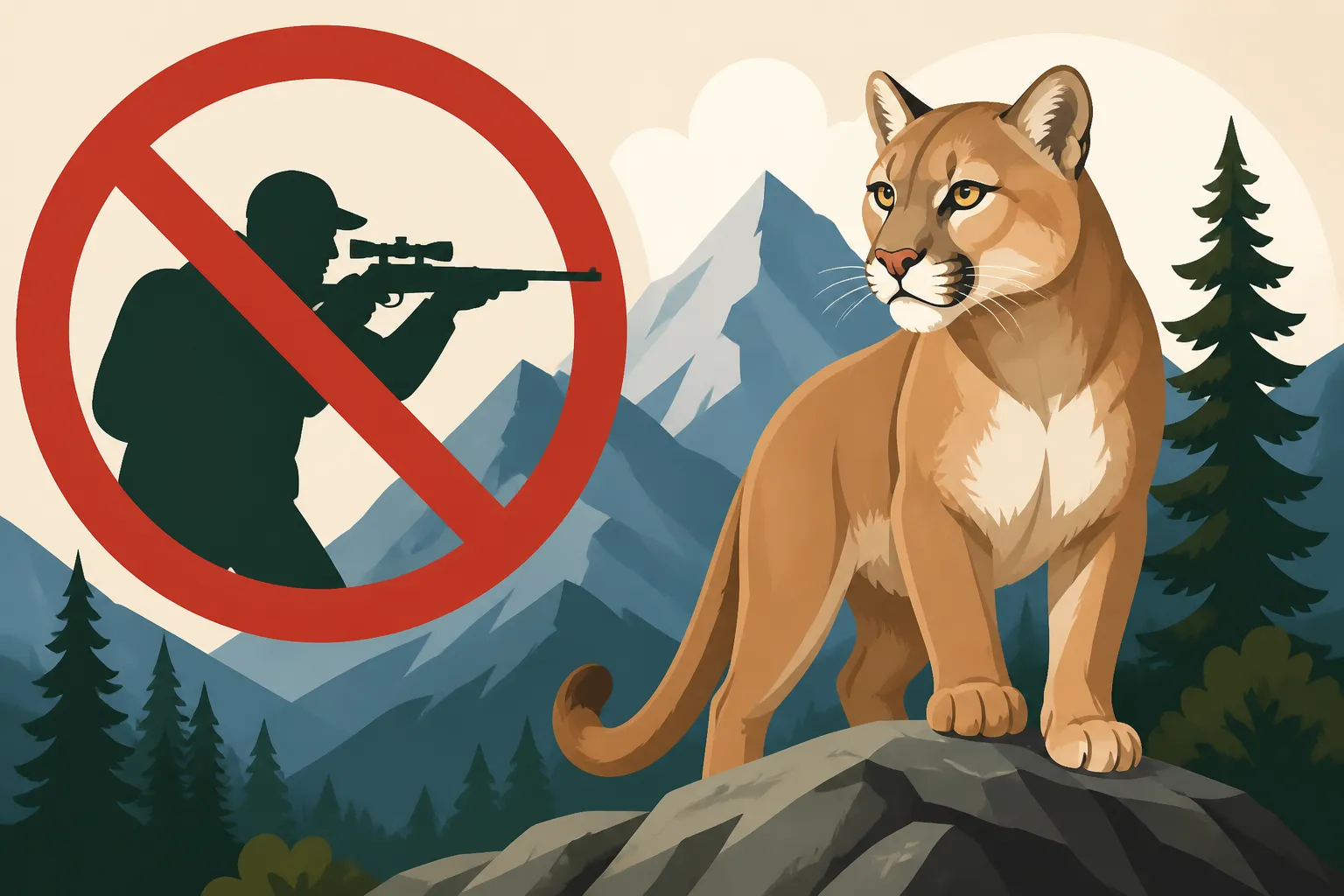
The real game-changer came in 1990 with the passage of Proposition 117, a statewide ballot initiative. This initiative enshrined mountain lion protection into law, effectively banning all sport hunting of mountain lions in California. It also designated the mountain lion as a "specially protected mammal." This wasn't just a regulatory change; it was a constitutional amendment, making it extremely difficult to reverse. The public, by a direct vote, decided that mountain lions would not be hunted for sport. This was a landmark decision that set California apart from most other states in the Western U.S. that continue to have regulated mountain lion hunts. This means if you're looking at California's Multi-Zone Deer Season System or trying to understand California's 1,700-Bear Statewide Quota, you'll notice a stark difference in how mountain lions are treated.
The Current Legal Status: "Specially Protected Mammal"
The phrase "specially protected mammal" isn't just bureaucratic jargon; it carries significant legal weight and defines the entire relationship between humans and mountain lions in California. It means they are not managed as a game animal, and their pursuit for sport is strictly prohibited. This legal framework shapes everything from how the state monitors their populations to what recourse landowners have when lions impact their property.
No Sport Hunting, Ever (for now)
Under Proposition 117, the sport hunting of mountain lions is completely forbidden. This means no tags, no seasons, no bag limits, and no specific hunting methods are authorized for recreational take. For many hunters, this can be frustrating, especially when they see evidence of robust California Mountain Lion Population Estimate and wonder about their impact on other species like Columbia Blacktail and Mule Deer in California. However, the law is clear: pursuing a mountain lion with the intent to harvest it for sport is illegal and carries stiff penalties. This is a fundamental difference between California and states like Colorado, Arizona, or Idaho, where lion hunting is often a challenging and respected pursuit.
This "no sport hunting" rule extends to all forms of recreational take, whether by rifle, archery, or hound hunting. While hound hunting for bears is permitted in some areas under specific conditions, mountain lions are entirely off-limits. If you're using resources like GoHunt to research hunting opportunities, you'll find that California's mountain lion regulations stand out as a unique case among Western states.
Depredation Permits and Public Safety
While sport hunting is banned, there are very specific, tightly regulated circumstances under which a mountain lion can be legally killed. These fall primarily into two categories: depredation permits and public safety incidents.
A depredation permit can be issued to a landowner who has experienced verifiable livestock or domestic animal loss due to a mountain lion. This isn't a blanket permit to kill any lion seen on the property. There's a stringent process involved:
- The landowner must contact the California Department of Fish and Wildlife (CDFW) immediately after a depredation incident.
- CDFW wardens or authorized personnel investigate the site to confirm that a mountain lion was indeed responsible for the loss. This often involves examining tracks, kill sites, and the nature of the injury to the livestock.
- If confirmed, a permit may be issued to the landowner or a designated agent (often a professional trapper or hunter) to take the specific depredating lion.
- These permits are highly localized and target-specific. The goal is to remove the individual animal causing the problem, not to reduce the overall lion population in the area.
- Even with a depredation permit, there are often strict timelines for when the lion must be taken and reporting requirements.
Public safety incidents are another situation where a mountain lion may be killed. If a mountain lion poses an imminent threat to human life or safety, authorized personnel (such as law enforcement or CDFW wardens) may take lethal action. This is usually a last resort, after attempts to haze or tranquilize the animal have failed, or if the threat is immediate and unavoidable. For example, a lion repeatedly showing aggressive behavior towards people in a populated area might be deemed a public safety threat. These incidents are rare but highlight that while protected, human safety remains paramount. These situations are a world apart from recreational hunting, and they are not opportunities for individuals to hunt lions.
Ecological Considerations and Management Challenges
The decision to protect mountain lions in California wasn't made in a vacuum. It was, and continues to be, influenced by ecological considerations, population dynamics, and ongoing debates about their role in the ecosystem. Managing a protected apex predator presents a unique set of challenges that differ significantly from managing game species.
Population Dynamics and Research
Despite the ban on sport hunting, the CDFW still monitors mountain lion populations. Researchers use various methods, including GPS collaring, scat analysis, remote cameras, and genetic studies, to estimate California Mountain Lion Population Estimate and understand their movements, diet, and overall health. These studies are crucial for understanding their impact on prey species, particularly deer. For example, if you're interested in California Deer Harvest Records or how deer populations fluctuate, mountain lion presence is an undeniable factor.
Some conservation groups and wildlife advocates argue that the protected status is essential for maintaining a healthy and stable lion population, ensuring genetic diversity, and preserving their natural role as an apex predator. They emphasize that healthy lion populations indicate a healthy ecosystem. On the other hand, some hunters and landowners voice concerns that without management via hunting, lion numbers can grow unchecked in certain areas, potentially leading to increased depredation on livestock and a decline in deer populations. This is a complex biological question with no easy answers, as predator-prey dynamics are influenced by many factors, including habitat, weather, and other predator species.
The Predator-Prey Debate: Deer and Livestock
One of the most persistent debates surrounding California's mountain lion protection involves their impact on deer herds. Mountain lions are primary predators of deer, and where lion populations are dense, they can exert significant pressure on deer numbers. For hunters pursuing Rifle Hunting California's General Deer Season or Bowhunting California's Zone A Season, seeing robust lion sign can be a source of frustration, as they often perceive a direct link between high lion numbers and lower deer harvest opportunities.
The argument for regulated hunting often centers on the idea that it can help balance predator and prey populations, potentially leading to healthier, more robust deer herds by removing older, less productive lions or preventing overpopulation in specific areas. However, scientific studies on the exact impact of lion hunting on deer populations are complex and often show varied results depending on the specific ecosystem. Many factors influence deer populations, including habitat quality, drought, disease (like California's Emerging CWD Concern), and other predators.
For ranchers, the issue of depredation is very real and tangible. Losing a calf or a lamb to a mountain lion represents a direct economic blow. While depredation permits offer some recourse, they are reactive, not preventative. This leads some to advocate for more proactive management strategies, including the possibility of controlled hunting seasons, to reduce the likelihood of these devastating losses. Organizations like GoHunt provide resources for hunters to understand game management in other states, offering a stark contrast to California's approach.
Coexisting with a Protected Predator
Since mountain lions cannot be hunted for sport, coexistence becomes the primary management strategy for the public. This involves a range of proactive measures, especially in areas where human development interfaces with lion habitat:
- Securing Livestock: Ranchers are encouraged to use predator-proof fencing, guard dogs, and secure enclosures for livestock, especially at night.
- Pet Safety: Keeping pets indoors at night, on leashes when hiking, and supervising them outdoors, especially in rural or wildland-adjacent areas, is critical.
- Education: Public education campaigns help people understand mountain lion behavior, how to avoid encounters, and what to do if an encounter occurs. This includes not hiking alone, making noise, and knowing how to react if a lion is spotted.
- Habitat Management: Efforts to preserve and restore natural habitats can help ensure lions have ample prey and space, reducing the likelihood of them venturing into human-dominated areas in search of food.
Ultimately, California's approach to mountain lion management is deeply rooted in a unique historical decision driven by its voters. It represents a commitment to protecting this iconic species, even as it creates ongoing discussions and challenges for wildlife managers, hunters, and landowners alike. Whether this approach remains sustainable in the long term, particularly as human populations expand and climate patterns shift, is a question that continues to be debated.
| Feature | California Mountain Lion Management | Typical Game Management (e.g., California Black Bear) |
|---|---|---|
| Status | Specially Protected Mammal | Game Species |
| Sport Hunting | Prohibited by law | Allowed with appropriate tags and seasons |
| Season Dates | N/A | Defined annual seasons (e.g., California Bear General Season Dates) |
| Bag Limit | N/A | Specific limits (e.g., one bear per hunter) |
| Tags Required | N/A | Annual tag purchase (e.g., California Bear Tag Costs) |
| Depredation Control | Highly regulated permits for confirmed loss | Permits for confirmed loss, often with broader options |
| Population Goal | Maintain healthy, self-sustaining population | Maintain healthy population while providing hunting opportunities |
| Public Safety Kills | Authorized for imminent threat | Authorized for imminent threat |
Disclaimer
This article is for general informational purposes only and does not constitute professional advice. Laws, prices and regulations vary by location and change over time. Consult a qualified professional for guidance on your specific situation.