Finding Access Near San Diego
Finding good hunting access near a major metropolitan area like San Diego can feel like searching for a needle in a vast, urbanized haystack. Many hunters get discouraged, assuming all the prime spots are locked up behind private gates or simply too far away. But don't despair! This guide is here to break down the reality of hunting access in the San Diego region, offering practical advice and strategies to help you uncover those hidden opportunities and make the most of your time afield.
Navigating Public Land Opportunities Near San Diego
When you live close to a sprawling city like San Diego, the idea of finding wide-open public land for hunting can feel almost impossible. The truth is, while it's not like the vast wilderness of northern California, opportunities do exist. It just takes a bit more research, perseverance, and often, a willingness to drive a bit and hike even further. We're talking about areas managed by federal agencies that are specifically open to public hunting, offering a genuine taste of California's diverse landscapes.
Understanding Bureau of Land Management (BLM) Land
BLM land is often the unsung hero for public land hunters, especially in Southern California. These lands are managed for multiple uses, which thankfully includes hunting. Near San Diego, you'll typically find BLM lands east of the city, stretching into the desert and more arid foothills. What you'll encounter on BLM land is often raw, untamed landscape: scrub brush, rocky washes, and sparse vegetation, perfect for species that thrive in these environments. It's a rugged, often remote experience, far from the manicured parks you might associate with urban areas.
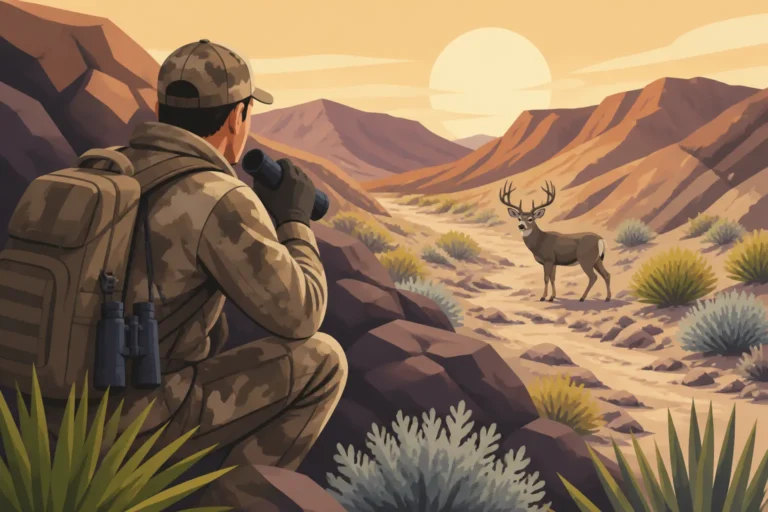
Hunting on BLM land requires a different mindset. You're not going to find developed trail systems or abundant water sources in many spots. This means you need to be self-sufficient, carrying all your water, knowing your navigation, and being prepared for extreme weather swings. The upside? Less pressure in some of the more remote pockets. You might be targeting rabbits, quail, or even the occasional deer if you're in the right zone and have the right tag. These areas often present fantastic opportunities for Hunting a California BLM Desert Wash for Deer or pursuing various small game.
Exploring National Forests within Reach
While San Diego itself isn't nestled directly against a massive national forest like some other California cities, the Cleveland National Forest is within a reasonable drive and offers significant hunting opportunities. Unlike BLM lands which can feel more like open range, national forests often present more varied terrain, from chaparral-covered hillsides to higher elevation pine and oak woodlands. These areas are generally more vegetated and offer different types of cover and habitat.
The Cleveland National Forest, for instance, spans parts of San Diego, Riverside, and Orange counties. It's a vast landscape with elevations ranging from near sea level to over 6,000 feet, creating diverse ecosystems. Hunters here might pursue deer, wild pigs, quail, and even some predator species. Access can be via forest service roads, but often the best hunting requires getting off the beaten path and tackling some steep climbs. Familiarizing yourself with maps and regulations specific to the Cleveland National Forest is key, as some areas might have special restrictions or seasonal closures.
Specific Public Hunting Areas in San Diego's Orbit
Let's get down to the nitty-gritty and look at some of the actual spots where you can put boots on the ground. When you're near a population center, knowing the names of the places that genuinely offer hunting opportunities is the first step toward planning a successful outing. These aren't necessarily "secret spots"—they're publicly accessible areas that require effort and knowledge to hunt effectively.
Cleveland National Forest Units
The Cleveland National Forest is divided into three main Ranger Districts: Trabuco, Palomar, and Descanso. Each offers unique terrain and challenges.
-
Palomar and Descanso Districts: These districts are arguably the most relevant for San Diego area hunters. The Palomar Ranger District, northeast of San Diego, includes portions of the Laguna Mountains and Palomar Mountain. It's characterized by rugged mountains, pine forests at higher elevations, and chaparral lower down. The Descanso Ranger District, directly east of San Diego, encompasses areas like the Cuyamaca Mountains and the Pine Valley region. Here, you'll find a mix of dense chaparral, oak woodlands, and some scattered conifer stands. Both districts offer opportunities for deer (primarily blacktail/mule deer hybrids), quail, and other small game. Successful hunting often involves extensive Hunting Southern California's Chaparral Foothills, navigating dense cover, and understanding how deer use the terrain. Vehicle access can be limited to designated roads, so be prepared to hike.
-
Challenges and Considerations: One major consideration in the Cleveland National Forest, particularly in the drier months, is fire restrictions and closures. It's absolutely critical to check the forest's current status before heading out. Water is also a concern; natural springs can be unreliable, so always pack more than you think you'll need. Hunting pressure can be moderate to high on weekends, especially near popular access points, so consider hunting during the week or pushing into more remote areas.
Eastern San Diego County BLM Lands
Beyond the Cleveland National Forest, stretching further east into Imperial County and the vast expanses of the California desert, are significant tracts of BLM land. These areas offer a completely different hunting experience compared to the chaparral-covered mountains closer to the coast. We're talking about classic desert landscapes: vast open spaces, saguaro cactus, creosote bushes, and rugged mountains in the distance.
-
Anza-Borrego Desert State Park Area (Outside Park Boundaries): While Anza-Borrego Desert State Park itself does not allow hunting, the surrounding BLM lands offer opportunities. This region is known for its incredible scenery, but also its tough hunting conditions. Game here includes desert mule deer, although tags are highly coveted and draw odds are low. More commonly, hunters pursue quail (Gambel's quail in particular), rabbits, and coyotes. The key to hunting these areas is extreme preparation for heat, lack of water, and navigation. Using tools like onX Layers for California Land Status can be invaluable here, helping you discern public from private and state park boundaries that prohibit hunting.
-
Targeting Specific Game: For small game, focusing on washes, brushy draws, and areas with even minimal water sources can be productive. For deer, understanding their movement patterns in such arid environments—often centered around sparse water or specific browse—is crucial. Glassing vast expanses with good optics is a primary tactic in these open desert environments, much like Glassing Mule Deer in Open California Country.
Understanding Regulations and Access Limitations
Hunting in California, especially in areas with unique ecosystems like Southern California, comes with its own set of rules and limitations. It's not just about finding a spot; it's about knowing what you can hunt, when, and with what equipment. Ignoring these details can quickly turn a hopeful outing into a frustrating or even illegal one.
California's Non-Lead Ammunition Mandate
One of the most significant regulations for all hunters in California is the statewide non-lead ammunition requirement. This isn't just a suggestion; it's the law for all game species. For hunters new to the state or those transitioning from other areas, this is a critical piece of information that affects everything from your rifle choice to your budget.
-
Impact on Gear and Performance: This mandate means you'll be using copper, brass, or other non-lead alloys for your rifle, shotgun, and handgun ammunition. Finding the right non-lead bullet for your rifle and ensuring it shoots accurately is paramount. It's not uncommon for hunters to need to re-zero their rifles or even experiment with different brands and bullet weights to find what performs best. This can be an added cost and time commitment, but it's a necessary part of Choosing Non-Lead Rifle Ammunition in California. You must ensure any ammunition you carry afield is certified non-lead.
-
Availability and Planning: While non-lead ammo is widely available now, it's still wise to plan ahead, especially before popular season openers. Don't wait until the last minute to buy your ammunition or confirm your rifle's accuracy with it. Supply chain issues can always pop up, and you don't want to be scrambling right before opening day. Understanding How Non-Lead Bullets Pattern at Long Range and practicing with them at various distances is crucial for ethical shots.
Seasonal and Area-Specific Restrictions
Beyond the non-lead rule, certain areas near San Diego might have specific seasonal restrictions, fire closures, or special access permits. Always double-check with the managing agency before you go.
-
Fire Closures: The risk of wildfire in Southern California is very real, especially during the hotter, drier months. National Forests and BLM lands are frequently subject to temporary or even extended closures during periods of high fire danger. A quick check of the Cleveland National Forest website or a call to the local BLM field office can save you a wasted trip. Always adhere to these closures; they are for your safety and the preservation of the land.
-
Weapon Restrictions and Specific Permits: While most public lands allow general hunting with appropriate tags, some areas might have restrictions on certain weapon types, or require specific permits beyond your standard hunting license and tags. For example, some wildlife areas or ecological reserves might have lottery draws or special sign-in procedures. Always check the CDFW regulations for the specific area you intend to hunt. This is especially true if you are contemplating Hunting a California State Park Deer Quota Hunts, which operate under very specific rules.
| Public Land Type | Typical Terrain | Common Game Species | Primary Challenges | Access & Regulations |
|---|---|---|---|---|
| BLM Land (East/Desert) | Arid, rocky, chaparral, washes | Quail, rabbits, coyote, desert deer | Heat, water, navigation, remoteness | Open access, non-lead ammo, fire restrictions apply |
| Cleveland National Forest | Mountains, chaparral, oak/pine woodlands | Blacktail/mule deer, quail, pigs | Steep terrain, dense brush, fire closures | Designated roads, non-lead ammo, specific forest rules |
Exploring Private Land Options and Permissions
While public land offers a tangible starting point, the sheer volume of hunters in popular areas can sometimes make success elusive. This is where exploring private land options can really shine. It’s definitely more challenging to secure access, but the rewards—often less crowded conditions and potentially better game quality—can be well worth the effort.
Knocking on Doors: The Old-Fashioned Approach
In a world dominated by digital maps, the personal touch of asking for permission might seem outdated, but it's still one of the most effective ways to gain access to private land. San Diego County has its share of agricultural land, rural properties, and ranches, especially as you move away from the immediate coast. These landowners often deal with issues like wild pig damage, deer browsing, or coyote predation, and a polite, well-prepared hunter can be a solution to their problems.
-
Preparation is Key: Don't just show up unannounced. Research the area, identify potential properties, and then approach landowners respectfully. Dress presentably, have your hunting license and proof of insurance (if you have it) ready, and clearly explain what you're looking for. Offer to help with specific problems, like controlling wild pigs. Knocking on Doors in California Ranch Country requires patience and a good attitude. Many "no's" are common, but that one "yes" can open up amazing opportunities.
-
Building Relationships: If you do secure permission, treat the land and the landowner with the utmost respect. Follow all their rules, report back on your efforts, and perhaps even offer some of your harvest as a thank you. Building a relationship can lead to long-term access, not just for you but potentially for others in the future. Remember, you're representing all hunters when you interact with landowners.
Considering Hunting Leases and Clubs
For those looking for a more consistent private land experience without the constant search for permission, hunting leases or joining a hunting club can be viable, though often more expensive, options. While leases are more prevalent in other parts of California (like for duck hunting in the Central Valley), they do exist for big game and upland birds in some parts of Southern California.
-
Hunting Clubs: Joining a hunting club, especially one that manages properties in the general San Diego region or further east, can provide consistent access. These clubs typically operate on a membership fee basis and often have rules designed to manage pressure and ensure quality hunting. They handle the landowner relationships and property management, leaving you to focus on the hunt. The cost can vary wildly depending on the exclusivity and amenities, but it's an investment in reliable access.
-
Leasing Private Land: Direct leasing of private land is another avenue, though it generally requires a more significant financial commitment. Landowners might lease their property for a season or even multiple years. This often happens with larger ranches or agricultural properties. While it's less common for individual hunters to lease prime deer or pig ground near San Diego compared to, say, a waterfowl blind, it's not impossible, especially if you can form a small group to share the cost. Finding a California Hunting Lease can sometimes be done through word of mouth, real estate listings, or specialized hunting brokerage services.
Gear and Scouting Strategies for Southern California
Hunting near San Diego means dealing with unique terrain and weather. You're often looking at dry, brushy hills, steep canyons, and a climate that can swing from scorching hot to surprisingly chilly, sometimes within the same day. Having the right gear and a solid scouting strategy isn't just helpful; it's essential for success and safety.
Essential Gear for Southern California Hunts
Forget the heavy insulated gear of colder climates; Southern California hunting demands a focus on layers, hydration, and good navigation.
-
Footwear: Rugged, supportive hiking boots are a must. You'll be traversing rocky, uneven terrain, often with loose gravel and steep inclines. Good ankle support and a durable sole are non-negotiable. Look for boots that breathe well, as even cooler days can involve strenuous activity that generates heat. Best Boots for Dry Desert Wash Hunting would be a good starting point for your research.
-
Clothing: Layering is king. Start with moisture-wicking base layers, add a breathable mid-layer, and carry a lightweight outer shell for wind and cooler temperatures, especially at dawn and dusk. Camouflage patterns that mimic chaparral, dry grass, or rocky desert are ideal. Remember that mornings can be cold, but mid-day can be extremely warm, so being able to shed layers is crucial. For early season hunts, especially, you'll need strategies for Staying Cool During a Hot Zone A Hunt.
-
Optics: Given the generally open nature of much of the terrain—even in chaparral, you'll be trying to pick apart small openings—quality optics are indispensable. Binoculars (10×42 or 10×50 are popular) for general scanning and a good spotting scope for picking apart distant hillsides are highly recommended. A rangefinder is also critical for accurately judging distances in uneven terrain, particularly for Best Rangefinder for Sierra Canyon Shots or any long-distance shots typical in open country.
-
Hydration and Safety: Always carry more water than you think you need, especially when venturing into the desert or during warmer months. A good hydration pack is often better than carrying multiple bottles. A reliable GPS device or mapping app like onX Hunt on your phone (with downloaded offline maps!) is non-negotiable for navigating unfamiliar public lands. A first-aid kit, signaling device, and communication plan are also crucial, as cell service can be spotty to non-existent in remote areas.
Effective Scouting Techniques
Pre-season scouting is where you turn potential spots into actual hunting locations. In Southern California, this means understanding the landscape, game habits, and pressure points.
-
Digital Reconnaissance: Start your scouting long before you ever set foot in the field. Utilize online mapping tools and apps. This is where tools like GoHunt and onX Hunt truly shine. They allow you to overlay public and private land boundaries, identify access roads, mark potential water sources, and pinpoint promising terrain features like saddles, draws, and dense cover. You can analyze topography for potential travel corridors and bedding areas, even from your couch. Reading Aerial Photos for Sierra Deer techniques are equally applicable to Southern California's varied terrain.
-
Boots-on-the-Ground Exploration: Once you have a few promising spots identified on your map, it's time to hit the field. Focus on finding fresh sign: tracks, scat, rubs, and beds. Look for natural funnels, pinch points, and areas where different types of habitat meet. Pay attention to water sources and preferred food types. During the off-season, you can learn a tremendous amount about game movement patterns without disturbing the animals during hunting season. Consider scouting early in the morning or late in the evening to identify common entry and exit routes. Scouting California Public Land Before Season is not just a good idea, it's a critical component of successful hunting.
-
Understanding Pressure: Public lands, especially closer to populated areas, will inevitably see hunting pressure. During your scouting trips, look for signs of other hunters: old boot tracks, spent casings, or heavily used access points. While it's tempting to hunt these "known" areas, often the most successful strategy is to find areas that are harder to access, requiring longer walks or more challenging climbs. This is where you might find deer that have been pushed into thicker cover or more remote pockets. Don't be afraid to put in the miles; it often pays off.
Disclaimer
This article is for general informational purposes only and does not constitute professional advice. Laws, prices and regulations vary by location and change over time. Consult a qualified professional for guidance on your specific situation.