Fresno County Public Land Access
Finding good public hunting land in California, especially in a diverse and expansive county like Fresno, can feel like trying to solve a complicated puzzle. You know there are vast areas out there – national forests, BLM land – but actually pinpointing the accessible spots, understanding the regulations, and navigating the challenging terrain is where most hunters get bogged down. This guide aims to demystify public land access in Fresno County, offering practical advice and strategies to help you unlock its hunting potential.
Understanding Fresno County's Public Land Landscape
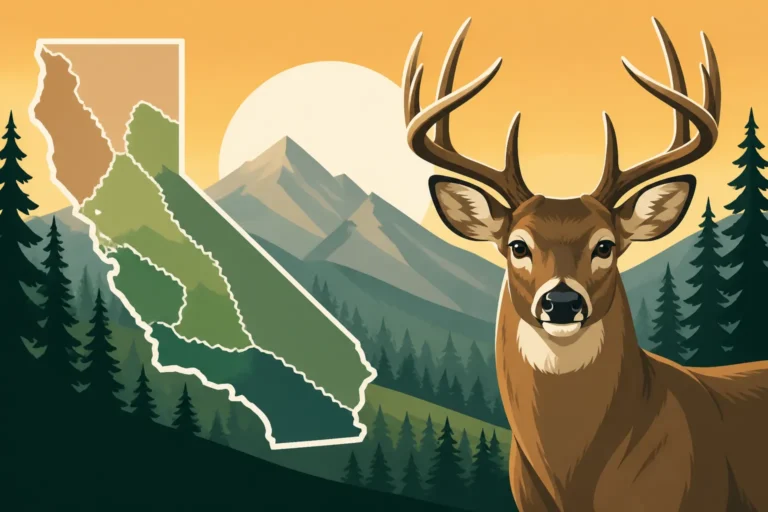
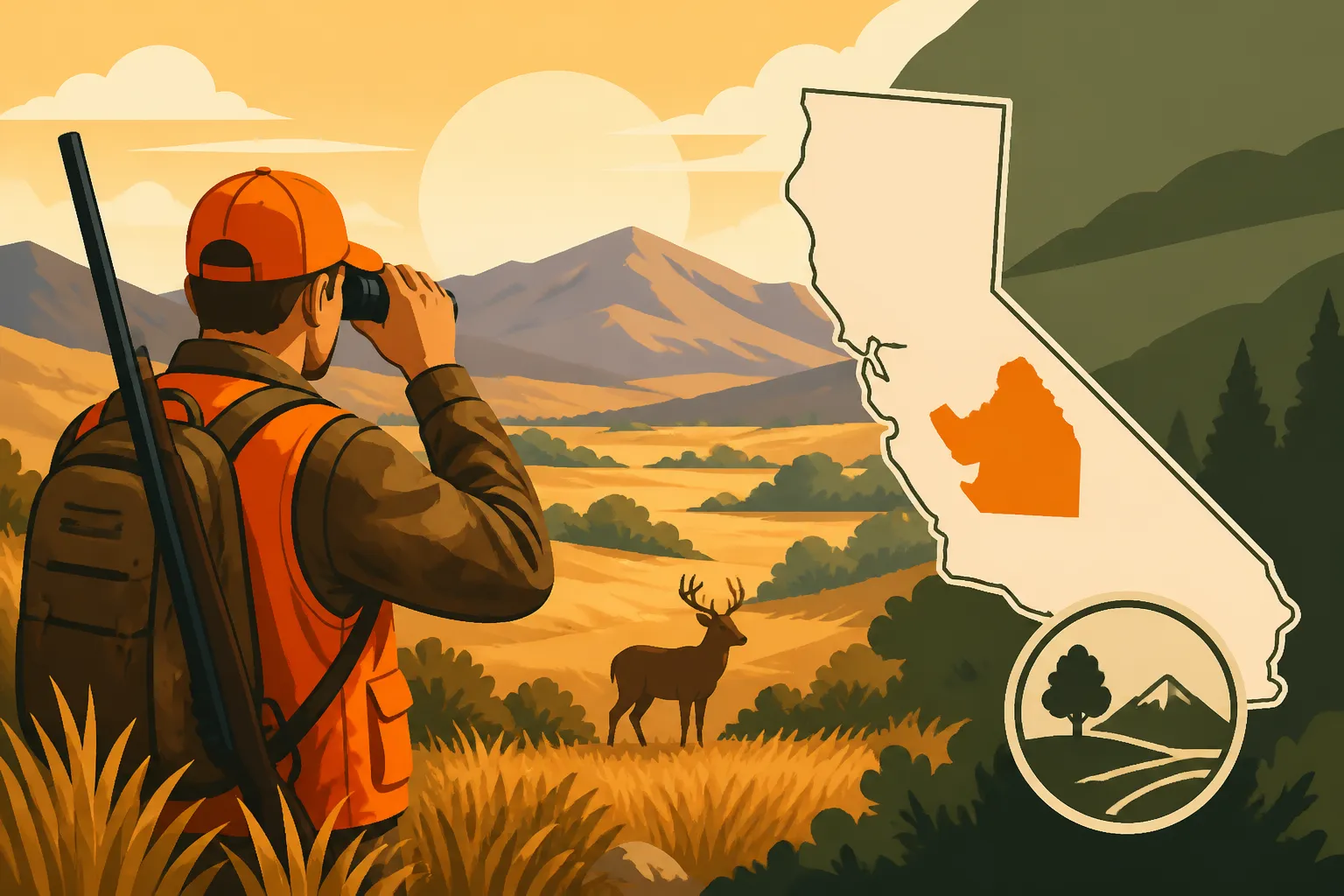
Fresno County is a true microcosm of California's hunting opportunities, stretching from the fertile Central Valley floor up into the rugged peaks of the Sierra Nevada. This incredible diversity means you'll find everything from oak woodlands and chaparral in the foothills to dense conifer forests and alpine meadows in the high country. But this vastness can also be overwhelming if you don't know where to start looking.
The majority of public hunting opportunities in Fresno County lie within the Sierra National Forest. This isn't just a few thousand acres; we're talking about over 1.3 million acres of wild land that offers significant deer, bear, and turkey hunting, among other species. Hunting California's Sierra Nevada Backcountry delves deeper into the general strategies for this type of terrain. The forest is characterized by steep canyons, high ridges, and often limited road access, especially as you climb in elevation. Below the main forest, you'll also find scattered parcels of Bureau of Land Management (BLM) land, particularly in the foothills and western fringes of the county. These BLM lands are typically drier, more open, and can offer unique hunting challenges and opportunities, especially for wild pigs and quail.
It’s easy to look at a map and see huge green or yellow swaths indicating public land and think, "Great, I'll just go there!" But the reality on the ground often involves intricate boundaries, private land checkerboarding, and access roads that might be seasonal, gated, or require high-clearance vehicles. Don't assume that a major road on a map means easy access to all the surrounding public land. Many areas require a good hike in, making physical conditioning and a solid pack setup crucial. Packs and Gear for a Backcountry Elk Hunt offers advice on preparing for demanding trips, much of which applies to a tough Sierra deer hunt.
Sierra National Forest: Your Primary Public Hunting Ground
When most hunters think of public land in Fresno County, the Sierra National Forest immediately comes to mind. This sprawling forest is the backbone of big game hunting here. From the early archery seasons in the foothills to the later rifle seasons in the high country, it offers diverse habitats for Columbia Blacktail and Mule Deer in California. You'll find areas with thick timber that require still-hunting tactics, as well as more open slopes and burn scars where glassing is key. The elevation changes significantly, which means weather can be drastically different from one end of your hunt area to the other.
Access points often involve Forest Service roads, some of which are well-maintained, while others can be rough, unpaved, and seasonally closed due to snow or fire activity. Always check the Forest Service website for current conditions and closures before heading out. Understanding the nuances of Wind and Thermals in Steep Sierra Country is also critical here, as the terrain can play tricks on scent control and animal movement. The forest also offers ample opportunities for Black Bear Hunting California's Spot-and-Stalk Season, especially around berry patches and acorn flats during the right time of year.
BLM Land: Hidden Gems and Unique Challenges
While less extensive than the National Forest, the scattered BLM parcels in Fresno County can be overlooked gems, particularly for those willing to do some extra research. These lands are generally at lower elevations, often characterized by oak woodlands, grass, and chaparral. They can be excellent for wild pigs, deer during migration or when driven down by snow, and upland birds like quail. Quail Hunting California Foothill Chaparral could provide more insight if you’re looking to pursue these fast-flying birds.
The challenge with BLM land often lies in its fragmented nature. You might find a promising block of public land, only to discover it's surrounded by private property with no legal access. This is where tools like onX Hunt become absolutely invaluable, allowing you to clearly see property boundaries and identify public access points, even if they're small easements or old fire roads. Always double-check county land maps and satellite imagery in conjunction with your GPS app to confirm your planned entry and exit routes.
Navigating Access Challenges and Regulations
Hunting public land in Fresno County isn't just about showing up with a tag; it requires careful planning, adherence to specific regulations, and a respectful approach to the land itself. The varied terrain and ecological sensitivities mean that rules are in place for good reason, and ignoring them can quickly derail your hunt or worse.
One of the biggest hurdles for many hunters is simply finding legal and practical access to huntable ground. A common frustration is seeing what looks like prime habitat on a map, only to find it's either landlocked by private property or the "road" leading to it is impassable. This is where diligent pre-season scouting, both virtually and physically, pays dividends. Furthermore, California's stringent non-lead ammunition requirement is a statewide rule that applies to all hunting, including in Fresno County. This means you must be using certified non-lead bullets for rifle, handgun, and shotgun hunting. For archery, broadheads still need to be ethical, but the lead component isn't an issue. Make sure you understand Choosing Non-Lead Rifle Ammunition in California and have your rifle sighted in with compliant loads.
Road Closures and Seasonal Access
The Sierra Nevada is notorious for its challenging weather, and this directly impacts road access on public land. Many higher-elevation Forest Service roads in the Sierra National Forest are seasonal, meaning they close during the winter months dues to snow and often don't reopen until late spring or early summer, depending on snowpack. This can drastically limit access during late-season deer hunts or early spring scouting missions. Fire closures are another significant concern, especially during dry summers and fall. Large sections of the forest can be closed to public entry for safety reasons, sometimes for extended periods.
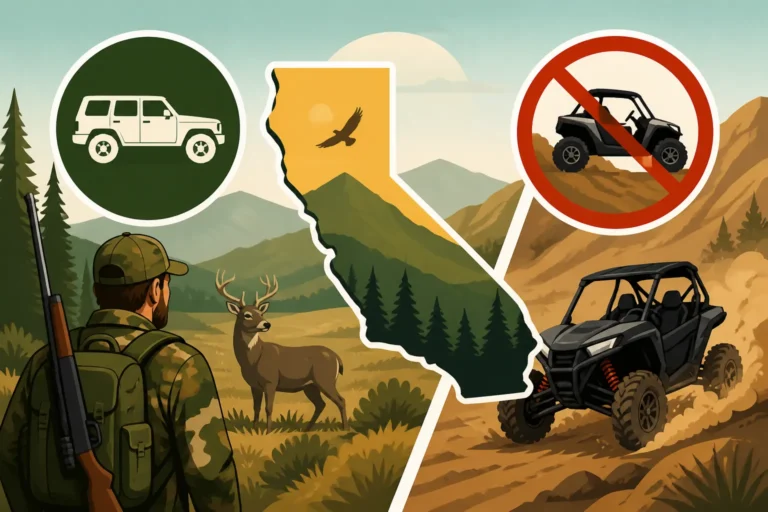
Before any trip, check the official websites for the Sierra National Forest and the CDFW for the latest information on road status and area closures. A sudden closure can mean canceling a trip or having to find entirely new hunting grounds, so staying informed is crucial. Also, be aware of what kind of vehicle you'll need. Many forest roads are unpaved, steep, and rocky, requiring a high-clearance 4×4, especially if you plan to go off the main arteries. Camping Rules on California National Forest Land can also help you understand permitted activities in these areas.
Understanding Boundaries and Private Inholdings
As mentioned, checkerboarding of public and private land is common in many parts of the Sierra Nevada and its foothills. You might be hunting what you believe is public land, only to inadvertently cross onto private property. This is not only illegal but can also lead to conflicts with landowners. Having a reliable mapping tool is absolutely essential here.
I always recommend using a robust mapping app like onX Hunt. It uses GPS to show your exact location relative to public and private land boundaries, making it incredibly easy to stay on the right side of the fence. You can even download maps for offline use, which is critical in areas with no cell service – a very common occurrence in Fresno County's more remote public lands. GoHunt is another excellent resource, particularly for researching draw odds and hunt units, though for day-to-day navigation in the field, onX Hunt is usually the preferred tool for visualizing property lines. Always be respectful of private property, even if you just need to retrieve game. Do You Need Written Permission in California? is a good resource to review if you ever find yourself needing to cross private land.
| Public Land Type | Primary Location in Fresno County | Key Features | Hunting Considerations |
|---|---|---|---|
| Sierra National Forest | Eastern half of the county, Sierra Nevada foothills and mountains | Diverse terrain: oak woodlands, chaparral, conifer forests, alpine, steep canyons | Deer, bear, turkey, grouse. Significant elevation changes. Seasonal road closures. Requires physical fitness. |
| Bureau of Land Management (BLM) | Scattered parcels in foothills, western Fresno County | Drier, more open, oak woodlands, grasslands, chaparral, often fragmented | Wild pigs, deer (lower elevation), quail. Access can be tricky due to private land. Watch for trespass. |
| Wildlife Areas (CDFW) | Limited, specific units (e.g., San Luis Obispo WA extends into SW Fresno) | Managed habitats, often valley floor/wetlands | Primarily waterfowl, upland birds. Specific regulations and often require reservations or permits. |
Tools and Strategies for Successful Public Land Hunting
Successfully hunting Fresno County's public lands requires more than just a hunting license and a rifle. It demands preparation, the right gear, and a strategic mindset. Many hunters get discouraged by the effort involved, but those who put in the work often find rewarding experiences. Rifle Hunting California's General Deer Season offers a broad overview of tactics applicable here.
Scouting is paramount. You can't just show up on opening day and expect to find animals consistently. Modern tools have revolutionized how we scout, but boots on the ground remain irreplaceable. Combining satellite imagery with physical reconnaissance is the most effective approach. Understand that public land generally sees more pressure, so finding areas that others overlook or are unwilling to hike into can be the key to success.
Mapping Apps and Digital Scouting
Before you even step foot in Fresno County, you should be pouring over maps. Satellite imagery on apps like onX Hunt allows you to identify potential bedding areas, travel corridors, water sources, and natural funnels. Look for changes in vegetation, distinct ridges, saddles, and drainages. Pay attention to how different aspects (north vs. south-facing slopes) hold snow or green up at different times. Using an App for California BLM Land Status highlights how useful these tools are.
Once you've identified promising areas, cross-reference them with topo maps to understand the terrain's steepness. You can mark potential access points, possible glassing locations, and escape routes. Remember to download your maps for offline use, as cell service will likely be nonexistent in the more remote public lands. GoHunt can also be useful for researching specific hunt units and understanding success rates, helping you decide which areas might be worth focusing your detailed scouting efforts on.
Physical Scouting and Locating Game Sign
Digital scouting is a great start, but nothing beats putting boots on the ground. Visit your chosen areas during the off-season or before the season opens. Look for fresh tracks, droppings, rubs, and beds. Identify food sources like acorn flats, berry patches, or preferred browse. Pay attention to game trails and how animals navigate the terrain. This is also your chance to assess road conditions, identify potential camping spots, and mentally map out your approach and exit strategies. Scouting California Public Land Before Season provides comprehensive guidance on this vital pre-hunt activity.
When scouting, try to mimic hunting conditions. Walk quietly, stop often to listen, and use your binoculars (see Optics for California's Open-Country Deer Hunting for recommendations) to pick apart distant hillsides. This helps you get a feel for the land and builds confidence in your chosen spots. If you're targeting deer, understanding Where California Blacktail Bucks Bed is crucial to finding them during hunting season.
Gear Considerations for Fresno's Terrain
Given the varied and often rugged terrain of Fresno County, your gear choices can make or break a hunt.
- Footwear: Sturdy, broken-in hiking boots with good ankle support are non-negotiable for traversing steep, rocky, or brushy terrain. Waterproofing is a bonus, especially in higher elevations during early or late season.
- Layered Clothing: Temperatures can swing wildly from cold mornings to hot afternoons, particularly in the foothills. Layering allows you to adapt to changing conditions and stay comfortable.
- Optics: Good binoculars are essential for glassing open slopes and spotting deer or bear at a distance. A spotting scope can be incredibly useful if you plan to hunt the more open, high-country areas.
- Navigation: Beyond a mapping app, consider carrying a physical map and compass as a backup, and know how to use them. A satellite communicator can be a lifesaver in areas without cell service, allowing you to send emergency messages.
- Water: Always carry more water than you think you'll need, or a reliable water filter. Dehydration is a serious risk, especially during early season hunts in warm weather.
- Non-Lead Ammunition: Ensure your rifle is zeroed with California-legal non-lead ammunition. This is not optional and must be adhered to statewide.
By combining thorough digital and physical scouting with appropriate gear and a deep understanding of the regulations, Fresno County's public lands can offer some incredibly rewarding hunting experiences. It might not be easy, but the effort often leads to memorable hunts in some of California's most stunning landscapes.
Disclaimer
This article is for general informational purposes only and does not constitute professional advice. Laws, prices and regulations vary by location and change over time. Consult a qualified professional for guidance on your specific situation.