Santa Barbara County Public Hunting Access
Finding quality public hunting access in a beautiful, yet often densely populated, area like Santa Barbara County can feel like searching for a needle in a very scenic haystack. Many hunters worry that the pristine coastal hills and sprawling ranches mean private land is the only option, leaving public land hunters feeling squeezed out. This guide is here to walk you through the realities of public hunting in Santa Barbara County, highlighting where you can go, what to expect, and how to best prepare for a successful and ethical hunt in this unique part of California.
Understanding Santa Barbara County's Public Land Landscape
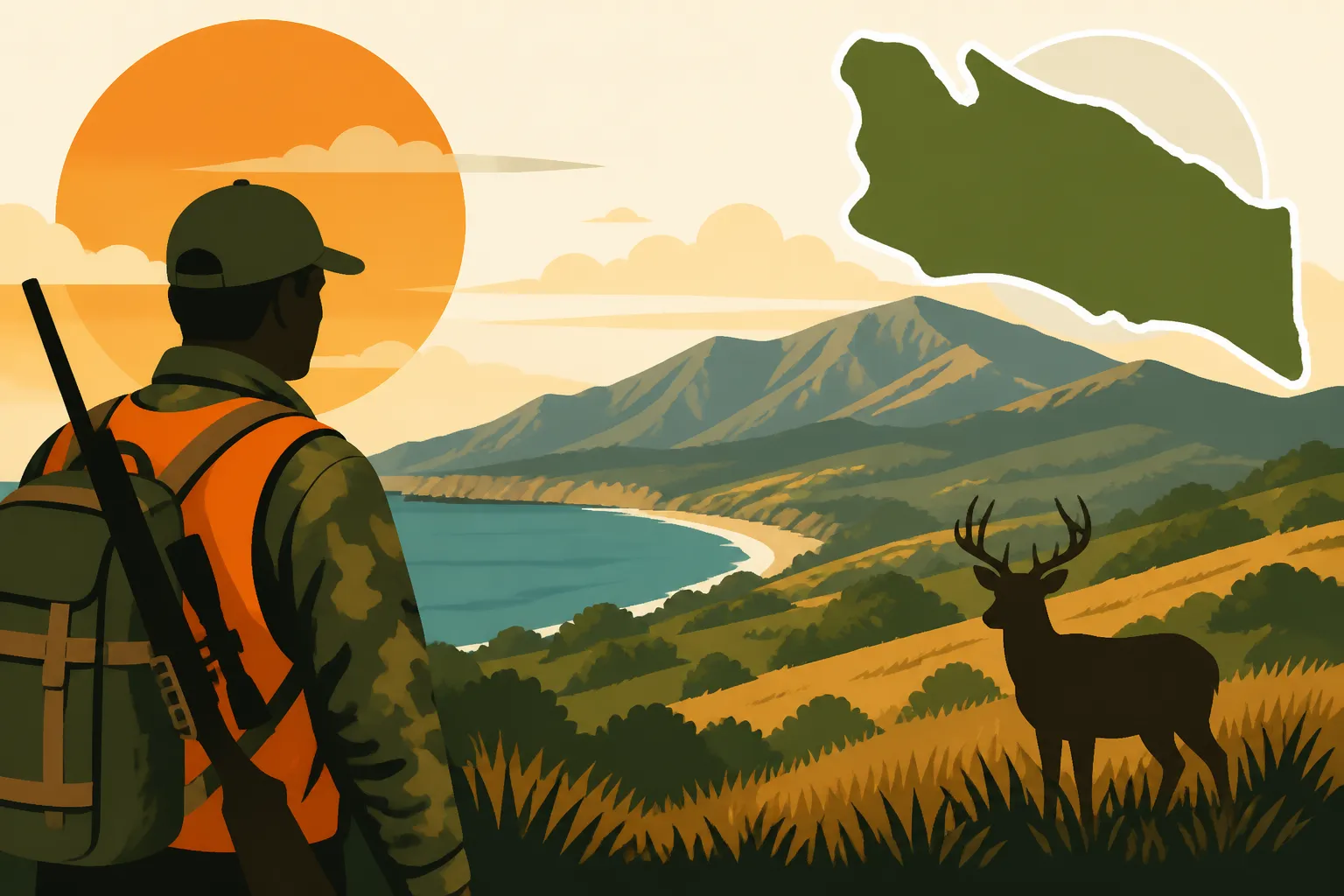
Santa Barbara County is a stunning region, known for its dramatic coastline, rolling hills, and expansive Los Padres National Forest. However, when it comes to public hunting, it presents a unique set of challenges and opportunities. Unlike some of the more overtly wild and remote corners of California, Santa Barbara County has significant population centers, varied land ownership, and a strong conservation ethic, all of which shape the public hunting experience. It’s not a place where you'll find vast, open tracts of easily accessible BLM land like in the desert, but rather a mix of national forest, some scattered Bureau of Land Management (BLM) parcels, and state lands with specific regulations.
The biggest player in Santa Barbara County's public hunting scene is undoubtedly the Los Padres National Forest. This enormous national forest spans across several counties, and a significant portion of it lies within Santa Barbara, offering hundreds of thousands of acres of huntable ground. However, "huntable" doesn't always mean "easily accessible." Much of the Los Padres is rugged, steep, and characterized by dense chaparral, oak woodlands, and high peaks. This terrain can be incredibly challenging, demanding a good level of physical fitness and solid navigation skills. While it holds deer, wild pigs, and some bear, these animals are often in areas that require significant effort to reach. You might not find vast, open fields, but rather deep canyons, brushy slopes, and remote ridges that see very little human pressure if you're willing to put in the work.
Beyond the national forest, smaller, often isolated parcels of BLM land exist, but they are fewer and further between than in other parts of the state. These can be tiny islands of public access surrounded by private ranchland, requiring careful scouting and precise navigation to ensure you don't trespass. State wildlife areas or ecological reserves are less common in Santa Barbara County compared to the Central Valley, and any that exist often have highly specific regulations or are closed to hunting entirely to protect sensitive ecosystems. The takeaway here is that public land hunting in Santa Barbara County isn't a walk in the park, but for those willing to put in the time and effort, it offers a truly wild experience.
Dominant Public Hunting Areas in Santa Barbara County
When you're thinking about chasing game on public land in Santa Barbara County, your focus will almost certainly turn to the Los Padres National Forest. This vast expanse offers the bulk of the opportunities, but it's crucial to understand its nature. The Los Padres is characterized by diverse ecosystems, from coastal sage scrub to dense chaparral and pine forests at higher elevations. This means your hunting strategy will need to adapt significantly based on the specific area you're targeting. For deer, you might be looking at coastal blacktails in the oak woodlands or mule deer in the higher, more open country. Wild pigs are abundant in many of the lower elevation oak-studded canyons, particularly those with water sources. Hunting Coastal Range Oak Woodlands can be incredibly productive, but also extremely challenging due to the thick cover.
Within the Los Padres, certain areas might offer better access or different game concentrations. For example, some regions closer to the interior might hold more deer, while areas with consistent water and acorn crops are prime for wild pigs. Road systems can be limited, and many designated wilderness areas within the national forest prohibit motorized vehicle access, requiring hunters to go in on foot or horseback. This means getting deep into the backcountry to escape pressure is very possible, but it also means packing out game will be a strenuous endeavor. Understanding the specific regulations for the Los Padres, including Hunting California's Los Padres National Forest and Hunting Los Padres's Backcountry Wilderness Areas, is paramount before you ever set foot in the field. This forest also falls under California's statewide non-lead ammunition requirement, so ensure your gear complies.
Navigating Public and Private Boundaries
One of the most persistent frustrations for hunters in Santa Barbara County, and indeed across much of California, is the patchwork quilt of public and private land. A stunning ridge that looks perfect for a glassing spot on a map might suddenly turn private just a few hundred yards in, or a promising canyon bottom could be surrounded by "No Trespassing" signs. This isn't just an inconvenience; it can lead to unintentional trespassing, which carries serious legal consequences and damages the reputation of all hunters. This is where modern technology becomes an invaluable tool.
Using a reliable mapping application like onX Hunt is practically non-negotiable for hunting in Santa Barbara County. These apps allow you to see property boundaries in real-time on your phone, even when you're out of cell service, using pre-downloaded maps. This gives you the confidence to know exactly where you stand, literally. You can identify public land fingers, isolated BLM parcels, and often see who owns the surrounding private property. Similarly, resources from GoHunt can provide valuable insights into tag allocations and public land access details, helping you plan your hunt more strategically. onX Layers for California Land Status can reveal a wealth of information, from wilderness boundaries to land management agencies, all critical for staying legal and safe. Always double-check your maps against physical signs on the ground, as technology is a tool, not a perfect replacement for situational awareness.
Essential Tools and Tactics for Santa Barbara County Hunters
Hunting in Santa Barbara County requires a specific approach. The terrain is often steep, the brush can be incredibly thick, and the weather can change dramatically from cool coastal mornings to hot, dry afternoons in the interior. This isn't flat country where you can rely on long-range glassing exclusively, nor is it dense timber where still-hunting is always the best bet. It's a hybrid environment that demands adaptability, physical fitness, and the right gear.
For deer, specifically the Columbia blacktail, understanding their habits in chaparral and oak woodlands is key. They are masters of using cover, and often bed down in incredibly dense thickets where visibility is minimal. This means you’ll often be hunting them at closer ranges than you might expect for deer. For wild pigs, their patterns around water, food sources (especially acorns), and bedding areas in heavy brush are predictable once you learn to read the sign. Bears, while present, are typically a bonus animal for deer hunters, found in areas with good food sources like berry patches or acorns. Hunting Coastal Range Oak Woodlands will give you a good starting point for understanding these animals' movements and preferred habitats.
Successful hunting in this region often involves a combination of patient glassing from strategic vantage points to locate animals moving at dawn and dusk, followed by careful, slow stalks through thick cover during the day. Water sources are magnets for game, particularly during the hotter parts of the season, so knowing how to Hunting a Water Seep at First Light can give you a significant advantage. The ability to climb steep slopes and navigate through dense brush quietly is paramount.
Gear Up for the Grind: What to Bring
Your gear selection can make or break a hunt in Santa Barbara County. Given the varied terrain and potential for extreme weather shifts, layering is critical. You might start a morning hunt in fog and cool temperatures near the coast and end up baking in the sun by midday just a few miles inland. Durable, breathable clothing that can stand up to abrasive brush is essential. Forget flimsy fabrics; you'll tear through them in a single morning. Layering for Hot-to-Cold Zone A Archery Days provides excellent advice on how to manage these temperature swings.
Footwear is another non-negotiable item. You need sturdy, broken-in boots with excellent ankle support and aggressive tread for navigating loose rock, steep inclines, and slippery creek crossings. Lightweight boots are often preferred to reduce fatigue on long treks, but they must be rugged enough to handle the abuse. Hydration is also paramount; carrying more water than you think you'll need is always a good idea, along with a reliable water filter if you plan to access natural water sources, as these are often limited.
Here’s a quick overview of essential gear considerations:
| Gear Category | Key Considerations for Santa Barbara County |
|---|---|
| Footwear | Sturdy, high-ankle support, waterproof (if wet season), aggressive tread for steep, brushy terrain. |
| Clothing | Layering system (base, mid, outer), durable rip-stop fabrics for brush, quiet materials, camo pattern matching oak/chaparral. |
| Optics | Good quality binoculars (8x-10x) for glassing dense cover and distant ridges; compact spotting scope optional for long-range identification. |
| Navigation | GPS device or phone app (onX Hunt highly recommended), backup physical map and compass, external battery pack. |
| Hydration | Water bladder (2-3L capacity), water bottles, purification tablets or filter. |
| Weapon/Ammo | Rifle or bow appropriate for game, non-lead ammunition exclusively, knowledge of California’s specific hunting regulations. |
| Game Recovery | Sharp field dressing knife, game bags, cordage for dragging/tying, headlight for packing out after dark. |
| Safety | First-aid kit, whistle, fire starter, satellite messenger (optional but recommended for remote areas), bear spray (if applicable). |
Remember, every ounce counts when you’re climbing steep hills all day. Prioritize quality and multi-use items to keep your pack weight manageable.
Scouting Smart: Before and During Your Hunt
Scouting is fundamental to success, especially in challenging public land environments like Santa Barbara County. This means more than just a quick drive-through a week before season. It involves year-round effort, both from your couch and on the ground. Start with topographical maps and satellite imagery using tools like onX Hunt or Google Earth to identify potential bedding areas, travel corridors, water sources, and pinch points. Look for subtle changes in vegetation, north-facing slopes that might hold moisture longer, or saddles that offer natural game crossings. You can often predict animal movement patterns by understanding the terrain and available resources.
Once you have some promising spots identified on your map, plan pre-season visits. This allows you to verify access, assess hunting pressure, look for fresh sign (tracks, scat, rubs, trails), and get a feel for the lay of the land without the pressure of a tag in your pocket. Pay attention to wind and thermals, especially in steep canyon country, as they play a huge role in how game moves and how you need to approach an area. Scouting California Public Land Before Season offers detailed strategies for making the most of your pre-hunt reconnaissance. During the season, use your map and observations to adapt your strategy. If a particular area isn't producing, don't be afraid to move and try a different spot, especially if you've done your homework and have backup locations identified.
Regulations and Responsible Hunting Practices
Hunting in California, and specifically in Santa Barbara County, comes with a host of regulations designed to ensure sustainable wildlife populations and public safety. Beyond general statewide rules, there can be specific restrictions within national forests or other public land units. It's your responsibility as a hunter to know and adhere to all applicable laws.
First and foremost, California’s non-lead ammunition requirement is universal for all hunting with firearms. This means any projectile used to take game must be certified as non-lead. This applies across the entire state, including all of Santa Barbara County's public lands. California's Non-Lead Ammunition Requirement is not something to overlook; game wardens actively enforce this law. Ensure you purchase and practice with non-lead ammunition well before the season.
Understanding the specific deer zones that cover Santa Barbara County is also critical for California's Multi-Zone Deer Season System. Depending on where you plan to hunt within the county, you might be in Zone A or a D-zone, each with different season dates, tag availability, and bag limits. Always consult the current California hunting regulations booklet (available from the California Department of Fish and Wildlife, or CDFW) before planning your hunt. Don't rely on old information or hearsay; verify everything.
Respecting the Land and Other Users
Public land in Santa Barbara County is shared by many user groups: hikers, mountain bikers, equestrians, and other outdoor enthusiasts. As hunters, it’s imperative that we conduct ourselves in a way that promotes respect for our sport and ensures safe, positive interactions. This includes being mindful of noise, leaving no trace, and being aware of non-hunters. Parking considerately, packing out all trash (including spent shell casings), and leaving gates as you found them are basic courtesies that go a long way.
Hunting responsibly also means knowing your shot, understanding your backdrop, and ensuring that your actions do not pose a risk to others. If you encounter other user groups, a friendly nod and a safe distance are usually sufficient. Remember that your behavior reflects on all hunters. Beyond other people, respect the wildlife. Ethical shot placement, prompt game recovery, and proper field care of your harvest are all part of responsible hunting. Field Dressing a Deer in Hot Weather or Recovering a Deer From a Steep Canyon are skills that every hunter needs to master, especially in challenging terrain. Leaving wounded game or gut piles inappropriately can attract scavengers to public use areas and create negative perceptions.
Permitting and Access Specifics
While the Los Padres National Forest is generally open to hunting with a valid California hunting license and tags, some areas might have additional permit requirements, special draw hunts, or seasonal closures. For example, some portions of the forest may close due to fire danger during hot, dry periods, which can impact prime hunting dates. Always check the Los Padres National Forest website for current alerts, restrictions, and fire information before heading out.
Similarly, any small parcels of BLM land or state wildlife areas might have unique access rules. While Santa Barbara County isn't brimming with state-managed public hunting properties like the Central Valley, it's always worth checking the CDFW's wildlife area regulations. Some areas may require a daily use permit or have specific entry points and restricted hours. Never assume; always verify. Taking the time to understand these nuances will prevent frustration and ensure a legal and enjoyable hunting experience. It’s also wise to check for California Area Closures in Season to avoid driving all the way out there only to find your access point locked.
| Public Land Type | Typical Game Species | Access Challenges | Key Regulations to Check |
|---|---|---|---|
| Los Padres National Forest | Deer, Wild Pig, Bear | Steep, dense brush, limited roads, wilderness areas. | Non-lead ammo, fire restrictions, specific zone dates. |
| Bureau of Land Management (BLM) | Deer, Wild Pig, Small Game | Scattered parcels, often isolated, access roads may be poor. | Non-lead ammo, specific parcel rules, adjacent private land. |
| State Wildlife Areas/Ecological Reserves | Very limited, check specific areas | Highly restricted access, specific hunting seasons, often draw-only or closed. | Individual area regulations, permit requirements. |
By thoroughly researching your chosen area, preparing appropriately, and always hunting ethically and legally, you can find fulfilling public land hunting opportunities in Santa Barbara County, even if it demands a little more effort.
Disclaimer
This article is for general informational purposes only and does not constitute professional advice. Laws, prices and regulations vary by location and change over time. Consult a qualified professional for guidance on your specific situation.