Glenn County Public Hunting Access
Finding a solid public hunting spot in California can feel like trying to find a needle in a haystack, especially in counties like Glenn where the landscape shifts dramatically from valley floor agriculture to rugged National Forest. It's a real challenge when you're dreaming of open spaces and the freedom to roam, only to be confronted with "No Trespassing" signs or seemingly endless private land. This guide is here to cut through that frustration, providing you with a clear roadmap to discover and successfully hunt the public access points available in Glenn County.
Understanding Glenn County's Public Hunting Landscape
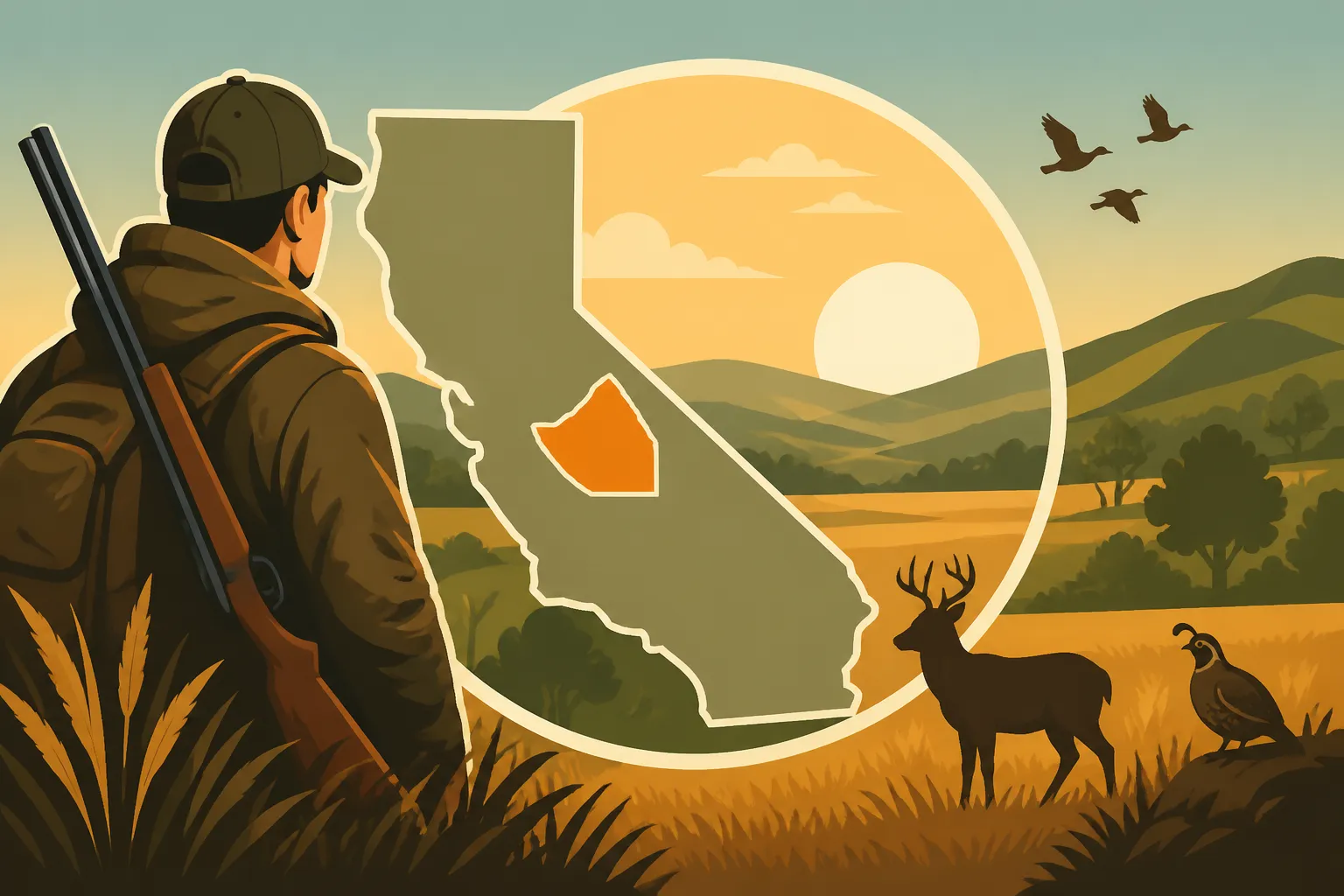
Glenn County, situated in Northern California, offers a unique blend of hunting opportunities, but you really have to know where to look. It’s not one of those vast, easily accessible public land havens you might hear about in other states. Instead, it demands a bit more homework, a keen eye, and the right tools to unlock its potential. We're talking about a landscape that transitions from the flat, fertile agricultural plains of the Sacramento Valley in the east to the steep, oak-studded canyons and dense chaparral of the Mendocino National Forest on its western flank. This diversity is both a blessing and a curse for hunters – a blessing because it means a variety of game, and a curse because finding continuous, huntable public land requires detailed planning.
A Mix of Wildlife Areas and National Forest Lands
When you look at a map of Glenn County, you'll quickly notice that the majority of the land in the eastern half is privately owned and dedicated to farming. This means that for public hunting opportunities, your focus needs to shift dramatically westward or to specific state-managed parcels. The most prominent public land feature in Glenn County is undoubtedly the Mendocino National Forest. This expansive federal land offers significant acreage for deer, bear, and wild pig hunting, particularly in its eastern sections that fall within Glenn County's borders. However, even within the National Forest, access isn't always a simple grid of roads; it can be steep, brushy, and require some serious hiking to get away from the more easily accessible points.
Beyond the forest, public access can be found in a patchwork of California Department of Fish and Wildlife (CDFW) managed lands. These often take the form of Wildlife Areas or Ecological Reserves, though they may be smaller and specifically tailored for certain types of hunting, like waterfowl or upland game. It’s important to remember that these areas often have very specific regulations, special draw periods, or sign-in requirements, so you can’t just show up and expect to hunt without doing your homework. Identifying these pockets and understanding their rules is key to a successful outing. Tools like onX Hunt become absolutely invaluable here, allowing you to overlay public and private land boundaries right on your phone or GPS device, showing you exactly where you can and cannot go. Without such a tool, navigating the often-fragmented public access can be a frustrating guessing game, leading to wasted time or, worse, accidental trespass.
Key Game Species to Pursue
Given the varied terrain, Glenn County offers a diverse range of game animals for the patient and prepared hunter. In the eastern, agricultural portions of the county and along the Sacramento River, waterfowl hunting is a major draw. While large, dedicated refuges might be in adjacent counties like Colusa or Sutter, the general Central Valley flyway still funnels a tremendous number of ducks and geese through the broader region. Hunters with permission on private fields, or those willing to put in the effort for smaller public access points, can find excellent opportunities. For a deep dive into the region, check out Waterfowl Hunting California's Central Valley.
As you move west into the foothills and the Mendocino National Forest, the focus shifts to big game. Columbia Blacktail deer are the primary target here, roaming the oak woodlands and chaparral. These deer are known for being elusive and thrive in the dense cover, making spot-and-stalk or still-hunting challenging but rewarding. Wild pigs also roam these hills, offering a year-round hunting opportunity that many Californians relish. For those interested, Wild Pig Hunting California Year-Round provides excellent insights. Black bears are also present, often found foraging in berry patches or along riparian corridors within the forest. Upland birds like California Valley Quail are abundant in the brushy draws and oak edges, providing fast-paced action for those with good dogs or keen eyes. The true allure of hunting in Glenn County lies in the potential to pursue multiple species, perhaps even on the same trip if you’re strategic with your scouting and planning.
Navigating Specific Public Access Points in Glenn County
Glenn County’s public hunting access is less about vast, continuous tracts and more about understanding the specific types of land available and how to best utilize them. It really boils down to two main categories: the rugged, expansive federal lands of the Mendocino National Forest and the scattered, often smaller, state-managed wildlife areas, sometimes augmented by small BLM parcels. Each has its own character, challenges, and rewards.
Mendocino National Forest Opportunities
For many big game hunters looking at Glenn County, the eastern edge of the Mendocino National Forest is where their focus will naturally land. This massive National Forest provides the largest contiguous block of public land in the county, offering terrain that ranges from rolling oak woodlands in the lower elevations to steep, forested slopes and deep canyons as you climb higher. The deer hunting here falls into the D3, D4, and D5 zones, which are general rifle zones often open for a good portion of the fall. While these zones aren't typically known for trophy bucks like some of California's X-zones, they offer consistent opportunities for Blacktail deer if you're willing to work for them. Bear hunting is also a possibility during the general season, as are wild pigs, which can be found in pockets throughout the oak country.
Hunting the Mendocino National Forest requires preparation. The terrain is often steep, the brush can be incredibly thick, and you'll quickly find yourself miles from a paved road. This is not the place for a casual stroll. You'll need good boots, physical stamina, and a solid understanding of navigation. For similar challenges and strategies, our guide on Hunting California's Sierra Nevada Backcountry can offer some transferable wisdom, even though the species and specific habitat might differ. Remember, California’s statewide non-lead ammunition requirement applies here, as it does across all National Forests in the state, so ensure your rifle is sighted in with compliant loads. California's Non-Lead Ammunition Requirement delves deeper into this crucial regulation. Don’t underestimate the value of scouting here, both with mapping apps and boots on the ground, to find those secluded pockets away from road hunters.
Wildlife Areas and Refuges in the Valley
While Glenn County doesn't host its own major National Wildlife Refuge complexes like some neighboring counties, it lies within the heart of the Sacramento Valley, a critical area for the Pacific Flyway. This means that while direct public access for waterfowl within Glenn County might be limited to smaller CDFW parcels or opportunities along the Sacramento River itself, the strategies and species are highly relevant. Hunters in Glenn County often travel short distances to access world-class waterfowl hunting in adjacent counties. Look for information on properties such as the Sacramento National Wildlife Refuge Complex, Delevan National Wildlife Refuge, or Colusa National Wildlife Refuge – while not in Glenn, they are critical regional resources.
These wildlife areas often operate on a lottery system for daily access, especially during peak waterfowl season. This means applying in advance or showing up early for a chance at a coveted hunting spot. Beyond waterfowl, some of these state-managed lands, or even smaller, overlooked public access points along rivers, might offer limited opportunities for upland birds like pheasants or doves, particularly during early seasons. The key is to check the specific regulations for each property through the CDFW website, as rules can vary wildly regarding allowed species, hunting methods, and access periods. Don't assume anything. These areas are vital for many local hunters, but they require diligent planning and often a healthy dose of luck.
BLM Lands and Other Dispersed Access
Beyond the grand expanse of the Mendocino National Forest and the managed wildlife areas, Glenn County also features smaller, often disconnected parcels of Bureau of Land Management (BLM) land. These can be goldmines for the persistent hunter, offering opportunities for upland game, coyotes, and sometimes even a blacktail deer or wild pig if the habitat is right. The challenge with BLM land, particularly these smaller, fragmented pieces, is that they can be landlocked by private property, making access tricky or non-existent without landowner permission. This is where top-tier mapping software like onX Hunt becomes utterly indispensable. It allows you to clearly delineate public and private boundaries, identify potential access routes (roads, easements, or even river access), and avoid accidental trespass.
These BLM parcels often consist of foothill terrain, chaparral, and oak woodlands, providing excellent cover for game that might move between public and private lands. You might not find a sprawling herd of deer here, but a dedicated hunter, willing to walk a bit further and explore, can often find success for coyotes or a covey of quail. Remember, hunting on BLM land generally follows state hunting regulations, but it’s always wise to check for any specific local restrictions or fire closures, which are common in drier years. For more guidance on navigating these lands, refer to Using an App for California BLM Land Status. These smaller, overlooked pieces of public ground are often where you can escape the crowds and find a more solitary hunting experience in Glenn County.
| Public Land Type | Primary Location in Glenn County | Typical Game Species | Key Considerations |
|---|---|---|---|
| Mendocino National Forest | Western Glenn County Foothills | Blacktail Deer, Wild Pig, Bear, Quail | Rugged terrain, non-lead ammo, remote access, scouting |
| CDFW Wildlife Areas/Reserves | Sacramento Valley Floor (adjacent counties) | Waterfowl, Upland Birds, Dove | Lottery access, specific regulations, adjacent counties |
| BLM Land | Scattered throughout foothills | Upland Birds, Coyotes, Pig, Deer | Fragmented, access challenges, mapping essential |
Essential Tools and Strategies for Glenn County Hunters
Successfully hunting in Glenn County isn't just about knowing where the public land is; it's about having the right strategies and gear to make the most of those opportunities. The diverse landscape, from the valley floor to the rugged mountains, demands adaptability and careful planning.
Mapping and Scouting for Success
No matter if you're chasing waterfowl along the Sacramento River or blacktail deer deep in the Mendocino National Forest, proper mapping and scouting are your absolute best friends. California's public lands, especially in a county like Glenn, are often dissected by private holdings, and knowing exactly where those lines are can prevent a lot of headaches – and potential fines. This is where modern hunting apps truly shine. Services like onX Hunt or GoHunt offer invaluable satellite imagery, property line overlays, and public/private land distinctions right on your phone. You can identify access roads, scout potential game funnels, locate water sources, and even mark bedding areas from your couch before you ever set foot in the field.
Once you have a general area in mind, real-world scouting is still crucial. Drive those forest service roads, hike into those canyons, and look for fresh sign. Understand the topography: where are the prevailing winds? Where will deer cross a ridge to get to water or feed? For example, in the oak woodlands of the Mendocino National Forest, look for rubs, scrapes, and fresh droppings under acorn trees. In the valley, scout cut fields near water sources for dove or goose activity. This pre-season work will save you countless hours of wandering aimlessly when the season actually opens. For a more in-depth look at this critical step, read Scouting California Public Land Before Season. Don't just rely on a map; connect the map to the real world.
Understanding Regulations and Local Nuances
California's hunting regulations can be complex, and Glenn County is no exception. A fundamental rule for all hunters to internalize is the statewide non-lead ammunition requirement. If you're hunting deer, bear, or pigs in the Mendocino National Forest, you must use non-lead ammunition. This isn't just a suggestion; it’s the law. Ensure your rifle is zeroed with your chosen non-lead loads well before the season. Our guide on California's Non-Lead Ammunition Requirement is a must-read for every hunter in the state.
Beyond ammunition, you need to be intimately familiar with the specific zone regulations for your target species. For deer, Glenn County is primarily covered by D-zones (like D3, D4, D5), each with specific season dates, bag limits, and often, antler point restrictions. Always double-check the current year's CDFW regulations booklet, as dates and rules can change annually. For waterfowl, pay close attention to bag limits, shooting hours, and any special regulations for specific wildlife areas, including the requirement for a California Duck Validation and a Federal Duck Stamp. Even something as simple as possessing the correct Which Zone Covers Your California County tag can make or break your hunt. Local nuances, such as fire closures during dry periods in the National Forest or specific entry requirements for certain wildlife areas, can also impact your plans, so checking current conditions before heading out is essential.
Gear Up for Diverse Conditions
The diverse landscapes of Glenn County mean your gear selection needs to be just as adaptable. If you're heading into the Mendocino National Forest for deer or pigs, expect rugged, steep terrain and potentially dense chaparral. Good quality, supportive hiking boots with excellent ankle support are non-negotiable. Layered clothing is key, as temperatures can swing dramatically from chilly pre-dawn hours to hot midday sun, especially in the early season. Think moisture-wicking base layers, insulating mid-layers, and a durable, breathable outer shell. For specific advice, our article on Boots and Clothing for California's Varied Terrain can provide more detail. Hydration is also paramount; always carry more water than you think you’ll need, especially during early season hunts in the dry western hills.
If your focus is waterfowl in the valley, you'll need waders, warm, waterproof clothing, and appropriate decoys and blinds. A reliable headlamp is essential for those pre-dawn walks into the marsh or field. For all types of hunting, a well-stocked first-aid kit, a sharp knife for field dressing, and reliable navigation tools (GPS or mapping app with offline maps) are fundamental. Even a simple game cart can be a lifesaver for getting a deer or pig out of a steep canyon. Prepare for the worst, and hope for the best, because Glenn County's public lands will challenge you, but they can also offer incredible rewards.
Disclaimer
This article is for general informational purposes only and does not constitute professional advice. Laws, prices and regulations vary by location and change over time. Consult a qualified professional for guidance on your specific situation.