Hunting a Staggered D-Zone Subunit
Getting a California deer tag can feel like winning the lottery, but then you realize some D-zones, especially the larger ones, have staggered opening dates depending on the specific subunit. This often leads to confusion, frustration, and a lot of last-minute scrambling as hunters try to decipher which part of the zone is actually open when. It's a real challenge planning your hunt when neighboring areas open weeks apart, and it can significantly impact deer behavior and hunter pressure. This guide will walk you through understanding these staggered seasons, how to scout effectively, adapt your hunting strategies, and manage the logistics for a successful hunt in a California D-zone subunit.
Understanding California's D-Zone System and Staggered Openers
California's D-zones are the bread and butter for many hunters, offering over-the-counter tags and generally accessible terrain, especially compared to the coveted X-zones. However, the sheer size and diversity of these zones mean they're not a monolithic block. The California Department of Fish and Wildlife (CDFW) segments some of these larger zones into subunits, each with its own unique opening date, creating a "staggered" season that can catch the unprepared hunter off guard.
The Complexity of D-Zones
The D-zone system covers a vast swath of California, encompassing everything from the oak woodlands of the Coast Range to the chaparral-covered foothills of the Sierra Nevada, and even some transitional areas bordering the desert. This incredible diversity in habitat means different deer populations experience varying conditions, leading to the need for nuanced management. While the general deer season in California has a broad structure, these D-zone subunits are where the details really matter. A common frustration is realizing the area you've been scouting for months isn't open for another two weeks, while a unit just over the ridge has been fair game since mid-August. This complexity underscores why it's so important to dive deep into the regulations beyond just the general D-zone dates.
Why Staggered Openings Exist
The primary reason for staggered openings in D-zone subunits boils down to balancing hunter opportunity with wildlife management goals, all while accounting for localized environmental conditions. Deer in different parts of a large zone might experience different rut timings, forage availability, or predator pressure. For example, deer in a lower elevation, earlier-opening subunit might face warmer temperatures and more abundant food sources earlier in the year, justifying an earlier opener. Conversely, a higher elevation subunit might have deer that summer longer in the high country, or the CDFW might want to reduce early-season pressure to protect a specific age class of bucks. It’s also a way to spread out hunter numbers across a vast landscape, reducing the feeling of overcrowding on opening day in any single area. While it can feel like an inconvenience to hunters, these staggered dates are often a calculated move to manage the resource effectively and provide a better quality hunt over the entire season.
Identifying Your Specific Subunit Dates
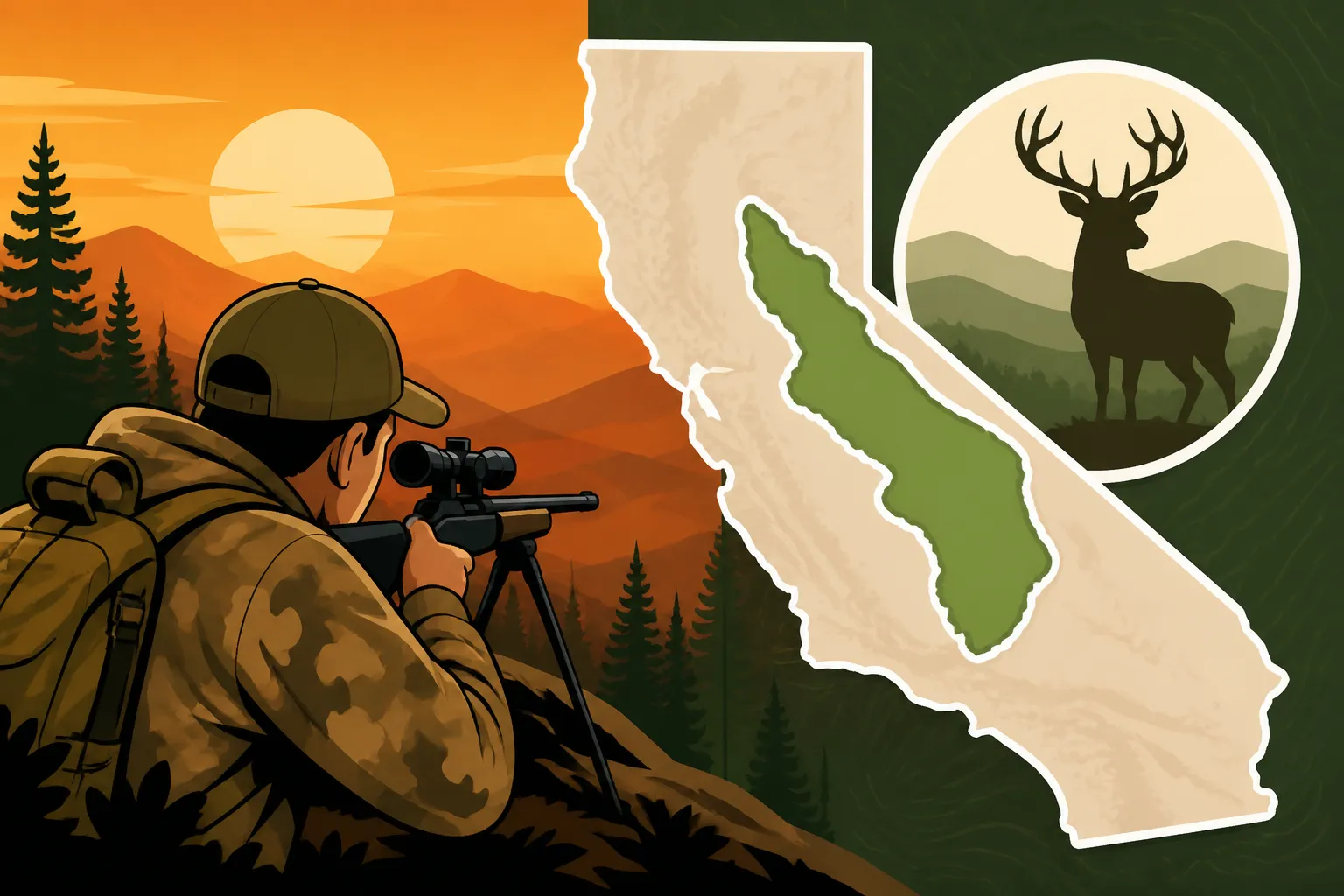
The first, and arguably most crucial, step in hunting a staggered D-zone subunit is accurately identifying the specific dates for your intended hunting area. Don't rely on general D-zone maps or outdated information. You need to consult the most current California Mammal Hunting Regulations issued by the CDFW. These regulations will have detailed tables outlining each D-zone, and crucially, any subunits within them. For instance, D6 might have D6-A, D6-B, and D6-C, each with distinct opening and closing dates. Pay close attention to county lines, geographic features like major highways or rivers, and wilderness area boundaries, as these are often used to delineate subunits. Using a mapping application like GoHunt, which has public and private land layers and unit boundaries, can be incredibly helpful for visualizing these borders in relation to your chosen hunting spot. Cross-reference the written regulations with your mapping app to ensure you're squared away. Mistakes here can lead to hunting out of season, which is a serious violation.
Pre-Season Scouting for Staggered D-Zone Success
Once you've pinpointed your specific D-zone subunit and its season dates, the real work of scouting begins. Staggered seasons often mean that deer in adjacent, earlier-opened units might be pushed into your area, or that deer in your unit might be pressured once adjacent units open later. Understanding these dynamics before the season even starts is key.
Leveraging Topographical Maps and Satellite Imagery
Before you ever set foot in the woods, spend significant time poring over topographical maps and satellite imagery. Tools like GoHunt's mapping system allow you to virtually "walk" the terrain, identifying potential bedding areas, travel corridors, water sources, and feeding grounds. Look for saddles, ridge lines, and natural funnels that deer might use, especially those that provide cover and easy escape routes. Pay close attention to the boundaries of your chosen subunit. Imagine how deer might move into your area from an adjacent unit that opens earlier or out of your area into a later-opening unit if pressure gets too high. Note areas with dense cover, north-facing slopes for cooler bedding in warm early seasons, or south-facing slopes for sun in colder late seasons. Don't forget to identify potential entry and exit routes that minimize disturbance, especially if you're targeting a specific bedding area. You can even use these tools to identify areas with good sign like scrape lines along a forest service road.
Ground Truthing and Trail Camera Placement
Satellite imagery and topo maps are fantastic, but they're no substitute for boots on the ground. Once you've identified promising areas from your digital scouting, it's time to hit the trails. Walk the ridge tops, glass the canyons, and look for fresh sign: tracks, droppings, rubs, and scrapes. Pay particular attention to water sources, especially in the earlier, hotter months when deer are constantly seeking hydration. This is also the perfect time to deploy trail cameras. Place them along game trails, near water holes, or overlooking natural pinch points. If you're hunting an early August or September opener, focus on areas that provide shade and water. For later seasons, shift your focus to food sources like acorns. Remember, the goal is not just to find a deer, but to understand the pattern of deer movement in your specific subunit. Knowing where to hang a camera on a forest road can give you invaluable insight into buck activity without disturbing the area too much. Consider placing cameras not just within your subunit, but also in adjacent units that open earlier or later to monitor deer movement patterns in response to hunting pressure.
Understanding Pressure and Deer Movement
Hunting pressure is a massive factor in D-zone hunting, and it's amplified by staggered openings. When an adjacent unit opens earlier, any deer that feel the heat will often move into unpressured areas, which could be your subunit. Conversely, if your unit opens first and sees heavy pressure, deer might temporarily relocate to a closed adjacent unit, only to return once things calm down or forage conditions change. Try to anticipate where hunters will go — usually, the most accessible spots near roads or popular trailheads. Your goal is to find the ground others walk past. This often means going deeper, into more rugged terrain, or finding obscure access points that aren't obvious. The ability to read California mud for fresh deer movement is invaluable, especially after a rain, as it tells you not just where deer are, but when they were there. Use mapping apps with public land layers to identify areas of national forest or BLM land that are harder to reach but might hold undisturbed deer.
Hunting Strategies for Early and Late Staggered Openings
The beauty and the beast of staggered D-zone subunits are the varying conditions they present. A hunt in early August is a vastly different beast than one in late September or October, and your strategies need to adapt accordingly.
Adjusting Tactics for August Hunts
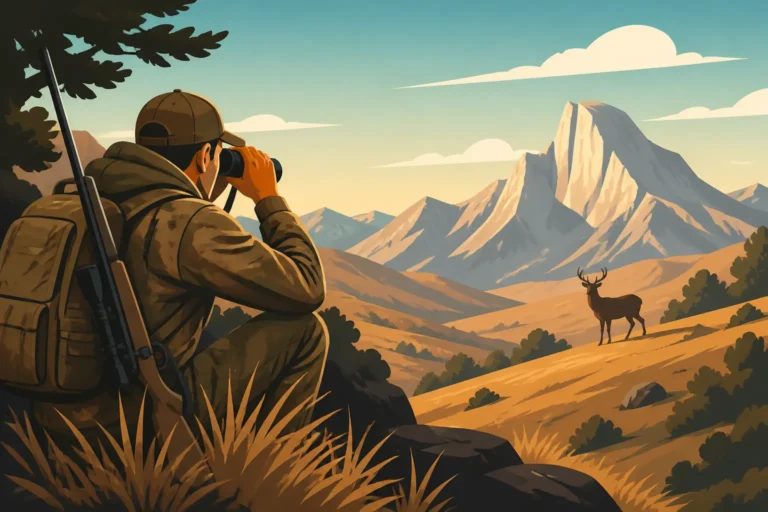
If your D-zone subunit opens in August, you're looking at hot weather, dry conditions, and deer still very much in their summer patterns. Deer will be focused on water, shade, and high-energy forage. Think early mornings and late evenings, as deer will mostly be bedded during the heat of the day. A hot-weather sitting strategy in August might involve finding a water seep at first light or glassing a powerline cut at last light near a known water source. Deer movement will be minimal during the midday, so long sits over a water source or a strategic ambush point can be effective. Consider still-hunting through thick, shaded creek bottoms or dense north-facing slopes where deer seek refuge from the sun. The key is to be patient and adapt your hunt around the deer's need for hydration and thermal regulation. Early season deer are still in their summer coats, often a lighter reddish-brown, and bucks might still be in velvet, though many will be rubbing off by mid-August.
Strategies for September and October Openers
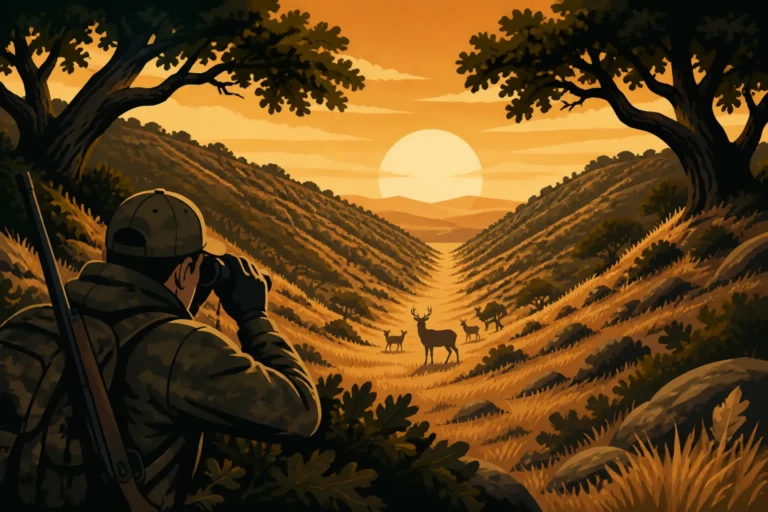
As the season progresses into September and especially October, conditions start to change dramatically. Temperatures usually drop, and importantly, acorns begin to fall. Acorns are a primary food source for deer in many California oak woodland areas, and deer will shift their patterns to capitalize on this bounty. If you're hunting a D-zone that opens in September, you'll still contend with some warm days, but the mornings and evenings will be cooler. Deer will start moving more during daylight hours, and the rut might be beginning to pick up in some areas, particularly for blacktails. By October, when other D-zones open, the rut will be more pronounced in many areas, and bucks will be actively seeking does. This is a prime time for tactics like rattling and grunting California blacktail bucks, especially during peak rut activity. Focus your scouting on oak flats and ridges where acorns are dropping. After a poor acorn year, deer might be more focused on other available browse or even green fields planted for deer, so adjust your food source strategy accordingly. Consider hunting a funnel between two oak ridges where deer will naturally travel between feeding and bedding areas.
Dealing with Changing Weather and Acorn Crops
Beyond the season dates, the actual weather patterns and mast crop (like acorns) can drastically influence deer behavior in a staggered D-zone. A sudden cold front can increase deer activity, pushing them to feed more aggressively before bedding down. Conversely, a heatwave can make them nocturnal and difficult to find. Keeping an eye on localized weather forecasts is crucial.
Furthermore, the annual acorn crop is a major driver of deer movement in many D-zones. One year, the black oaks might be loaded, and deer will be concentrated there. The next year, the canyon live oaks might be better, or perhaps the entire acorn crop is a bust, forcing deer to rely on other browse. This variability means you can't just hunt the same spot year after year. Adaptability is key. Using apps like GoHunt to track historical weather patterns or even crowd-sourced intel on mast crops can give you an edge. Be prepared for anything from warm, dry conditions to early season rains, and make sure your gear—especially boots and layering systems—is ready for the full spectrum of California weather.
Navigating Public and Private Land in D-Zones
California's D-zones encompass a complex mosaic of public and private lands. Understanding where you can legally hunt, how to gain access, and how to manage hunter encounters is critical for a safe and successful experience, especially with the added complexity of staggered openings.
Accessing National Forests and BLM Land
Much of California's D-zone hunting occurs on vast tracts of public land, primarily National Forests and Bureau of Land Management (BLM) holdings. These areas offer incredible opportunities for solitude and undisturbed deer. However, they also come with specific regulations. Always check the specific land management agency's rules for vehicle access, camping, and fire restrictions, which can be particularly strict during fire season. Using a mapping app like GoHunt with clear public/private land overlays is indispensable for ensuring you stay on legal ground and avoid accidental trespass. Learn to read California public land boundary signs. Look for areas like the Los Padres National Forest or Six Rivers National Forest, which offer vast expanses of D-zone hunting ground. For example, if you're hunting a D-zone that includes portions of the Mojave Desert, knowing how to hunt a BLM desert wash for deer could be a game-changer. These large areas are often subject to less pressure further from main roads, requiring a willingness to hike. Understanding trail camera rules on California public land is also essential if you plan to use scouting cameras.
Seeking Private Land Permission
While public lands offer extensive opportunities, securing private land permission can often provide access to less pressured deer and potentially higher success rates. This is especially true in areas where public land access is limited or heavily pressured. The best approach is to start early, well before the season. Identifying potential landowners through mapping apps and then knocking on doors in California ranch country is often the most effective method. Be polite, well-groomed, and offer to share game or help with chores in exchange for access. Having a written permission slip is always a good idea, even if not strictly required by law in all situations, to avoid any misunderstandings about California trespass and permission law. Some D-zones, particularly those near agricultural areas or sprawling ranches, might offer hunting leases, but these can be costly. For a specific D-zone subunit with a unique opening date, access to private land could give you a significant advantage, allowing you to hunt deer that haven't been pushed by early season public land pressure.
Managing Hunting Pressure on Shared Ground
Hunting pressure is a perennial challenge in California, particularly on accessible D-zones. Staggered openings can either mitigate or exacerbate this. On an early opener, hunters might converge on the few open units, leading to high initial pressure. As other units open, this pressure might spread out, or it might create a ripple effect, pushing deer from one subunit to another. The key is to anticipate and adapt. If you know an adjacent unit is about to open, consider hunting the boundary areas, as deer might be moving into or out of your subunit. Conversely, if your subunit has been open for a while and seen heavy pressure, it might be time to find quieter pockets, perhaps by hunting a national forest burn scar or going deeper into less accessible terrain. Understanding where California mule deer range begins and how deer migrate can help you predict movements. Always be courteous to other hunters, maintaining safe distances and respecting their hunt. Finding ground that sees fewer hunters often means working harder, walking further, and employing less conventional access points.
Essential Gear and Logistics for Staggered D-Zone Hunts
Hunting California's D-zones, especially with staggered openings, means being prepared for a wide range of conditions and scenarios. From the type of ammunition you carry to how you care for your game, every detail matters.
Optics and Footwear for Varied Terrain
Given the diverse terrain found across California's D-zones—from steep Sierra slopes to rolling oak woodlands and open desert country—your gear choices, particularly optics and footwear, are paramount. For optics, a good pair of binoculars, perhaps 10×42 or 12×50, is essential for glassing mule deer in open California country or picking apart dense chaparral. A rangefinder is non-negotiable for accurate shot placement, especially in broken terrain where distances can be deceiving. If you plan on long-range glassing, a spotting scope on a lightweight tripod can be invaluable. For footwear, lightweight, sturdy boots with good ankle support are crucial for covering miles of uneven ground. Consider desert boots for California BLM wash hunting or more aggressive, waterproof boots for potentially wet Sierra conditions. Layering is key for California's rapidly changing temperatures; you might start in a warm morning and end in a chilly evening, especially in higher elevations. Camo patterns that blend with California oak woodland cover or chaparral will serve you well.
Non-Lead Ammunition and Ethical Shot Placement
California's statewide non-lead ammunition requirement means every hunter must use lead-free bullets for big game. This isn't just a legal necessity but an ethical consideration for wildlife and the environment. Take the time to choose non-lead rifle ammunition in California that performs well with your rifle. Test various brands and bullet weights (e.g., best non-lead bullet for a .270 or non-lead load options for .308 hunters) to ensure accuracy and consistent performance. Copper bullets, a common non-lead option, often perform differently than traditional lead-core bullets, so re-zeroing your rifle is critical. Ethical shot placement becomes even more important with these bullet types, as they tend to retain more weight and may behave differently upon impact. Know your rifle, know your ammunition, and practice, practice, practice at various distances before your hunt. It's not just about compliance; it's about making a clean, humane kill.
Field Care in Warm Weather
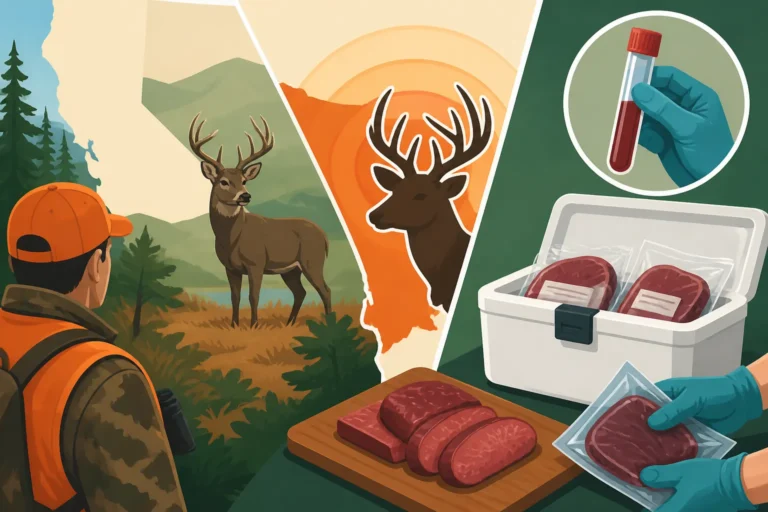
One of the biggest challenges of early D-zone openers in August or early September is preserving your game in warm temperatures. Heat is the enemy of venison. As soon as a deer is down, the clock starts ticking. Field dressing a deer in hot weather immediately is critical to begin the cooling process. Get the guts out, open the body cavity, and, if possible, get the hide off as quickly as you can. Carry plenty of game bags, preferably breathable ones, to protect the meat from flies and dirt while allowing it to cool. If you're deep in the backcountry, packing meat out of a steep canyon means having a good frame pack and potentially making multiple trips. For shorter retrieves, a game cart for steep canyon recovery can be a lifesaver. Once you get the animal out, get it on ice or to a cold locker as soon as possible. Even if you plan on butchering a deer at camp, ensure you have proper cooling facilities. This attention to detail ensures the delicious wild game you worked so hard for doesn't spoil.
| D-Zone Subunit Consideration | Early Season (Aug-Sept) | Late Season (Sept-Oct) |
|---|---|---|
| Typical Weather | Hot, dry, fire risk | Cooler, potential rain |
| Deer Activity | Nocturnal, water focus | More daylight movement, rut picking up |
| Primary Food Source | Browse, remaining green | Acorns, hard mast, browse |
| Scouting Focus | Water, shade, north slopes | Acorn flats, travel corridors, south slopes |
| Hunting Strategy | Ambush water, still-hunt dense cover | Still-hunt, rattling/grunting, stand near food |
| Field Care Challenge | High risk of spoilage due to heat | Less heat spoilage, but still important |
| Hunter Pressure Impact | High if few units open | Spreads out as more units open, but constant |
Disclaimer
Hunting involves inherent risks, including injury and death. This guide provides general information and recommendations but cannot cover every scenario or personal circumstance. It is the individual hunter's responsibility to understand and comply with all applicable federal, state, and local hunting laws and regulations. Always prioritize safety, practice ethical hunting, and respect wildlife and the environment. Consult the latest California Department of Fish and Wildlife regulations for the most accurate and up-to-date information before planning any hunt.