Rattling and Grunting California Blacktail Bucks
The distinctive challenge of hunting California blacktail deer often feels like you’re chasing ghosts through some of the thickest, most unforgiving terrain imaginable. These intelligent, wary animals are masters of disappearing, leaving many hunters frustrated as they try to get a clear shot. While still-hunting and glassing are go-to methods, mastering the art of rattling and grunting can provide a game-changing edge, pulling those hidden bucks right into your shooting lane and giving you a chance you might not otherwise get.
The Elusive Appeal: Calling Blacktails in California's Varied Landscape
Hunting blacktail deer in California is a different beast compared to chasing mule deer in the open high desert or whitetails in dense Midwestern forests. Our blacktails, particularly the Columbia Blacktail, are notoriously wary, preferring to use every bit of cover to their advantage. This makes traditional calling techniques, like rattling and grunting, a unique puzzle to solve. But when you crack the code, the reward of a big-bodied buck stepping into view, curious or territorial, is incredibly exhilarating.
Why Blacktails Present a Unique Calling Challenge
One of the biggest frustrations for hunters attempting to call blacktails is their innate caution. Unlike some eastern whitetails that might come charging into a rattling sequence, blacktails often approach with extreme stealth, circling downwind, or hanging up just out of sight, trying to pinpoint the source of the sound. The dense Coastal Range Oak Woodlands and chaparral they inhabit also absorb sound, making it harder for your calls to travel far, and providing endless hiding spots for a buck to scrutinize the situation before committing. You might feel like you're just clanging antlers aimlessly in the brush, never getting a response. It’s easy to get discouraged when you’ve put in the effort, but haven’t seen the results you might expect from hunting other deer species.
The Rewarding Payoff When It Works
Despite these hurdles, there are prime windows and conditions where rattling and grunting blacktails can be incredibly effective. The key is understanding when and where they are most susceptible, and how to tailor your calls to their specific behaviors. During the peak of the rut, when bucks are actively seeking does and defending territory, their natural caution takes a backseat to their primal instincts. A well-executed rattling sequence that mimics a real buck fight, or a series of aggressive grunts, can provoke a dominant buck into investigating or even charging in. The payoff isn't just about bagging a deer; it's about the intense, heart-pounding encounter you create, bringing the wilderness to life right in front of you. There’s a profound satisfaction in knowing you’ve outsmarted one of the most cautious game animals through skilled imitation.
Mastering Blacktail Communication: Understanding the Rut and Behavior
To effectively rattle and grunt for California blacktails, you first have to speak their language, and that starts with understanding their seasonal behavior, especially during the rut. Without this foundational knowledge, your calls are just noise in the woods. Blacktails have distinct phases to their breeding cycle, and recognizing these can dramatically increase your success rate.
Pinpointing Peak Rut Activity in California Blacktails
The timing of the blacktail rut in California can vary significantly depending on the zone and elevation. Generally, the rut for most California blacktails peaks from late September through mid-November. For instance, in areas like Hunting the Zone C Rifle Season in October, you're often right in the thick of things. However, coastal blacktails might enter their rut slightly earlier than their high-country counterparts in the Sierra Nevada foothills, where the rut might extend into November. Understanding these local variations is crucial. Bucks become more active, less cautious, and more prone to responding to calls during this period because their primary focus shifts to breeding. They'll be moving more in daylight, checking doe groups, making scrapes, and scent-checking the air. Using resources like the GoHunt app can provide invaluable data on historical rut timings in specific units, helping you plan your hunt to coincide with these critical windows. Knowing when to find a scrape line is paramount to intercepting a cruising buck.
Reading Buck Sign to Inform Your Calling Strategy
Before you even think about rattling, you need to become a detective in the deer woods. Fresh buck sign tells you that a buck is active in the area and, more importantly, what he’s doing. Look for fresh rubs on small trees and bushes, indicating a buck has been marking his territory. Scrapes, particularly those with a freshly pawed earth patch and an overhead licking branch, are like a buck's calling card, indicating he's actively communicating his presence to does and other bucks. The bigger and fresher the sign, the more likely a mature buck is in the vicinity. If you find a series of scrapes along a ridge or a heavily used travel corridor, you’ve hit a potential jackpot. This is the perfect spot to set up, knowing that a buck is likely to pass through, and therefore more susceptible to your calls. Without this scouting, you're essentially calling into a void.
The Full Spectrum of Blacktail Vocalizations
Blacktails, like other deer species, use a variety of vocalizations to communicate. While the grunt is perhaps the most well-known, understanding the nuances can make your calling much more effective.
- Doe Grunt: A softer, often shorter grunt used by does to communicate with fawns or other deer.
- Buck Grunt: Deeper, more guttural, and often longer than a doe grunt. This can indicate various levels of excitement or assertion.
- Trailing Grunt: A series of soft, rhythmic grunts emitted by a buck trailing a hot doe. This is a sound of pure focus and intent.
- Challenge Grunt: A louder, more aggressive grunt, often with more inflection, used by a buck asserting dominance or challenging another buck.
- Snort-Wheeze: This is the ultimate aggressive buck vocalization. It's a sharp, explosive snort followed by a wheezing sound. A buck typically uses this to intimidate a rival buck before a fight or to send a clear "stay away" message.
- Bleats and Bawls: Doe and fawn bleats and bawls indicate distress or seeking behavior. While not typically used to call in bucks looking for a fight, a subtle doe bleat can sometimes pique the curiosity of a cruising buck looking for a receptive female.
Understanding these sounds and knowing when to deploy them will dramatically improve your chances. It's not just about making noise; it's about mimicking the right conversation at the right time.
Assembling Your Blacktail Calling Kit: Gear Essentials
You don't need a massive amount of gear to effectively rattle and grunt, but having the right tools can make all the difference. Quality over quantity is key here, especially when you're counting on these tools to bring in a wary blacktail buck.
Choosing the Right Rattling Antlers or Devices
When it comes to rattling, you have a few options, each with its pros and cons:
- Real Antlers: Nothing truly replicates the sound of real antlers clashing like, well, real antlers. A pair of matched shed antlers, preferably from bucks of similar size (think 100-120 inch class), will give you the most authentic sound. Look for sheds with good mass and tines that can really generate a realistic "crack" and "grind." The natural texture and density of real bone create a sound that synthetic options often struggle to match. However, they can be bulky to carry, especially in steep terrain.
- Synthetic Rattling Bags/Horns: Brands like RattleBag or Knight & Hale offer compact, easy-to-carry options that simulate rattling. While they might not have the full spectrum of sounds as real antlers, they’re excellent for quick, subtle sequences, especially in thick brush where space is limited. They are also much quieter to carry, preventing unwanted noise as you move through the woods. Some hunters swear by them for their convenience and ability to produce a softer, more controlled sound.
- Rattling Devices: Many companies make devices that are essentially synthetic antlers molded into a more ergonomic shape, allowing for easier handling and quieter transport. These often provide a good compromise between realistic sound and portability. They can be a great option for someone who wants the control of holding two separate pieces but without the bulk of real sheds.
The best choice often comes down to personal preference and hunting style. If you’re Still-Hunting California's Sierra Nevada Timber and moving frequently, a rattling bag might be more practical. If you're setting up for a long sit in a blind, real antlers might give you an edge in realism.
Selecting a Versatile Grunt Tube for Blacktails
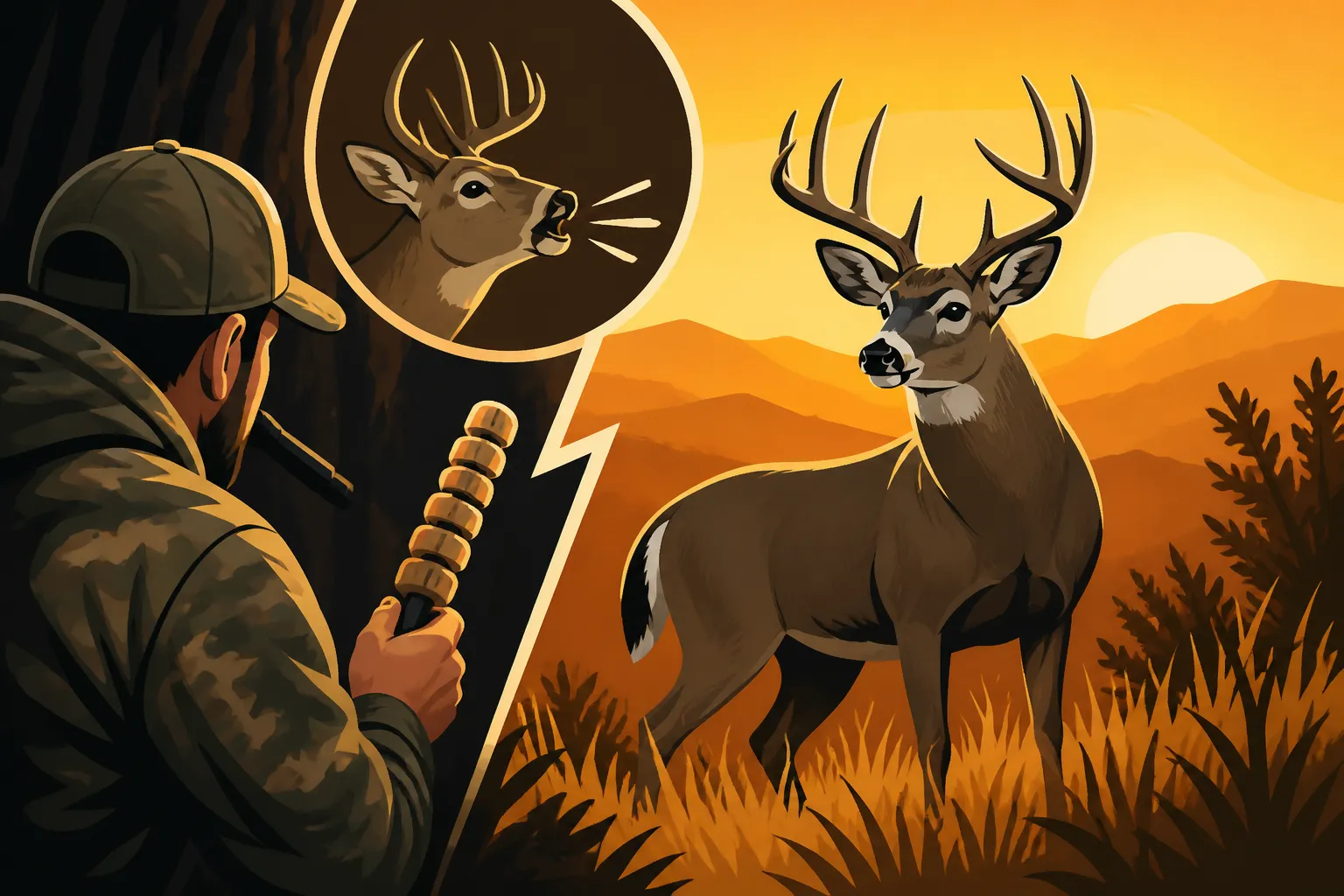
A good grunt tube is your primary tool for vocalizations. You'll want one that can produce a range of sounds, from soft doe grunts to deep, aggressive buck grunts and even a snort-wheeze if possible.
- Adjustable Grunt Tubes: Many modern grunt tubes feature an adjustable reed or an expandable tube that allows you to change the pitch and tone. This versatility is crucial for mimicking different deer. For instance, you might want a higher pitch for a younger buck or a doe bleat, and a much deeper, guttural sound for an older, dominant buck.
- Ease of Use: Practice is key with any call, but a grunt tube that's easy to operate quietly and effectively is essential. You don't want to be fumbling with it when a buck is staring you down. Brands like Primos and Flextone offer reliable, user-friendly options that are popular among deer hunters.
- Sound Quality: Listen to recordings of actual blacktail deer vocalizations and compare them to the sounds your grunt tube produces. The closer you can get to authentic deer sounds, the better. A realistic sound, even if it's not overly loud, can be incredibly persuasive to a cautious buck.
Supporting Gear for Successful Calling Efforts
Beyond the calls themselves, a few other items can significantly enhance your calling success:
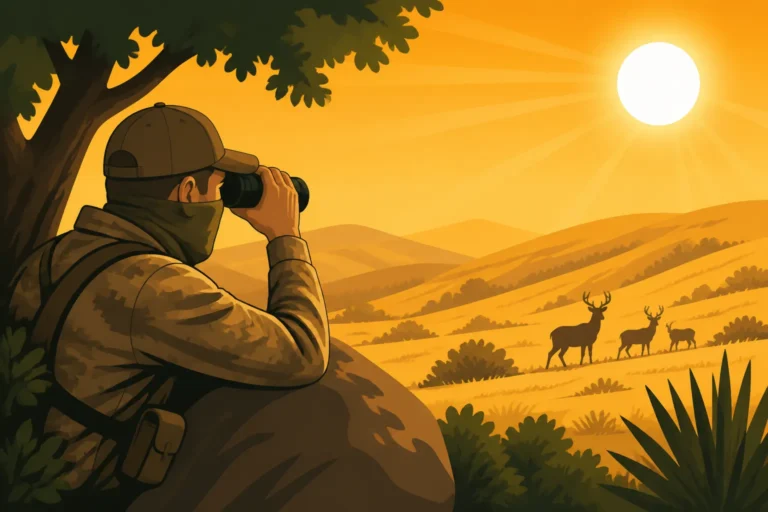
- Binoculars and Rangefinder: These are non-negotiable. Blacktails often hang up at a distance, trying to locate the source of the sound. High-quality binoculars allow you to pick apart the dense cover and spot movement you might otherwise miss. A good rangefinder, like those from Vortex or Leupold, helps you instantly know if that hesitant buck is within shooting range, preventing unnecessary movement or missed opportunities. For glassing, especially in our varied terrain, a pair of 10×42 binoculars is a great all-around choice.
- Camo and Scent Control: Blacktails have incredible eyesight and an even better nose. Full camouflage, including face paint or a mask, is essential. More importantly, meticulous scent control is paramount. Always approach from downwind, and use scent-eliminating sprays or clothing systems. If a buck winds you, your calling efforts are immediately nullified.
- Ground Blind or Good Cover: A calling sequence often requires you to remain still for extended periods after calling. A natural ground blind built into thick brush, or a portable pop-up blind, provides concealment and breaks up your human outline. This allows you to move slightly to get a better shot or re-position your call without being detected.
- Mapping App: A robust mapping app like GoHunt's mobile platform or onX Hunt is invaluable for scouting, identifying potential ambush points, and understanding wind direction in relation to terrain. It helps you find those hidden travel corridors and determine the best approach routes to your calling setups. Knowing the topography, prevailing winds, and where the deer will likely appear is half the battle.
Having these supporting items ensures that when a buck does respond to your calls, you're ready to capitalize on the opportunity.
Techniques for Rattling California Blacktail Bucks
Rattling is an art form, not just an act of clanging antlers together. The goal is to convincingly mimic a real fight between two bucks, thereby drawing in other bucks who are either territorial, curious, or looking for an easy fight. Blacktails are particularly sensitive to these sounds during the rut.
Simulating Light Sparring and Mid-Range Encounters
Not every rattling sequence needs to be a full-blown brawl. Often, a subtle, lighter sparring session is all it takes to pique a buck's interest, especially early in the rut or if you suspect a more cautious buck is in the area.
- Gentle Clashing: Start by gently ticking the tines together, followed by a light grinding of the bases. This mimics bucks testing each other, sizing up, or just casually sparring. Don't overdo it.
- Short Bursts: Keep these sequences short, maybe 15-30 seconds, followed by longer periods of silence (3-5 minutes). This allows any approaching buck to make his move without feeling rushed.
- Raking and Rubbing: Incorporate sounds of antlers raking brush or rubbing against a tree. This adds realism, suggesting the bucks are moving and tearing up the ground, which further indicates a real encounter. You might use a small branch or even your boot to create these sounds.
- Adding Grunts: After a short sparring session, throw in a soft, contented buck grunt or a trailing grunt. This suggests one buck might be pushing another, or a buck is hot on the trail of a doe and just bumped into a rival. It’s about building a believable story.
This "less is more" approach is often highly effective for those elusive blacktails, who might shy away from a too-aggressive, unrealistic brawl. Remember, you're trying to fool a smart animal that lives in a tough environment.
Unleashing Aggressive Fights for Dominant Bucks
When the rut is in full swing, and you've found fresh, aggressive sign like large rubs and active scrapes, it's time to pull out all the stops. A full-on, aggressive rattling sequence can sometimes be the only way to get a dominant buck to commit.
- Intense Clashing and Grinding: Really lay into the antlers. Bash them together with force, grind the bases, and make a lot of noise. This should sound like two mature bucks truly going at it. The more chaotic and intense, the better.
- Longer Sequences: These aggressive sessions can last longer, perhaps 45-60 seconds, interspersed with moments of silence (1-2 minutes) to simulate the lulls in a real fight where bucks might be catching their breath or pushing each other.
- Breaking Branches and Pawing Ground: Don't be afraid to add sounds of breaking branches (a dry stick works great) or pawing the ground with your foot. This suggests a violent encounter where the terrain is being torn up.
- Incorporating Challenge Grunts and Snort-Wheezes: Immediately following an aggressive rattling sequence, or even during one, let out a few deep, guttural challenge grunts, perhaps even a snort-wheeze. This adds another layer of realism and aggression, telling any listening buck that there's a serious turf war going on. A buck that is Rattling and Grunting California Blacktail Bucks effectively often uses this combination.
- Scenario Replication: Imagine two bucks fighting for real. They don't just stand there clanging. They push, shove, break cover, and make a lot of noise. Try to replicate that entire scenario, not just the sound of antlers.
This aggressive approach is designed to tap into a dominant buck's territorial instincts, forcing him to come investigate the intrusion into his domain. It's high-risk, high-reward calling.
The Importance of Setup and Waiting After Rattling
Perhaps the most critical, and often overlooked, aspect of rattling is your setup and patience after you finish your sequence. Blacktails rarely come charging in like whitetails.
- Strategic Positioning: Always set up in an area with good visibility downwind, covering likely approach routes. Position yourself so you have shooting lanes in multiple directions, but most importantly, downwind. Blacktails are notorious for circling to scent-check the source of the sound. Use natural cover to break up your outline.
- Pre-Rattling Scan: Before you even touch your antlers, spend a good 5-10 minutes silently glassing the area. You don't want to rattle to a buck that's already within eyesight and spook him. This also lets you confirm if any deer are already within easy earshot. This is where scouting with tools like the GoHunt app really pays off, allowing you to pre-plan these setups.
- The Wait: After your rattling sequence, whether light or aggressive, do not move. Sit absolutely still for at least 15-20 minutes, sometimes even longer. Blacktails might take their sweet time, approaching with extreme caution, often stopping and starting, trying to catch movement or scent. Many hunters give up too soon. I've had bucks show up 30 minutes after I finished rattling, convinced the "fight" was over.
- Subtle Follow-Up: If nothing appears after a long wait, you can try a very soft, subtle grunt or doe bleat to try and coax a hung-up buck closer. But avoid repeating aggressive rattling too quickly, as it can sound unnatural.
- Exit Strategy: If you're confident nothing is coming, slowly and quietly pack up. Don't just stand up and walk away, as a buck could still be watching from afar. Think about how to extract yourself from the area without leaving a negative impression on any wary deer. This deliberate approach is also essential if you need to perform Blood Trailing After Dark in California after a successful shot.
The patience and strategic waiting period are just as important as the rattling itself. It’s in those quiet moments that the magic often happens.
Effective Grunting and Other Vocalizations for Blacktails
While rattling mimics physical confrontation, grunting directly imitates vocal communication. Combining grunts with rattling, or using them independently, can be a potent tactic for bringing in a blacktail buck.
Decoding the Various Grunts and When to Use Them
Knowing when to deploy a specific grunt is vital for success. It's about sending the right message at the right time.
- Trailing Grunts (Soft, Repetitive): These are best used when you believe a buck is actively looking for does. A trailing grunt sounds like a buck moving through the woods, focused on scent-checking for a receptive female. It's a non-threatening sound that can pique curiosity. Use these when Hunting a Funnel Between Two Oak Ridges where bucks are likely cruising. A short, soft sequence of 2-3 trailing grunts every few minutes can make a buck think another deer is just ahead, drawing him closer.
- Challenge Grunts (Loud, Aggressive): These are for direct confrontation. When you want to tell a buck, "Hey, I'm here, and this is my territory," a challenge grunt is your go-to. Use these in conjunction with aggressive rattling or if you’ve seen a buck from a distance and want to provoke a reaction. The challenge grunt is also excellent if you're trying to stop a buck that's walking away or is about to disappear into thick cover. The abrupt, deep tone can often freeze them in their tracks, giving you a shot opportunity.
- Doe Bleats (High-Pitched, Drawn Out): While primarily used to call does, a subtle doe bleat can sometimes bring in a curious buck, especially if the rut is on. It suggests a receptive female, which is exactly what he's looking for. Use sparingly and softly, particularly if you haven't had success with buck vocalizations. A "lost fawn" or "estrous doe" bleat can sometimes work wonders, especially if you think bucks are simply cruising for love.
Adding Snort-Wheezes and Other Aggressive Sounds
The snort-wheeze is the most aggressive vocalization a buck can make, short of an outright fight. It’s a direct challenge, and a mature buck will often respond to it defensively.
- The Power of the Snort-Wheeze: This call is highly effective for dominant bucks that might be hanging up or observing from a distance. It's the equivalent of a human shouting, "You want a piece of this?" If you have a buck that is not responding to grunts or light rattling, a well-placed snort-wheeze might be the trigger. However, use it with caution; an immature buck might be intimidated and leave the area. This call should only be deployed when you're confident a mature, aggressive buck is in the vicinity.
- Mimicking Fighting Grunts: Sometimes, during an aggressive rattling sequence, incorporating short, sharp grunts that sound like bucks grunting while fighting adds another layer of realism. These are typically harsher and more guttural than trailing grunts, indicating exertion and aggression.
- Breathing Sounds: In a real fight or trailing situation, bucks make subtle breathing sounds. While difficult to perfectly replicate, simply being mindful of your own breathing and movements to maintain absolute silence between calls can enhance the realism. The sudden absence of sound after an intense call can also make a buck curious, expecting to hear ongoing action.
Understanding Blacktail Responses to Vocalizations
Once you make a call, the next step is to interpret the buck's response, or lack thereof. This helps you decide on your next move.
- Immediate Response (Rare but Thrilling): A buck might immediately stop, lift his head, and stare in your direction. This means he heard you and is trying to pinpoint the source. Stay still, watch for his next move, and be ready.
- Circling Downwind: This is a classic blacktail move. He'll often try to get your scent before committing. Anticipate this by setting up with good visibility in that downwind direction. If you see him trying to circle, remain absolutely motionless. Any movement will likely spook him.
- Hanging Up: The buck stops just out of range, hidden by cover, trying to see or hear more before committing. This is where patience is crucial. A very soft, subtle follow-up grunt, or sometimes a long period of silence, can tip him over the edge.
- No Response: If you get no response after a prolonged wait, it's either because there are no bucks in the area, they're not receptive, or they heard you but decided to leave. Don't be discouraged. Change your location, try a different strategy, or wait for another prime calling window. Every hunt is a learning experience, and sometimes, no response is still valuable information.
Effective calling is a conversation, not a monologue. Listen, observe, and adapt. It's often the subtle changes in your calling, based on what the deer are telling you, that lead to success.
Strategic Calling: Adapting to California's Diverse Terrain and Conditions
California's landscapes are incredibly diverse, from dense coastal chaparral to vast oak woodlands and open Sierra foothills. Your rattling and grunting strategy needs to adapt to these varying environments. What works in one area might be useless in another.
Calling Strategies for Thick Coastal Chaparral and Oak Woodlands
Hunting blacktails in the dense, often impenetrable, coastal chaparral and Hunting Coastal Range Oak Woodlands is a test of patience and stealth. Sound doesn't travel far here, and visibility is extremely limited.
- Close-Quarters Rattling: In thick cover, aggressive, loud rattling can be counterproductive as it might sound unnatural or too close, startling deer that are already nearby. Opt for shorter, softer rattling sequences that mimic light sparring. You might even just lightly tickle the antlers together to suggest a subtle presence.
- Short Calling Windows: Because visibility is so limited, your effective calling range is significantly reduced. Focus on calling in areas where you have small, clear shooting lanes within 30-50 yards. Bucks will likely materialize quickly, so be ready.
- Focus on Travel Corridors: In thick cover, bucks are often confined to specific trails, game paths, and natural funnels. Identify these pinch points using mapping tools or by finding fresh sign, and set up your calling station nearby. This increases the odds that a buck using these trails will pass within earshot and sight.
- One-Man Drives (Carefully): While not strictly calling, in extremely dense cover, a very slow, deliberate walk with an occasional soft grunt can sometimes push a bedded buck just enough to get him to move past a waiting partner. This requires extreme coordination and safety awareness.
- Thermal Management: In coastal areas, thermals can be tricky. Early mornings, thermals often drop, pulling scent and sound downhill. As the day warms, they rise. Always play the wind, but understand how thermals might carry your sound and scent in these complex terrains. GoHunt mapping provides excellent tools to visualize terrain and predict thermal shifts.
Utilizing Terrain and Cover for Calling Advantage in Open Country
While not as common for blacktails as dense cover, some parts of California, particularly the Sierra Nevada foothills or larger oak savannahs, offer more open hunting. Here, you can leverage distance and visibility.
- Long-Range Glassing and Calling: In more open country, you can often spot bucks from a distance. Use your binoculars and spotting scope to locate a cruising buck. Once spotted, plan your approach to get within calling range (usually 150-300 yards). Then, use a louder, more aggressive rattling sequence to grab his attention.
- Ambush Points: Look for isolated patches of cover, creek bottoms, or the edges of Entry Routes Through a Sierra Foothill Meadow that a buck might use to approach your calling setup undetected. If you spot a buck in open country, he's likely to use any available cover to close the distance.
- Sound Travel: In open country, sound carries much further. Your rattling and grunting will have a larger effective range. This means you can call less frequently but with more intensity, letting the sound dissipate before calling again.
- Elevation Advantage: Calling from an elevated position (e.g., a ridge, a small knoll) can help your sound carry further and allow you to spot bucks approaching from multiple directions. Just be mindful of being silhouetted.
Managing Wind and Thermals for Optimal Sound Travel
Ignoring wind and thermals is a sure-fire way to alert a buck to your presence long before he sees your setup.
- Always Hunt the Wind: This is the golden rule of deer hunting. A blacktail buck's nose is his primary defense. Always set up so that your scent is blowing away from where you expect the buck to approach. If the wind is swirling or unpredictable, it's often better to wait for more stable conditions or choose a different location.
- Understanding Thermals: Thermals are localized air currents created by heating and cooling of the earth's surface. In the morning, as the sun warms the ground, thermals generally rise, carrying scent uphill. In the evening, as the air cools, thermals drop, carrying scent downhill. Being aware of these natural airflows, especially in Wind and Thermals in Steep Sierra Country, is critical. A buck might approach your calls from below in the morning, or from above in the evening, using the dropping thermal to his advantage.
- Use Smoke or Powder: Carry a small bottle of wind-checker powder or a stick of smoke to constantly monitor wind direction, especially in changing conditions or tricky terrain. Even a slight shift can compromise your setup.
- Setup Location: Position yourself so that your sound travels effectively but your scent does not. This often means calling from slightly below a ridge or from a strategic location where the wind carries your sound but prevents a buck from circling directly downwind of you without first presenting a shot. For more challenging scenarios, consider Using a Ground Blind on BLM Land to help with concealment while managing your scent footprint.
By meticulously planning your setup around wind and thermals, you dramatically increase the chances of a buck responding to your calls without winding you first. It's the silent, invisible factor that can make or break your hunt.
Disclaimer
Hunting is a challenging and inherently dangerous activity. This guide provides general information and recommendations. Always consult the current California Department of Fish and Wildlife regulations for specific seasons, tag requirements, legal methods, and any restricted areas before heading afield. Ensure you have proper licensing, hunter education, and permission to hunt on private lands. Practice ethical hunting and safety at all times.