Best Pack for a Multi-Day Elk Hunt
California elk country is magnificent, but it's also incredibly demanding. Planning for a multi-day hunt often means packing in for miles, navigating steep terrain, and then, with any luck, packing out hundreds of pounds of meat. Choosing the right pack isn't just about comfort; it's about successfully completing your hunt and getting your hard-earned elk off the mountain. This guide will walk you through the essential features and considerations to select the best pack for your multi-day California elk hunting adventure, ensuring you're prepared for every challenge.
The Unique Rigors of California Elk Country and Why Your Pack Matters
When you dream of elk hunting in California, you're likely picturing vast, rugged landscapes, whether it's the dense timber of the Northwest for Roosevelt elk, the high-country peaks for Rocky Mountain elk, or the more open, often marshy, Central Valley for Tule elk. Each of these environments presents its own set of challenges, but they all share one critical constant: they demand a pack that can stand up to extreme conditions and carry immense loads.
Remote, Rugged Terrain and Multi-Day Excursions
Forget about easy access roads; true California elk hunting often means venturing deep into the backcountry, far from any vehicle. We're talking about traversing steep, unforgiving inclines, navigating through dense brush and downed timber, or slogging across muddy, uneven ground. These aren't day trips where you can just grab a light daypack. A multi-day hunt implies packing in all your necessities for three, five, or even seven days – shelter, food, water, cooking gear, extra layers, first aid, and all your hunting tools. Your pack needs to be a robust workhorse, capable of enduring constant abrasion, moisture, and the relentless pull of gravity over many miles. A flimsy pack will fall apart, tear, or, worse, cause you undue strain and potentially injure you miles from help.
The Ultimate Test: Hauling Elk Meat
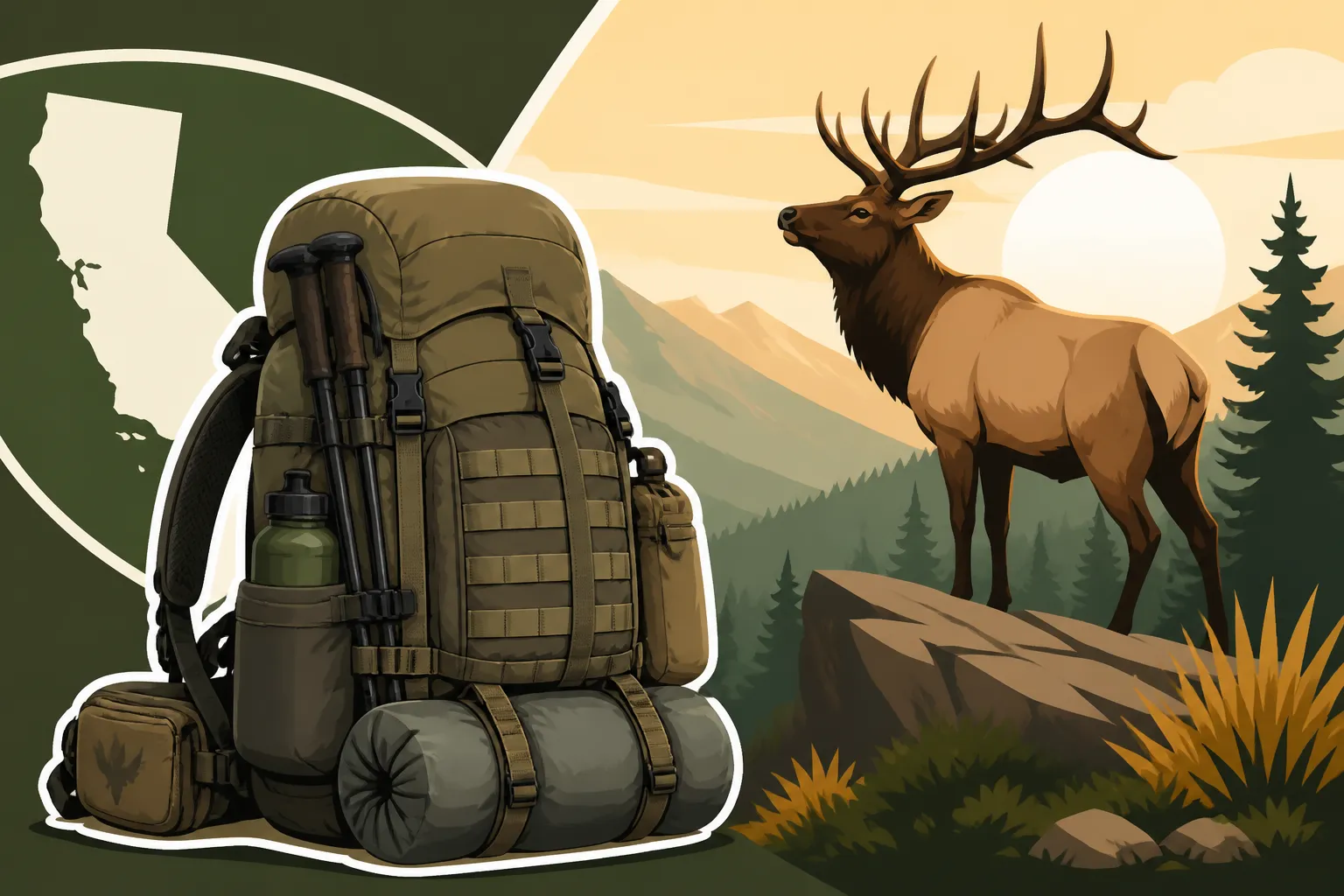
This is where a good elk hunting pack truly earns its keep. Unlike deer, which can be challenging enough to pack out, an elk is an entirely different beast. A mature bull can weigh upwards of 700 pounds, meaning even after quartering, you're looking at individual loads that can easily exceed 80-100 pounds per trip, sometimes more. Your pack isn't just carrying your camp; it needs to transform into a dedicated meat-hauling system. Without a robust frame and a suspension system designed for these kinds of extreme weights, you'll be miserable, inefficient, and possibly risk leaving meat behind. A proper pack integrates a "meat shelf" or a dedicated expandable compartment specifically for securing quarters, keeping the heavy, awkward load close to your back and high on your hips, which is crucial for efficient weight distribution and reducing fatigue on those long, slow treks out of a canyon. Packing Meat Out of a Steep Canyon is a challenge no hunter wants to face with an inadequate pack.
Essential Features for a High-Performance Elk Pack
Choosing the right pack can feel overwhelming with all the options out there. However, for a multi-day elk hunt, there are core features that rise above the rest in terms of importance. Focus on these, and you'll be well on your way to a successful and manageable hunt.
The Backbone: Frame and Suspension System
This is arguably the single most critical component of an elk hunting pack. For the heavy loads associated with elk, you absolutely need a pack with a strong, rigid frame. Modern hunting packs typically feature either an internal frame (often made of aluminum stays or carbon fiber rods) or a hybrid external frame design. Both can be excellent, but the key is rigidity. This frame transfers the bulk of the weight from your shoulders to your hips, where your body is much better equipped to carry it. Look for:
- Load Lifters: These straps connect the top of the shoulder straps to the top of the pack frame. When tightened, they pull the pack closer to your upper back, bringing the load's center of gravity forward and upward, which helps prevent the pack from sagging backward and straining your shoulders. Proper adjustment of load lifters is vital for comfort, especially on steep ascents.
- Well-Padded Hip Belt: A wide, thickly padded hip belt is essential. It should be anatomically shaped to contour to your hips and ideally be adjustable in length to fit a variety of waist sizes. The hip belt carries 70-80% of the pack's weight, so it needs to be comfortable and secure, preventing slippage or digging in.
- Adjustable Shoulder Straps: These should be well-padded and contoured to prevent chafing and distribute the remaining weight comfortably across your shoulders. The ability to adjust the torso length of the pack is also crucial for a proper fit, ensuring the hip belt sits correctly on your iliac crest (the top of your hip bones). Many packs allow for this adjustment, but it's something you must verify.
Capacity, Access, and Organization
For a multi-day elk hunt, you're not going to be skimping on gear. You need sufficient space, but also smart organization.
- Ideal Liter Volume: For 3-7 day hunts, most hunters find a pack in the 65-100 liter range to be appropriate. This provides enough space for your tent, sleeping system, food, cooking kit, extra clothing, and hunting essentials. You might use a smaller volume for a shorter trip, but having the capacity for expansion is key.
- Dedicated Meat Shelf or Expandable Design: This feature is a game-changer. Many specialized hunting packs (like those from Kifaru, Mystery Ranch, or EXO Mtn Gear) are designed with an external frame that allows you to create a "meat shelf" between the main pack bag and the frame. This allows you to securely strap quarters directly to the frame, keeping the blood away from your sleeping bag and food, and most importantly, keeping the heaviest part of the load as close to your spine as possible. Other packs might have expandable main compartments that cinch down when empty but can swallow a quarter when needed.
- Smart Pocket Placement: While minimalist designs are popular, strategic pockets can save you a lot of frustration. Hip belt pockets for a rangefinder or GPS, side pockets for water bottles or spotting scope, and a large front or lid pocket for quick-access items like rain gear or a headlamp are invaluable. Look for compression straps that allow you to cinch down loads and secure items like a rifle or trekking poles to the outside. When planning your trips, remember that Packs and Gear for a Backcountry Elk Hunt often means thinking about how you'll access everything on the go.
Durability, Materials, and Quiet Operation
California's backcountry can be tough on gear. Your pack will brush against rocks, scrape through chaparral, and be subjected to all sorts of weather.
- Rugged Fabrics: Look for materials like 500D or 1000D Cordura nylon or strong ripstop nylons. These fabrics are known for their exceptional abrasion resistance and tear strength. Cheaper, lighter materials might save a few ounces initially, but they won't hold up to the rigors of an elk hunt. Reinforced stitching at all stress points, especially where straps attach to the frame, is non-negotiable.
- Water Resistance: While a truly waterproof pack is rare, highly water-resistant fabrics and quality zippers are important. Always plan to use dry bags inside your pack for critical items like your sleeping bag, extra clothing, and electronics. A pack cover is also a good idea, but remember it won't keep everything perfectly dry in a prolonged downpour.
- Quiet Operation: This is a subtle but important point for hunters. Noisy zippers, buckles that clack, or crinkly fabrics can give away your position. While absolute silence is difficult, choose packs with materials and hardware that minimize sound, especially when you're moving through dense cover or trying to be stealthy for a close shot.
Top Considerations When Choosing Your Elk Pack
Beyond the features, there are some practical considerations that will greatly influence your satisfaction with a pack on a challenging elk hunt.
Fit and Adjustability
A pack, no matter how feature-rich or expensive, is useless if it doesn't fit you correctly. A poorly fitting pack will lead to chafing, pressure points, shoulder pain, and ultimately, an abbreviated or miserable hunt.
- Torso Length and Hip Belt Sizing: Most quality hunting packs come in different sizes or have adjustable torso lengths. To find your torso length, measure from your C7 vertebra (the bony protrusion at the base of your neck) down to your iliac crest. Then, measure your hip circumference. Use these measurements against the manufacturer's sizing chart. Don't guess. A hip belt that's too loose won't carry weight effectively, while one that's too tight or positioned incorrectly will cause discomfort. Many outfitters, especially those specializing in brands like Kifaru or Mystery Ranch, can help guide you through this process. You can even use resources like the GoHunt Gear Shop guides to help understand pack fit and how different brands address it.
- The Importance of Trying Packs On with Weight: This cannot be stressed enough. Don't just try on an empty pack in a store. Load it up with 40-60 pounds (sandbags, water jugs, dumbbells work great) and walk around. Climb stairs, bend over, simulate movements you'd make on the mountain. Pay attention to how the weight feels, where the pressure points are, and if anything chafes. This "test drive" is crucial.
Weight of the Pack Itself
It's a constant battle: you need a pack that's incredibly durable and capable of hauling extreme weight, but you also want it to be as light as possible when empty. Every extra ounce in your empty pack is an ounce less you can carry in water, food, or meat.
- Balancing Durability and Empty Weight: High-end hunting packs use advanced materials like carbon fiber frames to achieve an impressive strength-to-weight ratio. These packs might weigh 6-9 pounds empty, which might seem heavy, but when you consider they'll carry 100+ pounds comfortably, that empty weight becomes negligible. Cheaper packs might be lighter but often lack the frame rigidity or durable materials needed for heavy elk loads. Focus on the system weight – the total weight of the pack and its contents – and prioritize comfort and capability for the heaviest part of the hunt (the pack out).
Budget and Investment
Let's be real: quality elk hunting packs are not cheap. They represent a significant investment, but it's an investment that pays dividends in comfort, safety, and success.
- Why Spending More Upfront Can Save You Later: A high-quality pack from a reputable brand (like Kifaru, Mystery Ranch, EXO Mtn Gear, Stone Glacier) is built to last for many seasons. It's designed by hunters for hunters, with attention to detail that cheaper packs simply lack. Think of it as investing in your body and your ability to bring home meat. A cheap, uncomfortable pack can ruin a hunt, cause injury, and ultimately force you to buy a better one down the line, costing you more in the long run. Look at it as buying a tool that will support you through many successful hunts for Hunting Rocky Mountain Elk Near the Oregon Line or Hunting Roosevelt Elk in Redwood Country.
- Considering Older Models or Sales: If a brand-new top-tier pack is out of reach, keep an eye out for sales, closeouts on previous year's models, or even reputable used gear marketplaces. Often, older models from premium brands still outperform new, mid-tier packs in terms of comfort and durability.
Integrating Your Pack with Your Overall Hunt Strategy
Your pack isn't just a container; it's an integral part of your hunting system. Thinking about how it interacts with the rest of your gear and your planned movements will improve efficiency and comfort.
Water, Optics, and Quick-Access Gear
Efficiency in the field often comes down to quick access and smart organization of your essential items.
- Hydration Systems: Most multi-day packs are compatible with hydration reservoirs (e.g., Camelbak or Platypus). Look for a dedicated sleeve inside the main compartment and routing ports for the drinking tube. External water bottle pockets are also incredibly useful, allowing you to quickly grab a drink without taking off your pack. Staying hydrated is paramount, especially when climbing those steep Sierra slopes after elk.
- Optics Management: Your spotting scope, binoculars, and rangefinder are vital for locating elk, especially when Glassing a Canyon for a Bedded Buck or a bull. Consider packs with external pockets or compression straps that can securely hold a spotting scope and tripod, allowing for quick deployment. Many hunters also use bino harnesses that attach to the pack straps for easy access to binoculars and a rangefinder around their chest.
- Frequently Used Items: Think about what you'll need at a moment's notice – rain gear, snacks, headlamp, compass/GPS. Ensure your pack has easily accessible pockets (hip belt, lid, or large front pocket) for these items to avoid constant unpacking and repacking, which wastes valuable time and energy. A good pack also has attachment points for things like a Best Headlamp for a Pre-Dawn Sierra Climb.
Weather Protection and Contingency Gear
California's weather, especially in the mountains, can be notoriously unpredictable. A sunny morning can turn into a cold, wet, or even snowy afternoon without much warning. Your pack needs to be ready for anything.
- Waterproof Pack Covers and Dry Bags: As mentioned, while packs are often water-resistant, they are rarely fully waterproof. Always carry a waterproof pack cover sized for your pack. More importantly, use high-quality dry bags or even heavy-duty trash compactor bags inside your pack for sensitive items like your sleeping bag, extra clothes, electronics, and food. This two-pronged approach provides the best protection against unexpected downpours or even a tumble into a creek.
- Space for Emergency Essentials: A multi-day elk hunt, particularly in remote areas, means you need to be self-sufficient. Ensure your pack has dedicated or easily accessible space for a comprehensive first-aid kit, a Satellite Communicator for BLM Desert Land or similar emergency communication device, fire starting supplies, a headlamp with spare batteries, and emergency shelter. These aren't items you want to dig for in a crisis. When you're miles from the trailhead in an Hunting California's High-Country X-Zones, preparedness is everything.
| Feature | Importance for Elk Hunting | Considerations |
|---|---|---|
| Frame System | Extremely High – Transfers heavy loads to hips | Rigid internal or external, carbon fiber/aluminum stays |
| Capacity (Liters) | High – Needs to fit 3-7 days of gear + meat shelf | 65-100L ideal, expandable options |
| Hip Belt/Shoulder | Extremely High – Comfort and weight distribution | Wide, padded, anatomically shaped hip belt; adjustable, padded shoulder straps |
| Durability | Very High – Resists abrasion, tears in rugged terrain | Cordura (500D-1000D), reinforced stitching, quiet fabrics |
| Meat Hauling | Critical – Dedicated shelf or compression for quarters | Keeps meat separate, close to body for balance |
| Access/Pockets | High – Quick access to water, optics, essentials | Hip belt pockets, side pockets, lid pocket, compression straps |
| Adjustability | Crucial – Proper fit for torso length and body shape | Ensure it fits your body; try on with weight |
| Empty Weight | Moderate – Balance with durability for heavy loads | Aim for a pack that's sturdy but not excessively heavy when empty |
| Water Protection | High – Protects gear from rain, moisture | Water-resistant fabric, dry bags, pack cover |
Choosing the best pack for your multi-day California elk hunt boils down to understanding the demands of the terrain, prioritizing a robust frame and suspension system for meat hauling, ensuring a perfect fit, and considering how it integrates with all your other essential gear. Invest wisely, and your pack will be a trusted partner in pursuing the majestic California elk.
Disclaimer
This article is for general informational purposes only and does not constitute professional advice. Laws, prices and regulations vary by location and change over time. Consult a qualified professional for guidance on your specific situation.