Best Knife for Skinning a Wild Pig
Few hunting experiences are as physically demanding and rewarding as pursuing wild pigs in California, but when it comes time to field dress and skin your harvest, many hunters quickly learn that these animals are built differently. That thick hide and dense fat layer can turn a simple task into a frustrating, knuckle-busting chore if you don't have the right tool for the job. This guide is here to walk you through everything you need to know about choosing the best knife for skinning a California wild pig, ensuring your hard-earned venison is processed efficiently and safely.
Why Wild Pigs Are Different: Understanding Their Hide and Anatomy
Let's be honest, anyone who's ever tried to skin a deer after a successful hunt in the D-zones or the coastal ranges knows that's already a workout. But a wild pig? That's a whole different beast. Their physiology presents unique challenges that demand a specific type of knife for effective and efficient processing.
The Toughness Factor: Skin vs. Hide
The first thing you'll notice about a wild pig is its incredibly tough hide. It’s not just skin; it's often a thick, almost armor-like layer, especially on older boars that have been through a few scrapes. This isn't the delicate, easily separated membrane you find on a deer. Pig hide can be surprisingly fibrous and adhered tightly to the underlying fat and muscle, making initial cuts and separation a real test of a blade's sharpness and strength.
Beyond the hide itself, many wild pigs, especially those feeding on acorns and agricultural crops, carry a substantial layer of subcutaneous fat. This fat can quickly gum up a blade, reducing its effectiveness and requiring frequent cleaning. Combine that with coarse, often mud-caked hair, and you have a recipe for a knife that needs to hold a superior edge and be designed for aggressive, sustained cutting. You'll find yourself making repeated passes in areas where a deer would only require one, emphasizing the need for both keen sharpness and excellent edge retention. If you've ever tried to make headway with a dull blade on a big boar, you know the frustration.
Anatomical Considerations for Field Dressing
Beyond the hide's toughness, a pig's anatomy also plays a role in knife selection. Wild pigs tend to have shorter legs and a deeper, more rounded chest than deer. This means working in tighter spaces and often having the animal closer to the ground, which can make leverage tricky. Their bodies are dense, often carrying significant muscle mass, particularly in the shoulders and hams, which can also be challenging to navigate during the initial cuts for field dressing and then later for quartering.
You’ll also encounter specific anatomical features, like the often-prominent scent glands, especially in boars, which require precise work to avoid puncturing and contaminating the meat. A knife with a fine, controllable tip becomes invaluable here. When you're making the ventral incision, for example, or carefully cutting around the anus, you need a blade that allows for dexterity rather than just brute force. Knowing how a Average Weight of a California Wild Boar can vary drastically, you'll need a knife that feels capable of tackling anything from a young sow to a massive, battle-scarred tusker you might find during Wild Pig Hunting California Year-Round.
Essential Characteristics of a Great Pig Skinning Knife
When you're out there, whether you're Hunting Pigs on Central Coast Oak Ranges or another region, having the right tool is paramount. A good knife for skinning a wild pig isn't just about being sharp; it's about a combination of features that work together to make a tough job manageable.
Blade Material and Edge Retention
This is arguably the most critical aspect of a pig skinning knife. You need a blade that can withstand the abrasive nature of thick hide and fat without losing its keen edge after just a few cuts.
- High-Carbon Stainless Steel: Many hunters gravitate towards blades made from high-carbon stainless steels (like 440C, VG-10, or S30V). These alloys offer a fantastic balance of corrosion resistance (crucial when dealing with blood, fat, and field conditions) and edge retention. While pure carbon steel can hold an incredible edge, it rusts easily, demanding immediate and thorough cleaning to prevent pitting and damage, which isn't always practical in the field. Stainless options require less fuss, letting you focus on the task at hand. The goal is to make as many clean, efficient cuts as possible before needing to resharpen, saving you time and effort.
- Edge Geometry: Beyond the steel type, consider how the edge is ground. A finer, more acute edge will slice through hide and membrane with less effort, but it might be more prone to rolling or chipping if not supported by good steel. A slightly more robust grind can offer durability. The best pig skinning knives often strike a balance, providing a razor-sharp edge that's still tough enough for the job.
| Blade Material Type | Pros | Cons | Ideal Use for Pig Skinning |
|---|---|---|---|
| High-Carbon Stainless | Excellent corrosion resistance, good edge retention, less maintenance. | Can be harder to resharpen than pure carbon steel. | General purpose, wet conditions, less frequent sharpening. |
| Carbon Steel | Very easy to get razor-sharp, excellent edge holding if maintained. | Prone to rust, requires immediate cleaning and oiling, less durable tips. | For hunters prioritizing ultimate sharpness and willing to maintain. |
| Tool Steel (e.g., D2) | Very good wear resistance, holds edge extremely well, very tough. | Less corrosion resistant than stainless, can be harder to sharpen. | Heavy-duty use, high volume processing, demanding conditions. |
Blade Shape and Design for Efficiency
The shape of the blade significantly impacts its effectiveness. For skinning, certain designs simply work better than others.
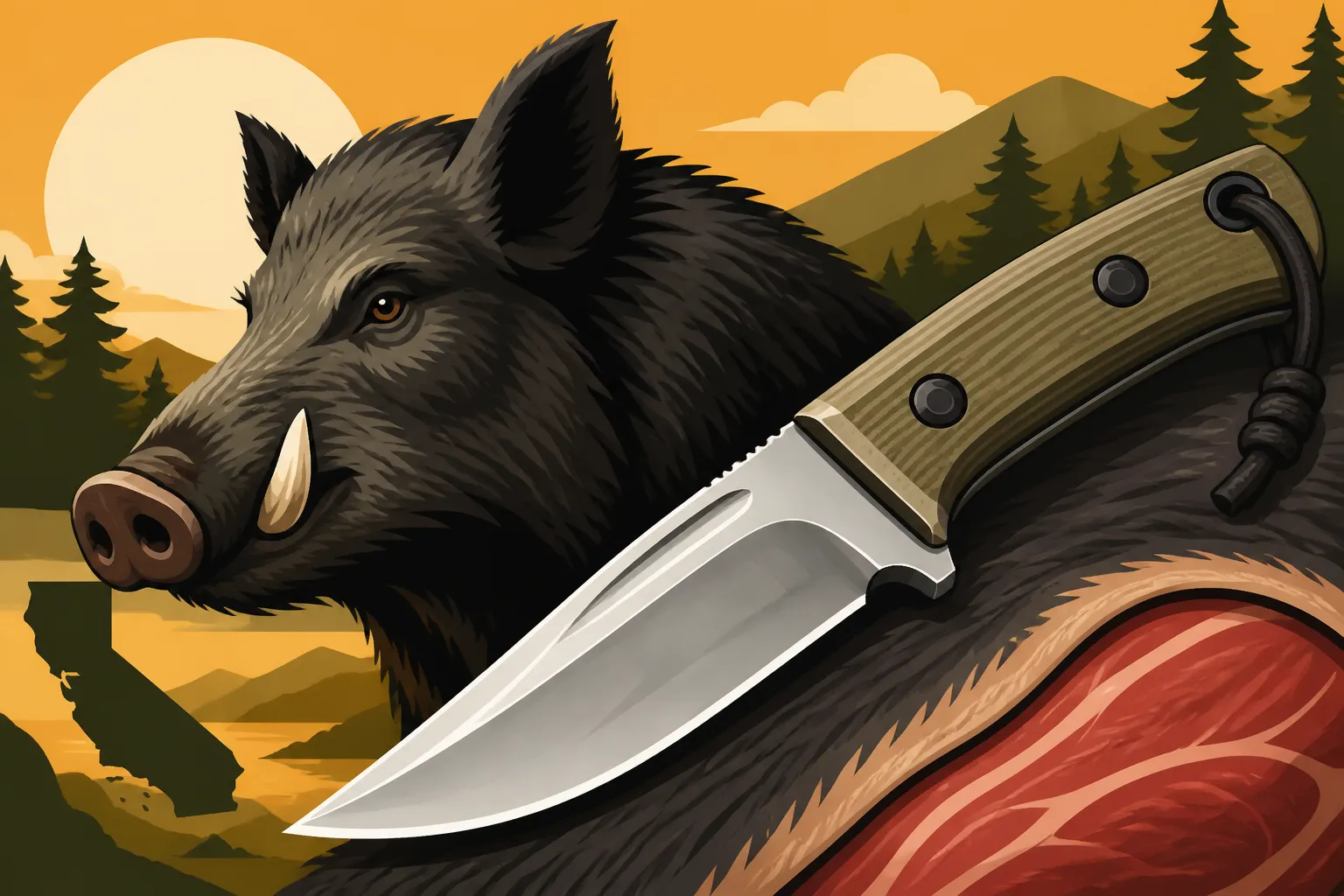
- Drop Point or Clip Point: These are general workhorse blade shapes. A drop point provides a strong, thick tip with a gradual curve to the belly, making it good for initial cuts and separating hide without puncturing internal organs accidentally. A clip point has a more acute, often sharper tip, which can be useful for more precise work around joints or glands. The belly (the curved part of the blade) is crucial for skinning, as it allows for long, sweeping cuts to separate the hide from the muscle and fat.
- Blade Length: For pig skinning, a blade length between 3.5 and 5 inches is often ideal. Too short, and you lose leverage and cutting surface for those long hide-separating cuts. Too long, and it becomes unwieldy for fine work and increases the risk of accidental punctures. A shorter, more maneuverable blade is generally better for working inside the body cavity, while a slightly longer one excels at separating large sections of hide.
- No Gut Hook: While some deer hunting knives feature a gut hook, it's generally not recommended for pig skinning. Pig hide is often too thick and tough for a standard gut hook to work efficiently, and the hook can get fouled with hair and fat, making it less hygienic and more difficult to clean. Focus on a sharp, well-designed belly for opening the cavity and making cuts.
Handle Ergonomics and Safety
You’ll be spending a fair amount of time with this knife in your hand, often in messy, slippery conditions. A well-designed handle is critical for both comfort and safety.
- Non-Slip Material: Look for handle materials that offer a secure grip even when wet or bloody. G-10, textured synthetics like Kraton or Zytel, rubberized compounds, or micarta are excellent choices. Smooth wood or polished bone, while aesthetically pleasing, can become dangerously slippery when processing game. The texture should provide positive retention without creating hot spots that cause blisters during prolonged use.
- Ergonomic Shape: The handle should fill your hand comfortably, allowing for a firm grip without cramping. Finger choils or a guard can significantly improve safety by preventing your hand from sliding forward onto the blade, especially when applying force. Skinning pigs can involve a lot of pushing and pulling, so a secure grip reduces fatigue and the risk of injury.
- Full Tang Construction: For fixed blades, a full tang (where the blade steel extends the full length and width of the handle) is a must. This construction offers superior strength and durability, preventing the handle from breaking or separating from the blade under stress. When you’re putting leverage on a knife to separate stubborn hide, a full tang provides peace of mind that the knife won’t fail.
Top Knife Features and Considerations for California Hunters
Beyond the basic characteristics, there are other practical elements to consider, especially for hunters navigating California's specific conditions and regulations.
Fixed Blade vs. Folding Knife for Field Use
This is a common debate among hunters, and for pig skinning, the answer often leans heavily towards fixed blades.
- Fixed Blade Advantages: A fixed blade knife, by its very nature, is stronger and more reliable. There are no moving parts to break or clog with blood and fat. They are also significantly easier to clean thoroughly, which is vital for hygiene when processing meat. For the kind of demanding work involved in skinning a wild pig, the inherent strength and rigidity of a fixed blade are a huge advantage. You can apply more force and leverage without worrying about the blade folding unexpectedly or the lock failing. Many seasoned hunters carry a fixed blade as their primary processing knife for game like deer and pigs.
- Folding Knife Considerations: While a good folding knife can be incredibly convenient for everyday carry and lighter tasks, it’s generally not ideal for primary pig skinning. The pivot point can become a collection area for grime, making cleaning difficult. The lock mechanism, even on robust folders, can fail under extreme stress. If you choose to carry a folder as a backup or for lighter tasks, ensure it has a strong lock like a frame lock, liner lock, or axis lock, and that it's designed for heavy use.
Ultimately, for the dedicated task of skinning a wild pig, a fixed blade provides the necessary strength, hygiene, and peace of mind.
Sharpening and Maintenance in the Field
Even the best blade will eventually dull when cutting through tough pig hide and fat. Being able to maintain its edge is crucial for efficiency and safety.
- Carry a Sharpener: Always carry a compact, reliable sharpening tool. This could be a small diamond sharpener, a ceramic rod, or a pocket-sized field sharpener. Just a few passes on a dull blade can restore enough of an edge to finish the job without excessive effort. Trying to push a dull blade through tough hide is not only frustrating but also dangerous, as it increases the chance of slipping and cutting yourself.
- Regular Cleaning: As you work, wipe your blade clean frequently to prevent fat and hair buildup. A quick wipe-down with a paper towel or rag can make a world of difference in performance. After you're done, clean the knife thoroughly with soap and water, dry it completely, and if it's not fully stainless, apply a thin coat of oil to prevent rust. This meticulous care ensures your knife is ready for your next hunt, perhaps when you're Hunting Pigs Without a Closed Season or pursuing other game.
Legality and Carry Considerations in California
California has its own set of knife laws that hunters should be aware of, especially concerning fixed blades. While a knife used for hunting and field dressing is generally seen as a tool, understanding how you can legally transport and carry it is important.
- Open Carry for Fixed Blades: In many parts of California, fixed blade knives must be openly carried in a sheath on your person. Concealing a fixed blade can lead to legal issues. When you're actively hunting on public land or driving to and from your hunting grounds, ensure your knife is appropriately carried and readily identifiable as a hunting tool. Always double-check local county or city ordinances, as some areas may have stricter rules.
- Vehicle Transport: When transporting your knife in a vehicle, it should be secured in a sheath and not readily accessible, often in a trunk or secured gun case if you're carrying firearms. These details might seem minor, but staying compliant means you can enjoy your hunting experience without unnecessary legal hassles. California Legal Firearms for Deer Hunting also have strict transport rules, and it's wise to apply a similar cautious approach to knives.
Putting It All Together: Choosing Your Ideal Pig Skinning Knife
So, you've learned about the unique challenges of wild pigs and the key features to look for. Now, how do you make that final decision?
Balancing Cost and Performance
It's tempting to think that you need to spend a fortune to get a good pig skinning knife, but that's not always the case. There are fantastic knives available at various price points, but generally, you get what you pay for when it comes to blade steel and handle materials.
- Investment in Quality: A good quality knife is an investment that will last for years, often a lifetime, with proper care. Instead of buying several cheap knives that dull quickly and might fail, consider investing in one or two high-quality fixed blades. They will hold an edge better, be more comfortable to use, and ultimately make your field dressing and skinning experience much more enjoyable. Think of it as investing in an essential tool for your craft, just like you would Choosing Non-Lead Rifle Ammunition in California or quality optics.
- Research and Reviews: Don't just grab the first knife you see. Read reviews, talk to other experienced pig hunters, and check out what's available. Platforms like GoHunt often feature reviews and discussions about essential hunting gear, including knives specifically for processing game. Many seasoned hunters will have tried a variety of knives over the years and can offer valuable insights.
Practical Scenarios and Recommendations
Consider the scenarios you'll most often find yourself in. Are you doing a quick field dress and quartering to pack out, or are you planning a full skin-and-process at camp?
- Field Dressing in the Bush: For breaking down an animal quickly for pack-out, a moderately sized fixed blade (4-5 inches) with a sturdy drop point and excellent edge retention is ideal. Something like a tried-and-true Fällkniven F1, an ESEE-4, or a sturdy knife from Benchmade's hunting line could serve you well. These knives are designed for rugged use and maintain their edge even through tough hide. This type of knife is also perfect for general camp tasks and butchering at home. You can find more discussions about specific Knives and Processing Gear for Field Dressing on various hunting forums.
- Dedicated Skinning at Camp: If your plan is to do more detailed skinning at camp, where you might have access to more tools, you could consider a slightly different blade profile. Some hunters prefer knives with a more pronounced belly, similar to a traditional skinner, but still with a robust blade. Often, a good all-around hunting knife can handle both tasks, but having a dedicated skinner can make the hide removal process smoother, especially for large animals. Remember, when you get back to camp, you'll still need to promptly Reporting a Pig Harvest Through ALDS, so make sure your processing doesn't delay that critical step.
Personal Preference and Trial
Ultimately, the "best" knife for skinning a wild pig is the one that feels best in your hand and performs reliably for you. What works perfectly for one hunter might not be ideal for another.
- Handle Before You Buy: If at all possible, try to handle a knife before purchasing it. Visit a local outdoor gear store or attend a hunting expo. Grip it, test its balance, and imagine yourself making those long, sweeping cuts or intricate movements around joints. The handle should feel like an extension of your hand, allowing for confident, precise control. This is where personal ergonomics truly come into play. A solid starting point for many hunters is checking out gear reviews on hunting communities and sites like GoHunt.
- Start with a Reliable Workhorse: If you're new to pig hunting or looking to upgrade, start with a well-regarded, mid-range fixed blade from a reputable brand. As you gain experience, you'll develop a better understanding of what specific features you prefer and how different blade steels perform for you. The investment in quality gear, perhaps after consulting resources like GoHunt, pays dividends in safety, efficiency, and overall hunting satisfaction.
California wild pigs present a unique challenge, but with the right knife, chosen thoughtfully and maintained meticulously, you can turn a demanding task into a satisfying part of your hunting experience.
Disclaimer
This article is for general informational purposes only and does not constitute professional advice. Laws, prices and regulations vary by location and change over time. Consult a qualified professional for guidance on your specific situation.