Hunting a Funnel Between Two Oak Ridges
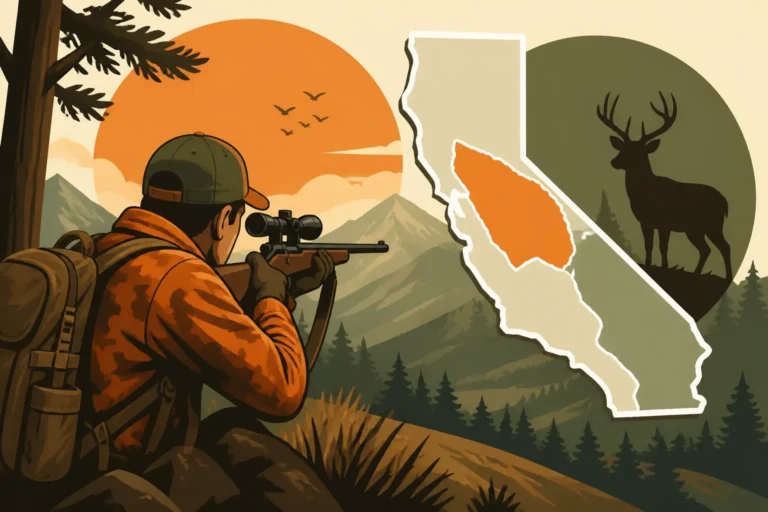
If you've spent any time hunting the rolling hills and deep canyons of California's oak woodlands, you know the frustration of deer seemingly vanishing into thin air. One moment you're seeing signs, the next it's dead quiet. The truth is, deer are masters of efficiency, and they'll always take the path of least resistance or greatest security. That's why understanding and hunting the natural funnels between two oak ridges can be an absolute game-changer, turning those elusive encounters into consistent opportunities. This guide is all about helping you pinpoint these secret highways and adapt your strategy to intercept those wary California deer.
Understanding the "Funnel" Concept in California Oak Woodlands
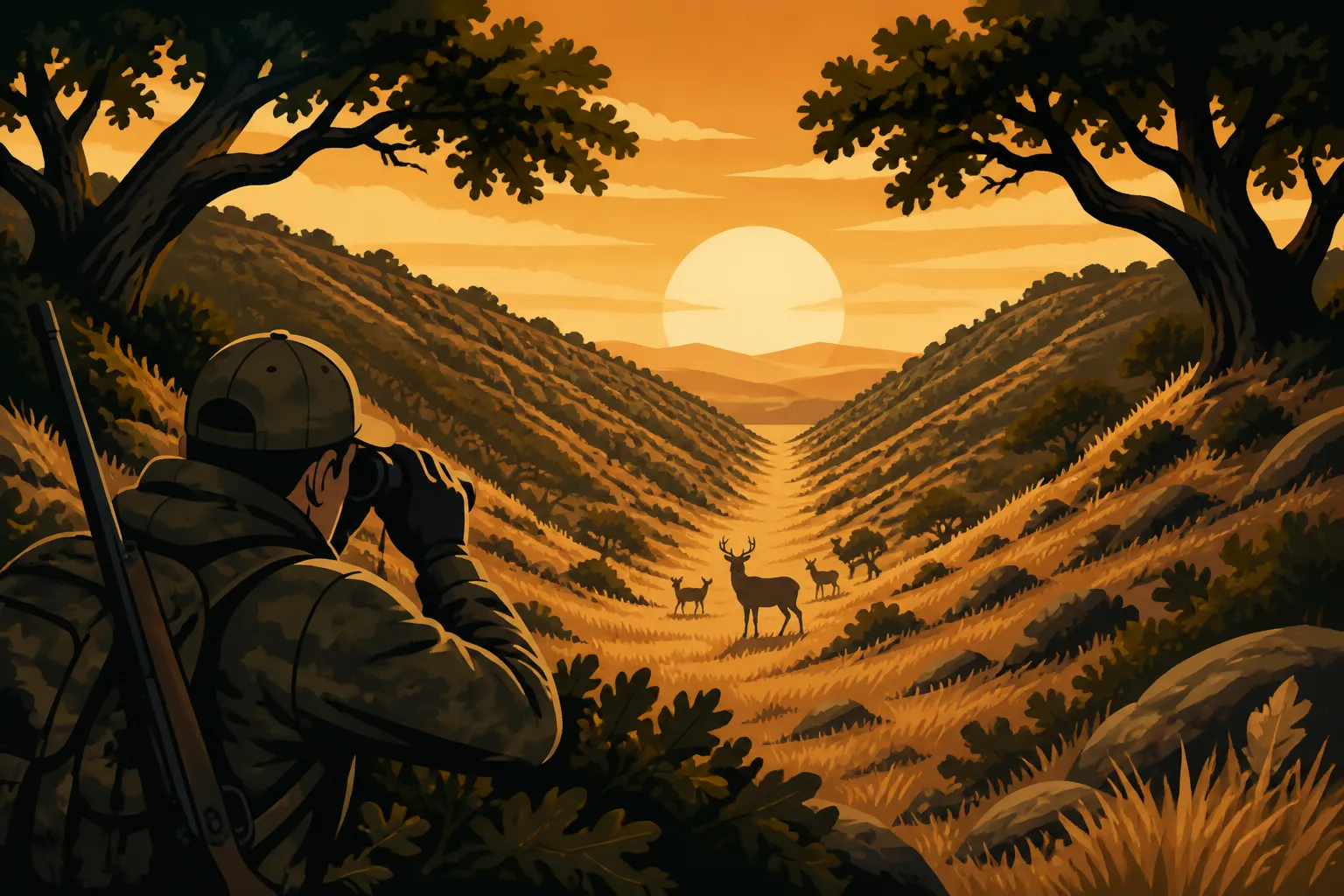
The term "funnel" in hunting refers to any terrain feature or vegetation pattern that naturally constricts deer movement into a narrower path. Think of it like a bottleneck that forces animals through a specific area, increasing your chances of an encounter. In California's diverse oak woodlands, these funnels aren't always obvious to the untrained eye, but they are absolutely critical travel corridors for deer.
What Makes a Funnel in California's Terrain?
California's unique topography, from the steep slopes of the Coastal Range to the rugged foothills of the Sierra Nevada, plays a huge role in creating these natural funnels. While the general principle is universal, the specific characteristics in California often involve a combination of elevation changes, vegetation density, and water sources.
For instance, a classic funnel might be a saddle or a dip in a ridge line that connects two larger, higher oak ridges. Deer, much like us, prefer to avoid unnecessary climbing or traversing thick, impassable brush if an easier route is available. These saddles act as natural pathways, allowing them to move between different slopes or drainages with less effort. Similarly, a steep canyon bottom with sparse cover might force deer to walk along a more accessible, slightly elevated bench or a game trail just below the rim. Look for areas where dense chaparral suddenly gives way to more open oak stands, or where a creek bottom narrows significantly. These transitions create predictable travel lanes.
Why Deer Use Them: Efficiency and Security
Deer utilize funnels primarily for two reasons: efficiency and security. They are constantly moving between bedding areas, feeding grounds, and water sources, and funnels offer the most direct and safest routes. Understanding these motivations is key to anticipating their movements.
Imagine a herd of California blacktail deer bedding on the north-facing slope of one oak ridge, seeking cooler temperatures in the shade, and needing to reach a prime acorn flat on a south-facing slope across a ravine for their evening meal. Instead of scrambling straight up and down steep, brushy terrain, they'll often utilize a subtle saddle between the ridges or follow a well-worn trail along a less exposed contour. These routes offer them both an easier climb and often more cover than trying to navigate wide-open areas. They also provide a sense of security, allowing deer to move with minimal exposure to predators, including hunters. During the rut, these funnels become even more active, as bucks actively cruise these predictable routes searching for does. Learning more about Where California Blacktail Bucks Bed can give you an edge in understanding their daily patterns.
Scouting and Identifying Key Funnels Between Oak Ridges
Successfully hunting funnels isn't about luck; it's about diligent scouting, both from your armchair and with your boots on the ground. You need to become a detective, piecing together clues to understand exactly how deer are using the landscape.
Map Reconnaissance and Digital Tools
Before you even step foot in the woods, the best place to start your funnel hunt is with high-quality topographical maps and satellite imagery. Tools like GoHunt are invaluable for this initial phase, allowing you to virtually "walk" the terrain from the comfort of your home. You'll want to look for several key features:
- Saddles and Benches: These are dips in ridge lines or flat shelves along steep slopes. They are prime candidates for funnels, especially if they connect two distinct areas of interest (e.g., dense bedding cover to a known food source).
- Drainages and Creek Bottoms: Pay attention to how these features intersect with ridges. Where a drainage narrows or forces deer to climb out onto a ridge, a funnel is likely.
- Vegetation Changes: Look for areas where dense cover transitions to more open ground, or where different types of trees meet. These "edges" are often natural travel corridors. GoHunt's satellite imagery can help you pick out these subtle changes that might not be obvious on a topo map alone.
- Contour Lines: Tight contour lines indicate steep terrain, while spaced-out lines show gentler slopes. Deer will almost always favor the easier gradient, so look for breaks in steep country. By studying Reading Aerial Photos for Sierra Deer, you can become much more adept at identifying these patterns.
Once you've identified potential funnels on your maps, mark them for further investigation. Don't be afraid to mark several, as not all of them will pan out.
Boots-on-the-Ground Verification
After your digital scouting, it's time to hit the field and verify your hypotheses. This is where the real work begins, and it's also where you gather the most specific, current information.
Walk the potential funnel areas, looking for definitive signs of deer activity. What you're looking for is a well-used deer trail – a worn path on the ground, often with disturbed leaves or dirt. While deer don't always use the exact same path every time, a well-established trail indicates consistent use. Also, keep an eye out for other signs such as fresh droppings, rubs on small trees, and scrapes on the ground, especially during the pre-rut and rut. Fresh sign confirms that deer are actively using the funnel.
Consider the surrounding terrain as well. Is there good bedding cover nearby on a north-facing slope? Is there a water source in a canyon bottom? Are there acorns dropping from the oak trees, providing a current food source? All these factors influence deer movement and confirm the importance of the funnel you've found. Remember, Finding Sign in a Coastal Oak Woodland is an art form, and the more time you spend scouting, the better you'll become at it. This on-the-ground verification is crucial for understanding how the local deer population is actually interacting with the landscape, rather than just guessing from a map.
Effective Hunting Strategies for Oak Ridge Funnels
Once you've identified and verified a promising funnel, the next step is to strategize how to hunt it effectively. This involves careful consideration of wind, thermals, stand placement, and timing.
Stand or Blind Placement for Optimal Advantage
Choosing the right location for your treestand or ground blind within a funnel is paramount. The primary goal is to remain undetected while having a clear shot opportunity.
First and foremost, always consider the wind. Deer have an incredible sense of smell, and if your scent drifts into their travel corridor, your hunt is over before it begins. Position your stand or blind downwind of the expected deer travel path. This often means setting up on the leeward side of a ridge or in a position where the prevailing breeze carries your scent away from the funnel. In California's hilly terrain, thermals also play a significant role. In the mornings, air currents typically flow downhill as the sun warms the upper slopes. In the evenings, they tend to reverse and flow uphill as the ground cools. You must account for these shifts. Setting up too early or staying too late can expose your scent to deer moving into or out of the funnel.
Beyond wind and thermals, think about shot opportunities and cover. Can you see enough of the funnel to make an ethical shot? Is there enough natural cover around your stand or blind to break up your silhouette? Don't be afraid to trim a few small branches for shooting lanes, but do so minimally and subtly. For a successful ambush, you need to be invisible. If you're using a ground blind on BLM land, make sure to brush it in thoroughly so it blends seamlessly with the natural environment.
Timing Your Hunt for Peak Movement
Deer activity within funnels isn't constant; it fluctuates with the time of day, season, and even specific weather patterns. Your timing can make all the difference.
Generally, the most active times for deer movement in funnels are dawn and dusk, when they are transitioning between bedding and feeding areas. If you've located a funnel connecting a dense bedding thicket to an acorn-rich flat, plan to be in your stand well before first light and stay until legal shooting hours end in the evening. During the rut, bucks will use these funnels at all times of day, so extended sits can be highly productive. This is also a good time to consider employing tactics like Rattling Volume in Thick Chaparral or using Grunt Calls in Coastal Oak Timber to attract cruising bucks.
Weather also impacts deer movement. A cold front moving in can often trigger increased activity, as deer know a change is coming. Conversely, extremely hot days in August or early September might mean deer primarily move under the cover of darkness, making midday hunts less fruitful. Keep an eye on the forecast and adjust your hunt times accordingly. Also, consider the specific food sources available. A great resource is knowing Late-Season Food Sources for California Deer, as deer will adjust their travel to exploit new food opportunities.
Dealing with Challenges and Adapting Your Approach
No hunt is ever perfectly predictable, and hunting funnels in California comes with its own set of challenges. Being able to adapt your approach is a hallmark of a successful hunter.
Navigating Wind and Thermals in Steep Country
One of the biggest headaches when hunting California's steep, broken terrain is the unpredictable nature of wind and thermals. What might seem like a consistent wind on a flat map can be wildly different in a canyon or along a ridge line.
Understanding Wind and Thermals in Steep Sierra Country is crucial. As mentioned, thermals rise in the morning and fall in the evening. However, a strong crosswind can override these thermal drafts, and localized topography can create swirling winds in bowls or at the confluence of drainages. Always carry a wind checker (a small bottle of powder or thread) and use it frequently to monitor air currents. If the wind starts to swirl or shifts unfavorably, you have two options: either reposition immediately if possible and safe, or, more often, call it a day and return when conditions are more favorable. Pushing a bad wind often spooks deer, making them even warier of that particular funnel. Sometimes the best strategy is patience and knowing when to retreat.
Adapting to Pressure and Changing Conditions
California's public lands, while vast, can experience significant hunting pressure, especially in easily accessible areas. Deer are smart, and they quickly learn to avoid areas where they feel threatened. This means your "perfect" funnel might become less productive if other hunters are regularly pushing through it.
If you find that a funnel you've scouted is heavily pressured, you'll need to adapt. This might mean pushing deeper into the backcountry where fewer hunters venture, or focusing on midweek hunts when crowds are smaller. You might also need to find more subtle funnels – those less obvious dips or vegetation changes that other hunters overlook. Sometimes, pressure can actually push deer into these tighter, more secure funnels, making them even more valuable if you're the only one hunting them.
Furthermore, conditions change throughout the season. Early season hunts in Zone A might be scorching hot, requiring specific clothing and hydration strategies. Later in the season, after a heavy acorn crop has been depleted, deer might shift their focus to other food sources. Always observe and learn from your hunts. Did the deer come from where you expected? Were there new signs of activity? Use every outing as an opportunity to refine your understanding of that specific funnel and the deer using it. By regularly scouting and adapting your strategy, you can turn a good funnel into a consistently productive hunting spot, year after year. For guidance on preparing for these varying conditions, check out tips for Best Camo for Oak Woodland in August to stay hidden.
Comparison of Funnel Types and Scouting Methods
Here's a quick look at different types of funnels you might encounter in California's oak country and how to best scout them:
| Funnel Type | Description | Best Digital Scouting Cues | Key On-the-Ground Verification Signs | Hunting Considerations |
|---|---|---|---|---|
| Ridge Saddle | A dip or low point in a ridge that connects two higher points. | Clear elevation change, contour line pinch. | Well-worn trail across the saddle, fresh tracks. | Excellent for ambush points, consider cross-ridge wind. |
| Creek Pinch Point | Where a drainage or creek narrows, forcing deer onto specific banks/benches. | Contour lines converging along a water feature. | Trail along the bank, tracks near water's edge. | Watch thermals along water, good for morning/evening water runs. |
| Vegetation Edge | Where dense cover (chaparral) meets more open timber (oak stands). | Distinct color/texture changes on satellite imagery. | Scrapes, rubs, deer trails paralleling the edge. | Good for still-hunting the edge, or stand on crossing points. |
| Steep Canyon Bench | A relatively flat, narrow ledge along an otherwise steep canyon wall. | A "step" in tight contour lines on a steep slope. | Deer trails worn into the bench, droppings. | Can offer high vantage, but difficult access and unpredictable winds. |
| Old Road/Trail | Abandoned logging roads or old ranch trails that cut through dense areas. | Straight lines cutting through dense vegetation on satellite. | Tracks, droppings, consistent vehicle-width path. | Easier travel for deer, often pressured. Hunt edges, not directly on path. |
Disclaimer
Please ensure you are aware of and comply with all current California Department of Fish and Wildlife (CDFW) regulations, including licensing, tag requirements, season dates, and legal hunting methods, before embarking on any hunt. Always prioritize safety for yourself and others in the field. Hunting regulations can change, so always check the latest official CDFW guidelines.