Hunting Pigs Without a Closed Season
One of the biggest frustrations for hunters in California is navigating the complex maze of seasons and regulations. For many popular game species, you're constantly checking calendars, crossing your fingers for drawing results, and rushing to get out before a short season closes. But when it comes to wild pigs, there’s a refreshing simplicity: no closed season. This guide will dive deep into why that is, how you can capitalize on year-round opportunities, and the strategies you'll need to be successful whether you're chasing them in the scorching heat of August or the crisp chill of December.
Understanding California's Year-Round Wild Pig Season
Unlike deer, elk, or bear, wild pigs in California aren't native species. They're an introduced, invasive animal that poses significant ecological and agricultural threats across the state. This distinction is crucial to understanding why their hunting regulations are so different. The California Department of Fish and Wildlife (CDFW) manages wild pigs not just as a game animal, but also as a pest species, and as such, efforts to control their population are ongoing and less restrictive.
The Biological and Management Rationale
California's wild pig population, primarily a mix of domestic swine escaped from ranches and European wild boar hybrids, has exploded since their introduction centuries ago. They're incredibly prolific breeders, capable of producing multiple litters per year with large litter sizes. This rapid reproduction rate means that even with consistent hunting pressure, their numbers can remain robust. From a management perspective, a year-round hunting season is a tool to help mitigate their impact.
They cause extensive damage to agricultural crops, vineyards, and rangelands by rooting up fields, eating saplings, and contaminating water sources. Beyond agriculture, their destructive rooting can devastate sensitive ecological habitats, destroy native plant communities, and even impact ground-nesting bird populations. The CDFW acknowledges these widespread issues, and maintaining a continuous hunting season is part of the broader strategy to manage their numbers and minimize their environmental footprint. Because of this, you'll also find that California's Year-Round Wild Pig Tag is a relatively simple permit to obtain, costing less than many big game tags. There are no bag limits on wild pigs, another testament to their status as an invasive species rather than a managed native game animal with conservation concerns.
Impact on Hunting Opportunities
The lack of a closed season presents unparalleled opportunities for hunters. It means you don't have to pack all your pig hunting into a short window. If you strike out during deer season, you can shift your focus to pigs. If you're looking for an off-season challenge, pigs are always an option. This flexibility allows for better scheduling, more scouting time, and the chance to hunt pigs in various conditions and habitats throughout the year. It's a huge benefit for those looking to maximize their time afield, or for hunters who simply want to put wild, organic protein on the table consistently. This year-round access also means you can experiment with different hunting methods depending on the weather and pig behavior, from spot-and-stalk to still-hunting.
Locating Wild Pigs Throughout the Year
While the season might be open year-round, pigs aren't static. Their behavior, preferred habitats, and food sources shift dramatically with the seasons, driven largely by weather patterns and the availability of sustenance. Understanding these shifts is key to consistent success.
Seasonal Habitat and Food Preferences
- Spring (March-May): As winter rains fade and temperatures rise, spring is a time of lush green-up. Pigs will often be found in open areas, especially those with new grass shoots and emerging forbs. They're still focused on water sources, but the overall landscape is more forgiving. Creek bottoms and irrigated pastures become prime spots. Keep an eye out for areas with soft earth where they've been rooting for tender plant bulbs and grubs.
- Summer (June-August): This is arguably the toughest time to hunt pigs in much of California due to extreme heat and dry conditions. Pigs become primarily nocturnal, seeking refuge in dense, shaded cover during the day. Water sources become paramount, so focus on springs, stock ponds, and riverbeds. Look for wallows—muddy depressions where they cool off and deter parasites. Feed-wise, they'll be keying in on early ripening fruits, berries, and agricultural crops if available. A great resource for locating potential hotspots, especially on public land, is by using mapping tools like GoHunt, which can help pinpoint water sources and dense cover.
- Fall (September-November): Fall is often considered prime pig hunting season, especially when the acorns start to drop. Oak woodlands, particularly those with a good mast crop, will draw pigs like a magnet. They'll gorge themselves on acorns, which are a highly nutritious and readily available food source. Beyond acorns, they'll still utilize agricultural fields, especially those that have recently been harvested, looking for leftover grains. This is an excellent time for hunting Pigs on Central Coast Oak Ranges.
- Winter (December-February): As temperatures drop and rains return, pigs will continue to forage for acorns if they're still available, or shift to rooting for subterranean bulbs and tubers. They'll also seek out areas with dense cover for warmth and protection from storms. Southern-facing slopes that catch more sun can be attractive, as can dense chaparral thickets or riparian corridors. Access to private land, often found by knocking on Doors in California Ranch Country, can be particularly productive in winter as pigs may concentrate on specific food plots or pastures.
Scouting and Trail Camera Strategies
Year-round hunting means year-round scouting. Don't limit your pre-season efforts to just a few weeks before an opener. Regular scouting trips are crucial to understand current pig movements and patterns.
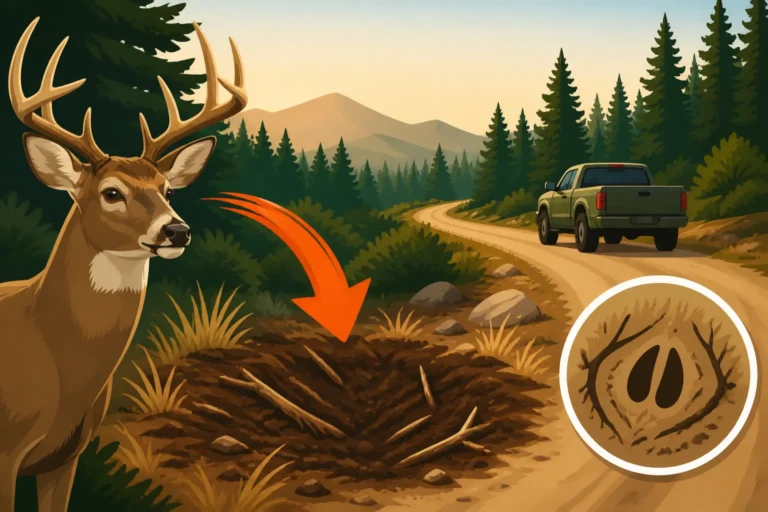
- Sign, Sign, Everywhere: Look for fresh rooting, tracks (cloven hoofprints, often wider and more splayed than deer), scat, and rubs on trees where boars mark their territory. Wallows are also clear indicators of pig presence. The freshness of the sign will tell you if pigs are actively using the area. Knowing how to read mud for fresh deer movement applies equally to pigs, as recent tracks indicate current activity.
- Trail Camera Placement: Trail cameras are invaluable for year-round pig hunting. In summer, place cameras on known water sources or heavily used trails leading to dense bedding areas. In fall, concentrate them in oak woodlands to monitor acorn consumption. Even in winter, cameras can reveal which dense thickets pigs are utilizing for shelter and where they're feeding. Cellular trail cameras can be especially useful for remote public land, allowing you to monitor activity without disturbing the area.
- Utilizing Technology: Tools like GoHunt's mapping overlays can highlight historical hot spots, public land access points, and key terrain features like creek beds, dense timber, and elevation changes that pigs might favor. Pay close attention to areas that transition from dense cover to food sources, or those that offer easy access to water. Scouting With the CDFW Hunting App can also provide useful information on land ownership and potential access points.
Seasonal Hunting Tactics for Wild Pigs
With pigs available throughout the year, your approach needs to be as adaptable as the pigs themselves. The strategy you employ in the scorching heat of August will be vastly different from a crisp December morning.
Hot Weather Hunting Strategies
Hunting pigs in the heat of summer can be brutal, but also highly rewarding if you play your cards right. The key here is understanding their need for water and shade.
- Early Morning and Late Evening Ambush: During summer, pigs are largely nocturnal to avoid dehydration and overheating. Your best bet is to be in position at first light or the last hour of daylight, ambushing them as they move to or from bedding areas and water sources. Set up near a known water hole, a wallow, or a shaded travel corridor.
- Focus on Water Sources: As temperatures soar, water is life. Identify every spring, pond, creek, or seep in your hunting area. Pigs will visit these spots regularly. Look for fresh tracks in the mud around these areas. Setting up a ground blind, or even just brushing in a blind on a field edge, near a secluded water source can be highly effective. Remember, pigs don't necessarily drink from open water like deer might; they often prefer muddy wallows where they can also cool off.
- Still-Hunting Dense Cover: During the midday heat, pigs will be holed up in the thickest, coolest cover they can find – dense riparian zones, brushy canyons, or dark timber stands. Still-hunting these areas slowly and quietly can sometimes yield results, but be prepared for close-range encounters and explosive getaways. This requires extreme patience and a keen eye for subtle movement.
Cold Weather and Acorn Season Approaches
As temperatures cool and fall transitions into winter, pig behavior shifts dramatically. This is when food, particularly acorns, becomes the primary driver.
- Oak Woodland Focus: When acorns are dropping, pigs will often abandon other food sources to gorge themselves. Spend your time in oak woodlands, especially those with mature black oak, live oak, or blue oak. Look for fresh rooting patterns under these trees and listen for the sounds of crunching acorns. This is the prime time for Hunting Coastal Range Oak Woodlands.
- Tracking and Still-Hunting: After a good rain, the soft ground in oak stands makes tracking pigs much easier. Follow fresh tracks into bedding areas or feeding zones. With cooler temperatures, pigs might be active for longer periods during the day, making still-hunting through timber and chaparral more productive. Move slowly, scan constantly, and use the wind to your advantage.
- Glassing Open Areas: In more open country, particularly where oak woodlands meet grasslands or agricultural fields, glassing can be a highly effective tactic. Find a vantage point in the early morning or late afternoon and meticulously scour slopes and creek bottoms for feeding pigs. A good spotting scope can make all the difference in picking out a boar in dense cover.
Legal Requirements and Ethical Hunting Practices
Having a year-round season doesn't mean there are no rules. It's crucial to understand California's specific regulations for wild pigs and to always uphold ethical hunting standards.
Licensing, Tags, and Reporting
- Hunting License: First and foremost, you'll need a valid California hunting license. This is your fundamental permit for hunting any game in the state.
- Wild Pig Tag: In addition to your hunting license, you must possess a California Wild Pig Tag for each pig you intend to harvest. These tags are inexpensive and can be purchased over-the-counter or online through the CDFW website or license agents. They are valid for the entire license year (July 1st through June 30th). Unlike deer or elk, there's no drawing for pig tags, and you can buy as many as you need throughout the year. Remember, you must carry your tags while hunting.
- Reporting Your Harvest: California requires you to report your wild pig harvest. This is done through the Automated License Data System (ALDS). You simply log into your account online and input the necessary information, or you can mail in the tag. This data is vital for CDFW to monitor harvest rates and manage pig populations. Reporting a Pig Harvest Through ALDS is mandatory and helps the state track these animals effectively.
Important Regulations and Best Practices
- Lead-Free Ammunition: California has a statewide non-lead ammunition requirement for all hunting. This means you must use certified non-lead projectiles for rifles, shotguns (slugs), and handguns when hunting wild pigs. This is a critical regulation to be aware of, so ensure you choose Non-Lead Handgun Ammunition Options or appropriate rifle cartridges.
- Night Hunting and Baiting: While the season is year-round, there are specific restrictions on how you can hunt. Night Hunting Rules for California Hogs are very strict; generally, hunting during the dark hours is prohibited unless you possess a depredation permit issued to a landowner. Similarly, while baiting can be effective for pigs, you must check the specific regulations on Baiting Hogs Legally in California, as rules can vary and often require landowner permission and adherence to specific guidelines to be legal.
- Fair Chase and Ethical Shots: Always strive for a clean, ethical kill. Pigs are tough animals, and a poorly placed shot can lead to a long, difficult, or even impossible recovery. Practice with your chosen weapon and ammunition to ensure proficiency. Take the time to judge your shot angle and be confident in your abilities. After the shot, track diligently, even if the pig appears to be down. Blood Trailing After Dark in California can be challenging and dangerous, so it's always better to put in the effort immediately. A quality knife, like the Best Knife for Skinning a Wild Pig, is essential for proper field dressing immediately after harvest, especially in warmer months, to ensure meat quality.
- Respecting Landowner Rights: If you're hunting on private land, ensure you have explicit permission. Always know property boundaries, especially when hunting near subdivisions or areas with mixed public/private land. Good relations with landowners are key to maintaining access and securing future hunting opportunities.
Hunting pigs in California without a closed season offers an incredible opportunity to hone your skills, spend more time in the field, and fill your freezer with delicious wild game. By understanding their seasonal patterns, employing adaptable strategies, and adhering to all regulations, you can enjoy a truly unique and accessible hunting experience that other states simply can't match.
Disclaimer
Always consult the latest California Department of Fish and Wildlife (CDFW) regulations before engaging in any hunting activities. Hunting laws and regulations can change, and it is the hunter's responsibility to be informed and compliant.