Calling a Gobbler Off an Oak Ridge Roost
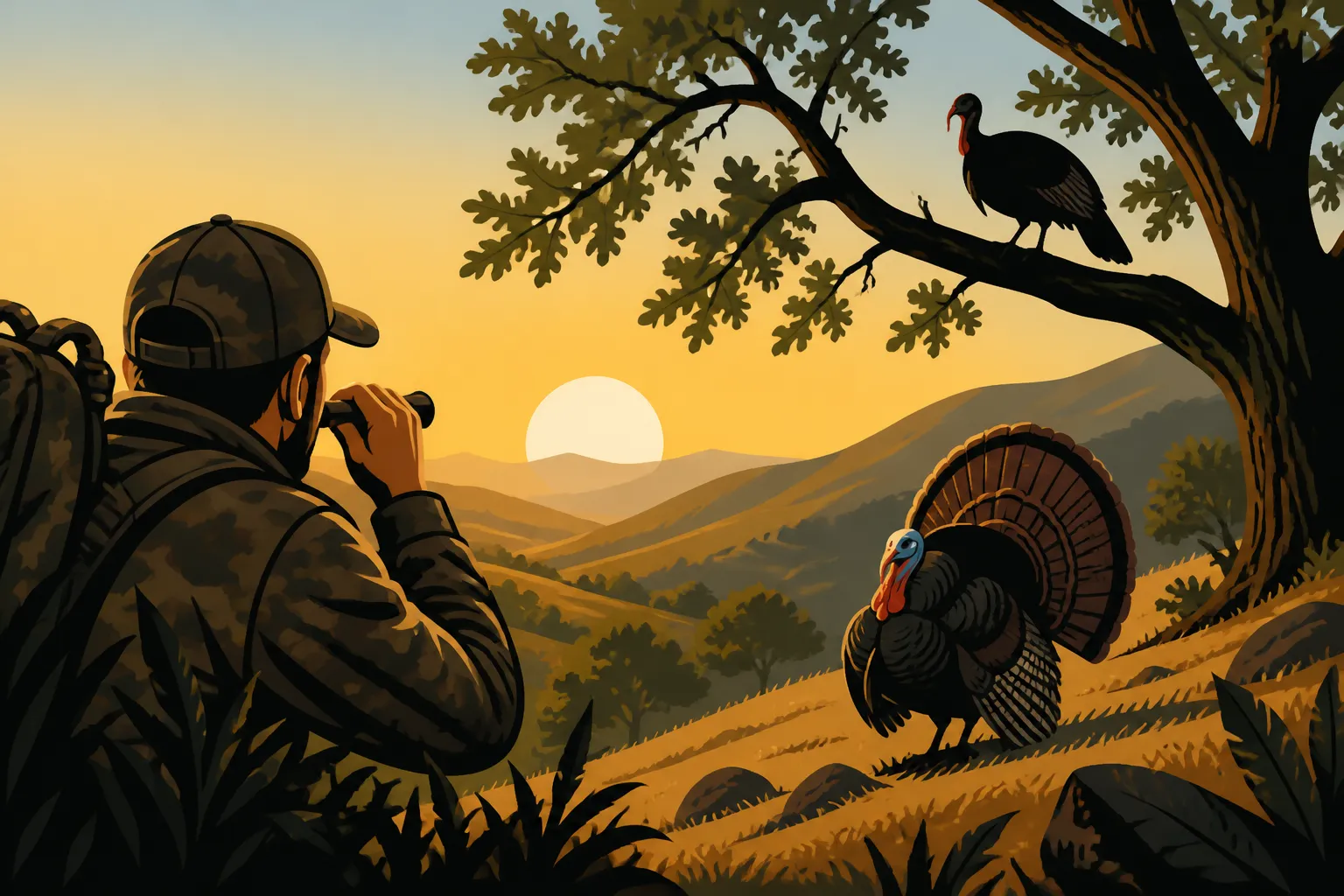
There's a special kind of frustration that settles in when you've done everything right: woken up before the stars faded, hiked miles in the dark, and slipped into position beneath a gobbler still booming from his roost tree high on an oak ridge. You're ready, but he's not. Coaxing that bird off his lofty perch and into your setup is one of the most challenging, yet rewarding, aspects of turkey hunting in California, and it often feels like they have a sixth sense for your intentions. This guide is all about giving you the tools to understand why those gobblers act the way they do on an oak ridge and how to turn their territorial boasts into a successful harvest.
The Allure and Challenge of Oak Ridge Roosts for California Gobblers
California's oak woodlands, especially those rolling hills and ridges, are prime turkey habitat. For a gobbler, an oak ridge offers a perfect combination of safety and strategic advantage, making it their preferred dormitory. Understanding why they choose these spots is the first step in figuring out how to get them off of it.
Why Turkeys Favor Oak Ridges for Roosting
Think about it from a turkey's perspective. When the sun dips below the horizon, they need a safe place to spend the night, protected from ground predators like coyotes and bobcats. A tall, sturdy oak tree on a ridge crest or steep hillside offers an unparalleled vantage point. They can see for miles, detect danger approaching from below, and have a clear flight path to pitch down in the morning.
These ridges often provide a consistent food source throughout the year. In the fall, it's all about those acorns—black oaks, valley oaks, and live oaks all drop their bounty, creating a buffet. Even outside of acorn season, the understory of oak woodlands provides insects, seeds, and greens. The open nature of many oak stands allows for easy strutting and visibility, which is crucial for a dominant gobbler looking to attract hens. They're not just picking a tree; they're choosing a prime piece of real estate that offers protection, food, and social advantages. It's truly why turkeys thrive in California oak woodland, making these areas productive, but also tricky to hunt.
The Unique Hurdles of Hunting a Roosted Bird on a Ridge
While the oak ridge offers safety to the turkey, it presents several unique challenges to the hunter. First, turkeys generally prefer to fly downhill when leaving the roost. If you're set up directly below them, they might pitch out and glide over your head or land far down the opposite slope. They also tend to be incredibly wary in the moments before fly-down. They've spent all night observing their surroundings, and any unnatural movement, sound, or silhouette will send them flying in the other direction.
Secondly, the acoustics of a ridge can play tricks on your ears. A gobble might sound like it's right on top of you, only for the bird to be a hundred yards away on a parallel finger ridge. Conversely, a distant gobble can carry deceivingly far. Also, those rolling ridges create natural travel corridors and barriers. A gobbler might pitch down onto a bench, expecting hens to be there, and then follow that contour, putting a dip or rise between you and him. The terrain itself becomes part of the chess match.
Scouting Smart: Locating the Roost and Planning Your Approach
Before you can call a gobbler off an oak ridge, you need to know exactly which ridge he's on and, ideally, which tree he's in. This isn't a game of chance; it's a game of observation and strategic planning. A successful roost hunt often begins the day before, or even earlier in the season.
Evening Recon: Pinpointing the Roost
The best way to find a gobbler's roost tree is to listen for him flying up the evening prior. As dusk settles, turkeys will often make a racket as they choose their trees, hop from branch to branch, and settle in. They'll also often gobble a few times just before dark, a "goodnight gobble," or in response to owls or coyotes. Pay attention to those sounds.
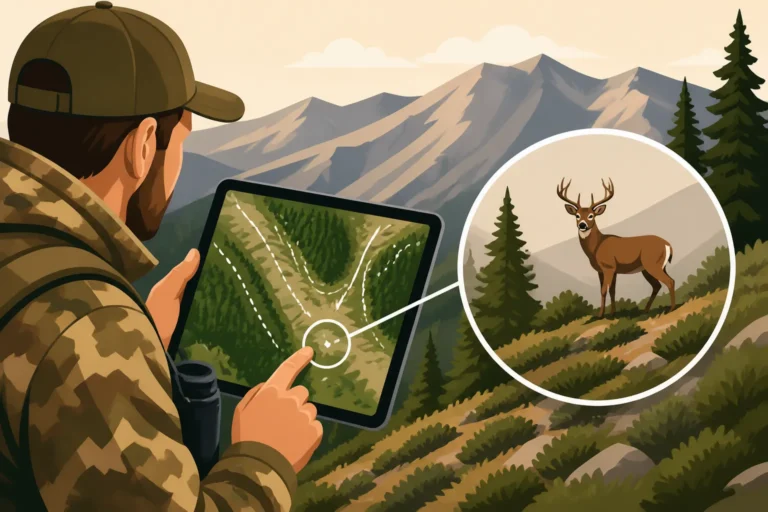
Use mapping tools to your advantage. Services like GoHunt are invaluable for scouting from home, allowing you to identify prominent oak ridges, find potential roosting areas, and plan your approach long before you ever set foot in the woods. Look for areas with mature oak trees, especially those on the upper third of a ridge or prominent points. Once you hear a bird gobble on the roost, mark its approximate location on your map. You don't need to get too close and risk spooking him; just enough to get a general idea. If you can sneak in and get eyes on him with binoculars, even better, but always prioritize stealth.
Silent Entry: Getting Into Position Before Dawn
This is where many hunters make or break their morning hunt. Turkeys have exceptional eyesight, and even in low light, they can detect movement. Your approach needs to be as quiet and deliberate as possible. Plan your route using your mapping app, choosing paths that avoid crunchy leaves, dense brush, or anything that could give away your presence. If you're hunting public land, be especially mindful of other hunters who might also be trying to get to a similar spot. Consider what obstacles you might encounter in the dark.
Aim to be in your chosen setup location at least 45 minutes to an hour before first light. This gives you time to settle in, catch your breath, and let the woods calm down around you. Remember, the birds have been listening all night, and any new sounds will put them on high alert. When you're thinking about setting up against a big valley oak, consider how its trunk and branching patterns can break up your silhouette, offering crucial concealment.
Choosing Your Setup: Angles and Escape Routes
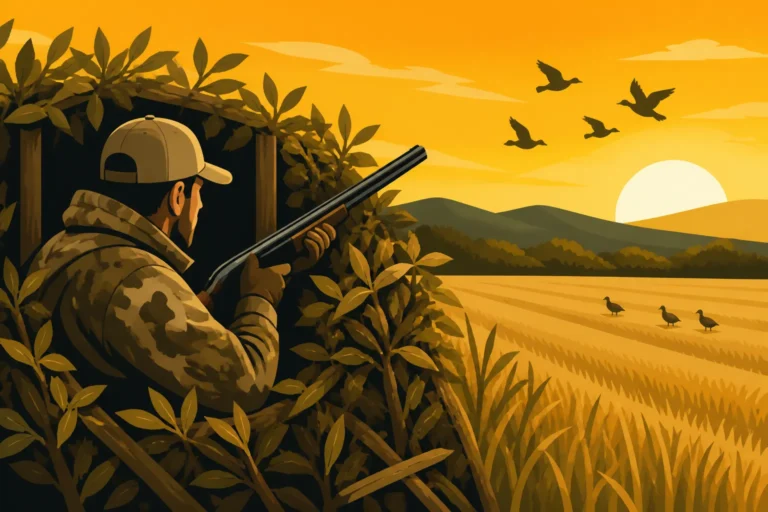
Your setup location is critical. The goal is to anticipate where the gobbler will want to fly down and position yourself in his presumed flight path, but not directly underneath him. Ideally, you want to be slightly off to one side, perhaps 50-70 yards from the roost tree, if terrain allows. This gives you a better shot angle and makes it easier for him to spot your (hopefully hidden) setup.
Face the direction you expect the turkey to fly down, or where you anticipate he'll strut upon landing. Pay attention to natural openings or small clearings on the ridge below him – these are often where they'll land. Always have good cover behind you to break up your outline, like a thick oak tree or a clump of chaparral. Make sure you have clear lanes for a shot, both when he's on the ground and potentially if he pitches directly toward you. Also, think about his escape routes. A smart gobbler will want to pitch down and head towards a flock of hens, or a known strutting area. Using tools like GoHunt can help you visualize these natural travel corridors and anticipate their movements.
Mastering the Roost Call: Strategies for Coaxing Them Down
Once you're settled in, the real mental game begins. Calling a gobbler off the roost isn't about volume; it's about timing, authenticity, and knowing when to be silent. It's a delicate dance between sounding enticing and not sounding like a threat or a decoy.
The Soft Whispers of First Light: Tree Calls
As the sky begins to lighten and the world slowly awakens, resist the urge to hammer out loud yelps. Gobblers on the roost are still assessing their surroundings, often making soft clucks and purrs to themselves or to nearby hens. Your initial calls should mimic this subtle chatter. Start with a soft tree yelp or a few quiet clucks on a pot call or diaphragm call. You're not trying to pull him off the branch yet; you're just letting him know there's a hen in the neighborhood.
Listen intently to his responses. Is he gobbling hard? Is he only clucking? A soft, contented series of purrs or clucks can sometimes be more effective than a loud yelp, especially with a bird that's heard it all before on heavily pressured California public land. Sometimes, the best call is no call at all until he starts gobbling on his own.
The Build-Up to Fly-Down: Increasing Intensity
As the light increases and you hear more turkeys begin to chatter on the roost, you can gradually increase the intensity of your calling. A series of aggressive yelps might spark a gobble, and a cut or two can sometimes get him fired up. The key is to match his enthusiasm. If he's gobbling like crazy, be a bit more aggressive. If he's just clucking, keep your calls soft and sweet.
Many experienced hunters will use a combination of calls: a soft yelp from a friction call followed by a quick series of cuts on a diaphragm. This creates the illusion of multiple hens, adding to the allure. The goal is to make him believe there are hens below him, waiting.
Table: Popular Turkey Calls for Roosted Birds
| Call Type | Description | Best Use for Roosted Birds | Pros | Cons |
|---|---|---|---|---|
| Pot Call | A striker rubbed across a slate, glass, or aluminum surface. | Soft tree yelps, clucks, purrs; moderate volume yelps | Versatile, easy to learn, realistic hen sounds | Requires movement, can be noisy if dropped |
| Box Call | A paddle rubbed across the lips of a box. | Louder yelps, cuts, gobbler locator calls | Great for volume, distinct turkey sound | Can be less subtle, not ideal for very soft calls |
| Diaphragm Call | A latex reed held in the mouth, controlled by tongue pressure. | Subtle tree calls, purrs; hands-free operation | Extremely realistic, wide range of sounds, hands-free | Steep learning curve, can get dry/stuck |
| Push-Pull Call | A small box call operated with a plunger. | Soft clucks, purrs, consistent tree yelps | Very easy to use, consistent, good for beginners | Limited range of sounds, not as versatile as pot calls |
The Moment of Truth: Fly-Down Tactics
When the gobbler starts to pitch down from his tree, often with loud wing beats, go silent. You don't want to call while he's in the air. Let him land. Many birds will hit the ground, maybe gobble once more, and then expect the hens to come to them. This is where patience is your greatest virtue.
Once he's on the ground, wait a few minutes. Then, with a soft cluck or a purr, just enough to let him know you're still there, see if he responds. If he gobbles hard, you can try a series of excited yelps to draw him in. If he's hesitant, keep your calls soft and infrequent. Sometimes, all it takes is a subtle series of soft calls to make him curious enough to close the distance. Be prepared to shoot; if he's coming, he'll likely be looking for the source of those sounds. Remember, too much calling once he's on the ground can sometimes make him suspicious.
When the Plan Goes Awry: Post-Roost Tactics
Even the best-laid plans go sideways. A gobbler might fly down in the wrong direction, land with hens and be utterly uninterested in your calls, or simply shut up after hitting the ground. Don't pack up and go home just yet! Turkey hunting is all about adaptability.
He Flew Down the Wrong Way: What Now?
It's a frustrating scenario: you've planned your approach perfectly, executed a flawless silent entry, and the gobbler is booming from his oak perch. Then, at fly-down, he pitches 180 degrees the other way, gliding silently into the next canyon or following a different ridge line entirely. This happens, especially in steep Sierra country where a bird can cover significant ground quickly.
Your immediate reaction should still be patience. Don't scramble up and try to chase him down. Turkeys can pinpoint sounds with incredible accuracy. Instead, give him about 15-20 minutes. He might have landed with a group of hens and will eventually start moving with them. Once you're confident he's moved off a bit, you have a few options:
- Repositioning: If you know the terrain well, you might be able to circle around, using terrain features (like a small hill or a drainage) to conceal your movement and try to get ahead of him. This is risky, as you can easily spook other birds or the gobbler himself. This is where Scouting California Public Land Before Season really pays off, as you’ll have a better understanding of the bird’s probable travel routes.
- Aggressive Calling: Sometimes, after a bird has pitched down and is moving away, a series of very aggressive yelps and cuts can stop him in his tracks and get his attention. It's like a desperate hen calling out to him. This is a gamble, but sometimes it works to turn a reluctant bird around, especially if he thinks he's leaving a hot hen behind.
- Sitting and Waiting: If you have reason to believe he might eventually circle back or come to a specific strutting zone later in the morning, sitting tight for another hour or two can pay off. Often, gobblers will make a circuit.
The Hung-Up Gobbler: Addressing Their Reluctance
A "hung-up" gobbler is a classic scenario: he's gobbling, he's close, but he just won't commit. He's standing just out of range, strutting and drumming, expecting you to come to him. This is usually because he's either spotted something that makes him wary, or he's with real hens and doesn't need to move.
Here's how to tackle a hung-up bird:
- Go Silent: Sometimes, the best call is no call. If he's hung up, stop calling entirely for 10-15 minutes. This can make him think the "hen" has moved off or lost interest, sometimes piquing his curiosity enough to come investigate.
- Subtle Movement: If you have a partner, one person can try a very subtle "fading" movement, slowly crawling backwards, out of sight. This simulates a hen leaving, often forcing the gobbler to advance.
- Decoy Adjustment: If you're using decoys, a subtle movement of a decoy (if possible from your position) can sometimes draw his eye and make him take those few extra steps. Be careful not to make exaggerated movements. For more on this, check out Decoy Placement for Pressured California Birds.
- Change Your Call: Switch from a yelp to a series of soft clucks and purrs, or even a different type of call altogether. A new sound can sometimes break the stalemate.
Adapt and Overcome: When Your Morning Roost Hunt Turns Into a Mid-Morning Stalk
If the roost hunt completely fizzles, don't give up on the day. Turkeys are constantly on the move, feeding and strutting throughout the morning. Your strategy now shifts from a roost setup to a mid-morning hunt.
- Listen for Distant Gobbles: Once the initial morning frenzy dies down, turkeys will often become more vocal as they move to feeding areas. Walk slowly, stop frequently, and listen. A distant gobble might lead you to a completely new opportunity.
- Scout for Sign: Look for fresh tracks, droppings, and scratch marks where birds have been feeding. Pay particular attention to oak flats or clearings on the ridge, as these are prime feeding spots. The more time you spend in these oak woodlands, the more you'll understand Grunt Calls in Coastal Oak Timber and the general movement patterns.
- Strategic Calling: As you move, use locator calls like owl hoots or crow calls to try and elicit a shock gobble without alerting the bird to your presence. Once you get a response, you can then try to close the distance and set up a new ambush.
Ultimately, calling a gobbler off an oak ridge roost in California demands patience, precision, and the ability to adapt. It's never a guaranteed thing, but with a solid understanding of turkey behavior, diligent scouting, and practiced calling techniques, you can significantly increase your odds of success and enjoy one of the most exciting forms of hunting our state has to offer. For more advanced tactics during the main season, consider reading up on Spring Turkey Hunting in California.
Disclaimer
Hunting carries inherent risks, including but not limited to injury or death. Always prioritize safety, understand and follow all California Department of Fish and Wildlife regulations, and obtain proper licenses and tags before hunting. The information provided in this guide is for informational purposes only and should not replace professional instruction or local regulations.