Pass-Shooting Geese Off a Roost Pond
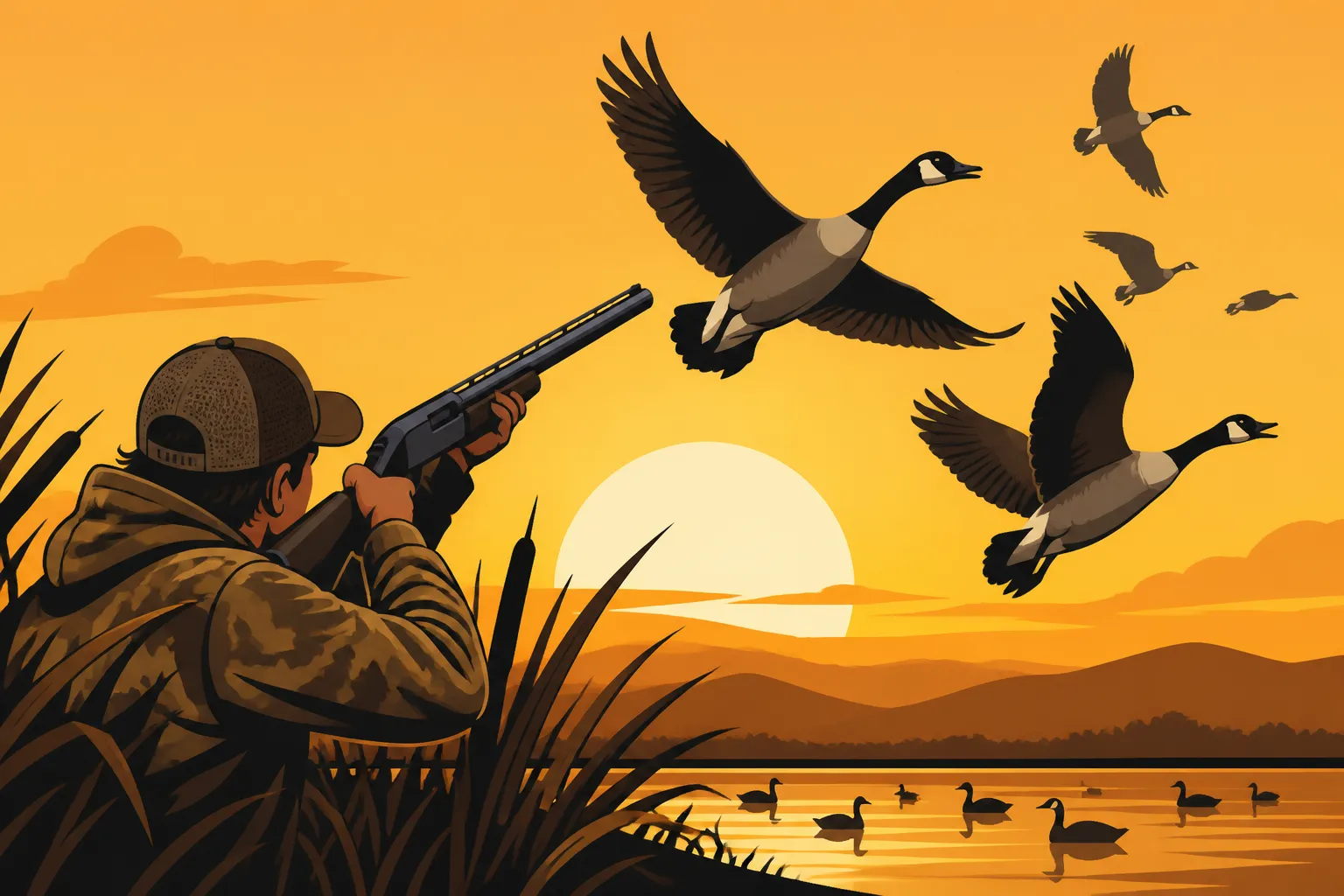
The distinct honk of geese echoing across a cold, clear morning can be an exhilarating sound, but when those birds consistently skirt your decoy spread or simply refuse to commit, it can also be incredibly frustrating. Many hunters find themselves in a tough spot, watching flight after flight of geese leave a distant roost pond, flying just out of range of a traditional setup. This guide aims to demystify the art and science of pass-shooting geese as they exit or approach their roost, giving you the knowledge and strategies to ethically and effectively connect with these challenging birds in California's diverse landscapes.
Understanding Goose Roosting Behavior and Flight Paths
To successfully pass-shoot geese, you first need to become a student of their daily routines. Geese, whether they're the ubiquitous Canada goose, the often-noisy snow goose, or the wily white-fronted goose common across California's Central Valley, all share a fundamental pattern: they roost in safe, open water bodies overnight and then fly out to feeding grounds at first light, returning again in the late afternoon. Intercepting them during these transitions is the essence of pass-shooting.
Identifying Roosting Habits and Species in California
California is a major wintering ground on the Pacific Flyway, hosting a spectacular array of waterfowl. While Canada geese are widespread, from urban parks to agricultural fields, the vast agricultural lands of the Central Valley are particularly crucial for migrating snow geese and greater white-fronted geese. Snow geese often gather in immense, dazzlingly white flocks, using large, open water bodies like flooded fields, reservoirs, or even large irrigation ditches as secure roosts. White-fronted geese, often called "specklebellies" for their distinctive chest markings, are a bit more secretive but also favor similar open water environments, though sometimes in slightly smaller groups. Understanding which species you're targeting is key, as their flight patterns and reactions can differ. For instance, a flight of snow geese might string out across a broad front, while white-fronts often move in tighter V-formations.
Knowing where these birds prefer to rest is your first step. Often, these roosts are established over generations, offering protection from land-based predators and human disturbance. Public access areas like National Wildlife Refuges and State Wildlife Areas can hold massive numbers of geese, but most hunting is restricted to designated blinds or fields. Private land, especially around large agricultural operations with reliable water sources, also hosts significant roosts. Tools like the GoHunt app can be invaluable for identifying potential water bodies and understanding land ownership boundaries, helping you pinpoint likely roosting locations and plan access.
Reading the Landscape: What Makes a Good Roost Pond?
A "roost pond" isn't always a pond in the traditional sense. It could be a flooded rice field, a large reservoir, a deep section of an irrigation canal, or even a natural lake. The common thread is security. Geese want unobstructed views to spot predators, and enough open water for a safe landing and takeoff. Think about wide-open spaces, shallow edges for loafing, and often, a lack of significant human activity. If you're scouting, look for large expanses of water that are not heavily trafficked by boats or people. Often, these areas are adjacent to prime feeding grounds like corn, wheat, or rice fields.
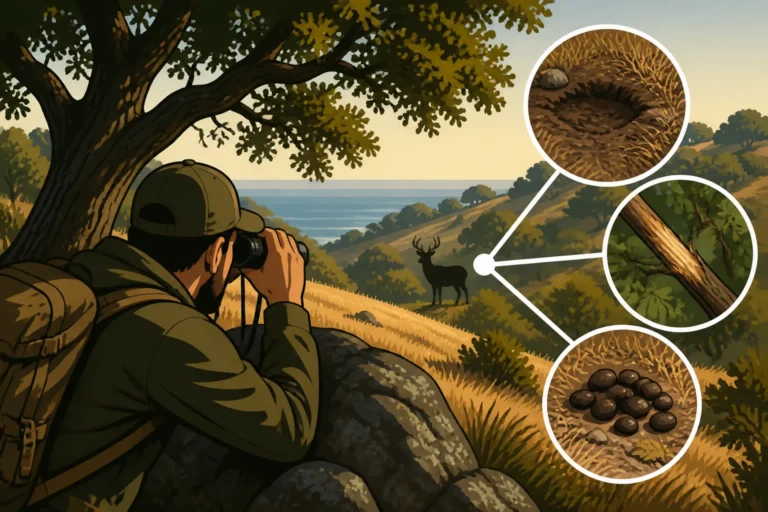
Water depth is also a factor. While geese will land in deeper water, they prefer shallower areas to rest, preen, and loaf, often only a few inches deep. This allows them to stand and move comfortably. The presence of nearby food sources, even a mile or two away, is a strong indicator of a consistent roost-to-feed pattern. Scouting these areas during non-hunting hours, observing flight lines at dawn and dusk, will give you critical intelligence. Look for the "beeline" – the most direct path the geese take between their sleeping and eating spots. This is where you want to be. You're not trying to call them into a specific spot; you're placing yourself in their natural flight path.
Timing Your Approach: Flights to and From Roosts
The magic hours for pass-shooting are typically first light, as the geese leave their roosts for breakfast, and the last hour or two before dark, as they return. The morning flight is often more concentrated, as a large portion of the flock might depart around the same time. The evening return can be more staggered, with smaller groups trickling in as the light fades.
For morning flights, you need to be in position well before legal shooting light. This means a pre-dawn hike, often in the dark, to your chosen ambush point. The same applies for evening hunts; you'll want to be set up an hour or two before sunset. This ensures you're settled, concealed, and ready when the geese start moving. Pay close attention to local sunrise and sunset times, and always consult the California Department of Fish and Wildlife (CDFW) regulations for legal shooting hours. The precise timing can also be influenced by weather conditions. A heavy fog might delay their departure, while a strong tailwind can make for incredibly fast flights, requiring quick reflexes. Understanding the local California Goose Season Dates is, of course, absolutely crucial to plan your timing.
Gear and Setup for Effective Pass-Shooting
Pass-shooting geese requires a specific set of gear and a tactical mindset that prioritizes concealment and optimal shooting positions. Unlike decoy hunting where the birds come to you, you're positioning yourself along their established highways, waiting for them to pass. This means your personal camouflage and shotgun setup are paramount.
Shotgun and Ammunition Selection
For goose hunting in California, your shotgun needs to be capable of handling heavier non-lead loads. California's lead ammunition ban is statewide for all hunting, which means you must use non-lead shotshells. This is a critical point that cannot be overstated. Steel shot is the most common and affordable non-lead option for waterfowl, but bismuth and tungsten-based loads offer superior performance, albeit at a higher cost. These denser materials retain energy better and pattern tighter, which can be a significant advantage when taking longer pass-shooting shots.
A 12-gauge shotgun is almost universally preferred for geese due to its payload capacity, allowing for heavier shot charges (3-inch or 3.5-inch shells). Barrel length is less critical than choke selection. For pass-shooting, you're often looking at longer shots, so a modified or improved modified choke is a good starting point. Some hunters even opt for a full choke, especially when using denser non-lead loads like bismuth that pattern very tightly. It’s absolutely essential to pattern your shotgun with your chosen non-lead ammunition to understand its effective range and shot dispersion. This will prevent crippling birds and ensure clean kills. For more detailed information on ammo choices, check out this guide on Steel Shot Versus Bismuth for Upland Birds.
| Shot Type (Non-Lead) | Density (relative to lead) | Cost (relative) | Max Effective Range (approx.) | Notes |
|---|---|---|---|---|
| Steel | ~70% | Low | 40-50 yards | Most common, requires larger shot size for equivalent energy. |
| Bismuth | ~96% | Medium-High | 50-60 yards | Excellent performance, softer than steel (safer for older guns), good for larger birds. |
| Tungsten Super Shot (TSS) | ~180% | Very High | 60+ yards | Extremely dense, allows for very small shot sizes with high energy, often overkill for geese but deadly. |
| Tungsten Matrix / Polymer | ~90% | Medium | 45-55 yards | Blends well, often used in areas requiring non-toxic, but can be brittle. |
Essential Field Gear for Concealment and Comfort
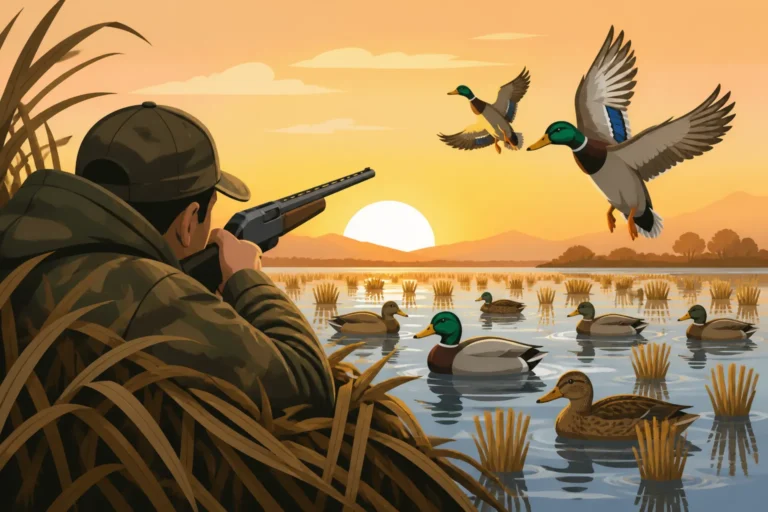
Concealment is non-negotiable for pass-shooting. Geese have incredible eyesight. You need to blend seamlessly into your environment. Dark, earth-toned camouflage is often effective, but a ghillie suit or a specialized waterfowl blind material that matches the local vegetation (e.g., dry grasses, tules, or dirt clods) can make all the difference. Portable ground blinds or layout blinds are excellent for this purpose, allowing you to disappear into a field edge or ditch. Even a simple camouflaged net draped over you can work if you remain absolutely still. Consider the local foliage – if you’re near flooded rice fields, mimic the stubble. If you're on a dirt levee, think shades of brown and tan.
Beyond concealment, comfort is key for sitting still for extended periods in potentially harsh conditions. Layers of warm, waterproof clothing are a must, as California mornings can be surprisingly cold, especially in the Central Valley. Good waterproof boots are essential, as you'll likely be dealing with wet fields or muddy edges. A small, comfortable stool or a padded seat in your blind will make the wait much more bearable. Don't forget essentials like a headlamp for navigating in the dark, water, and perhaps a small snack. Using a reliable mapping tool like the GoHunt app can help you find suitable ambush points and ensure you're on public land or have permission for private ground. It can also assist in marking retrieve points.
Using Decoys and Calls (Sparingly)
While traditional decoy spreads aren't the primary tactic for pass-shooting, a minimalist approach can sometimes be beneficial. A few full-body goose decoys placed strategically on a nearby field or even a couple of silhouette decoys can sometimes help to "finish" birds, drawing them slightly closer or causing them to alter their flight path just enough to put them in range. These aren't meant to be a full spread, but rather visual confidence builders that might give you an extra 10-20 yards of closer flight.
Calling, too, is different in pass-shooting compared to traditional decoying. You're not trying to bring them in close to land; you're trying to grab their attention and maybe get them to hesitate or fly slightly lower as they pass. Short, sharp clucks and double clucks, or a simple hail call, can sometimes cause geese to dip a wing or check their speed, presenting a better shot opportunity. Over-calling is counterproductive. Use calls sparingly, focusing on sounds that convey confidence and contentment, not frantic desperation. The goal is to make them notice your area as a safe, appealing flyway, not to commit to landing.
Strategic Considerations and Ethical Hunting
Pass-shooting can be exhilarating, but it requires discipline, quick decision-making, and a strong commitment to ethical hunting practices. It’s easy to get caught up in the excitement and take shots that are beyond your effective range, leading to crippled birds.
Choosing Your Shooting Lane and Safe Zones
Before any bird is in sight, you must mentally map out your "shooting lanes" and, more importantly, your "safe zones." A shooting lane is the arc of airspace where you have a clear, unobstructed shot at a passing bird. This means no trees, power lines, or other obstacles between you and the goose. Often, these lanes are narrow, requiring precise lead and timing. Equally, or perhaps even more, critical are your safe zones – the areas where you will not shoot. This includes any area where houses, roads, livestock, other hunters, or protected areas are present. Always know what's beyond your target. Remember, shotgun pellets can travel surprisingly far, especially when fired at an elevated angle.
When setting up, try to position yourself so that birds will be passing at a predictable height and angle. This usually means being slightly offset from the main flight path, allowing birds to fly past you rather than directly over you. This provides a better quartering or crossing shot, which often offers a larger target area and a cleaner kill. Pay attention to how geese typically fly when leaving or returning to a roost pond, often gaining or losing altitude. Positioning yourself on a slight rise or in a low ditch can adjust your perspective on these flight patterns.
Wind, Weather, and Flight Paths
Wind is your most significant ally or adversary in pass-shooting. Geese will almost always fly into the wind when taking off and landing. When leaving a roost, they will often head into the wind for a short distance to gain lift, then turn towards their feeding grounds. When returning, they will typically circle and approach their roost by flying into the wind. This knowledge allows you to predict their flight direction and speed. A strong headwind will slow them down, making for easier shots, while a tailwind can make them incredibly fast, demanding more lead.
Weather conditions also play a huge role. Clear, calm days often see geese flying higher and more widely dispersed. Overcast, foggy, or stormy conditions tend to push birds lower, making them more accessible for pass-shooting. However, adverse weather also affects visibility, so always ensure you have a clear view of your target and its surroundings. A good strategy is to use a weather app or check conditions using your phone before heading out, integrating that data with your scouting knowledge to pick the optimal location. Apps like GoHunt often have built-in weather overlays that can be a game-changer for anticipating bird movement.
Ethical Shots and Avoiding Sky-Busting
The temptation to "sky-bust" – taking extremely long shots at high-flying birds – is a common pitfall in pass-shooting. Not only is it ineffective, but it leads to a high number of wounded birds that fly off to suffer. This is unequivocally unethical and counterproductive to conservation. Your goal should always be a clean, humane kill. This means knowing your effective range for your specific shotgun and ammunition combination (as determined by patterning) and sticking to it. For most hunters with steel shot, this is typically 40-50 yards. With premium bismuth or TSS, it might extend slightly, but never indiscriminately.
If a goose is too high, too far, or its trajectory is unsafe, let it go. There will be other opportunities. Practice proper leading techniques – aiming ahead of the bird to account for its speed and your shot's travel time. This isn't like shooting clays; birds are moving much faster and often at varying angles. Focus on one bird in a flock, pick it out, swing through it, and fire. A good exercise is to visually estimate distances to landmarks around your setup so you can quickly gauge if a passing bird is within your ethical range. Being patient and selective is the hallmark of a responsible pass-shooter.
After the Shot: Retrieval and Reporting
Your responsibility as a hunter doesn't end when the shot rings out. Successfully retrieving your downed game and adhering to all legal reporting requirements are crucial components of ethical and legal hunting. Especially with waterfowl, retrieval can sometimes be the most challenging part of the hunt.
Effective Retrieval Methods, Especially in Water
Pass-shooting often occurs near water bodies or over flooded fields, which can make retrieval tricky. If you're hunting near a roost pond, expect that some downed birds might fall into the water. A good retriever dog is an invaluable asset for waterfowl hunting, capable of quickly fetching birds from water or thick cover. If you don't have a dog, a long retrieve pole with a hook or grapple can be very useful for reaching birds floating just out of arm's reach.
Always mark the exact spot where a bird falls. Geese can glide a surprising distance after being hit, especially if they are high up. Watch the bird down until it lands. If it's a difficult retrieve, don't rush in. Take a moment to calm yourself, reload, and ensure the area is safe before moving. If a bird falls on private land where you don't have permission, you must seek permission before retrieving. Retrieving game without permission is trespassing. Always plan your retrieval strategy before you even start hunting, considering the terrain and water hazards. Sometimes, a small inflatable boat or a pair of waders (like those you might use when Decoying Ducks in California's Central Valley Flooded Rice )) are necessary for tough retrieves.
Legal Requirements for Reporting and Tagging
In California, you must possess a valid California hunting license, a California Duck Validation (or Migratory Bird Hunting Validation), and a Federal Duck Stamp to hunt waterfowl. You also need to have proof of your Harvest Information Program (HIP) certification. You are required to report your harvest for certain species, and all migratory birds must be "tagged" by leaving a fully feathered wing or head attached until the birds are transported to your permanent residence or a commercial processing facility. This allows game wardens to identify the species and determine if bag limits have been met.
It’s crucial to understand California's California Duck and Goose Bag Limits and possession limits. These limits are set to manage populations responsibly and vary by species and season. Exceeding these limits is a serious offense. Keep your birds separate from other hunters' birds if you're hunting in a group to avoid confusion over individual bag limits. Immediately after retrieval, ensure your birds are legally prepared for transport. This means ensuring a wing or head remains attached and, for any specified species, that individual birds are recorded if a special reporting method is required.
Field Care and Transporting Your Birds
Proper field care begins immediately after retrieval. Geese are large birds, and in warmer California weather, their meat can spoil quickly if not handled correctly. Eviscerate the birds as soon as possible, especially if you won't be heading straight home. This removes internal heat sources and allows the carcass to cool down. You can often carry a few gallon-sized zip-top bags for the hearts and livers, which are delicious.
Transport your birds in a cooler with ice, especially if you have a drive ahead of you. Even on cooler days, a cooler helps maintain meat quality. Place the birds on a layer of ice, ensuring good air circulation. If you quarter your birds in the field, use game bags to keep the meat clean. The goal is to get the birds cooled down rapidly and kept cool until they can be processed further at home. A well-cared-for goose provides excellent table fare, a fitting end to a successful and ethical pass-shooting hunt.
Disclaimer
Hunting involves inherent risks, including but not limited to those associated with firearms, wildlife, and natural terrain. Always prioritize safety, adhere to all local, state, and federal laws and regulations, and obtain proper licensing and permits before engaging in any hunting activity. This guide is for informational purposes only and does not supersede official regulations or professional safety instruction. Be aware of your surroundings and hunt responsibly.