Hunting Pressure on California Public Land
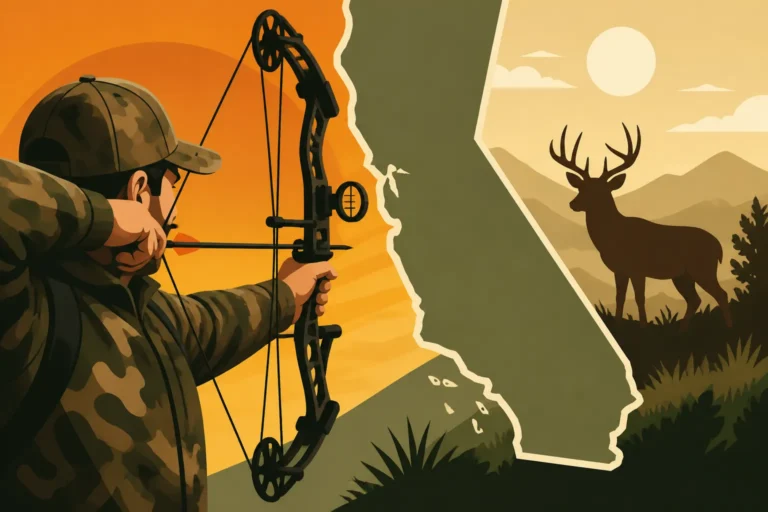
Let's be honest, trying to find a quiet hunting spot on California's public land can feel like looking for a needle in a haystack, especially when every ridge seems to have another orange vest popping up. The sheer number of hunters vying for limited space often pushes animals deeper into cover and makes successful hunts feel like a lottery. This guide is here to unravel the complexities of hunting pressure in California and equip you with practical, realistic strategies to escape the crowds and increase your chances of finding game.
Understanding the Realities of Public Land Hunting Pressure in California
Anyone who's hunted public land in California knows the struggle. We love our wild spaces, but with a massive population and a passionate hunting community, those shared resources can feel incredibly tight. It's not just about a few extra trucks at the trailhead; it's a systemic challenge that shapes animal behavior and demands a thoughtful approach from every hunter.
The Sheer Number of Hunters and Limited Access
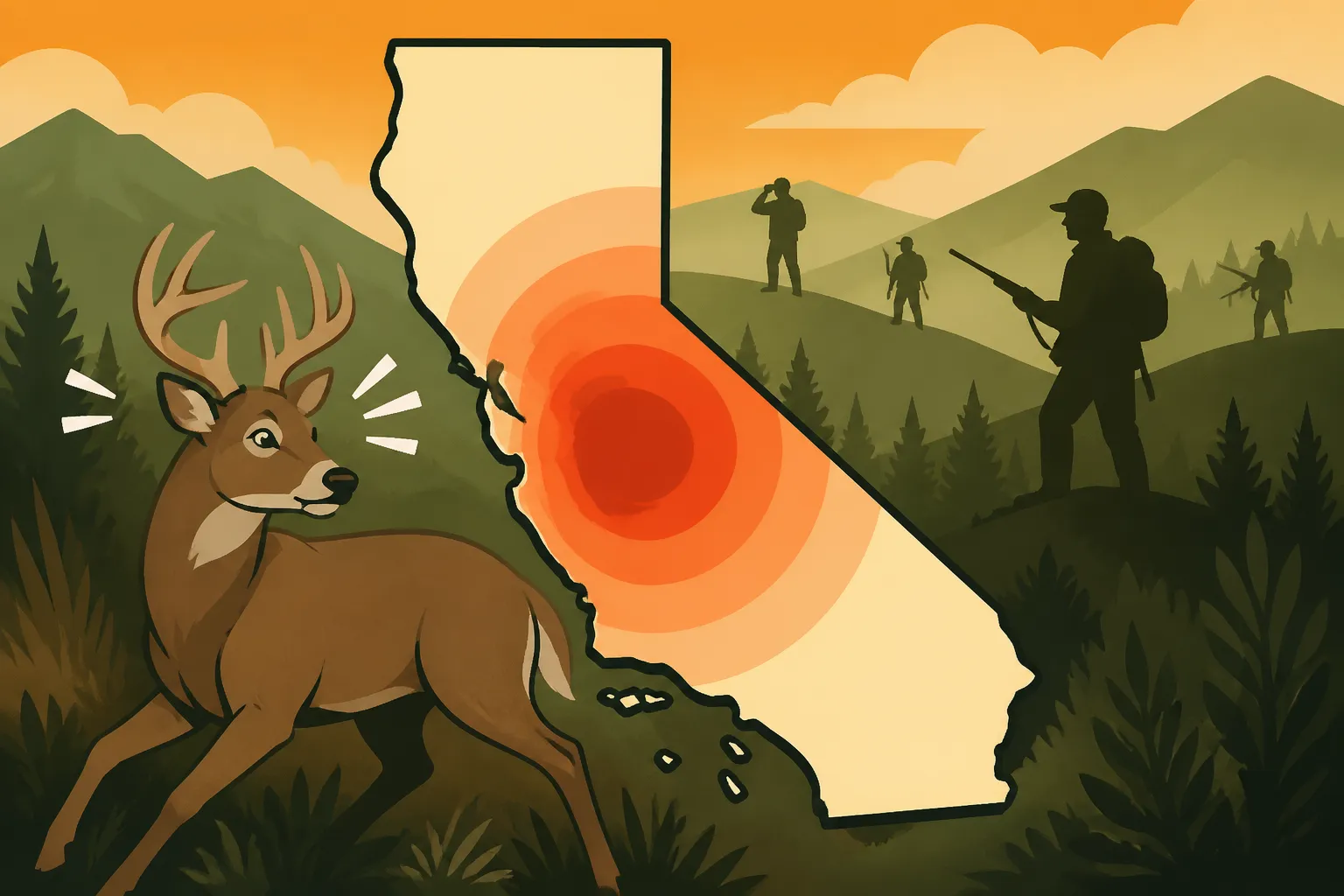
California is a massive state, but the amount of truly accessible public land, particularly for big game, is a fraction of its total area. When you combine millions of residents with a dedicated base of hunters, the pressure on available public hunting grounds becomes immense. Think about the popular D-zones in the Sierra Nevada foothills or the accessible parts of the Los Padres National Forest—they see a significant influx of hunters, especially during opening weekend. This isn't just a handful of folks; it's often dozens, even hundreds, concentrated into relatively small areas. This high density of human presence means deer, pigs, and bears quickly adapt, becoming more wary and often moving to less accessible areas. The hunting experience can sometimes feel less like a wilderness adventure and more like a human traffic jam, particularly for species like deer, where every hunter is looking for the same elusive buck.
This concentration of hunters isn't uniform, of course. Some areas, due to their remote nature, rugged terrain, or challenging access, naturally see less pressure. However, these spots often require a significant investment in physical fitness, specialized gear, and dedicated scouting. For the average weekend warrior, the readily available public land is often the only option, leading to predictable patterns of pressure. The limited "easy access" areas, such as those bordering agricultural fields or well-maintained forest roads, become magnets for hunters, even if the game quickly learns to avoid them during daylight hours.
"Road Hunters" and Easy Access Points
We've all seen them, and many of us have been them at some point in our hunting careers: the "road hunters." These are the folks who stick to the paved or well-graded dirt roads, glassing clearcuts or meadows from their trucks, hoping to spot an animal within easy shooting distance. While it's a legal method in many areas, the sheer volume of vehicles driving these routes, especially on opening day, creates an immense amount of pressure on game within a half-mile or so of any road. Deer, in particular, become incredibly sensitive to vehicle noise and human scent trails along these corridors.
Animals that frequent areas near roads quickly learn to move deeper into timber, bed on steep north-facing slopes, or become almost entirely nocturnal. If you're planning to hunt an area with extensive road networks, assume that anything close to the road has already been pushed, spooked, or has long since learned to avoid human contact during hunting hours. The constant opening and closing of truck doors, the chatter of hunters, and the occasional blast of a rifle along these accessible pathways all contribute to a highly agitated deer population. To stand a chance, you often have to go where the tires can't.
Strategies to Mitigate Hunting Pressure and Find Success
The good news is that even with high hunting pressure, success on California public land isn't impossible. It simply demands a more strategic and often more physically demanding approach. Thinking like the game, and understanding human behavior, are your biggest assets.
Going Deeper and Off the Beaten Path
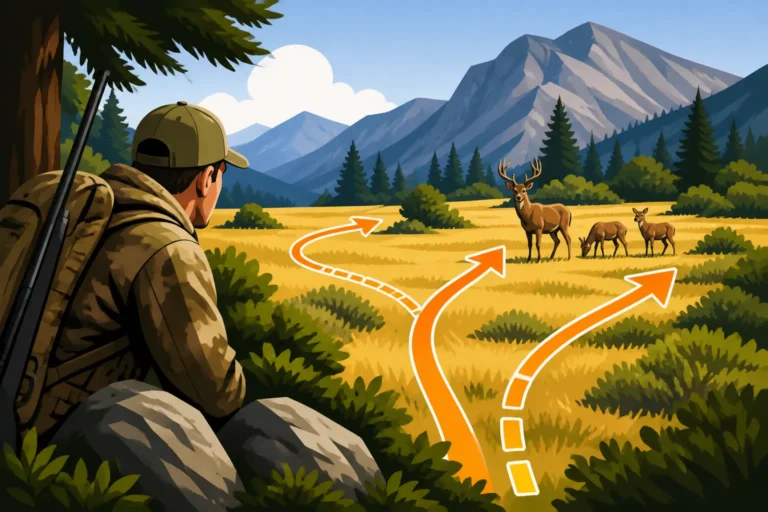
This is perhaps the most universally effective strategy: embrace the discomfort and go where most hunters won't. The vast majority of hunters on public land stick within a mile or two of a road or easy trail. Every step beyond that comfort zone dramatically reduces the number of people you'll encounter. This often means packing in for longer, navigating tougher terrain, and being prepared for a significant pack-out if you're successful.
Planning for these deeper excursions involves rigorous physical conditioning. You can't expect to hike five miles into a steep canyon with a heavy pack if you haven't trained for it. Beyond fitness, you need the right gear: a comfortable, capable pack, plenty of water (or a reliable water filter), and sturdy boots for whatever California's varied terrain throws at you. Using advanced mapping tools, like those found on GoHunt, can be invaluable here. You can identify potential deep pockets of cover, hidden benches, or secluded drainages that are miles from the nearest road. Look for areas where multiple features converge – water, food, and bedding – especially if they are far from established trails. Learning how to effectively utilize Reading Aerial Photos for Sierra Deer can reveal these hidden gems that other hunters overlook from the ground.
These remote areas, while physically demanding, offer the best chance at finding unpressured animals that are behaving more naturally. Deer that have never smelled a human or heard a distant gunshot are often less wary and more likely to follow their typical patterns. It's a trade-off: more effort upfront for a potentially more rewarding and solitary hunting experience. Remember, the deeper you go, the more self-sufficient you need to be; help is often hours away.
Timing Your Hunts for Less Competition
While opening weekend is a tradition for many, it's also when hunting pressure peaks. If your schedule allows, consider shifting your hunting days. Weekdays, particularly Tuesday through Thursday, typically see a dramatic drop in hunter numbers compared to weekends. Most people are tied up with work or school, leaving the public land much quieter.
Furthermore, consider hunting later in the season. As the season progresses, many hunters have either filled their tags, lost motivation, or been discouraged by early-season pressure. By late November, especially in zones that remain open, you'll often find yourself with vast tracts of public land virtually to yourself. This is particularly true if you're willing to brave inclement weather—rain, snow, or cold fronts—which also deter fair-weather hunters. While uncomfortable, these conditions often get game animals moving, offering a unique advantage. For example, if you have a tag for a late-season D-zone, understanding Hunting Into a Late-November Zone Close can give you insights into how deer behavior changes and how to capitalize on it when fewer people are in the woods.
| Pressure Level | Typical Hunter Numbers | Recommended Strategy | Key Consideration |
|---|---|---|---|
| High (Opening Wknd, Easy Access) | Many hunters, heavy vehicle traffic | Go deep, hunt mid-week, use dense cover | Animals are highly wary, mostly nocturnal |
| Moderate (Mid-Season Weekends) | Consistent, but less chaotic | Focus on subtle terrain, longer hikes, later starts | Game adapts to patterns, avoid obvious spots |
| Low (Mid-Week, Late Season, Bad Weather) | Few hunters, quiet access | Hunt actively, focus on food sources | Be prepared for elements, long pack-outs |
Focusing on Overlooked Habitats and Micro-Terrain
Even in heavily pressured units, deer, pigs, and other game still need to exist. They simply adapt by utilizing areas that hunters typically overlook or deem too difficult or unproductive. This is where "micro-terrain" becomes critical. Instead of focusing on large, obvious clearings or well-used trails, start looking for small, subtle features that offer security cover, food, or water just off the beaten path.
Examples of these overlooked habitats include steep, brushy north-facing slopes that offer shade and dense cover, thickets of manzanita or chaparral that are a nightmare to walk through but provide excellent bedding, or small, isolated pockets of oak trees in otherwise open country. Often, these spots are within earshot of a road or trail but are just difficult enough to access that most hunters simply walk past them. Learning Finding Ground Others Walk Past involves training your eye to spot these anomalies on a map and then validating them on the ground. GoHunt mapping layers can help you pinpoint these areas by highlighting changes in elevation, vegetation density, and water sources.
For instance, a small, steep draw choked with impenetrable brush might hold a bedded blacktail buck just 200 yards from a popular hiking trail. Or a small spring seep in a rocky canyon, surrounded by a few oaks, could be a pig hotspot during a dry spell, even if it's not prominently marked. These are the places where animals feel safe from the constant human intrusion, making them prime targets for a hunter willing to put in the effort to find and quietly approach them.
Leveraging Technology and Information to Outsmart Pressure
In today's hunting world, digital tools and readily available data are powerful allies against hunting pressure. Used effectively, they can save you countless hours of unproductive scouting and help you identify potential honey holes before you even set foot in the field.
Using Mapping Applications and Scouting Tools
Modern mapping applications are game-changers for public land hunting. Tools like onX Hunt, Basemaps, and GoHunt allow you to overlay private and public land boundaries directly onto satellite imagery and topographic maps. This is crucial for navigating complex land ownership patterns in California and ensuring you don't inadvertently trespass. More importantly, these apps allow you to virtually scout vast areas from the comfort of your home.
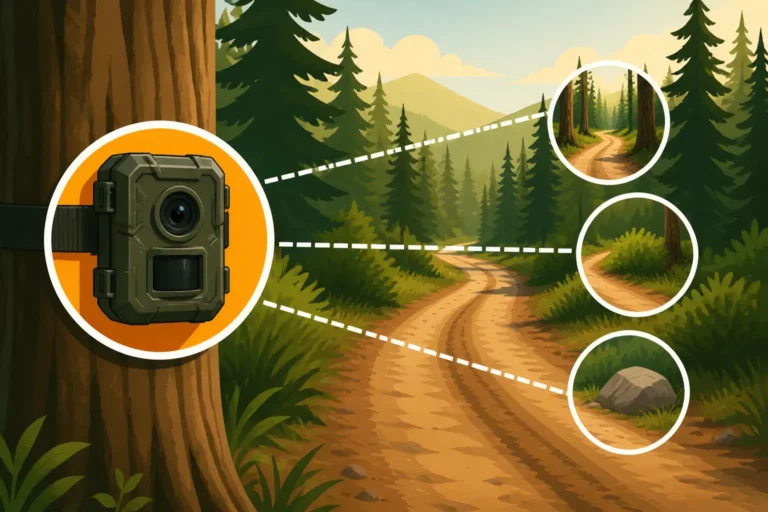
You can identify potential access points, mark trails (both established and faint game trails), pinpoint water sources, and analyze terrain features like steepness, aspect (north-facing vs. south-facing), and vegetation type. For instance, you can use these apps to find a remote saddle between two ridges that might funnel deer movement, or locate a dense stand of timber that would offer excellent bedding cover miles from a road. Many hunters rely on GoHunt's detailed maps to identify areas with less human impact by looking for a lack of roads or established trails. Understanding Using an App for California BLM Land Status can help you find vast expanses of truly wild country. By studying these maps, you can devise a plan to circumvent high-traffic areas and slip into places where the game feels more secure. This digital scouting process is an essential first step in planning any successful hunt on pressured public land.
Understanding CDFW Data and Hunter Behavior
The California Department of Fish and Wildlife (CDFW) collects a wealth of data, much of which is publicly available. Annual harvest reports, for example, can show you success rates by zone, harvest numbers, and even the average buck taken. While these reports don't tell you exactly where to hunt, they offer valuable insights. If a particular D-zone has a historically low success rate but holds a healthy deer population, it might indicate high pressure or difficult terrain, suggesting that a different approach is needed. Conversely, if a zone has a modest harvest but consistent numbers, it might be an area where smart hunting can pay off.
Beyond official data, understanding general hunter behavior is key. Most hunters are creatures of habit: they park in the same spots, walk the same trails, and hunt the same prominent ridges. By recognizing these patterns, you can actively choose to do the opposite. If everyone is walking a main trail at dawn, consider dropping into a steep drainage right off the trailhead. If everyone is glassing the south-facing slopes, try focusing on the shaded, brushy north-facing side. Knowing Reading a California Harvest Report can help you interpret trends and adjust your strategy, allowing you to focus on times or areas where typical pressure might be lower. It's about finding the gaps in the human matrix and exploiting them for your advantage.
Species-Specific Considerations and Adapting Your Approach
Different game animals react to hunting pressure in distinct ways. What works for a wary blacktail buck might not be the best approach for a smart wild pig or a pressured gobbler. Tailoring your strategy to the specific species you're pursuing is vital for success in pressured environments.
Deer Hunting in High-Pressure Zones
California's deer, particularly the Columbia Blacktail and Mule Deer, are incredibly adaptable, and constant hunting pressure makes them even more so. In heavily hunted zones, deer quickly become nocturnal, moving primarily under the cover of darkness. During daylight hours, they will often bed down in the thickest, most inaccessible cover they can find – steep canyons, dense chaparral, or remote timber stands. Trying to find Where California Blacktail Bucks Bed requires understanding their need for security above all else.
When hunting pressured deer, still-hunting slowly and quietly through dense cover, focusing on small pockets of undisturbed habitat, can be more effective than sitting over an open food source. Pay close attention to wind and thermals, as a single whiff of human scent can send a pressured deer packing. Setting up on pinch points or saddles that are well away from roads, especially those connecting bedding areas to water, can also be productive. Instead of going where deer should be, go where deer feel safe from hunters. This often means embracing the brush and the steepest terrain.
Hunting Other Game in Pressured Areas
It's not just deer that feel the heat. Other California game species also adapt to high hunting pressure, requiring different tactics.
- Wild Pigs: These animals are incredibly resilient and can thrive even in areas with significant human activity. While they may become more nocturnal and secretive, they're often less likely to vacate an area entirely due to pressure. Instead, they'll simply move into thicker cover during the day. When Wild Pig Hunting California Year-Round in pressured areas, focus on dense oak woodlands, river bottoms, or chaparral thickets that offer abundant food and security. Pigs will also utilize steep, rugged terrain that most hunters avoid. Look for fresh sign like rooting, tracks, and scat in these less-traveled areas, especially near water sources during dry periods.
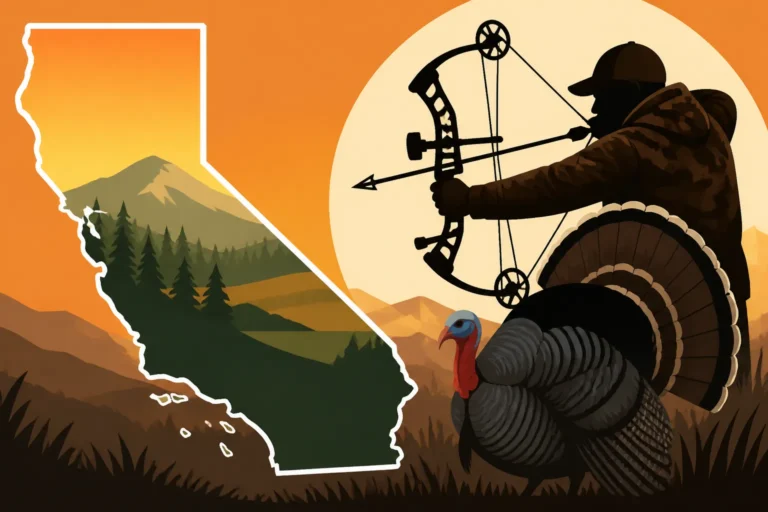
- Wild Turkeys: Turkeys can quickly become "call-shy" and highly wary in pressured areas. Early season, gobblers might come charging in, but after a few weekends, they become much more cautious. In these situations, ditch the aggressive calling and focus on subtlety. Try soft yelps and clucks, and be prepared to set up in areas away from common travel routes. Scouting prior to the season to locate undisturbed roost sites is critical. These birds will often roost in tall trees over deep canyons or in remote stands of timber where they feel safe from human disturbance.
- Waterfowl: While not directly pressured in the same way deer are, waterfowl in the Central Valley often become incredibly wary of decoy spreads and blinds on public refuges or heavily hunted private land. Decoys need to be realistic, spreads creative, and blinds exceptionally well-brushed in. Learning to "read the flight" and adapt your setup based on bird behavior is key. Hunting the fringes of refuges or focusing on smaller, overlooked ponds and sloughs that receive less attention can sometimes yield better results than competing for a spot on a popular impoundment.
The common thread across all these species is adaptability. The more you can understand how a specific animal reacts to human presence and adjust your tactics accordingly, the more successful you'll be, even on heavily pressured public lands.
Disclaimer
Hunting is an inherently dangerous activity. Always prioritize safety, adhere to all California Department of Fish and Wildlife regulations, and be aware of your surroundings. This guide provides general information and strategies; specific conditions and rules may vary. Always verify current regulations before heading afield.