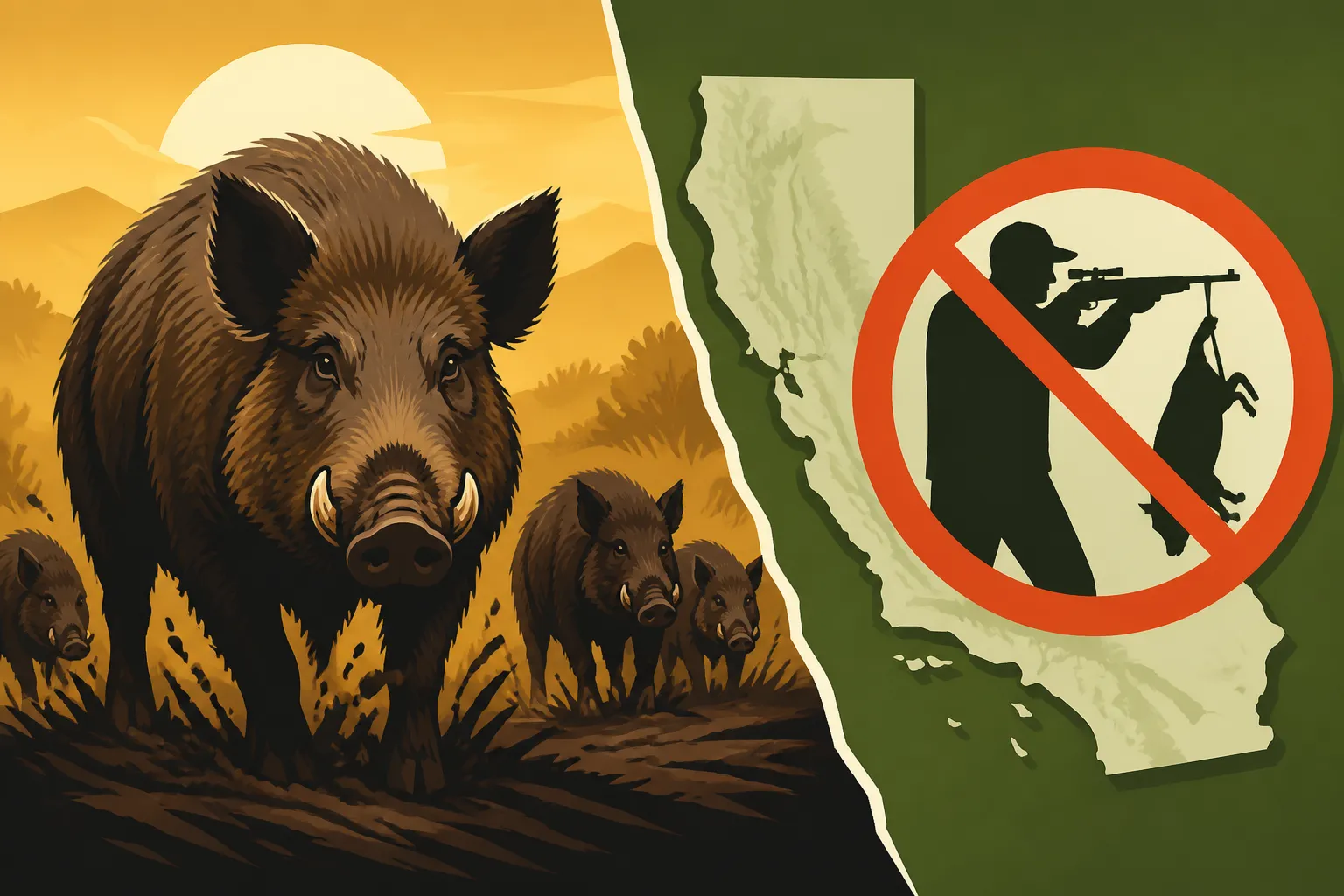
Why Wild Pigs Have No Bag Limit
It's a question many California hunters, new and seasoned alike, grapple with: why, in a state renowned for its incredibly strict and often complex hunting regulations, do wild pigs seem to exist in their own separate universe with no bag limit whatsoever? This apparent contradiction can be baffling, especially when you consider the hoops we jump through for every other big game animal. This guide aims to pull back the curtain on this unique situation, diving deep into the biological, ecological, and legislative reasons behind California's approach to wild pig management, and what it means for you as a hunter.
The Wild Pig Problem: Why They're Different
Unlike native species that are carefully managed for sustainable populations, wild pigs in California aren't viewed through the lens of conservation. They are, quite simply, an invasive species, and their presence causes immense ecological and agricultural damage. Understanding this fundamental difference is crucial to grasping why the rules around them are so unique.
An Unwanted Introduction and Rapid Spread
Wild pigs are not indigenous to California, nor to North America. Their story in the Golden State begins with introductions. Spanish missionaries brought domestic pigs to California in the 1700s, and some inevitably escaped, establishing feral populations. Later, in the 1920s, European wild boar were intentionally introduced to Monterey County for sport hunting, primarily for the Hearst Ranch. These European wild boar interbred with the existing feral domestic pigs, leading to the diverse genetic mix we see across the state today. This history means they never truly belonged here, making their management fundamentally different from, say, a native blacktail deer.
From these initial escapees and introductions, wild pigs have proliferated at an astonishing rate. They've adapted incredibly well to California's varied habitats, from coastal chaparral and oak woodlands to the foothills of the Sierra Nevada and even agricultural areas. Their rapid expansion is a testament to their resilience and adaptability, but it also underscores the severity of the problem they pose. When you're dealing with an animal that isn't supposed to be here, and that thrives almost too well, traditional game management strategies designed for native species simply don't apply.
Devastating Ecological and Agricultural Impacts
The reason wild pigs have no bag limit isn't just about their non-native status; it's about the tangible, widespread destruction they cause. Their primary method of feeding, known as "rooting," involves using their powerful snouts to dig up soil, searching for tubers, roots, acorns, and invertebrates. This rooting behavior can turn pristine landscapes into churned-up wastelands overnight. They destroy sensitive native plant communities, compromise water quality by disturbing streambeds, and directly compete with native wildlife, like deer, turkeys, and bears, for crucial food sources, especially acorns. For example, their rooting can decimate acorn crops, a vital food source for many species, particularly during critical periods before winter.
Beyond the wildlands, their impact on agriculture is immense and financially crippling for farmers and ranchers. They can utterly devastate crops, from vineyards and nut orchards to row crops like corn and alfalfa. Imagine a farmer working tirelessly all season only to have a sounder of pigs tear through their fields in a single night, destroying months of labor. This economic damage is a significant driver of the state's liberal hunting regulations. Furthermore, wild pigs are known carriers of diseases like brucellosis, leptospirosis, and pseudorabies, which can be transmitted to domestic livestock and even humans, creating serious public health and veterinary concerns. This multifaceted threat puts them in a category all their own, necessitating an aggressive, control-oriented management strategy rather than one focused on maintaining a stable population.
Understanding California's Management Philosophy
Given the significant issues posed by wild pigs, California's Department of Fish and Wildlife (CDFW) approaches their management with a clear objective: population control, rather than conservation. This is a critical distinction that shapes all associated regulations, including the absence of a bag limit.
A Focus on Population Control, Not Conservation
For almost all other game animals in California, the CDFW's mission is to conserve, protect, and manage wildlife for present and future generations. This involves setting strict seasons, quotas, and bag limits to ensure healthy populations thrive sustainably. Think about the careful management of California's elk species, where tags are extremely limited, or the specific dates for California Zone A General Season Dates to ensure deer herds are not over-harvested. With wild pigs, the goal is the complete opposite: to reduce their numbers, mitigate their damage, and ideally, contain their spread.
Because wild pigs are an invasive species, their unchecked proliferation actively harms native ecosystems and agricultural interests. The state essentially sees them as a biological pollutant. Therefore, any measure that helps reduce their population is generally favored. This perspective is why traditional game management tools, like daily or seasonal bag limits, are simply not applicable. A hunter taking one deer per year helps manage the population; a hunter taking one pig barely scratches the surface of the problem. The more pigs hunters can take, the better, from a management standpoint. This philosophy transforms hunters from participants in a recreational harvest to vital partners in an ongoing statewide pest management effort.
The Legal Framework: Year-Round Season and No Bag Limit
The legal framework surrounding wild pigs in California reflects this control-oriented philosophy. While you still need to purchase a California's Year-Round Wild Pig Tag to hunt them, the specific rules associated with that tag are remarkably lenient compared to other big game. There is no closed season for wild pigs; you can hunt them 365 days a year. More importantly, there is no daily bag limit, nor is there a seasonal bag limit. If you have the land, the time, and the means, you could theoretically harvest multiple pigs in a single day, or dozens over the course of a year, as long as you possess a valid tag for each animal.
This unrestricted take is unique. Consider big game species like deer, where you are typically limited to one or two antlered bucks per year, depending on your tag and zone. Or black bears, which have a statewide quota that can close the season early. For pigs, the only real "limit" is the number of tags you're willing to buy. Each pig harvested requires a separate tag, and these tags are readily available over the counter, online through the CDFW's licensing system, or at authorized vendors. While some hunters may find this lack of restriction odd, it's a direct reflection of the state's dire need to reduce the pig population by any effective means possible. Hunters are essentially deputized agents in this ecological battle, and the more productive they are, the more they contribute to a healthier environment and more secure agricultural lands.
Comparing Pig Management to Other Game
To truly appreciate why wild pigs have no bag limit, it helps to put their management into context with other species. Let's look at the stark differences:
| Feature | Wild Pigs in California | Native Game Species (Deer, Elk, Bear) |
|---|---|---|
| Status | Non-native, invasive, ecological pest | Native, integral to ecosystem |
| Management Goal | Population reduction, control, eradication | Sustainable harvest, species conservation |
| Bag Limit | None (year-round, no daily/seasonal limit) | Strict daily/seasonal limits (e.g., 1-2 per year) |
| Season Length | Year-round | Defined seasons, often with specific openers and closures |
| Tag Requirement | Mandatory California Wild Pig Tag Costs per pig | Mandatory species-specific tags (often draw-only) |
| Ecological Impact | Highly destructive (habitat, agriculture, disease) | Managed for ecological balance, sometimes requiring harvest to prevent overpopulation |
| Drawing System | No draw system; tags are over-the-counter | Often requires applying through the California Big Game Drawing Explained |
This table clearly illustrates the divergent approaches. For deer, elk, and bear, every regulation, from season dates to weapon restrictions, is designed to ensure the population remains robust and healthy. Hunters are partners in conservation, harvesting only a sustainable surplus. For wild pigs, hunters are partners in mitigation. The more tags purchased and pigs harvested, the more successfully the state's goals for invasive species control are met. This is why you won't find specific regulations on "how big" a pig needs to be, or antler point restrictions; every pig, regardless of size or sex, contributes to the problem, and therefore, every pig is fair game.
Hunting Wild Pigs in California: What Hunters Need to Know
While the lack of a bag limit offers unparalleled flexibility, hunting wild pigs in California still requires diligence, ethical considerations, and adherence to other important regulations. It's not a free-for-all; it's a strategic hunt aimed at managing a widespread issue.
Navigating Tag Requirements and Reporting
Even with no bag limit, you still need a valid California hunting license and a separate wild pig tag for each pig you harvest. This is absolutely critical. You can buy these tags at any license agent, CDFW office, or online. It's recommended to purchase a few extra tags if you anticipate a successful outing, as tagging requirements are immediate upon harvest. This means having a tag physically on hand when you recover the animal. For new hunters, understanding California Hunting Licenses and What They Cost is a good first step before venturing out for pigs.
The reporting requirement for wild pigs is also mandatory. Every pig harvested must be reported to the CDFW via their Automated License Data System (ALDS). This can be done online, by mail, or through the CDFW app. Reporting a Pig Harvest Through ALDS is not just a formality; it provides crucial data for the department to monitor harvest numbers and better understand population trends, helping them assess the effectiveness of their management strategies. Don't skip this step – it's a legal requirement for every hunter, every pig.
Effective Hunting Methods and Locations
Wild pigs are intelligent and resilient animals, making them a challenging quarry. Common hunting methods include spot-and-stalk, still-hunting, and hunting over bait where legal. Spot-and-stalk is particularly effective in open oak woodlands or fields where pigs may be feeding, allowing hunters to glass from a distance and plan an approach. Still-hunting through dense cover where pigs are known to bed can also be productive. For hunters keen on specific tactics, you might find valuable insights in articles like Hunting Pigs on Central Coast Oak Ranges.
When it comes to location, pigs are widespread across California, but certain counties are known hotspots. Areas with abundant oak woodlands, water sources, and agricultural interfaces tend to hold the highest densities. Monterey, San Luis Obispo, Mendocino, Lake, and Sonoma counties are often cited as prime locations. While public land opportunities exist, they can be challenging due to hunting pressure and often require extensive scouting. Tools like GoHunt's mapping features can be invaluable for identifying potential pig habitat on public lands, showing you prime oak woodlands or areas near water sources, helping you find areas that might hold pigs. Which California Counties Have the Most Pigs can give you a starting point. Many hunters opt for private land access, either through leases or by asking landowners for permission, particularly because pigs cause so much damage to crops, making landowners more amenable to hunters.
Ethical Considerations and Field Care
Even with an unlimited bag, ethical hunting practices remain paramount. This includes clean kills, responsible game recovery, and proper field care. Because wild pigs are often hunted in warmer months and warmer climates, proper field care is crucial to prevent spoilage. Getting the animal gutted, skinned, and cooled down quickly is essential. Articles like Aging Venison in Hot Weather offer valuable advice that applies equally to pig meat.
Hunters should also be mindful of the impact of their presence. Respect private property, close gates, and pack out everything you pack in. While wild pigs are pests, they are still living animals, and treating them with respect through humane harvesting and utilization of the meat is part of responsible hunting. Remember, the liberal regulations aren't an excuse for carelessness; they're an acknowledgment of a severe ecological issue that hunters are helping to address. For hunters looking to expand their knowledge beyond pigs, platforms like GoHunt offer extensive insights into other California species and hunt planning, always emphasizing ethical and responsible practices.
Beyond the Hunt: The Broader Impact of Wild Pig Management
The decision to have no bag limit on wild pigs in California isn't just about hunter convenience; it's deeply tied to broader ecological, agricultural, and public health concerns that continue to challenge wildlife managers.
Disease Concerns and Hunter Responsibility
As mentioned, wild pigs can carry a host of diseases, some of which are transmissible to domestic livestock and even humans. Brucellosis and pseudorabies are among the most concerning, as they can devastate agricultural operations and pose risks to those handling infected animals. While not directly related to Chronic Wasting Disease (CWD), the general concern around wildlife diseases, as seen with Handling Venison From a CWD Testing Zone for deer and elk, highlights the importance of caution.
Hunters play a crucial role in preventing the spread of these diseases. This means proper hygiene during field dressing, avoiding contact with domestic animals after handling wild pigs, and reporting any visibly sick animals to the CDFW. It's also vital not to transport carcasses or parts across county lines, especially from known disease hotspots, without proper precautions. Utilizing meat from harvested pigs responsibly helps ensure it's safe for consumption and minimizes potential disease vectors.
The Ongoing Battle Against an Invasive Species
Despite the year-round season and no bag limit, the wild pig population in California remains robust and continues to spread into new areas. The challenges are immense: their high reproductive rate, adaptability, and the sheer scale of the landscape make eradication virtually impossible. The goal has shifted from eradication to sustained population control, managing their numbers to minimize damage.
California's approach to wild pigs serves as a stark example of how deeply invasive species can impact an ecosystem and economy. It's a continuous, uphill battle requiring constant effort from wildlife agencies, landowners, and hunters. While wild pigs don't fall into the same draw system as coveted big game, many hunters rely on resources like GoHunt for planning their general season hunts or understanding other tag opportunities, demonstrating how even "pest" species hunting contributes to the overall hunting landscape. The lack of a bag limit is a testament to the urgency and scale of this ongoing challenge, recognizing that every pig removed from the landscape is a small victory in the larger fight to protect California's native wildlife and agricultural resources. Hunters who participate in wild pig control are contributing significantly to the ecological health and economic well-being of the state, even if the "sport" aspect is secondary to the management imperative.
Disclaimer
Always consult the latest California Department of Fish and Wildlife (CDFW) regulations before hunting. Hunting laws and regulations can change, and it is the individual hunter's responsibility to stay informed and compliant with all applicable rules and statutes.