California Bonus Point System Explained
It’s a feeling many of us know all too well: the adrenaline rush of applying for that dream California deer or elk tag, followed by the inevitable disappointment when the draw results come out and you’re left empty-handed. We often hear whispers about "bonus points" and how they're supposed to help, but the system can feel like a confusing black box. This guide is here to pull back the curtain, explain exactly how California's bonus point system works, and offer some realistic strategies to maximize your chances in future draws.
Understanding California's Bonus Point System
California's approach to drawing big game tags is unique, and sometimes, frankly, a bit frustrating. Unlike many Western states that use a true preference point system where the hunter with the most points is guaranteed the tag, California operates more like a lottery, albeit one where your odds improve slightly with consistent effort. The bonus point system was put in place by the California Department of Fish and Wildlife (CDFW) to provide a tangible benefit to hunters who consistently apply for tags but are unsuccessful year after year. It's their way of acknowledging your dedication and giving you a bit of a leg up, even if it's not the straight shot to a tag that some other states offer.
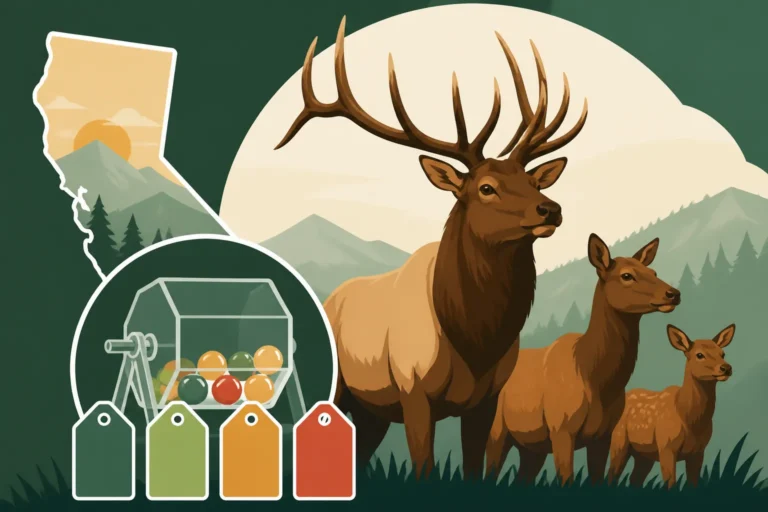
For those of us who have poured over draw odds and spent hours scouting areas for that elusive buck or bull, the idea of a system that rewards persistence is appealing. However, it's critical to understand that these aren't "preference points" in the traditional sense. You don't get moved to the front of the line. Instead, your accumulated bonus points translate into additional "chances" or "entries" into the drawing pool. Think of it like buying multiple tickets for a raffle each year. More tickets mean a better chance, but it's still a random draw.
The goal of this system is to retain hunters and encourage their continued participation in the tag drawing, which in turn helps fund wildlife conservation efforts across the state. It can be disheartening to invest in licenses and applications year after year without drawing a premium tag, and the bonus point system is designed to combat that feeling of futility by at least giving you a mathematically better chance over time. Many hunters, myself included, rely on tools like GoHunt to track their points and analyze historical draw data, providing a clearer picture of where those bonus points might make the biggest impact.
How Bonus Points Are Earned and Accumulated
Earning bonus points in California is a fairly straightforward process, but it requires consistency and a clear understanding of the rules for specific species. Currently, bonus points can be accumulated for four main big game species: Deer, Elk (Tule, Roosevelt, and Rocky Mountain), Pronghorn Antelope, and Bighorn Sheep. Each species has its own separate bonus point accumulation, meaning points earned for deer don't transfer to elk, and vice-versa.
The primary way you earn a bonus point is by applying for your first-choice tag for a specific species and then not drawing it. If you submit a valid application for a deer tag, for instance, and you aren't successful in the draw, you'll be awarded one bonus point for deer for the following year's drawing. It’s that simple. These points are cumulative, so they continue to add up year after year as long as you apply and don't draw a first-choice tag for that species. This consistent application is key to building up a respectable point total, even if you’re focusing on a tough-to-draw unit.
Another crucial way to earn points, especially if you're unable to hunt a particular year or don't see any available tags that fit your plans, is to apply for a "point only." This option allows you to pay the application fee solely to gain a bonus point for that species, without actually applying for a tag. It’s a smart move to keep your point accumulation streak alive, especially for those highly coveted tags where you know it might take a decade or more to build enough entries for a reasonable chance. The application deadline for California's big game draw is typically in early June, so mark your calendars to ensure you don't miss out on adding another point to your tally.
What happens when you do draw a first-choice tag? This is where the system resets. If you're successful in drawing your first-choice deer tag, for example, your accumulated deer bonus points will be reset to zero for the following year. The same applies to elk, pronghorn, and bighorn sheep. This reset ensures that tags are eventually distributed to a wider pool of hunters and prevents any single individual from holding onto an ever-increasing stack of entries indefinitely after drawing a premium tag. Understanding What Happens If Your Deer Draw Application Fails or succeeds is crucial for managing your point strategy moving forward.
Applying Your Bonus Points: Strategy and Reality
Now for the nitty-gritty: how do those hard-earned bonus points actually get used in the draw? This is where California’s system often creates confusion because it's not a true preference point system. Instead, California utilizes an additive system: for every bonus point you have, you get one additional entry into the drawing pool for your first-choice hunt. So, if you have 0 points, you get 1 entry (your initial application). If you have 1 point, you get 2 entries. If you have 5 points, you get 6 entries.
Let's clarify a common misconception right away: California does not square your bonus points. Many hunters erroneously believe the system is (Points + 1)^2, but that's simply not the case. It's a straightforward (Points + 1) system. Each point literally adds one more "ticket" with your name on it to the drawing. While this might seem like a small increase, especially for hunts with thousands of applicants, it mathematically does improve your chances.
Here's a simple breakdown of points versus entries:
| Bonus Points Accumulated | Total Entries in Draw |
|---|---|
| 0 | 1 |
| 1 | 2 |
| 2 | 3 |
| 3 | 4 |
| 4 | 5 |
| 5 | 6 |
| 10 | 11 |
| 15 | 16 |
This additive system means that while your odds do increase with more points, drawing a premium tag like an X-zone deer tag or a coveted Tule Elk tag still largely remains a matter of luck. Even with 15 bonus points, you only have 16 entries among potentially thousands. This can lead to significant frustration for hunters who have been accumulating points for years, only to see others with fewer points draw a desired tag. It's the nature of a true lottery, just with slightly weighted odds.
When forming your strategy, you need to be realistic about draw odds. For some of the most sought-after units, like certain X-zones for deer, the odds can be less than 1% even with a handful of points. For other hunts, such as a general D-zone that opens in August, your odds might be considerably better, even without many points. This is where researching historical draw data, often available through resources like GoHunt, becomes invaluable. Understanding California Elk Tag Draw Odds by Species can help you decide whether to burn your precious elk points on a long-shot draw or save them for a more realistic opportunity down the road.
If you're applying as part of a party, it's crucial to understand how bonus points are handled. For deer applications, the individual in the party with the fewest accumulated bonus points will have their point total used to determine the total number of entries for the entire party. This means if you've got 10 points and your buddy has 2, your party application will only get 3 entries (2 points + 1). Therefore, coordinating with your hunting partners to ensure similar point totals can significantly improve your collective chances. For general information on the application process, check out The California Big Game Drawing Explained.
Common Misconceptions and Pro Tips for the Draw
California's bonus point system is rife with misunderstandings, leading to dashed hopes and confused hunters. Let's tackle some of these head-on and then offer some actionable tips to help you navigate the drawing.
Debunking Misconceptions
First and foremost, as discussed, the biggest myth is the "squared points" idea. Many hunters mistakenly believe that their bonus points are squared when calculating entries, i.e., (Points + 1)^2. This is simply not true in California. It's a linear, additive system where each point adds one extra entry. This distinction is vital for setting realistic expectations about your draw odds.
Another common misconception is that California uses a true "preference point" system. This implies that the hunter with the highest number of points gets the tag first, a system used in many other states. California does not operate this way. It's a bonus point system, where points equate to additional chances in a random draw. While more entries certainly help, they don't guarantee you a tag, even if you have more points than everyone else in the draw pool.
Pro Tips for Maximizing Your Chances
-
Consistency is Your Best Friend: The single most important strategy for California's bonus point system is to apply every single year. Even if you don't plan to hunt that season, or you don't like the available tags, always apply for a "point only" for each species you're interested in. Missing a year means missing out on an accumulating point, setting you back in the long run. Consistent application, even for California Resident License Options, is the bedrock of building points.
-
Research Draw Odds Thoroughly: Don't just apply for the most popular tag because you heard it's good. Utilize resources like CDFW's historical harvest data and reputable third-party tools like GoHunt that compile draw odds. These resources can help you understand the probability of drawing specific tags based on your points. Sometimes, applying for a slightly less popular D-zone or a specialized hunt that still offers quality animals, but has better odds, can be a smarter play to get a tag in hand sooner. This can be especially true when you consider California's Multi-Zone Deer Season System and the varied pressure each zone receives.
-
Strategic Use of "Point Only": If you're seriously chasing a premium tag that you know will take many years to accumulate enough entries for a reasonable chance (think certain X-zones or a Roosevelt Elk tag), don't feel compelled to apply for a tag you don't truly want. Applying for "point only" costs less than a full tag application and ensures your bonus points continue to grow. This is a solid long-term strategy for those with patience.
-
Coordinate Party Applications Wisely: As mentioned, when applying with a party for deer, the person with the fewest bonus points dictates the party's total entries. If you and your friends want to hunt together, it’s best if everyone has a similar number of points to maximize your collective odds. For species like elk, where draw odds are often incredibly low, every entry counts. Ensure you're aware of the California Elk Application Deadline each year.
-
Don't Overlook "Easier" Tags: While everyone dreams of drawing a trophy X-zone tag, sometimes the best strategy is to apply for a general season D-zone tag that has higher draw odds. This allows you to hunt annually, gain experience, and enjoy your passion while still building points for those harder-to-get tags. You might be surprised at the quality of hunting available in some of the more accessible units. For certain D-zones, like Which D-Zone Tags Skip the Draw, you might even find over-the-counter opportunities depending on the year.
By understanding the nuances of California's bonus point system and employing these strategies, you can take a more informed and proactive approach to the annual big game draw. It won't guarantee you a tag every year, but it will certainly tilt the odds slightly more in your favor over time.
Disclaimer
The information provided in this guide is for general informational purposes only and does not constitute legal advice. Hunting regulations, tag costs, and application deadlines in California are subject to change. Always consult the official California Department of Fish and Wildlife (CDFW) regulations, current year supplements, and website for the most accurate and up-to-date information before applying for licenses or tags or heading afield.