California Public Dove Field Draw Rules
Trying to secure a prime spot for the California dove opener can often feel like an uphill battle, especially when you're eyeing those highly sought-after public fields. The truth is, competition is stiff, and the rules for accessing these productive areas can be confusing, leaving many hunters frustrated before they even step afield. This comprehensive guide is designed to cut through that complexity, walking you through California's public dove field draw rules, the application process, and key strategies to improve your chances of enjoying a successful and rewarding early-season hunt.
The Challenge of Public Dove Hunting in California
For many California hunters, the first weekend of September — the dove opener — marks the official start of hunting season. There's a certain magic to the fast-paced action of doves zipping across a field at dawn or dusk, and the camaraderie of hunting with friends and family. However, this popularity brings its own set of challenges, particularly when it comes to finding accessible public land that isn't overrun.
Why Dove Draws Are Necessary
California is a big state, but quality public dove hunting habitat, especially managed fields, is surprisingly limited given the sheer number of eager hunters. This intense pressure means that if access were entirely first-come, first-served, many hunters would be left without a fair chance, leading to overcrowding, safety concerns, and diminished hunting experiences. To address this, the California Department of Fish and Wildlife (CDFW) implements a draw system for specific, highly managed public dove fields.
These draws ensure an equitable allocation of hunting opportunities and help manage hunter density, providing a safer and more enjoyable experience for those who draw a permit. The fields themselves, often consisting of cut grain fields or sunflower fields, are intentionally managed to attract doves, making them highly desirable locations. This focused management for migratory birds, particularly for the early season when doves are abundant, is what makes these public fields so popular and necessitates a regulated entry system. For general information on licenses and their costs, you might want to review California Hunting Licenses and What They Cost.
Types of Public Lands with Dove Opportunities
When you're looking for public dove hunting, you'll encounter a few different categories of land, each with its own access rules. The most prominent are CDFW Wildlife Areas and certain National Wildlife Refuges.
CDFW Wildlife Areas, like San Jacinto Wildlife Area in Southern California or Gray Lodge Wildlife Area in the Central Valley, are often specifically managed to attract waterfowl and upland birds. Many of these areas offer designated dove fields, some of which operate on a draw system during the season opener and sometimes for subsequent weekends. These areas often feature specific fields planted with dove-attracting crops, making them magnets for birds. The management of these areas focuses on habitat creation, which concentrates birds and, in turn, hunters. Understanding how these areas are managed is key to finding success, and you can learn more about general access rules by looking into California Wildlife Areas and Ecological Reserves.
National Wildlife Refuges, such as Colusa National Wildlife Refuge or Sacramento National Wildlife Refuge, also provide dove hunting opportunities. While some parts of these refuges might be open for general access, other managed fields could also fall under a special draw or reservation system. It's crucial to check the specific refuge's regulations, as they can differ from CDFW rules. Beyond these managed areas, some Bureau of Land Management (BLM) lands and National Forests might offer dove hunting. However, these areas are typically unmanaged, meaning you’ll need to do significant scouting to find concentrations of birds, and they generally don't utilize a draw system, operating instead on a first-come, first-served basis.
Navigating California's Public Dove Field Draw System
The draw system for public dove fields can seem daunting, but once you understand the steps and nuances, it becomes much more manageable. The goal is to ensure fair access to quality hunting opportunities, and knowing how to properly apply is your first step.
The Application Process: Getting Started
All applications for CDFW public dove field draws are typically processed through the CDFW's Automated License Data System (ALDS) portal, which is an online platform. This is the same system you'd use for purchasing your general hunting license or applying for big game tags. The application window for the September dove opener usually opens in late summer, often in July or August, with deadlines well before the season officially begins. It's imperative to pay close attention to these dates to avoid missing out.
Before you can even apply, you'll need a current California hunting license, an Upland Game Bird Validation, and federal Harvest Information Program (HIP) certification. The HIP certification is free but mandatory for all migratory bird hunters and is easily obtained when you purchase your other licenses. To make sure you're squared away, you can find more details on California HIP Certification for Bird Hunters. When applying for a draw, you'll typically select your preferred wildlife area and hunt date. Many hunters find resources like GoHunt invaluable for tracking application deadlines, analyzing past draw statistics, and researching the specifics of different hunting units. While GoHunt doesn't process the application itself, it offers comprehensive data and insights that can inform your choices before you head to the CDFW portal.
Understanding Preference Points and Draw Mechanics
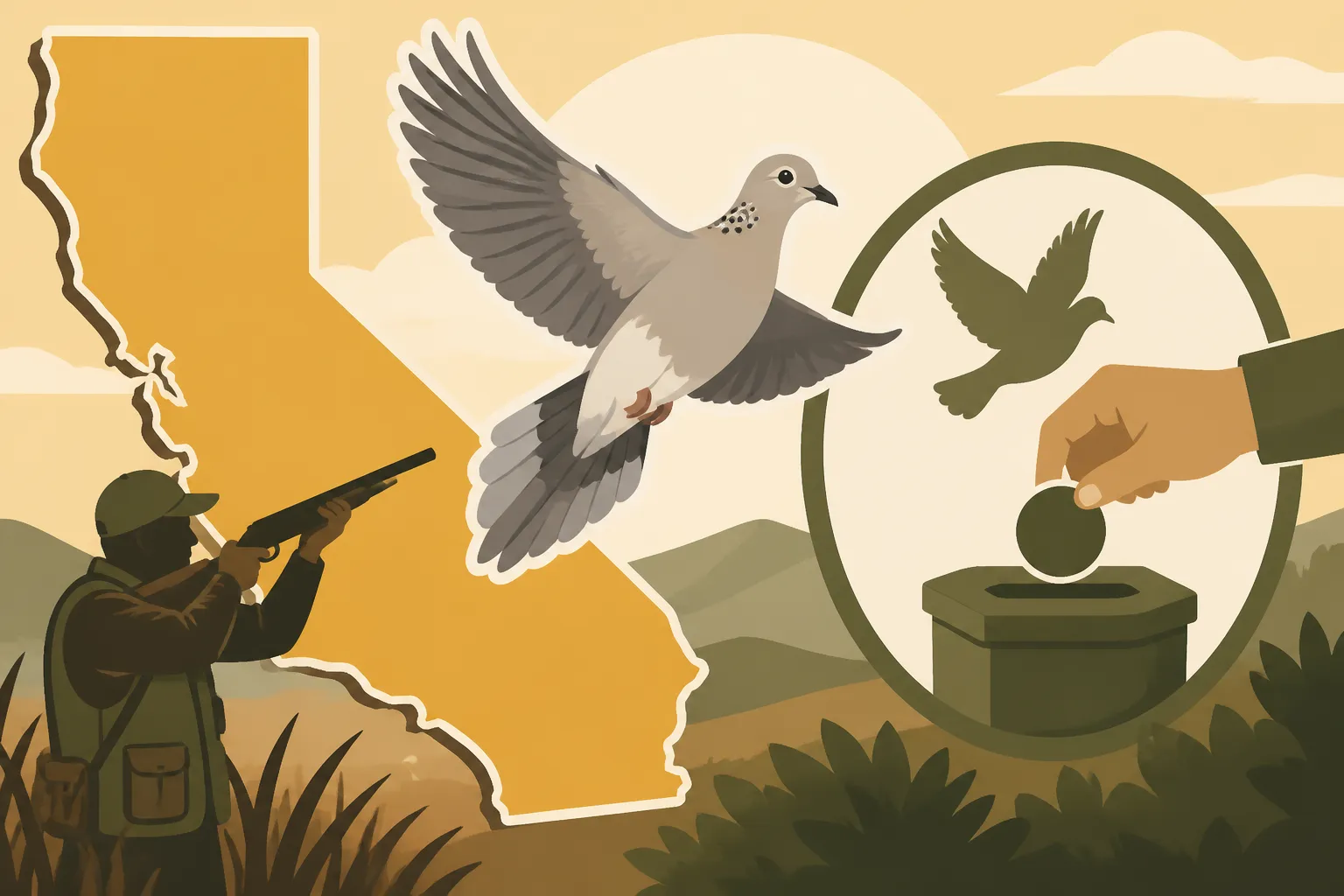
Unlike California's big game drawing, which uses a preference point system that accumulates over years, public dove field draws are generally a random lottery. This means everyone who applies has an equal chance, regardless of how many times they've applied in the past. There are no "points" to build up for doves, which levels the playing field for new and seasoned hunters alike. The system is designed for pure chance, selecting successful applicants randomly for specific hunt days or even assigned hunting zones within a field.
When you apply, you might have the option to list first and second choices for areas or dates. Sometimes, you can apply as a party with other hunters. If you apply as a party, and your party draws, everyone in the group receives a permit. This can be a great way to guarantee a shared hunting experience with friends or family, though it doesn't necessarily increase the overall probability of any single individual drawing. Once the draw is complete, successful applicants are typically notified via email. It's crucial to check your inbox (and spam folder) regularly after the announced draw date to ensure you don't miss your notification or any critical instructions.
Common Public Dove Draw Locations
Several CDFW Wildlife Areas across California are well-known for their managed dove fields and draw opportunities. These areas are specifically designed to be dove magnets, attracting large numbers of birds, especially during the early season. Understanding where these opportunities exist can significantly focus your application strategy.
For instance, the San Jacinto Wildlife Area in Riverside County is a perennial favorite in Southern California, known for its extensive dove fields. Further north, the Imperial Wildlife Area in Imperial County offers significant opportunities, especially for those willing to brave the desert heat. In the Central Valley, areas like Los Banos Wildlife Area or Mendota Wildlife Area also manage fields for dove hunting. These locations are specifically cultivated with crops like sunflowers, safflower, or wheat, which are prime food sources for doves, creating excellent hunting habitat.
Here's a quick overview of some popular public dove field draw areas:
| Wildlife Area | Region | Typical Draw System | Notes |
|---|---|---|---|
| San Jacinto Wildlife Area | Southern CA | Pre-season Draw | Popular, well-managed fields, heavy pressure. |
| Imperial Wildlife Area | Southern CA | Pre-season Draw | Desert environment, can be very hot, excellent bird numbers. |
| Gray Lodge Wildlife Area | Central Valley | Pre-season Draw | Primary waterfowl area but has dedicated dove fields, usually a draw. |
| Los Banos Wildlife Area | Central Valley | Pre-season Draw/Walk-up | Good habitat diversity, some walk-up spots available after draws. |
| Mendota Wildlife Area | Central Valley | Pre-season Draw/Walk-up | Similar to Los Banos, can have good early season numbers. |
Always check the current year's CDFW regulations and the specific wildlife area's webpage for the most up-to-date information on draw dates, rules, and available fields. This information changes annually, and being informed is your best defense against missing an opportunity.
Strategies for Improving Your Odds and Hunt Experience
While the dove draw is largely a game of chance, there are definitely strategies you can employ to increase your chances of drawing a permit and, once successful, maximize your hunting experience. It's all about being prepared and making smart choices.
Researching and Selecting Hunt Choices
The most critical first step is thorough research. Don't just pick the closest or most famous wildlife area. Instead, delve into the CDFW regulations specific to each area you're considering. Every wildlife area can have unique rules regarding hunting days, check-in times, dog use, and even specific field access. Resources like GoHunt can be incredibly helpful here, as they often compile detailed information on different units, including past draw success rates and general bird activity. Additionally, CDFW's own website might publish harvest reports from previous seasons, which can give you an idea of how productive a particular area has been.
Consider applying for less popular areas or later dates in the season if your primary goal is simply to draw a tag. Many hunters focus intensely on the September opener, leading to incredibly competitive draws for those first few days. By being flexible with your dates or looking at areas that might receive less attention, you could significantly improve your draw odds. Furthermore, good scouting, even if it's just digital scouting using satellite imagery, can give you an edge. Knowing how to effectively use tools for Scouting California Public Land Before Season can highlight areas with good habitat within general public access zones, in case your draw application is unsuccessful.
Preparing for Your Dove Hunt on Public Land
Once you've drawn a permit or identified a general public land area for your hunt, preparation is key. Doves are notoriously fast flyers, and you'll need to be ready. First and foremost, remember California's non-lead ammunition requirement. All hunting of resident small game, migratory game birds, and upland game birds in California requires the use of non-lead shot. This is a critical rule, and you can find comprehensive information on approved loads in resources like Non-Lead Shotgun Loads for Upland Birds. Make sure your shotgun is patterned with your chosen non-lead load well before the season.
Beyond ammunition, consider your gear. A good dove hunt often involves a lot of sitting, so a comfortable stool or bucket is essential. Decoys can dramatically improve your success, bringing birds into closer, more ethical range. A spinning wing decoy or a simple spread of full-body dove decoys can make a big difference, especially if you're hunting a Dove Hunting a Cut Grain Field or a Dove Hunting a Cut Sunflower Field. Don't forget a cooler filled with ice for your birds, plenty of water for yourself (especially in the early September heat), and protective eyewear. Safety is paramount, especially in public fields where other hunters are present. Always know your shooting lanes and be absolutely certain of your target and what's beyond it.
What to Do If You Don't Draw a Permit
It happens. The draws are competitive, and sometimes you just don't get lucky. But don't despair! Your hunting season isn't over. Many wildlife areas offer "walk-up" opportunities, especially after the initial weekend draws. These might be standby lines on hunt days where drawn hunters don't show up, or first-come, first-served access on specific weekdays. It requires flexibility and an early start, but it can be a viable way to get into a managed field.
Beyond managed fields, California has vast expanses of general public land, including BLM land and National Forests, where dove hunting is permitted without a draw. While these areas won't have the manicured fields of the wildlife areas, you can often find good concentrations of birds around water sources, agricultural edges, or isolated stands of trees. This requires more self-reliance and scouting but can be incredibly rewarding. If you’re looking for alternatives, consider looking into Hunting small private tracts in California by asking for permission, or even exploring other bird hunting opportunities like the Archery-Only Fall Turkey Hunting in California. The key is to have a backup plan and remain adaptable.
On the Day of Your Hunt: Regulations and Etiquette
Successfully drawing a permit for a public dove field is just the beginning. The day of the hunt itself involves a specific set of procedures and a strong emphasis on responsible hunter behavior to ensure everyone has a safe and enjoyable experience.
Check-in Procedures and Field Rules
When you arrive at a public dove field operating under a draw system, your first stop will almost always be the check-in station. This is a mandatory step where your permit will be verified, and you'll present your hunting license and validations. CDFW staff will often provide a brief orientation, covering specific field rules, shooting hours, safety guidelines, and any unique regulations for that particular day or area. It's crucial to listen attentively and ask questions if anything is unclear.
Depending on the area, you might be assigned a specific hunting zone, a numbered blind, or directed to a general area within a large field. Stick to your assigned area. Respecting these boundaries is not just about rules; it’s about safety and ensuring fair opportunity for all hunters. You’ll also need to be aware of the daily bag limit and possession limit for doves. While this guide is focused on dove draws, these limits are similar in concept to other migratory bird hunting, like the California Duck Daily Bag Limit, so understanding general regulations is important. You are responsible for knowing these limits and adhering to them. Some wildlife areas may also have specific requirements for retrieving downed birds, especially if hunting with dogs, or restrictions on vehicle access within hunting units.
Practicing Good Hunter Etiquette
Public hunting lands are shared resources, and demonstrating good hunter etiquette is paramount. This means being respectful of other hunters, the wildlife, and the environment. Give other hunters ample space – don't set up too close to another group, especially if they were there first. It's generally good practice to maintain at least 100-200 yards from other hunters, depending on the terrain and vegetation.
When a flock of doves approaches, be mindful of your shooting lanes and avoid "sky busting" – shooting at birds that are too far out of range or clearly headed towards another hunter's position. This spoils the hunt for everyone and leads to wounded birds. Calling your shot (e.g., "my bird!") when a dove flies into range for multiple hunters is a polite way to avoid confusion. Always remember to retrieve all downed birds promptly and ethically. Leaving wounded birds in the field is unacceptable. Finally, pack out everything you pack in, including all spent shotgun shells, trash, and any other debris. The goal is to leave the area cleaner than you found it, ensuring these valuable public lands remain available for future generations of hunters. Always be aware of property lines and respect any "no hunting" or "private property" signs; familiarity with California Trespass and Permission Law is essential.
Disclaimer
Please remember that hunting regulations, season dates, and specific draw rules are subject to change annually. Always consult the most current California Department of Fish and Wildlife (CDFW) regulations booklet or their official website before planning any hunting trip. This guide is for informational purposes only and should not be considered legal advice.