California Junior License Discount Program
Navigating the world of hunting licenses, especially for our younger generation, can feel like trying to decipher an ancient scroll. Parents often grapple with confusing regulations, varying costs, and the sheer effort involved in getting their kids properly set up for a hunt. It’s a common frustration to want to introduce your child to the joys of the outdoors and conservation, only to be met with a bureaucratic maze. This guide is here to untangle the specifics of the California Junior License Discount Program, making it clear how to leverage these benefits and set your young hunter on a path to success.
Understanding California's Junior Hunting License Program
California's commitment to fostering the next generation of conservationists and ethical hunters is evident in its Junior Hunting License Discount Program. This isn't just a small token; it's a substantial effort to make hunting more accessible and affordable for young people, encouraging them to get out into the field and learn the ropes. The California Department of Fish and Wildlife (CDFW) recognizes that high costs can be a significant barrier for families, and this program directly addresses that.
Essentially, the program provides a heavily discounted annual hunting license for anyone under the age of 18. This isn't a complex rebate system or something you have to apply for separately; it's the standard license purchase for eligible juniors. The idea is to reduce the initial financial hurdle, allowing families to allocate more resources to essential gear, travel, or even participation in mentored hunts. It's a fantastic incentive that validates the importance of youth involvement in wildlife management and outdoor recreation. Without programs like this, many families might simply find the costs too prohibitive, meaning fewer young people would experience the invaluable lessons learned afield.
The goal isn't just about saving money; it’s about ensuring a future for hunting itself. When kids start hunting at a young age, they develop a deeper appreciation for wildlife, habitat, and the role hunters play in conservation. This early exposure helps instill a sense of responsibility and ethical conduct that lasts a lifetime, shaping them into thoughtful stewards of California's natural resources.
Eligibility and Application Process for Young Hunters
Getting a junior hunting license in California is relatively straightforward, but there are a few key steps and requirements you need to be aware of. The program is specifically designed for individuals who are under 18 years of age at the time of purchase. There's no minimum age to purchase a junior license, but to legally hunt, other requirements come into play.
The absolute first step for any aspiring young hunter in California is completing a hunter education course. This is a non-negotiable requirement for all first-time hunters in the state, regardless of age. The course covers crucial topics like firearm safety, ethical hunting practices, wildlife identification, and conservation principles. It's an invaluable foundation that every hunter needs. You can find information on how to fulfill this requirement by checking out our guide on California Hunter Education Requirements. Once successfully completed, the junior hunter will receive a certificate or card, which is essential for purchasing their first license.
After hunter education, purchasing the license itself is quite simple. You can do this online through the CDFW's Automated License Data System (ALDS) portal, at a CDFW license agent (many sporting goods stores are agents), or directly from a CDFW office. When purchasing, you'll need to provide proof of identity and age for the junior hunter, as well as their hunter education certificate number. The system will automatically apply the junior discount based on their age. Services like GoHunt can be incredibly helpful for parents who want to stay informed about license purchasing windows and regulations, ensuring they don't miss any critical deadlines. They often provide valuable resources and reminders that can simplify the administrative side of hunting.
It's important to remember that this annual junior license is usually valid from July 1st through June 30th of the following year. So, if you purchase it in the middle of a license year, say in January, it will still expire on June 30th. Planning your purchase around the start of the license year (July 1st) ensures maximum value. Keep all documentation, including the license and tags, in a safe place and always have them with you when hunting.
Junior Hunting License Costs and Savings
One of the most appealing aspects of the California Junior License Discount Program is the significant cost savings it offers. This isn't just a token discount; it makes a real difference for families looking to introduce their children to hunting without breaking the bank. Let's break down the numbers to show you just how beneficial this program can be.
For California residents, an adult annual hunting license currently costs around $60. In stark contrast, a junior annual hunting license comes in at a mere fraction of that, typically around $15-$20. This represents a substantial saving of over 60-70% on the base hunting privilege alone. This difference means more money available for other essential hunting expenses, like fuel, food, ammunition (specifically non-lead, which is required statewide, as detailed in California's Non-Lead Ammunition Requirement), or even a quality pair of boots.
Beyond the base license, most big game species, like deer or pigs, require additional tags. While tags for species like deer still have a cost for juniors, they are often also discounted compared to adult tags. For instance, a resident deer tag for a junior hunter might be around $10, whereas an adult tag can be upwards of $30-$35, depending on the zone. Even for wild pigs, which require a separate tag and can be hunted year-round in many parts of the state (check out Wild Pig Hunting California Year-Round for more info), the junior tag is notably less expensive. This stacking of discounts, from the base license to individual tags, really adds up and significantly lowers the barrier to entry for young hunters.
Here's a quick comparison of approximate resident license and tag costs:
| Item | Adult Resident Cost (Approx.) | Junior Resident Cost (Approx.) | Savings for Junior Hunter |
|---|---|---|---|
| Annual Hunting License | $60 | $15 | $45 |
| Deer Tag (General Season) | $35 | $10 | $25 |
| Wild Pig Tag | $25 | $10 | $15 |
| Federal Duck Stamp* | $25 | $25 | $0 |
*Note: The Federal Duck Stamp is required for waterfowl hunting for everyone 16 years and older and does not have a junior discount.
These savings make it much more feasible for families, particularly those with multiple children interested in hunting, to participate in the sport. It's an investment in their outdoor education and a wonderful way to teach them about conservation firsthand. For detailed pricing on all licenses and tags, always consult the official CDFW website or an updated guide like California Hunting Licenses and What They Cost.
Expanding Opportunities for Junior Hunters
While the license discount is a huge financial help, California also goes the extra mile by offering various opportunities specifically tailored for junior hunters. These special seasons and programs are designed to provide a safer, less crowded, and often more successful experience for young people, helping to foster a lifelong passion for hunting.
One of the most popular offerings is the dedicated junior-only hunting weekends. For example, California typically has a special junior-only spring turkey season that precedes the general season. This means young hunters get exclusive access to prime turkey hunting areas, often without the pressure from adult hunters. This can dramatically increase their chances of success and provide a more focused learning environment. For more on this, our guide on Hunting the Junior-Only Turkey Weekend offers fantastic insights. These early opportunities are invaluable for building confidence and creating lasting memories.
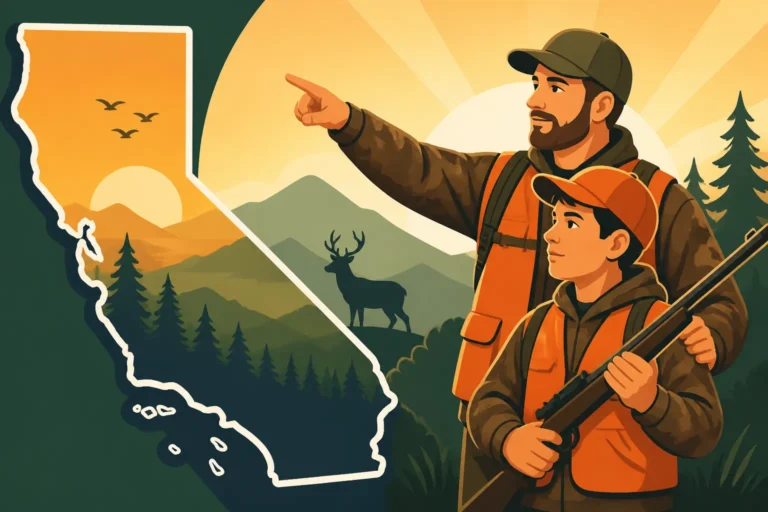
Beyond specific seasons, California heavily promotes mentored youth hunting programs. The idea here is that an experienced adult hunter (the mentor) accompanies and directly supervises a junior hunter. This isn't just about sharing knowledge; it's about ensuring safety, teaching ethics, and providing real-time guidance in the field. The California Mentored Youth Hunting Rules outline the specific requirements for mentors and juniors, ensuring a responsible and educational experience. These programs are vital for passing down the traditions and skills of hunting effectively.
Many of California's extensive public lands, including National Forests, BLM lands, and various Wildlife Areas, are open to junior hunters during appropriate seasons. However, some areas may have specific junior-only hunts or restricted access to manage pressure. It's always crucial to check specific area regulations before heading out. Using resources like GoHunt's mapping tools can help identify suitable public hunting areas, understand boundary lines, and scout potential spots for deer, pigs, or waterfowl. They often have layers that show public vs. private land, which is incredibly useful.
For those interested in deer hunting, understanding California's diverse deer zones, like those discussed in California's Multi-Zone Deer Season System, is key. While many D-zones are open to juniors, some premium X-zones are draw-only and highly competitive, even for adults. Starting with more accessible zones is often a good strategy for junior hunters.
Furthermore, getting involved in waterfowl hunting in California's Central Valley can be a fantastic experience for juniors. Many refuges offer special junior hunts, and the sheer volume of ducks and geese can be thrilling. Our article on Waterfowl Hunting California's Central Valley can give you a head start on what to expect.
These specialized opportunities, combined with the license discount, underscore California's commitment to nurturing young hunters. They offer a pathway for youth to not just hunt, but to become engaged participants in conservation, developing skills and a connection to nature that will enrich their lives. Whether it's chasing spring gobblers or patiently waiting for a deer, these programs are designed to create positive, foundational hunting experiences.
Scouting and Preparation Tips for Junior Hunts
Preparation is key for any successful hunt, and it's an excellent opportunity to involve your junior hunter every step of the way. Before you even think about stepping into the field, dedicate time to scouting. This teaches youngsters the importance of understanding game movement, habitat, and how to read the landscape. Our guide on Scouting California Public Land Before Season provides invaluable tips that apply equally to junior hunters. Using digital mapping apps, familiarizing yourselves with the terrain, and looking for fresh sign like tracks or scat can turn scouting into an exciting detective game.
In addition to scouting the land, practice with their equipment. Whether it's a rifle, shotgun, or bow, ensuring your junior hunter is proficient and comfortable with their chosen weapon is paramount for safety and ethical hunting. This means regular trips to the range, focusing on fundamentals like proper shooting form, breath control, and trigger discipline. Non-lead ammunition, as required in California, might have slightly different ballistics than lead, so zeroing their rifle with the exact hunting load is crucial.
Gear selection is another area where juniors can learn. Choosing the right boots, layered clothing for varied California weather, and understanding the importance of things like a good backpack or a first-aid kit, all contribute to a successful and safe outing. Tools like rangefinders, helpful for judging distance in California's often wide-open country (see Rangefinders for California's Sierra Canyon Country), are also excellent learning tools. Make sure their gear fits well and is appropriate for the type of hunting you'll be doing – whether it's Hunting Coastal Range Oak Woodlands or still-hunting in the Sierra.
Finally, discuss safety protocols, shot placement, and what to do after the shot. Emphasize ethical considerations and the responsibility that comes with harvesting an animal. These conversations are just as important as the hunt itself, solidifying the junior hunter's understanding of their role as a responsible participant in the outdoors.
Disclaimer
The information provided in this guide is for general informational purposes only and is not intended as legal advice. Hunting regulations, license fees, and season dates are subject to change by the California Department of Fish and Wildlife (CDFW). Always consult the most current CDFW regulations, official pamphlets, and local ordinances before engaging in any hunting activities. It is the hunter's responsibility to know and follow all applicable laws.