How Wild Pigs Spread Across California
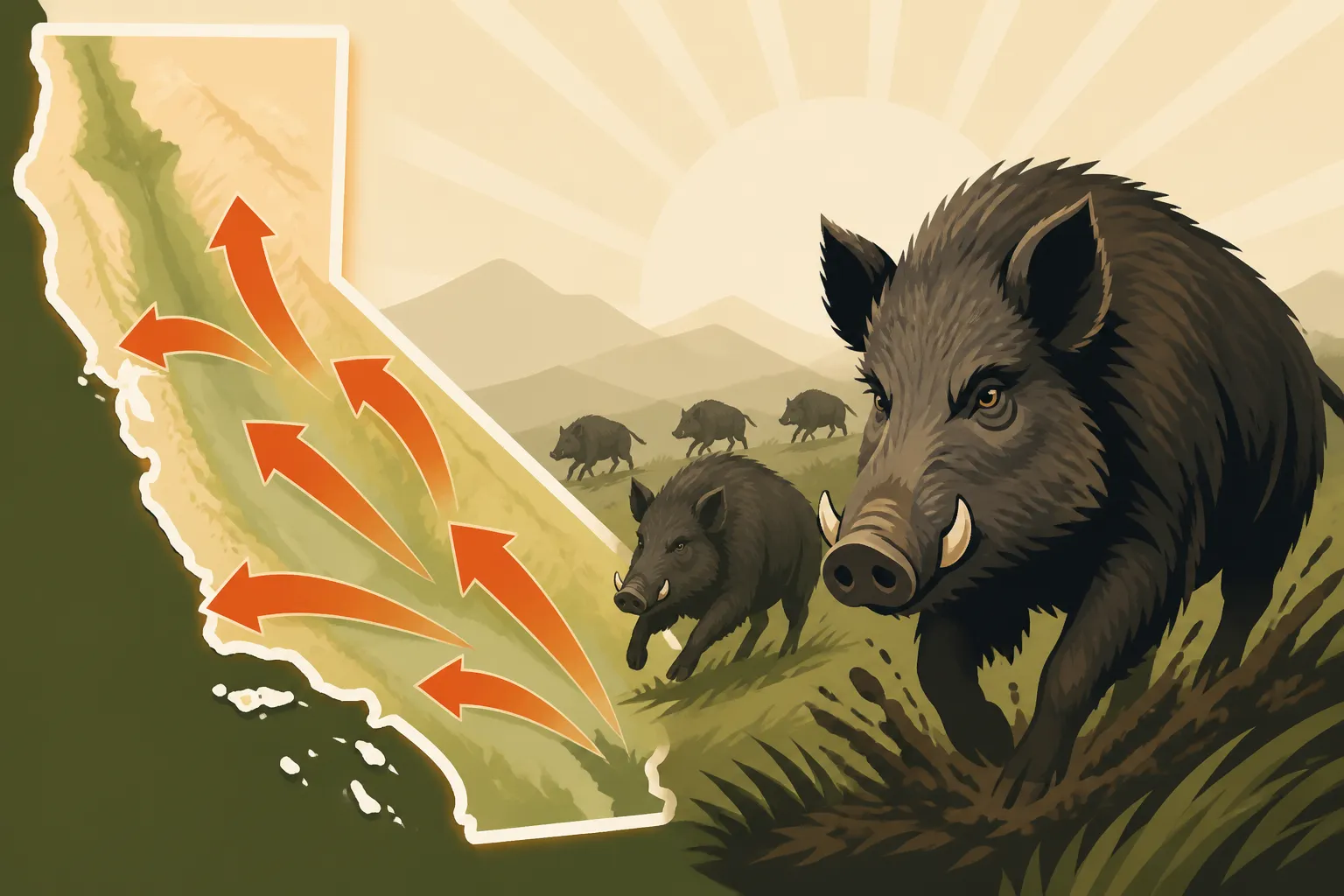
The sight of torn-up fields, ravaged creek bottoms, and signs of destructive rooting is a common, frustrating reality for many landowners and conservationists across California. Wild pigs, those notoriously adaptable and prolific creatures, have managed to expand their range dramatically throughout the Golden State, leaving a significant impact wherever they go. Understanding how these intelligent animals have managed to spread so effectively is key to appreciating the challenges they pose and why they remain such a unique part of California's hunting landscape. This guide will delve deep into the historical context, biological advantages, and environmental factors that have fueled the wild pig's remarkable expansion across California.
The Historical Roots of California's Wild Pigs
To truly understand how wild pigs came to dominate so many landscapes in California, we have to look back in time. Their presence here isn't a recent phenomenon; it's a story stretching back centuries, involving a mix of intentional and unintentional introductions that set the stage for their eventual proliferation. It's a classic tale of a non-native species finding the perfect conditions to thrive.
Early Spanish Introductions and Feral Descendants
The initial wave of pigs arriving in California wasn't what we typically think of as "wild." These were domestic swine brought over by Spanish explorers and missionaries as early as the late 1700s. As the missions and ranchos spread across the landscape, so too did their livestock. Like any domestic animal, some pigs inevitably escaped their enclosures.
These escapees, free from the confines of human care, quickly adapted to the abundant wild resources and diverse habitats California offered. They reverted to a more wild state, becoming what are known as "feral" pigs. They learned to forage for themselves, developed a more robust physique, and began breeding in the wild. These early feral populations established beachheads primarily in the coastal and foothill regions, laying the groundwork for what was to come. They weren't quite the tuskened beasts we see today, but they proved that California was a welcoming home for these resilient animals.
The sheer hardiness of these initial feral pigs, even without the genetics of their true wild boar cousins, demonstrated their incredible potential. They faced some challenges, of course, but the mild climate, diverse vegetation, and relative lack of intense predation for a domestic animal allowed them to slowly but surely expand their localized ranges, setting the stage for more dramatic shifts in the coming centuries.
European Wild Boar Hybridization in the Early 20th Century
The next significant chapter in California's wild pig saga came in the 1920s, with a very specific and intentional introduction. A wealthy landowner named George Gordon Moore imported true European wild boars from the famous Black Forest region of Germany. His intention was to establish a private hunting reserve on his expansive property, the Bojorgues Ranch, nestled in the rugged coastal mountains of Monterey County, near Carmel. These were the real deal – tough, aggressive, and perfectly adapted to a wild existence.
However, as often happens with such endeavors, some of these formidable European wild boars escaped their pens. Once free, they didn't just survive; they thrived. More importantly, they began to interbreed with the existing feral pig populations that were descended from the earlier Spanish domestic stock. This hybridization was a game-changer. The offspring gained the best of both worlds: the genetic hardiness and prolificacy of the feral pigs, combined with the larger size, impressive tusks, and heightened survival instincts of the European wild boar.
The resulting hybrid animal is the wild pig we largely encounter across California today – an incredibly tough, intelligent, and adaptable creature. This genetic mixing created a "super pig" perfectly equipped to not just survive, but to dominate diverse ecosystems. It cemented the wild pig's place as a permanent and expanding fixture in the state's wildlife.
Biological Advantages Fueling Rapid Expansion
Once established and hybridized, California's wild pigs possessed a suite of biological traits that acted like rocket fuel for their expansion. These characteristics make them incredibly difficult to manage and explain why they've spread so rapidly and effectively across the state.
Incredible Reproductive Prowess
One of the most significant factors in the wild pig's success story is their truly astounding reproductive rate. Unlike many other large game animals in California, such as deer or elk, wild pigs don't adhere to a strict seasonal breeding cycle. Sows are capable of breeding year-round, which means they can produce multiple litters in a single year, particularly if food resources are abundant.
Each litter can be surprisingly large, typically ranging from 4 to 12 piglets. These piglets, though vulnerable when very young, grow rapidly under the protection of their highly maternal sows. A sow is a fierce protector, willing to confront most threats to her young, which contributes to higher survival rates for her offspring compared to many other prey animals.
Furthermore, wild pig sows reach sexual maturity at an incredibly young age, often as early as 6 months old. This means that a sow born in spring can potentially be breeding by late fall, adding to the population even before her first birthday. This compounding effect, with multiple litters per year and early sexual maturity, allows populations to explode in suitable habitats. This rapid turnover is a primary reason why the California Wild Pig Population Estimate remains robust despite hunting pressure.
Unmatched Adaptability and Dietary Flexibility
Another key to the wild pig's success is their remarkable adaptability and opportunistic feeding habits. They are true omnivores, meaning they will eat virtually anything they can find. Their diet can include acorns, roots, tubers, mushrooms, berries, grasses, insects, grubs, eggs, carrion, and even small vertebrates like reptiles, amphibians, and ground-nesting bird chicks. This lack of a specialized diet means they aren't limited by the availability of specific food sources, allowing them to thrive in vastly different environments.
This dietary flexibility goes hand-in-hand with their ability to live in an incredibly wide array of habitats. You'll find them in dense coastal oak woodlands, the brushy chaparral of the foothills, lush riparian corridors along rivers and creeks, vast agricultural fields, and even the fringes of semi-desert areas. Their distinctive rooting behavior, while destructive to landscapes, is also a highly effective method for finding buried food sources that other animals simply can't access.
This resilience and ability to thrive where many other species would struggle allows them to colonize new territories with ease. They aren't picky about their dining options or their living arrangements, which is a significant advantage when trying to spread across a diverse state like California.
Lack of Significant Natural Predation
While nature does have its checks and balances, California's wild pigs face relatively few significant natural predators, especially as adults. Mountain lions and black bears will occasionally prey on piglets or juvenile pigs, but a full-grown wild boar or a protective sow can be a formidable, even dangerous, opponent. Their tusks, thick hides, and aggressive demeanor deter most would-be attackers.
The sheer size and strength of mature wild pigs mean that only the largest and most determined predators would consistently target them. This relative safety from natural predators allows a higher percentage of juvenile pigs to reach adulthood and continue breeding, further fueling population growth.
While human hunting does provide some pressure, especially with California's unique California's Year-Round Wild Pig Tag, it often isn't enough to control the statewide population effectively. Hunting can reduce localized populations, particularly on private lands where access can be more controlled, but the vastness of California and the density of pigs in remote or inaccessible areas mean that hunting alone can't keep their numbers in check across the entire state. This combination of high birth rates and low mortality from natural causes creates a perfect storm for rapid expansion.
Environmental and Human-Assisted Factors in Their Spread
Beyond their impressive biology, several external factors, both natural and human-influenced, have played a critical role in the wild pig's pervasive spread throughout California. These factors often work in tandem, creating a mosaic of opportunities for these adaptable animals to establish new territories.
Human-Caused Relocations and Escapees
While many populations spread naturally, it's an unfortunate truth that human actions have significantly accelerated the wild pig's expansion into new territories. A major contributing factor has been the illegal, intentional translocation of pigs by individuals. Driven by a desire to establish new hunting opportunities closer to home or to create personal game populations, some people have captured and released wild pigs in areas where they previously didn't exist. These clandestine releases often go undetected until a breeding population is firmly established and starts causing damage.
In addition to intentional releases, accidental escapes from fenced game farms or private ranches have also contributed to the problem. Even with robust fencing, an intelligent and powerful wild pig can find a way out, and once free, it quickly reverts to its wild instincts. These escapees, often already carrying robust genetics, readily join existing small feral groups or start new ones, seeding new populations in previously unaffected regions.
The cumulative effect of these often-small, localized translocations is significant. Instead of slow, natural range expansion, these human-assisted movements allow pigs to suddenly appear in distant areas, leapfrogging geographical barriers and significantly speeding up their colonization of the state.
Exploitation of Habitat Corridors and Water Sources
California's diverse landscape is crisscrossed with natural corridors that wild pigs have expertly exploited. Riparian zones – the areas along rivers, creeks, and drainage washes – serve as crucial pathways for pig dispersal. These corridors often provide dense cover, consistent water sources, and a steady supply of food, allowing pigs to travel long distances while remaining largely undetected.
Water is a non-negotiable requirement for wild pigs, not just for drinking, but also for wallowing to regulate their body temperature and to help shed parasites. Following these linear water features allows them to move safely through otherwise open or developed landscapes. They can use these greenbelts to skirt urban areas, agricultural fields, and other human disturbances, enabling them to establish footholds in regions that might otherwise seem inaccessible.
This strategic use of natural corridors helps pigs bypass geographical obstacles, connecting disparate pockets of suitable habitat. It's a prime example of how their inherent survival instincts combine with the landscape's features to facilitate widespread colonization.
Agricultural Landscapes as All-You-Can-Eat Buffets
California's reputation as an agricultural powerhouse, while a boon for humans, has inadvertently created an irresistible draw for wild pigs. The state's vast agricultural lands, from sprawling vineyards and nut orchards to expansive row crops and lush Hunting a Standing Alfalfa Field, provide an incredibly rich and consistent food source for pigs. These fields essentially become "all-you-can-eat buffets," offering high-calorie diets that support large, healthy populations.
The presence of readily available crops not only attracts pigs but also boosts their reproductive success, leading to even more rapid population growth in these areas. The California Wild Pig Damage to Vineyards and other crops can be devastating, creating a significant economic burden for farmers. While this damage prompts landowners to seek management solutions, the sheer abundance of food consistently recharges pig numbers.
Proximity to agriculture means these animals often have stable food supplies year-round, even when natural forage might be scarce due to drought or seasonal changes. This reliable food source is a direct contributor to their high reproductive rates and continuous expansion, making agricultural interfaces a critical area for both pig presence and the challenges they pose.
Current Distribution and Management Challenges
Today, California's wild pigs are not just a localized problem; they're a widespread phenomenon. Their remarkable journey from a few escaped domestic animals to a dominant game species presents ongoing challenges for wildlife managers, landowners, and conservationists.
Widespread Presence Across Varied Terrain
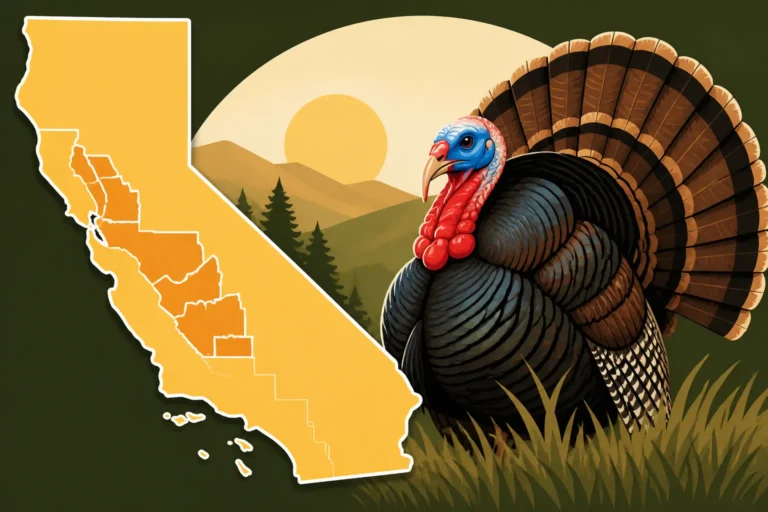
The range of the wild pig in California is truly impressive. They are now found in the majority of California counties that possess suitable habitat, from the humid coastal oak woodlands to the high desert fringes. While their density certainly varies depending on food availability, water, and hunting pressure, they are particularly prevalent in the Central Coast region, significant portions of the Central Valley, and the inner Coastal Ranges. For hunters using tools like GoHunt, understanding where these concentrations lie is crucial for planning successful trips.
Their ability to thrive in such diverse environments—from dense brush and timber to open grasslands—underscores their unparalleled adaptability. They move between these habitats, utilizing different areas for bedding, foraging, and farrowing (giving birth). This widespread distribution makes them a truly pervasive presence across much of the state, not just in a few isolated pockets. Resources that identify Which California Counties Have the Most Pigs become essential for those tracking their movements or planning hunts.
The Year-Round Hunting Opportunity and Its Role
In recognition of their prolific nature and the significant impacts they have on both natural ecosystems and agricultural interests, California has a unique approach to wild pig management: a California's Year-Round Wild Pig Tag. This means hunters can pursue pigs throughout the year, providing continuous pressure that is intended to help manage populations. Unlike deer or bear seasons, there are no closed seasons or bag limits for wild pigs in California, reinforcing their status as a species requiring active management.
While this year-round hunting season offers a fantastic opportunity for hunters and does contribute to localized population control, it's generally not sufficient to halt or reverse the overall population growth on a statewide scale. The sheer reproductive capacity of these animals often outpaces even dedicated hunting efforts. However, hunters play an absolutely vital role in mitigating damage and controlling numbers in specific areas. Whether they're Hunting Pigs on Central Coast Oak Ranges or in the drier foothills, every pig harvested contributes to the larger management picture.
This continuous hunting pressure is a testament to the pig's pervasive nature. It acknowledges that pigs are not only a valuable game species but also an ecological force that requires ongoing human intervention to keep in balance, or at least to attempt to.
Understanding and Addressing Management Complexities
Managing wild pigs in California is far from simple. Their intelligence, adaptability, and widespread distribution present a multifaceted challenge that goes beyond just hunting. Effective management often requires a combination of strategies, including robust fencing around vulnerable areas, targeted trapping programs, and even habitat modification to make certain areas less attractive to pigs.
The California Department of Fish and Wildlife (CDFW) provides regulations and guidance for various control methods. For instance, Trapping and Baiting Rules for California Wild Pigs are in place, allowing landowners and licensed individuals to use these tools, particularly in areas experiencing severe agricultural damage. However, these methods come with strict guidelines to ensure ethical practices and prevent unintended harm to other wildlife.
The complexities also extend to understanding the ecological and economic ripple effects. The question of Why California Treats Pigs as Game, Not Pests highlights the dual nature of these animals – they are a valuable hunting resource, yet also a destructive invasive species. The CDFW relies on data, including hunter harvest reports when individuals follow rules like Reporting a Pig Harvest Through ALDS, to inform ongoing strategies and adapt to evolving population dynamics. Despite these efforts, wild pigs remain a formidable and persistent challenge, requiring continuous vigilance and adaptive management techniques.
Monitoring Efforts and the Future Outlook
Given the significant ecological and economic impacts of wild pigs, ongoing monitoring and strategic planning are essential. Understanding where they are, how many there are, and how they're interacting with the environment helps shape future management decisions.
CDFW Monitoring and Hunter Data
The California Department of Fish and Wildlife (CDFW) employs a variety of methods to keep tabs on wild pig populations across the state. This includes conducting aerial surveys in certain regions, deploying trail cameras to estimate densities and track movement, and compiling reports from nuisance animal incidents. However, a truly critical piece of this monitoring puzzle comes directly from the hunting community.
Hunter harvest reports are invaluable. When hunters conscientiously follow the regulations and Reporting a Pig Harvest Through ALDS, they provide real-time, localized data on pig presence, distribution, and success rates in different regions. This data helps the CDFW gauge population trends, identify areas of increasing pressure, and understand the effectiveness of various management efforts. For hunters themselves, gaining insight from historical data, which can be found by Reading a California Harvest Report, can help in planning future hunts.
Despite these efforts, the secretive nature of wild pigs and the challenge of surveying vast, rugged terrains mean that getting a complete, perfectly accurate picture is an ongoing task. The more data gathered, the better equipped wildlife managers are to make informed decisions, though the clandestine nature of some illegal translocations makes a complete picture difficult to obtain.
Research and Technology in Pig Management
The battle against wild pig proliferation is not just fought in the field; it's also a subject of intense scientific study. Universities and wildlife agencies are continuously engaging in research to better understand wild pig ecology, behavior, genetics, and the most effective control methods. This includes studies on their diet, preferred habitats, breeding cycles, and disease vectors.
New technologies are increasingly being integrated into pig management strategies. This ranges from advanced trapping systems that can capture multiple animals at once, to GPS tracking of collared pigs to understand their movement patterns and home ranges. Satellite communication devices and sophisticated mapping applications, like those offered by GoHunt, can help managers and hunters alike identify historical pig movement corridors, locate high-traffic areas, and predict where pigs might move next.
While these research and technological advancements offer promising tools, the inherent resilience and rapid reproductive rate of wild pigs mean that it's a constant effort to stay ahead of the curve. The animals continually adapt to pressure, making management a dynamic and evolving field. For example, knowing the Average Weight of a California Wild Boar collected from various regions can help researchers understand health and density across different habitats.
What the Future Holds for California's Wild Pigs
Given their incredible biological advantages—their prolific breeding, dietary flexibility, and adaptive intelligence—it is highly improbable that wild pigs will ever be entirely eradicated from California. The realistic goal for wildlife managers is not elimination, but rather effective management and mitigation of their impacts. This means controlling populations to acceptable levels, reducing agricultural damage, and minimizing their ecological footprint.
Public education plays a critical role in preventing further spread, particularly by discouraging any illegal releases or translocations. The collective responsibility of landowners, hunters, and the general public to report sightings and adhere to regulations is paramount.
For hunters, wild pigs will undoubtedly remain a challenging and rewarding pursuit. They are a testament to an introduced species that has truly made California its own, carving out a niche across vast swathes of the landscape. As hunters, we have a unique opportunity to contribute to their management while also putting healthy, wild protein on the table. The implementation of specific regulations like Night Hunting Rules for California Hogs offers additional avenues for control, especially in areas where pigs cause significant nighttime damage, though these regulations come with stringent requirements. The future of wild pigs in California will continue to be a dynamic interaction between human management efforts and the unwavering adaptability of these remarkable, and often troublesome, animals.
Understanding Wild Pig Dynamics
| Factor | Description | Impact on Wild Pig Spread |
|---|---|---|
| Historical Origins | Spanish domestic escapes (feral pigs) + European wild boar introductions. | Created highly adapted, resilient hybrid populations. |
| Reproductive Rate | Breed year-round, large litters (4-12 piglets), early sexual maturity. | Exponential population growth, quickly filling available habitats. |
| Dietary Versatility | Omnivorous diet (acorns, roots, crops, carrion, insects, small animals). | Ability to thrive in diverse food environments; not limited by specific forage. |
| Habitat Adaptability | Thrive in woodlands, chaparral, riparian corridors, agricultural lands. | Colonization of a wide range of ecological niches across California. |
| Lack of Predation | Few natural predators for adult pigs; high survival rates for offspring. | Allows populations to grow unchecked without significant natural mortality. |
| Human Translocation | Illegal releases and accidental escapes from confined areas. | Rapidly established satellite populations, accelerating statewide spread. |
| Riparian Corridor Use | Utilize creeks and rivers for travel, cover, and water sources. | Provided safe, undetected travel routes for long-distance dispersal. |
| Agricultural Attractants | Abundant food from crops (e.g., vineyards, alfalfa, orchards). | Supports large, healthy populations, fostering higher reproductive success. |
Disclaimer
Please be aware that hunting regulations, seasons, and requirements in California can change. Always consult the most current California Department of Fish and Wildlife (CDFW) regulations before planning any hunting activity. This guide is for informational purposes only and does not supersede official legal requirements.