California Wild Pig Damage to Vineyards
For vineyard owners and agricultural producers in California, few things are as disheartening or financially devastating as waking up to find your carefully cultivated vines, ripe with the promise of a bountiful harvest, utterly ravaged by wild pigs. These intelligent, tenacious, and incredibly destructive animals pose an existential threat to your livelihood, turning years of hard work and significant investment into a muddy, torn-up mess. This guide will delve deep into the specific ways wild pigs cause damage to California vineyards, explore the broader implications, and discuss a range of strategies landowners can employ to protect their valuable crops.
Understanding the Threat: How Wild Pigs Devastate Vineyards
Wild pigs (often called wild hogs or feral hogs) are not native to California, but they have certainly made themselves at home, spreading across vast swaths of the state. Their opportunistic nature and rapid breeding cycles mean that once they establish a presence near a vineyard, the damage can escalate quickly and significantly. It's not just about a few grapes; these animals are capable of causing widespread destruction that impacts everything from soil health to irrigation systems.
Rooting Behavior and Soil Disturbance
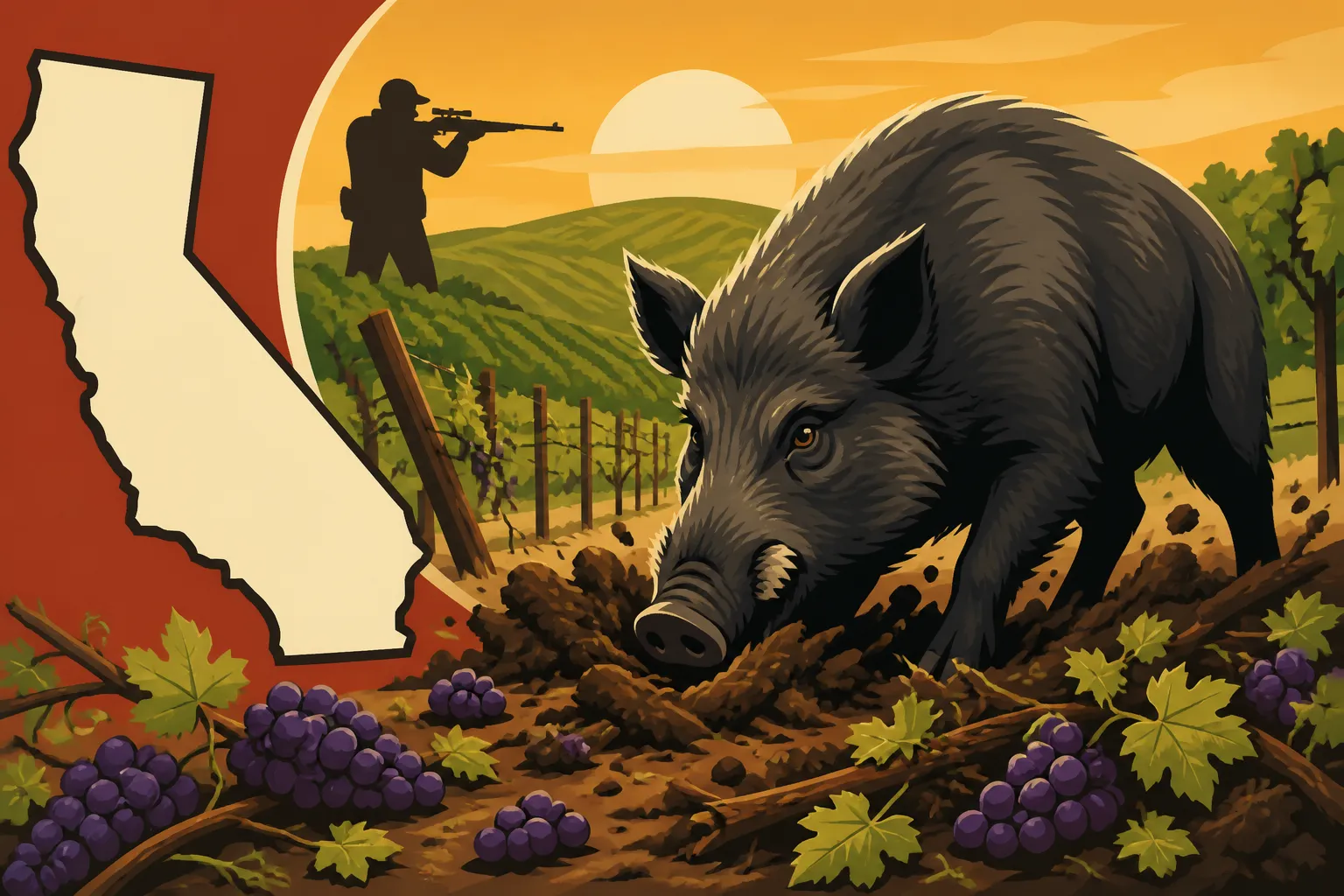
One of the most immediate and visually striking forms of damage wild pigs inflict is their incessant rooting. Driven by their keen sense of smell, they dig into the soil, often quite deeply, in search of grubs, roots, fungi, and other food sources. This isn't a gentle probing; it's a forceful excavation that can turn a neatly tilled vineyard floor into a pockmarked, cratered wasteland.
Imagine a pristine row of grapevines, the soil carefully managed for optimal nutrient absorption and drainage. Then, picture a sounder of wild pigs, perhaps a dozen strong, moving through that same row at night. They'll systematically churn up the earth, creating furrows and holes that expose roots, disturb the delicate microbial balance of the soil, and lead to increased erosion, especially on slopes or during rainfall. This rooting not only makes traversing the vineyard difficult and potentially dangerous for workers and machinery, but it also directly compromises the health and stability of the vines themselves. Exposed roots are susceptible to disease, desiccation, and direct damage, weakening the plants and reducing their long-term productivity.
Direct Damage to Vines and Grapes
While rooting is a major problem, wild pigs aren't above enjoying the fruits of your labor, literally. As grapes ripen, they become an irresistible treat for these animals. Pigs will eat entire clusters, often tearing down parts of the vine in the process. Their strong jaws and tusks (in boars) can easily strip canes, break branches, and even sever young vines at the base.
Consider a vineyard during the crucial veraison period, when grapes are changing color and accumulating sugars. A single night of pig activity can wipe out a significant portion of your anticipated yield. They don't just eat a few; they gorge themselves, moving systematically through rows, leaving behind only damaged stems and crushed, inedible remnants. This direct consumption of grapes is a direct hit to your bottom line, as every lost cluster represents lost revenue. For vineyards producing high-value wines, even a small percentage of crop loss can translate into substantial financial setbacks. This sort of direct loss often leads frustrated vineyard managers to explore year-round solutions for controlling these pests, such as those covered in Wild Pig Hunting California Year-Round.
Irrigation System Destruction
Beyond the vines and soil, wild pigs have a knack for destroying expensive and vital vineyard infrastructure, particularly irrigation systems. Drip lines, sprinklers, and buried pipes are no match for a rooting pig. They'll unearth plastic lines, chew through tubing, and even break PVC pipes as they dig or move through the rows.
The consequences of damaged irrigation are far-reaching. First, there's the immediate cost of repair or replacement, which can be significant, especially for extensive systems. More critically, interrupted irrigation can stress vines, leading to reduced grape quality and yield. If a drip line is severed and goes unnoticed for a day or two in the hot California sun, entire sections of vines can become severely dehydrated, impacting grape development and potentially causing long-term damage to the plants. It's a double blow: the cost of repair combined with the loss of crop due to water stress. Maintaining these systems is key to grape health, as discussed in detail when considering Hot-Weather Sitting Strategy in August for other game species, but equally relevant for keeping vines hydrated when pigs destroy lines.
The Ripple Effect: Beyond Just Grapes
The damage caused by wild pigs extends far beyond the immediate destruction of vines and grapes. There are significant long-term ecological and economic consequences that can impact the entire vineyard operation and surrounding agricultural landscape. These animals are a relentless force that demands a comprehensive, multi-faceted approach to management.
Economic Losses and Increased Costs
The financial impact of wild pig damage to vineyards is often staggering. It begins with the obvious loss of crop yield, which directly reduces revenue from grape sales. But the costs don't stop there. Vineyard owners face expenses for repairing damaged irrigation systems, replanting young vines, and restoring soil health. There's also the labor cost associated with all these repairs, which diverts valuable resources from other essential vineyard tasks.
Beyond direct repairs, many vineyards must invest heavily in mitigation strategies, such as fencing, trapping, and hiring professional wildlife control. These are significant upfront and ongoing expenses that cut into profit margins. For smaller, family-run vineyards, a severe pig attack could even threaten the viability of the business. The cumulative effect of these losses and expenses can be truly crippling, forcing vineyard owners to constantly re-evaluate their budgets and operational strategies. The continuous threat often means exploring options like applying for a California Deer Damage Permits for Farmers, though pigs are often treated differently by agencies.
Disease Transmission and Vineyard Health
Wild pigs are known carriers of various diseases and parasites that can pose a risk not only to livestock but potentially to vineyard health indirectly. While pigs don't directly transmit diseases to grapevines, their presence and activities can introduce or spread pathogens in the soil. For example, some soil-borne diseases that affect other plants could potentially be spread through pig rooting, although direct vine-specific pathogen transmission is less common.
More concerning are the diseases they can carry that affect other animals on or near agricultural properties, such as domestic livestock or even humans. They can spread diseases like brucellosis and pseudorabies, which, while not directly impacting grapes, create a public health and agricultural livestock concern for the broader farming community. This makes the management of wild pig populations not just a vineyard protection issue but a broader agricultural and public health imperative. Understanding disease concerns, like California's Emerging CWD Concern in deer and elk, highlights the importance of wildlife health monitoring in all species.
Environmental Degradation and Weed Proliferation
The extensive rooting behavior of wild pigs doesn't just disturb soil; it can lead to significant environmental degradation within and around vineyards. The churning of soil can increase erosion, especially during heavy rains, washing away valuable topsoil and nutrients. This can also compact soil in other areas, reducing water penetration and harming beneficial soil organisms.
Furthermore, by disturbing the soil and creating open patches, pigs inadvertently create ideal conditions for invasive weeds to establish and spread. These weeds then compete with grapevines for water and nutrients, adding another layer of management challenge and cost for vineyard owners. The ecological footprint of wild pigs is substantial, transforming diverse undergrowth into monocultures of undesirable species and disrupting native plant communities that contribute to a healthy ecosystem.
Strategies for Mitigation: Protecting Your Investment
Dealing with wild pigs is an ongoing battle, and there's no single magic bullet. A combination of strategies, often adapted to the specific characteristics of your vineyard and the intensity of pig pressure, is usually the most effective approach. The key is to be proactive and persistent.
Fencing as a Physical Barrier
When it comes to keeping wild pigs out, a physical barrier is often the first line of defense many vineyard owners consider. However, pigs are incredibly strong and determined, so not just any fence will do. You need something robust and properly installed to withstand their pressure and rooting behavior.
Electric Fencing for Deterrence
Electric fencing can be a very effective deterrent. A multi-strand electric fence, with wires placed at varying heights to account for pigs of all sizes (from small piglets to large adults), can deliver a memorable shock that teaches them to stay away. The lowest wire should be very close to the ground, often just 4-6 inches high, to prevent them from rooting under it. Subsequent wires can be spaced at increasing intervals. It’s crucial that the fence charger is powerful enough to deliver a consistent, strong jolt, and that the fence is regularly maintained to ensure good conductivity and clear vegetation that could short it out. While effective, electric fences require constant monitoring and can be costly to install and maintain over large areas.
Woven Wire and Hog Panels
For a more permanent and physical barrier, woven wire fencing or heavy-duty hog panels can be installed. Woven wire should be buried several inches into the ground (or even a foot with a "skirt" bent outward) to prevent pigs from rooting underneath. Hog panels are particularly sturdy and come in sections that can be linked together, creating a formidable barrier. The drawback here is the significant cost of materials and installation, especially for large vineyards. You're talking about a serious investment, but it's an investment against ongoing, potentially catastrophic crop loss. Before undertaking such an extensive project, it's wise to consult with fencing professionals who specialize in wildlife exclusion.
Trapping and Hunting for Population Control
While fences keep new pigs out, trapping and hunting are direct methods for reducing existing populations on or near your property. These are often necessary components of a comprehensive management plan, especially if pigs have already established themselves. Many landowners find combining these active removal methods with physical barriers to be the most effective long-term solution.
Strategic Trapping Methods
Trapping involves setting up large, sturdy traps designed to capture multiple pigs at once, often referred to as "sounder traps." These traps are baited with enticing foods like fermented corn to draw pigs in. The key to successful trapping is patience and strategic placement. Pre-baiting for several days or even weeks without setting the trap can habituate pigs to the location, making them more comfortable entering when the trap is finally armed. Once a sounder is caught, proper disposal or relocation (where legal and feasible) is necessary. Trapping requires significant commitment, knowledge of pig behavior, and adherence to local regulations, as highlighted in guides like Trapping a Sounder on Private Land. For finding information on pig activity and movement patterns, landowners can use tools like those offered by GoHunt to identify areas of high pig traffic or potential trap locations based on topography and cover.
Controlled Hunting Programs
Hunting can be a very effective tool for managing wild pig populations, especially when done in a systematic and consistent manner. California has liberal hunting regulations for wild pigs, with no closed season and no bag limit, offering landowners flexibility. Landowners can hunt pigs themselves, allow trusted friends, or hire professional depredation hunters. The key is to reduce pressure on vineyard operations while ensuring ethical and safe hunting practices.
Some vineyards might consider establishing a controlled hunting program, offering access to hunters in exchange for pig removal. This can be a cost-effective way to manage populations. Using mapping applications or platforms like those offered by GoHunt can help coordinate hunting efforts, track pig movements, and ensure hunters are operating in designated safe zones. It's not just about harvesting animals; it's about altering their behavior and reducing their numbers so they no longer view your vineyard as a free buffet. Discussions around Hunting Pigs Without a Closed Season often provide valuable context for these programs.
Habitat Modification and Deterrents
Sometimes, preventing pigs from even being attracted to your vineyard can be achieved through changes in the surrounding environment or by employing deterrents that make the area less appealing. These methods work best in conjunction with physical barriers or active removal.
Reducing Attractants
One simple but often overlooked strategy is to eliminate or reduce other food sources that might draw pigs to your area. This includes properly securing garbage, cleaning up spilled crops or feed, and removing fallen fruit from orchards adjacent to vineyards. If pigs have easier, safer food sources elsewhere, they might be less inclined to risk a fenced-off vineyard. Regular maintenance of the vineyard edges, clearing dense brush that offers cover, can also make the area less attractive for pigs to bed down in.
Acoustic and Olfactory Deterrents
Various deterrents aim to scare pigs away or make an area unpleasant for them. These can include motion-activated lights, sound devices that emit predator calls or loud noises, or even certain unpleasant scents. The challenge with deterrents is that pigs are highly intelligent and adaptable; they can quickly become habituated to a particular sound or smell if it doesn't consistently pose a real threat. To be effective, deterrents often need to be varied and deployed unpredictably. While they might offer temporary relief, they are rarely a standalone solution for sustained pig pressure.
Working Together: Community and Regulatory Approaches
Wild pig management isn't always something a single vineyard owner can tackle alone. The migratory nature of these animals means they often cross property lines, making community-wide cooperation and understanding of regulatory frameworks crucial for effective, long-term solutions.
Collaborative Efforts with Neighbors
Pigs don't recognize property boundaries, which means a problem on one vineyard can quickly become a problem for a neighbor, and vice-versa. Establishing a coordinated management plan with adjacent landowners, whether they are other vineyards, orchards, or cattle ranchers, can significantly increase the effectiveness of any mitigation strategy.
Imagine a situation where one vineyard has robust fencing and an active trapping program, but an adjacent property has unmanaged brush and no pig control. Pigs will simply move through the unmanaged property, find weak points, or even push through the fence on the well-managed vineyard. By pooling resources, sharing information on pig movements, and coordinating trapping and hunting efforts, the entire community stands a much better chance of reducing pig populations across a broader landscape. This collective approach can be particularly beneficial for purchasing and sharing expensive trapping equipment or coordinating professional depredation services. Tools like GoHunt can facilitate communication among landowners by identifying shared problem areas or potential entry points that affect multiple properties.
Understanding California's Regulations for Wild Pig Management
California's regulations concerning wild pigs are generally quite liberal, recognizing their status as a non-native, destructive species. As mentioned, there is no closed season and no bag limit for wild pigs, meaning they can be hunted year-round. However, hunters do need a valid California hunting license and a wild pig tag for each pig harvested. These regulations are designed to facilitate control while still ensuring ethical hunting practices and data collection.
It's vital for landowners and hunters to stay informed about any changes in these regulations, as well as specific local ordinances that might apply. For instance, rules around baiting for hogs legally in California can be specific and require careful adherence. Landowners looking to implement hunting programs should ensure all participants are properly licensed and adhere to all state and local laws. Reporting harvested pigs through the Automated License Data System (ALDS) is also a requirement and helps the state monitor populations and assess management needs, offering insights into Reporting Wild Pig Harvests Through ALDS.
Long-Term Monitoring and Adaptive Management
Effective wild pig management is not a one-time fix; it's an ongoing process of monitoring, evaluation, and adaptation. Pig populations can rebound quickly due to their high reproductive rates, so vigilance is always necessary. Regularly scouting for new pig sign, monitoring trail cameras, and tracking damage are all important components of a long-term strategy.
Landowners should maintain detailed records of pig activity, damage, and the effectiveness of different mitigation efforts. This data can help inform future decisions, allowing for an "adaptive management" approach where strategies are adjusted based on what's working and what isn't. If a particular type of fence is consistently breached, it might need reinforcement. If trapping efforts slow down, it might be time to move traps or try different bait. Remaining flexible and responsive to pig behavior is paramount for protecting your vineyard investment over the long haul.
Conclusion: A Continuous Battle for Vineyard Integrity
Dealing with wild pig damage to vineyards in California is an incredibly challenging and often frustrating endeavor. The sheer destructive power of these animals, from their relentless rooting that tears up soil and irrigation systems to their voracious appetite for ripening grapes, can inflict severe economic and ecological harm. It's a continuous battle that demands vigilance, a multi-pronged strategy, and often, collaboration with neighbors and a deep understanding of state regulations.
By investing in robust fencing, implementing strategic trapping and hunting programs, modifying habitat, and working cooperatively with the broader agricultural community, vineyard owners can significantly reduce their vulnerability to these tenacious pests. While the fight against wild pigs may never truly end, a proactive and adaptive approach offers the best chance to protect your invaluable vines, ensure the quality of your harvest, and preserve the integrity of your hard-earned investment for years to come.
Disclaimer
This article is for general informational purposes only and does not constitute professional advice. Laws, prices and regulations vary by location and change over time. Consult a qualified professional for guidance on your specific situation.