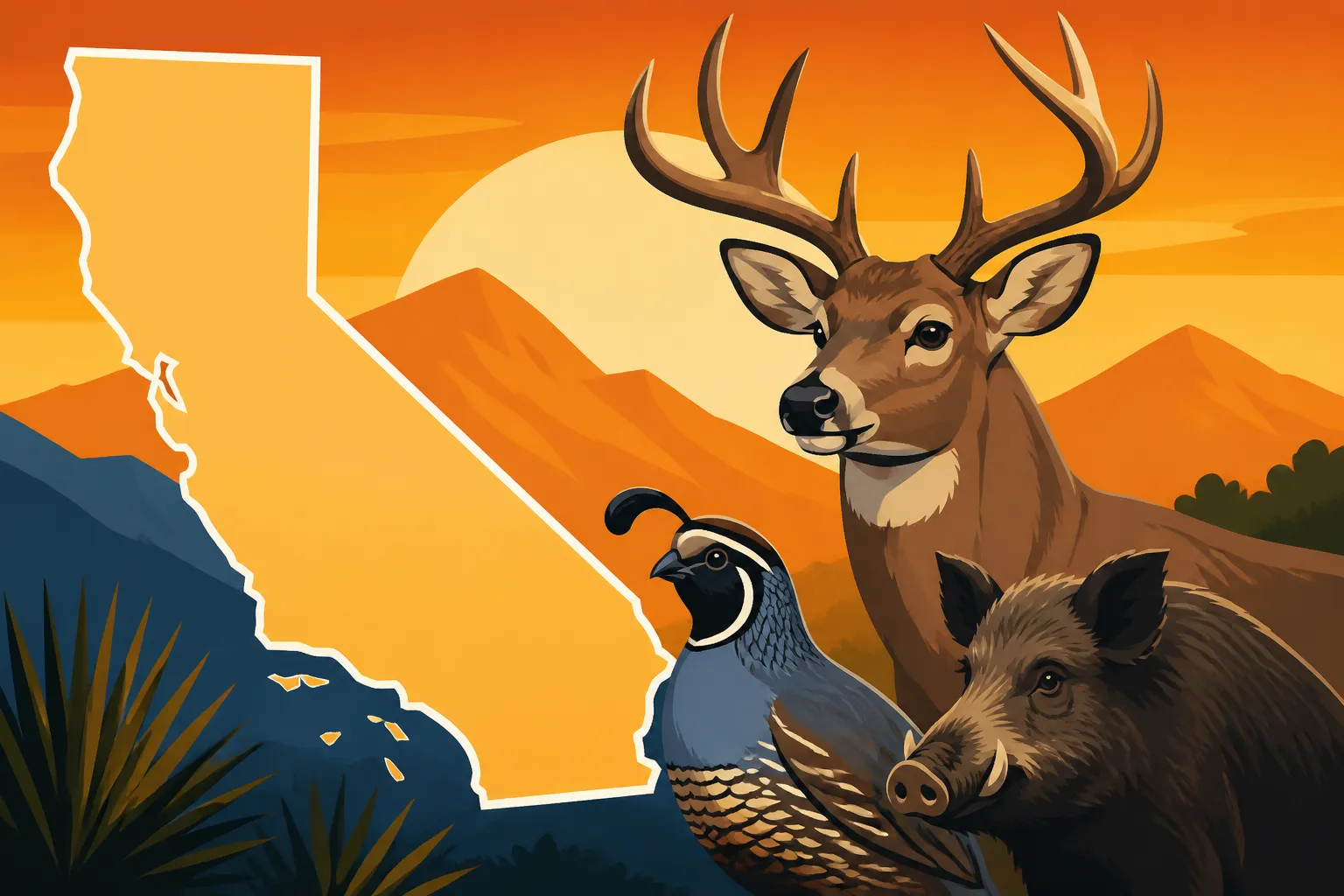
Best-Eating Game in California
There's nothing quite like the satisfaction of a meal harvested with your own two hands, but let's be honest, not all wild game is created equal when it comes to flavor on the plate. If you've ever wondered which of California's diverse game species truly stands out for its table fare, or how to make the most of your harvest regardless of the animal, you've come to the right place. This guide dives deep into the best-eating game California has to offer, discussing what makes some cuts more delicious than others and how proper care can elevate any wild meal.
The Unseen Influences on Game Meat Flavor
Before we dive into specific species, it’s crucial to understand that the flavor of wild game isn't just about the animal itself. A whole host of factors come into play, influencing everything from the tenderness to the richness and even the subtle (or not-so-subtle) "gaminess" that people often talk about. Ignoring these can turn what should be a delicious meal into a disappointing one, no matter what you've harvested.
Think about it: a domestic steer raised in a feedlot has a relatively consistent diet and lifestyle. Wild animals, on the other hand, are constantly moving, eating whatever is available, and facing natural stressors. All of this translates directly to the muscle tissue that ends up on your dinner plate. The old adage "you are what you eat" holds particularly true for wild game. An animal that's been feasting on lush acorns in an oak woodland will likely taste different from one that's been surviving on tough chaparral browse in the late season. The type of vegetation consumed directly impacts the fat and muscle composition, leading to varying flavor profiles.
Beyond diet, the age and sex of the animal play a significant role. A young, tender buck harvested early in the season, before the rut has truly kicked in, will almost always offer milder, more tender meat than an old, battle-scarred mature boar taken during a frantic breeding period. Older animals have more developed muscle fibers, which can be tougher, and often carry more hormones that can impart a stronger flavor. Similarly, an older male, particularly during breeding season, can have a much more intense flavor than a female or a younger animal. Timing your hunt and selecting your animal with these factors in mind can make a world of difference in your culinary outcome.
And finally, the overall health and stress level of the animal at the time of harvest is paramount. A clean, quick kill minimizes adrenaline and lactic acid buildup in the muscles, which can otherwise lead to tougher meat and an off-flavor. This isn't just about ethics; it's about good table fare. Stress before death can literally sour the meat, making all your hard work in the field less rewarding in the kitchen.
Top Contenders for Best-Eating Game in California
California is a land of incredible biodiversity, offering hunters a diverse array of game. When it comes to flavor, some species consistently rise to the top of most hunters' lists for their generally mild, tender, and versatile meat. These are the ones often celebrated around the campfire and in gourmet kitchens alike.
Wild Turkey
When you talk about delicious wild game in California, wild turkey almost always comes up first. These birds are renowned for their lean, flavorful white meat that rivals (and often surpasses) its domestic counterparts. There’s something truly special about a wild turkey breast, whether it's pan-seared, roasted, or even deep-fried. The flavor is distinctively "wild" but rarely overpowering, with a subtle sweetness that lends itself to a wide variety of preparations.
The key to excellent wild turkey meat often lies in harvesting a younger bird, like a jake (a young male) or a hen. Their meat tends to be more tender than that of an old, tough gobbler who has spent seasons strutting and fighting. However, even an older gobbler, with proper brining and slow cooking, can be incredibly delicious. Many hunters describe the taste as richer and more complex than store-bought turkey, a direct result of their natural diet of seeds, insects, and vegetation found across California’s oak woodlands and rolling hills. Preparing a wild turkey is a fantastic experience, whether you're bringing one home during Spring Turkey Hunting in California or during the fall season.
California Blacktail Deer
For many deer hunters, the Columbia blacktail deer holds a special place, not just for the challenge of the hunt but for its superb venison. Blacktail meat is generally known for being incredibly lean, fine-grained, and possessing a relatively mild flavor compared to some other deer species, especially if harvested from a younger animal that has been feasting on good forage. The venison is a deep red color, packed with protein, and remarkably low in fat, which means it cooks quickly and can dry out if you're not careful.
The real secret to outstanding blacktail venison, beyond the animal itself, is immediate and meticulous field care. Getting the animal cooled down as quickly as possible, especially in the warm early season months, is paramount. This prevents spoilage and inhibits the strong, "gamey" flavors that can develop from bacterial growth. Many experienced hunters swear by proper aging, allowing the meat to hang (under controlled temperature and humidity) for several days to a week. This process tenderizes the meat and concentrates its flavors, leading to a much more palatable final product. Whether you're making steaks, roasts, or ground venison, blacktail is a true culinary prize. Learning to handle your harvest efficiently, perhaps reviewing tips on Field Dressing a Deer in Hot Weather or Butchering a Deer at Camp, will pay dividends.
Upland Birds: Quail and Dove
While smaller, California's upland birds like quail and dove are often lauded for their delicate, exquisite flavors. These birds represent a different kind of wild game experience, often served as appetizers or small plates rather than main course roasts. Their meat is dark, tender, and intensely flavorful, a true gourmet delight for those who appreciate fine dining from the field.
California valley quail, with their plump breasts, offer a mild, slightly nutty flavor that is incredibly versatile. They are perfect for quick searing, grilling, or even frying. The challenge with quail, beyond the hunt itself, is that there isn't a huge amount of meat on each bird, so you'll often need several to make a substantial meal. Similarly, mourning doves, especially those harvested from a fresh cut grain field, provide small, tender morsels that are a true delicacy. Their flavor is a bit richer than quail, often described as almost beefy despite their small size. Both benefit from simple preparations that let their natural flavors shine, whether it's a quick pan-fry or a light marinade. Learning their habits, like when Quail Hunting California Foothill Chaparral or Dove Hunting a Cut Grain Field, can lead to some incredible meals.
Wild Pig
Wild pigs in California are a fantastic year-round hunting opportunity, and their meat can be absolutely phenomenal – but there's a significant caveat: consistency. The flavor of wild pig can vary wildly depending on the pig's diet, age, and sex. A young sow or boar that has been gorging on acorns or lush green forage will often yield meat that is tender, moist, and wonderfully rich, often described as having a deeper, more intense flavor than domestic pork.
However, an old, rutting boar that has been eating less palatable forage or living in a particularly harsh environment might have tougher, stringier meat with a strong, undesirable "boar taint." This is why many experienced hunters specifically target younger, smaller pigs or sows for the best table fare. Just like deer, rapid cooling and proper processing are crucial for wild pig, perhaps even more so due to their higher fat content, which can go rancid quickly. Whether you're pursuing them during Wild Pig Hunting California Year-Round or another season, carefully consider the animal you're targeting if meat quality is your priority.
Game You Might Find More Challenging (But Still Delicious!)
Not every game animal is universally praised for its mild flavor, but that doesn't mean it's not delicious. Some species present unique culinary challenges or have flavors that require a different approach in the kitchen. With the right techniques, these can be just as rewarding as the "top contenders."
California Waterfowl
Duck and goose meat from California's Central Valley and coastal marshes are a prime example of game that requires a bit more intentional preparation. These are dark-meat birds, and their flavor is typically robust, rich, and can sometimes be described as "gamey" or even livery, especially with certain species like canvasbacks or scaup that feed heavily on aquatic vegetation or invertebrates. Mallards and pintails, which often feed in agricultural fields, tend to have a milder flavor.
The key to enjoying waterfowl meat is often in the preparation. Many hunters breast out ducks and geese, using the lean breast meat for quick searing or roasting. Marinades are your friend here, helping to tenderize and infuse flavor. Some hunters advocate for removing as much fat as possible, as the fat can hold some of the stronger flavors. Others swear by brining, or even soaking the meat in milk or buttermilk to draw out strong flavors. Despite the unique flavor, a perfectly cooked duck breast, seared to medium-rare, is a culinary experience unmatched by any domestic bird. For those who embrace the distinct taste, it's a truly wild meal. If you're heading out Waterfowl Hunting California's Central Valley, be ready to experiment in the kitchen!
California Elk
California is home to three species of elk—Tule, Roosevelt, and Rocky Mountain—and their meat is generally considered exceptional. While often compared to deer, elk meat tends to be even leaner, with a more subtle, beef-like flavor that is less "gamey" than some venison, especially if the animal is taken cleanly and cared for properly in the field. However, due to their sheer size, processing an elk is a monumental task, and any missteps in field care can quickly lead to undesirable flavors.
The challenge with elk isn't usually the flavor itself, but the volume of meat and the rigorous demands of getting it from the backcountry to your freezer. A mature bull can yield hundreds of pounds of meat, necessitating careful planning for quartering, cooling, and packing out. This is where meticulous attention to detail, from the shot placement to the final cut, becomes critical. Elk meat is fantastic for everything from steaks and roasts to jerky and sausages. Its lean nature means it benefits from quick, hot cooking methods for cuts like backstraps, while tougher cuts from the legs and shoulders excel with slow, moist-heat cooking. For those fortunate enough to draw a tag and successfully hunt Hunting California's Three Elk Species, the reward is a freezer full of some of the finest wild meat available.
Black Bear
Black bear meat is probably the most variable in terms of flavor and quality among California's big game. Its taste depends almost entirely on what the bear has been eating. A bear that has spent the season gorging on berries, acorns, and other natural forage can yield surprisingly sweet and rich meat, often compared to pork. However, a bear that has been scavenging or eating less desirable foods can have an incredibly strong, unpleasant flavor.
The fat on a bear is also a major factor. While bear fat can be rendered into a highly prized cooking oil, it can also impart strong flavors into the meat if not trimmed carefully. The most critical aspect of processing bear meat, however, is not flavor but safety. Bear meat is highly susceptible to carrying trichinosis, a parasitic worm that can cause serious illness in humans. For this reason, all bear meat must be cooked thoroughly to an internal temperature of at least 160°F (71°C) to kill any potential parasites. Slow cooking, stewing, or grinding the meat for sausages are popular methods. The backstraps and hindquarters can be quite good if properly prepared, especially if you harvested a bear that's been feasting on a berry patch. Regardless of where you're Black Bear Hunting California's Spot-and-Stalk Season, safe handling and cooking are non-negotiable.
Game Meat Flavor and Preparation Comparison
To give you a quick overview, here's a breakdown of some common California game and their culinary characteristics.
| Game Species | Flavor Profile | Typical Texture | Best Cooking Methods | Key Preparation Tips |
|---|---|---|---|---|
| Wild Turkey | Mild, slightly sweet, distinctively "wild" | Tender (young) | Roasting, grilling, pan-searing, frying | Brine for moisture, especially older birds. Cook breasts quickly. Use legs/thighs for slow cooking. |
| Blacktail Deer | Lean, mild, fine-grained, subtle venison | Tender (young) | Steaks (seared/grilled), roasts, ground meat, jerky | Rapid cooling and clean processing essential. Consider aging for tenderness. Avoid overcooking due to leanness. |
| Valley Quail & Dove | Delicate, mild, slightly nutty (quail); richer, beefy (dove) | Very tender | Pan-searing, grilling, frying, roasting | Minimal seasoning to let natural flavor shine. Cook quickly, as small size means fast cooking. |
| Wild Pig | Highly variable: rich, savory to strong | Can be tough | Roasting, slow cooking, stewing, sausages, smoking | Target younger, acorn-fed pigs for best flavor. Rapid cooling. Trim all fat from older boars. Cook thoroughly. |
| California Waterfowl | Robust, rich, sometimes "gamey" | Varies (dark meat) | Searing (breasts), stewing, grinding for sausage, marinading | Remove all silver skin and excess fat from breasts. Marinades are highly recommended. Cook breasts rare/medium-rare; legs/thighs slow cook. |
| California Elk | Lean, mild, beef-like, very subtle "game" | Tender | Steaks (seared/grilled), roasts, stewing, ground meat | Excellent field care and rapid cooling due to size. Aging is beneficial for tenderness. |
| Black Bear | Highly variable: sweet/rich to strong | Can be tough | Stewing, roasting (slow), grinding, smoking | Cook thoroughly to 160°F+ (71°C+) due to trichinosis risk. Trim all fat to mitigate strong flavors. Season heavily. |
Enhancing the Flavor of Your California Game Harvest
Regardless of the species you've harvested, there are crucial steps you can take from the field to the kitchen to maximize the flavor and tenderness of your wild game. Neglecting any of these can significantly impact your final meal, turning potential deliciousness into disappointment.
The Critical Role of Field Care and Processing
Let's be real, the moment the animal hits the ground, the clock starts ticking. The single biggest factor influencing meat quality, especially in California's often warm hunting seasons, is how quickly and effectively you can cool down the carcass. This isn't just a suggestion; it's an absolute necessity. Delaying field dressing or letting the carcass sit in the sun for too long can lead to bacterial growth and enzyme activity that breaks down muscle tissue in an undesirable way, leading to off-flavors and tough meat.
Think about the Sierra Nevada high country in late August. Temperatures can be scorching. A deer left whole, even for a few hours, can start to sour. Your priority must be to gut the animal immediately, get the hide off (if conditions allow and it's legal), and quarter it to allow air circulation. If you're on a multi-day backcountry hunt, having game bags and a plan for hanging meat in the shade, ideally in a cool canyon or at altitude, is non-negotiable. Many hunters swear by products like GoHunt to help them pre-scout areas and identify potential game recovery routes or hanging spots, especially when planning for a heavy pack-out. This foresight can be the difference between premium venison and something less palatable. Understanding tips for Aging Venison in Hot Weather is also critical. Even for smaller game like birds, getting them cleaned and cooled quickly makes a noticeable difference in flavor and shelf life.
Mastering Cooking Techniques for Wild Game
Once you have your properly cared-for meat in hand, the kitchen is where you truly unlock its potential. Wild game, being generally leaner than domestic meat, often requires different cooking approaches. Overcooking is the cardinal sin, as it can turn even the most tender cut into dry, flavorless shoe leather.
For lean cuts like deer backstrap or duck breast, quick, high-heat searing to a medium-rare or medium doneness is often ideal. This creates a delicious crust while keeping the interior juicy and flavorful. Cuts from the legs, shoulders, or those with more connective tissue (like bear roasts or older pig quarters) benefit immensely from slow, moist-heat cooking methods such as stewing, braising, or smoking. These techniques break down tough fibers, resulting in incredibly tender, fall-off-the-bone meat. Marinades and brines are invaluable tools. A good marinade, especially one with acidic components like vinegar, citrus, or wine, can help tenderize tougher cuts and infuse flavor. Brining is particularly effective for poultry like wild turkey or waterfowl, adding moisture and seasoning throughout the meat. Don't be afraid to experiment with herbs, spices, and cooking styles. From Cooking a Wild Turkey Breast to rich venison chili, the culinary possibilities are endless once you understand the characteristics of the meat. Utilizing resources like GoHunt, which often features community forums or articles, can even lead you to new recipes or preparation tips shared by fellow hunters.
Disclaimer
This article is for general informational purposes only and does not constitute professional advice. Laws, prices and regulations vary by location and change over time. Consult a qualified professional for guidance on your specific situation.