California Roadrunner Sightings in Desert Country
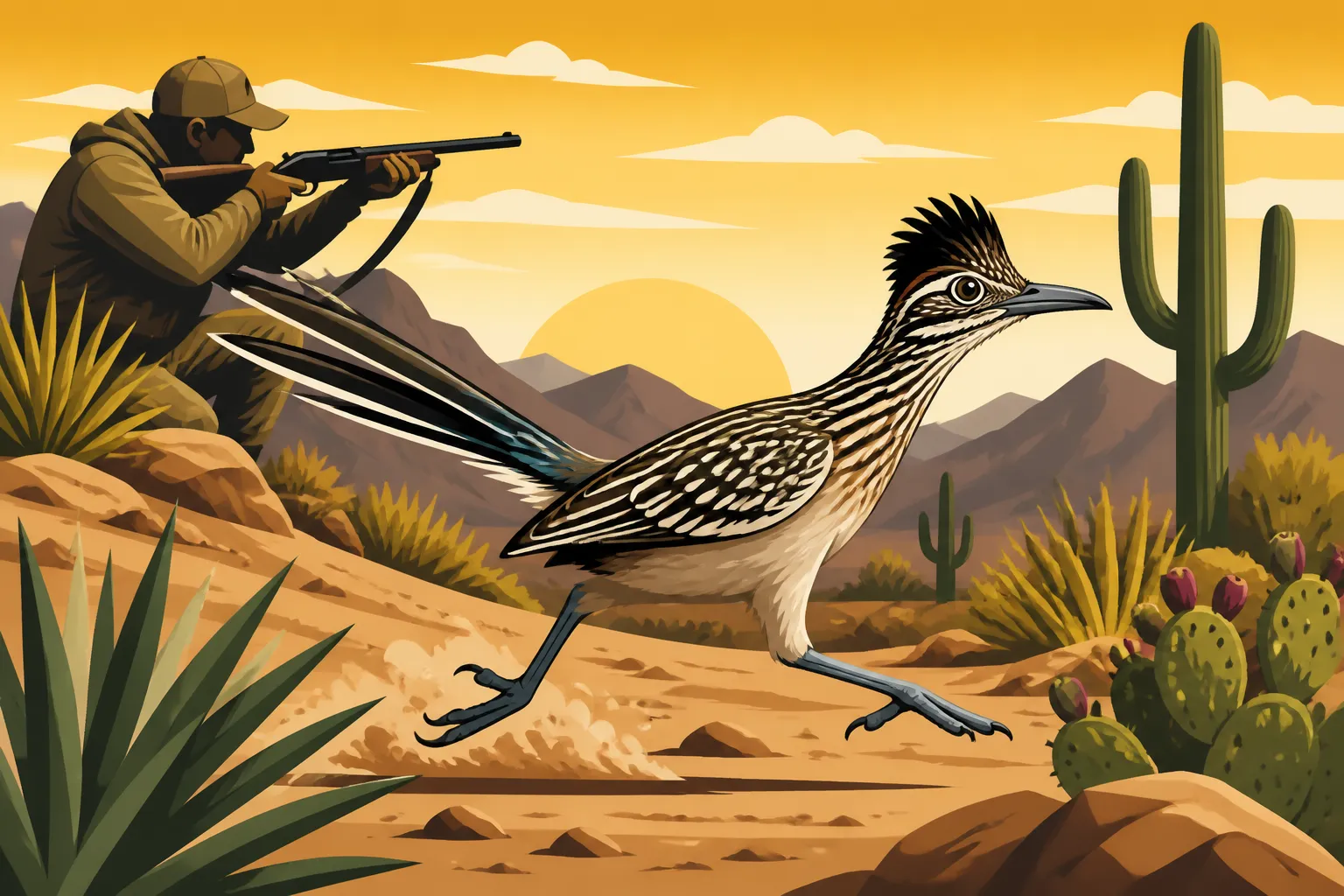
There's nothing quite like that quick flash of brown and white, a long tail pumping behind a blur of motion, as a Greater Roadrunner dashes across a dusty desert track or disappears into a mesquite thicket. For those of us who spend time in California's vast and often starkly beautiful desert landscapes, a roadrunner sighting is always a special moment. They're such iconic symbols of the American Southwest, yet they can be surprisingly elusive, blending seamlessly into their environment. This guide is all about helping you understand these fascinating birds and where you have the best chance of spotting them in California's unique desert country.
The Elusive Desert Dweller: What Makes the Roadrunner Unique?
The Greater Roadrunner (Geococcyx californianus) is not just another desert bird; it's a marvel of adaptation, perfectly engineered for life in arid environments. Often celebrated in cartoons for its incredible speed, there's so much more to these fascinating members of the cuckoo family than meets the eye.
Physical Characteristics and Adaptations
When you finally catch a good glimpse of a roadrunner, you'll notice a few key features that make it stand out. They’re relatively large, slender birds, often reaching two feet from their distinctive crest to the tip of their long, expressive tail. Their plumage is a beautiful mix of streaky brown and white, providing superb camouflage against the desert floor, rocky outcrops, and scrub. A shaggy crest often stands erect, and a patch of bare skin behind the eye can flash vibrant shades of blue and orange during courtship or excitement. But it's their legs and feet that truly tell the story of their namesake. Their strong, scaly legs are built for running, not flying long distances, and their unique zygodactyl feet (two toes pointing forward, two pointing backward) leave distinctive X-shaped tracks in the sand, a tell-tale sign that one has been nearby. They can regulate their body temperature remarkably well, shivering to warm up in cool desert mornings and using a special "solar panel" patch on their back to absorb heat from the sun. These birds are truly masters of energy efficiency in a challenging environment.
Diet and Hunting Strategies
Roadrunners are opportunistic predators with an incredibly varied diet. Far from just chasing coyotes, these birds are expert hunters of almost anything they can overpower. Their menu includes a vast array of insects like grasshoppers, beetles, and cicadas, as well as scorpions, tarantulas, and centipedes. But they don't stop there. Smaller reptiles, especially lizards and snakes (even rattlesnakes!), small mammals like mice and young ground squirrels, and even other birds or their eggs are fair game. They hunt primarily on foot, stalking prey with incredible patience before launching a lightning-fast dash and strike. They often use their strong, dagger-like bill to stun or kill prey by repeatedly striking it against a hard surface. It’s an impressive display of desert survival, showcasing their intelligence and adaptability. Seeing a roadrunner dispatch a lizard is quite an intense experience and a stark reminder of the wildness of the desert.
Where to Find Roadrunners in California's Desert Regions
California is home to vast expanses of desert, each with its own unique character, and the good news is that roadrunners are pretty widespread throughout these arid zones. Knowing the subtle differences in these regions can help you pinpoint where to concentrate your search.
Mojave Desert Landscapes
The Mojave Desert, characterized by its iconic Joshua Trees, creosote bushes, and rocky washes, is prime roadrunner territory. This sprawling desert covers much of southeastern California, including popular spots like Joshua Tree National Park, Death Valley National Park, and the vast tracts of Bureau of Land Management (BLM) land that stretch from Ridgecrest down to Barstow and beyond. Here, you’ll find them often near desert oases, along dry riverbeds, or in areas where the sparse vegetation offers a bit of cover and hunting opportunities. They thrive in the open, broken terrain where they can spot prey from a distance and then make their dash. If you’re exploring washes for deer sign, keep an eye out for those distinctive tracks; they often follow the same routes. Hunting a California BLM Desert Wash for Deer means you're already in their neighborhood.
Colorado Desert and Imperial Valley
South of the Mojave, the Colorado Desert (which is part of the larger Sonoran Desert ecosystem) offers equally good, if not better, chances for roadrunner sightings. This region includes areas like Anza-Borrego Desert State Park, the Salton Sea, and the agricultural fields of the Imperial Valley. The Colorado Desert tends to be hotter and has slightly different vegetation, often with more cacti and ironwood trees. Roadrunners are frequently seen darting between rows of crops, along canal banks, or in the fringe areas where agricultural land meets wild desert. The abundance of water and prey in these agricultural zones can make them particularly attractive. Even if you're out Dove Hunting a Cut Grain Field in the Imperial Valley, you might get a surprise visit from one of these speedy birds.
Coastal Transition Zones
While primarily desert dwellers, roadrunners aren’t strictly confined to the deepest, driest parts of California. They can extend their range into semi-arid grasslands and chaparral areas that transition into desert or dry foothills. Think of the eastern slopes of the Coast Ranges or the drier interior valleys that border the desert. These areas still offer the open spaces and sparse cover that roadrunners prefer, along with a good supply of their prey. Sometimes, you might even spot one along a dusty rural road on the edge of a small town, far from what most people consider "deep desert." When you’re Hunting Coastal Range Oak Woodlands in the drier areas, especially if there's an open, brushy section nearby, don't be shocked to see one.
Tips for Successful Roadrunner Spotting
Spotting a roadrunner can sometimes feel like a game of hide-and-seek. They're quick, they blend in well, and they often prefer to stay out of the direct spotlight. However, with a bit of strategy and understanding of their habits, you can significantly increase your chances.
Best Time of Day and Season
Roadrunners are most active during the cooler parts of the day, which in the desert often means early mornings and late afternoons. They are diurnal, so you won't see them scurrying around in the dark. In the scorching summer months, their mid-day activity might be limited to brief dashes between shaded spots, or they might seek refuge entirely. As a rule of thumb, get out shortly after sunrise or a couple of hours before sunset. During the spring and fall, their activity can be more sustained throughout the day as temperatures are more moderate. Spring is particularly exciting, as this is when breeding activity increases, and you might see them more openly displaying or vocalizing, though their call is more of a cooing sound than a "meep-meep!"
| Season | Optimal Activity Time | Behavior Notes |
|---|---|---|
| Spring | Early morning, late afternoon (more sustained mid-day) | Increased breeding activity, vocalizations, more visible displays. |
| Summer | Very early morning, late evening (shade seeking mid-day) | Primarily seeking shade during hottest hours, brief dashes. |
| Fall | Early morning, late afternoon (more sustained mid-day) | Hunting for winter stores, less breeding focus. |
| Winter | Mid-morning to mid-afternoon (when sun is warmest) | Sunning to warm up, less active on very cold days. |
Patience and Observation Techniques
The key to spotting a roadrunner, like much of wildlife observation, is patience and careful scanning. They often use elevated perches like fence posts, large rocks, or low branches to survey their surroundings for prey, so make sure to check these spots. When driving through desert roads, don't just speed by; slow down and scan the shoulders, fence lines, and any open areas with sparse brush. Roadrunners are known to follow roads, using the cleared path for easier travel. If you're on foot, move slowly and deliberately, pausing frequently to listen and look. Their movements are often quick, so a good pair of binoculars can help you pick up on distant activity or confirm a sighting. Using an app like GoHunt for mapping can also help you understand the terrain, identifying washes, open flats, or areas of denser scrub where they might be found, even if you're not specifically hunting. Knowing the landscape structure can give you an edge in predicting where wildlife might move.
Understanding Their Habitat Preferences
Roadrunners generally prefer open, arid, or semi-arid country with sparse cover. They need room to run, but also enough low-lying vegetation like creosote, mesquite, or cacti to provide concealment, hunting perches, and nesting sites. They particularly favor areas with broken ground, rocky outcrops, and sandy washes. These features offer a mosaic of hunting grounds and escape routes. Roads, trails, and even the edges of agricultural fields create corridors they frequently use. Look for areas where the ground cover isn't too dense to impede their running, but dense enough to hold a good population of lizards and insects. Reading California Mud for Fresh Deer Movement is a skill you can apply here too; look for those unique X-shaped tracks near water sources or along well-used animal trails.
Roadrunners in the Greater California Desert Ecosystem
The presence of roadrunners tells us a lot about the health of the desert ecosystem. As active predators, they play a vital role in keeping populations of various small animals, insects, and reptiles in check. They are a true keystone species in their own right, reflecting the balance of life in some of California's toughest environments.
Interactions with Other Desert Wildlife
Roadrunners are not only formidable predators but also part of a larger web of life, interacting with many other desert species. They compete for food with other ground predators like coyotes, foxes, and various raptors. While they are known for their speed, they can also fall prey to larger birds of prey such as great horned owls, hawks, or even larger desert mammals if caught off guard. Their remarkable ability to prey on venomous creatures like rattlesnakes and scorpions makes them an important natural pest controller in areas where these animals thrive. Observing a roadrunner in action can offer incredible insights into the complex dynamics of desert life, where survival often comes down to speed, stealth, and a keen eye.
Conservation Status and Challenges
Fortunately, the Greater Roadrunner is not currently considered endangered or threatened in California or nationally. Their adaptable nature and wide diet have allowed them to thrive in various arid habitats, even tolerating some human-altered landscapes, like the fringes of agricultural areas. However, they aren't immune to the pressures facing all wildlife. Habitat loss due to urban development, fragmentation of their territories by roads, and the impact of pesticides on their insect prey can all pose challenges. Climate change, leading to more extreme heat and prolonged droughts, could also impact their long-term survival by affecting water sources and prey availability. When you're out exploring and utilizing tools like GoHunt to scout public lands, take a moment to appreciate these incredible birds. Their continued presence is a testament to the resilience of California's desert ecosystems and a reminder of the need to protect these wild places for generations to come.
Disclaimer
This article is for general informational purposes only and does not constitute professional advice. Laws, prices and regulations vary by location and change over time. Consult a qualified professional for guidance on your specific situation.