Hunting California’s Los Padres National Forest
The call of the wild in California is strong, but hunting in places like Los Padres National Forest can feel like trying to find a needle in a vast, rugged haystack. From the sheer size to the incredibly varied terrain and specific regulations, many hunters feel overwhelmed before they even strap on their boots. This comprehensive guide is here to break down the complexities, offer practical strategies, and equip you with the knowledge to confidently plan and execute a successful hunting trip in this magnificent, challenging wilderness.
Understanding the Vastness and Challenges of Los Padres National Forest
Los Padres National Forest isn't just big; it's an imposing, sprawling landscape that demands respect and thorough preparation from anyone venturing into its depths. Spanning nearly two million acres across the coastal mountain ranges of Central and Southern California, it’s a place of dramatic elevation changes, dense chaparral, towering pines, and arid canyons. It truly is a unique beast among California's public hunting lands, offering both immense opportunity and formidable challenges.
Geographical Extent and Diverse Ecosystems
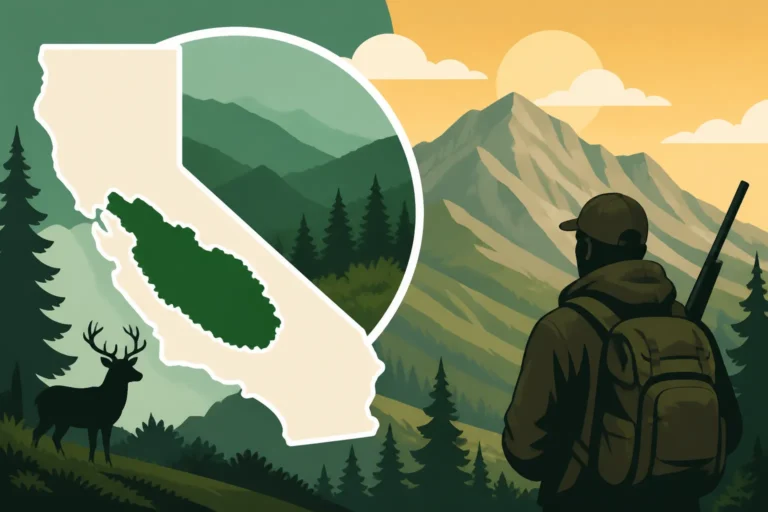
Imagine an area stretching from near the Los Angeles metropolitan region all the way north past Big Sur, touching down on eight different counties. That's the footprint of Los Padres. Within this massive expanse, you'll find an astonishing array of ecosystems. In the lower elevations, particularly closer to the coast, you'll encounter dense, almost impenetrable chaparral – a mosaic of scrub oak, manzanita, and ceanothus that can make a hundred yards feel like a mile. This stuff is not for the faint of heart, or for soft hunting pants. As you ascend, pockets of oak woodlands emerge, offering critical shade and food sources like acorns. Higher still, in the more remote reaches, you'll find conifer forests of ponderosa pine, Jeffrey pine, and fir, especially around the San Rafael and Ventana Wilderness areas. The climate shifts dramatically too, from hot, dry valleys to cool, damp coastal ridges and even occasional snow in the highest peaks during winter. This ecological diversity means that understanding your specific hunting area within Los Padres is paramount, as tactics that work in one zone might be utterly useless just a few ridges over. It's truly a place where you need to adapt your approach to the specific habitat you find yourself in.
The Wilderness Mindset: Embracing Solitude and Self-Reliance
A significant portion of Los Padres National Forest is designated wilderness, including the San Rafael, Ventana, Chumash, and Sespe Wilderness areas. These zones are managed to preserve their natural character, meaning mechanized travel is prohibited, and development is minimal. For the hunter, this translates to true solitude and an unparalleled backcountry experience, but it also necessitates a wilderness mindset. You won't find marked trails everywhere, cell service is non-existent in many areas, and help can be hours, if not days, away. This is where the self-reliance comes in. You need to be prepared for anything: sudden weather changes, navigation errors, equipment failures, and potential injuries. Carrying a comprehensive first-aid kit, a reliable satellite communication device, and knowing how to use a map and compass – not just relying on your phone – are absolute musts. Embracing this solitude means accepting the physical demands, the mental fortitude required, and the responsibility for your own safety. It's not just a hunt; it's an expedition. If you're looking for true solitude, you'll certainly find it when Hunting California's Los Padres Nearly Nine-Hundred-Thousand Wilderness Acres.
Navigating Access Points and Road Closures
One of the most frustrating aspects of hunting Los Padres can be simply getting there. While vast, many areas are incredibly difficult to access due to rugged topography, limited paved roads, and frequent seasonal or emergency road closures. Forest Service roads, often unpaved and primitive, can be closed due to fire damage, washouts from heavy rains, or simply designated as non-motorized. It’s not uncommon to find a gate locked at the end of a long drive, forcing a complete change of plans or a much longer hike than anticipated. Before you even leave home, it's crucial to check the Los Padres National Forest website for current road conditions and closures. Don't rely on general mapping apps alone; they often don't reflect real-time closures. Using a dedicated hunting app like onX Hunt, which can show public land boundaries and often has user-reported information or forest service layers, becomes an invaluable tool here. Always have a Plan B, or even a Plan C, for your access points, because what looks open on a map might be locked tight when you arrive.
Big Game Opportunities: Deer, Pigs, and Bear
Los Padres National Forest is a diverse habitat that supports several popular big game species, offering hunters a variety of challenging pursuits. While the sheer size and ruggedness make harvesting an animal a true accomplishment, the opportunities are there for those willing to put in the effort.
Pursuing Columbia Blacktail Deer in the Chaparral
The dominant deer species in Los Padres is the Columbia blacktail, known for its elusiveness and ability to disappear into seemingly sparse cover. Los Padres falls primarily within California's Zone A, which means a significant portion of the deer hunting takes place in some very warm, brushy conditions. Hunting California's Zone A Season often means dealing with early season heat, which makes deer movement more predictable around water sources and shady bedding areas during the cooler parts of the day.
Blacktail deer here are often smaller-bodied than their Sierra Nevada cousins, but they are incredibly tough and accustomed to the dense, unforgiving chaparral. Hunters targeting blacktails will need patience, excellent glassing skills, and a willingness to navigate thick brush. Look for areas with a mix of chaparral for bedding and concealment, and oak woodlands that provide acorns when available. Deer will often stick to canyon bottoms, north-facing slopes, and shaded draws during the day, moving onto more open ridges or towards water during dawn and dusk. Understanding the behavior of Columbia Blacktail and Mule Deer in California is crucial, as is adapting your tactics to the specific environment of Los Padres, which can be quite different from other deer zones.
The Year-Round Quest for Wild Pigs
Wild pigs are an introduced species in California, and they thrive in many parts of Los Padres, particularly in areas with oak woodlands that provide a consistent food source. The beauty of hunting pigs in California is that they have no closed season and a generous bag limit, making them a fantastic target for off-season scouting trips or as a bonus species during deer season. The drawback is they are incredibly intelligent and can be nocturnal, especially under hunting pressure.
Wild Pig Hunting California Year-Round in Los Padres often involves looking for fresh sign: rooting, tracks, and rubs on trees. These animals can cause significant damage to the forest floor, and their presence is usually quite evident. They'll often bed down in dense cover during the heat of the day, emerging to feed in oak groves, near water sources, or in grassy areas at dawn and dusk. Spot-and-stalk is a common method, requiring careful glassing of open hillsides or patiently still-hunting through oak bottoms. Be prepared for a tough recovery, as a wounded pig can be surprisingly difficult to track in the dense vegetation.
Spot-and-Stalk Black Bear Hunting Considerations
Black bears are also residents of Los Padres, and while not as numerous as in some northern California forests, they offer a thrilling hunting opportunity. California manages its bear season with a statewide quota, meaning the season can close early if the quota is met. Therefore, paying close attention to the CDFW website for quota updates is vital.
Black Bear Hunting California's Spot-and-Stalk Season in Los Padres typically involves targeting areas rich in natural food sources. Bears are omnivores, and during the late summer and fall, they'll be feasting on acorns, berries (like manzanita and Toyon), and other available forage. Steep, brushy canyons and burn scars that allow for new growth are prime locations. Glassing is an essential tactic here, using high-quality optics to systematically scan hillsides and draws, particularly in the morning and late afternoon when bears are most active. Bear hunting requires patience, stealth, and careful identification to ensure you're not targeting a sow with cubs, which is illegal. Always remember to check the specific regulations and the quota status before heading out.
Essential Regulations and Non-Lead Ammunition
Hunting in California, especially on public lands like Los Padres National Forest, comes with a specific set of rules designed to protect wildlife, habitats, and public safety. Understanding and adhering to these regulations is not just about avoiding a ticket; it's about being a responsible, ethical hunter.
The Strict Non-Lead Ammunition Mandate
Perhaps the single most important regulation for any hunter in Los Padres National Forest – and indeed, throughout California – is the statewide non-lead ammunition requirement. This isn't just a suggestion; it is the law. California's Non-Lead Ammunition Requirement means that for any hunting activity, whether it's big game, small game, or upland birds, you must use non-lead projectiles. This rule was implemented to protect scavenging wildlife, such as the California Condor, from lead poisoning.
What this means for you:
- Rifles: You'll need to use copper bullets, or other state-approved non-lead alternatives. Popular brands like Barnes VOR-TX, Federal Premium Trophy Copper, and Hornady GMX are widely available and perform exceptionally well.
- Shotguns: Steel, bismuth, or tungsten-based shot must be used for all shotgun hunting. Lead shot is absolutely prohibited.
- Archery: Broadheads must not contain lead. Most modern broadheads are already lead-free, but always double-check.
- Muzzleloaders: Specialized non-lead projectiles are available for muzzleloading rifles.
It's absolutely critical to sight in your rifle or pattern your shotgun with non-lead ammunition before your hunt. Non-lead bullets often have different ballistic characteristics than their lead counterparts, so what shot true last year with lead might not be accurate this season with copper. Failing to comply can result in fines, confiscation of game, and loss of hunting privileges. Specifically, when Hunting Los Padres Without Lead Ammunition is the law, make sure your gear is compliant.
Tagging, Reporting, and General Hunting Regulations
Beyond the ammunition, California has clear rules about tagging and reporting your harvest. Once you successfully harvest a deer, bear, or pig, you must immediately attach your tag to the animal, validating the date and time of the kill. For deer and bear, you are generally required to report your harvest online or by mail within a specific timeframe (often 30 days for deer, immediately for bear). Wild pigs have their own reporting system through the Automated License Data System (ALDS).
Other general regulations to keep in mind:
- License and Tags: Always carry your valid California hunting license and the appropriate tags for the species you are pursuing.
- Blaze Orange: While not always mandatory for big game in California, it's highly recommended for safety, especially during general seasons when many hunters are afield. Check specific regulations for certain areas or species.
- Firearms: Be aware of restrictions on firearm types in certain areas, particularly within designated wilderness zones where only archery or muzzleloaders might be permitted (though not typically in Los Padres for rifle season, always confirm).
- Legal Hours: Hunting is generally allowed from one half-hour before sunrise to one half-hour after sunset.
Camping, Campfires, and Respecting Wilderness Ethics
Los Padres National Forest is a popular spot for camping, both in developed campgrounds and in dispersed backcountry sites. However, specific rules apply, especially concerning campfires. Due to extreme fire danger, particularly during the dry summer and fall months, campfire restrictions are almost always in effect. This can range from requiring a campfire permit even in designated areas to a complete ban on all open flames, including charcoal BBQs. Always check current fire restrictions before you go.
When camping in the backcountry or wilderness areas, adhere strictly to Leave No Trace principles. This means packing out everything you pack in – including all trash, food scraps, and even spent casings. Bury human waste properly, well away from water sources and trails. Avoid cutting live trees for firewood; if fires are even allowed, gather dead and downed wood only. By respecting these wilderness ethics, we ensure that Los Padres remains a pristine and challenging hunting ground for future generations.
Strategies for Success in Rugged Terrain
Hunting in Los Padres National Forest is not for the faint of heart. The terrain is incredibly rugged, often steep, and covered in dense vegetation. Success here is less about luck and more about strategic planning, physical fitness, and a deep understanding of how animals utilize this challenging environment.
Mastering Spot-and-Stalk in Steep Canyons and Open Ridges
The vastness and topography of Los Padres lend themselves perfectly to the spot-and-stalk hunting method, especially for deer, pigs, and bear. You'll spend a lot of time glassing, but not just from a comfortable hilltop. The dense chaparral and deep canyons mean you'll often be glassing into shadows, along contour lines, and into small openings.
Start your day by gaining elevation and finding a vantage point that overlooks as much country as possible. Use high-quality binoculars or a spotting scope – Optics for California's Open-Country Deer Hunting are indispensable here – to systematically pick apart every patch of brush, every rock outcropping, and every shaded draw. Take your time, sometimes an hour or more in one spot, letting your eyes adjust and looking for tell-tale flick of an ear, a patch of hide, or a horizontal line in a vertical world. Deer will often bed on shaded north-facing slopes during the heat of the day, seeking thermal cover and a vantage point. Once you spot an animal, the real challenge begins: planning an approach that keeps you downwind, out of sight, and allows for a clean shot. This often means long detours, crawling through brush, and being acutely aware of every step you take to avoid dislodging rocks or snapping branches.
Utilizing Water Sources and Shade in Arid Environments
Los Padres, particularly in the lower and mid-elevations, can be incredibly arid, especially during the deer and bear seasons which often coincide with the driest parts of the year. This makes water an absolute magnet for game. Identifying reliable water sources – springs, seeps, cattle troughs, or even lingering puddles after a rare rain – is a key strategy.
During hot weather, animals will often bed relatively close to water and move to it during the cooler parts of the day or under the cover of darkness. Scouting for game trails leading to and from water, and looking for fresh tracks or droppings around these areas, can tell you exactly where animals are concentrating. Setting up an ambush point downwind from a water source, or still-hunting quietly along a creek bottom, can be highly effective. Similarly, shade is at a premium. North-facing slopes, dense oak pockets, and deep canyons provide critical thermal cover for deer, especially during mid-day. Animals will seek out these cool havens to escape the punishing California sun. Knowing how animals use these limited resources gives you a significant advantage in patterning their movements.
Understanding Wind and Thermals in Mountainous Country
In steep, broken country like Los Padres, understanding wind and thermals is not just important; it's critical to avoid being busted. Air currents in mountains are dynamic and constantly shifting, driven by temperature changes.
- Morning Thermals: As the sun rises and warms the valley floors, air begins to rise, carrying scent uphill. This means morning thermals generally pull scent up the mountain. Hunters should try to approach from above or along a ridge, keeping the wind in their face or crossing.
- Evening Thermals: As the sun sets and the air cools, gravity takes over. Cool air sinks, carrying scent down the mountain into the valleys. Evening thermals generally pull scent downhill. Hunters should plan their evening hunts to approach from below or along the valley floor, again keeping the wind in their face.
- Mid-Day Swirls: Around mid-day, especially in deep canyons or draws, thermals can become unpredictable and "swirl" as pockets of air warm and cool unevenly. This is often the hardest time to maintain a consistent wind advantage. Many experienced hunters choose to either sit tight in a good glassing spot or move very slowly and cautiously during this period.
Always carry a wind checker (a small bottle of powder or thread) and use it frequently. Pay attention to how trees, grass, and even small dust devils are moving. Ignoring the wind in Los Padres means you're just educating deer, and they don't need any more lessons.
Gear Up Right: What to Bring for Los Padres
The varied and demanding environment of Los Padres National Forest means your gear choices are paramount to both comfort and success. Skimping on quality or bringing inappropriate equipment can quickly turn a memorable hunt into a miserable ordeal.
Footwear and Layering for Extreme Weather Swings
California's coastal ranges are notorious for dramatic temperature swings, especially during hunting season. A morning that starts with a heavy chill in a canyon can quickly turn into a scorching hot afternoon on an exposed ridge. This demands a versatile clothing system and reliable footwear.
- Footwear: You need serious boots. Think sturdy, high-ankle boots with excellent ankle support and a stiff sole to navigate rocky, steep, and often uneven terrain. Look for boots that are waterproof but also breathable. Brands like Kenetrek, Schnee's, or Lowa are popular among serious mountain hunters. Lightweight hiking boots might feel good for a short flat walk, but after miles of side-hilling and ascending steep slopes, your feet and ankles will thank you for the extra support. Consider boots suitable for Lightweight Boots for Steep California Sierra Terrain, as the principles apply directly to Los Padres' ruggedness.
- Layering: A good layering system is crucial. Start with a moisture-wicking base layer (merino wool or synthetic) to pull sweat away from your skin. Add an insulating mid-layer (fleece or puff jacket) for warmth during cool mornings or evenings. Your outer layer should be durable, quiet, and provide protection from wind and light rain, ideally in a camouflage pattern that blends with the chaparral and oak woodlands. Having a lightweight rain jacket and pants is always a good idea, even if rain isn't in the forecast – unexpected showers happen, and they can drop temperatures quickly. Remember, Layering for Hot-to-Cold Zone A Archery Days is not just about comfort, but safety in an area where hypothermia can occur even after a warm day.
Optics for Distant Glassing and Close-Quarters Hunting
In a landscape as vast and broken as Los Padres, high-quality optics are not a luxury; they are a necessity. You'll spend far more time looking through glass than actually walking, especially for deer and bear.
- Binoculars: A good pair of 10×42 or 10×50 binoculars is your primary tool for scanning hillsides and identifying game. Invest in the best quality you can afford, as clarity, light gathering ability, and field of view will make a huge difference, particularly in low-light conditions at dawn and dusk. Mount them on a tripod for extended, stable glassing sessions, which significantly reduces eye strain and allows you to pick out details you'd miss freehand.
- Spotting Scope: For confirming details on distant animals, especially for judging antlers or identifying species at extreme ranges, a quality spotting scope (e.g., 15-45×65 or 20-60×80) is invaluable. Paired with a sturdy tripod, it allows you to truly "pick apart" distant slopes and distinguish a branch from an antler tip.
- Rangefinder: Given the steep angles and varied distances, a reliable rangefinder is essential for accurate shot placement. Look for one that compensates for angle. Without one, estimating distances in this terrain is a recipe for missed shots or, worse, wounded animals. When Optics for California's Open-Country Deer Hunting are discussed, these three items are always at the top of the list for good reason.
Navigation and Communication: Staying Found and Safe
The wilderness areas of Los Padres are unforgiving, and getting lost or encountering an emergency without communication can have severe consequences. Don't rely solely on your phone.
- GPS and Mapping Apps: A dedicated handheld GPS unit or a robust smartphone app like onX Hunt is crucial. onX Hunt provides detailed satellite imagery, topographical maps, and clearly delineates public and private land boundaries, which is incredibly useful in areas with checkerboard land ownership. Download offline maps before you lose service. This allows you to navigate without cell signal, which will be the norm in Los Padres. Many experienced hunters also use GoHunt's mapping features for additional layers and insights. The ability to use GPS and Mapping Apps for California Public Land is a game-changer for safety and efficiency.
- Physical Map and Compass: Technology can fail (dead batteries, dropped phone). Always carry a physical topographical map of your hunting area and a compass, and know how to use them. Mark your starting point, intended routes, and any significant landmarks.
- Satellite Communicator: A satellite messenger or satellite phone (e.g., Garmin inReach, Zoleo) is perhaps the most critical safety item for remote hunting in Los Padres. These devices allow you to send and receive text messages, track your location, and, most importantly, send an SOS signal in an emergency, even when there's no cell service. They are literally lifesavers in the backcountry.
- Headlamp: For those pre-dawn hikes in and post-dusk hikes out (or tracking after dark), a powerful headlamp with extra batteries is non-negotiable.
Planning Your Hunt: Seasons, Tags, and Scouting
A successful hunt in Los Padres isn't just about what you do in the field; it begins long before with meticulous planning, understanding the regulations, and extensive scouting.
Decoding Deer Zone A Seasons and Tag Applications
Los Padres National Forest falls predominantly within California's Zone A for deer hunting, which is a general season tag available over-the-counter or online. Unlike the draw-only X-zones, getting a Zone A tag is straightforward. However, this accessibility also means that Zone A tags are widely distributed, and many areas can see significant hunting pressure, especially on opening weekend.
The Zone A archery season typically opens in early July, making it one of the earliest deer seasons in the state. This can mean hunting in extreme heat. The general rifle season usually follows in August and runs through September. California's Multi-Zone Deer Season System can be a bit confusing, but for Los Padres, understanding the Zone A dates is paramount. Keep an eye on the current year's hunting regulations booklet, published by the California Department of Fish and Wildlife (CDFW), for exact dates, bag limits, and any specific restrictions that might apply to portions of Los Padres. While the tag is readily available, don't underestimate the challenge of harvesting a deer in this tough zone.
Scouting the Los Padres: Pre-Season Prep is Key
You simply cannot overstate the importance of pre-season scouting in Los Padres. Given the vastness and ruggedness, just showing up on opening morning is usually a recipe for frustration.
- E-Scouting: Begin your scouting from home using tools like Google Earth, onX Hunt, and other topographical map resources. Look for potential access points, identify major ridge lines, saddles, and canyon systems. Pinpoint areas of varied terrain that might hold deer, such as the interface between dense chaparral and more open oak woodlands. Identify potential water sources and north-facing slopes for bedding. Reading Aerial Photos for Sierra Deer can teach you valuable techniques applicable to Los Padres’ varied elevations. Pay attention to historical burn scars, as new growth often attracts deer and other wildlife.
- Boots-on-the-Ground Scouting: Nothing beats physical presence. If possible, make scouting trips several weeks or months before the season. Hike into prospective areas, looking for fresh tracks, droppings, rubs, and active game trails. Pay attention to food sources (acorns, berries) and their availability. Confirm water sources are still active. Note dominant wind patterns and thermal movements in specific canyons. Even if you don't see animals, understanding their travel corridors and bedding areas is invaluable. These trips also serve as crucial fitness training.
- Trail Cameras: While rules for trail cameras on public land vary, they can be a great tool for understanding animal movement patterns and habits in specific areas where they are permitted. Always check local forest regulations regarding their use.
Understanding Hunting Pressure and Finding Untouched Areas
Because Zone A tags are accessible, areas close to popular trailheads or easily accessible roads will experience significant hunting pressure, especially on weekends. Deer quickly learn to associate human presence with danger and will go nocturnal or retreat into the thickest, nastiest cover imaginable.
To increase your odds, you need to be willing to go where others aren't. This almost always means hiking further and deeper into the forest. Look for areas that require a significant elevation gain or a multi-mile trek from the nearest road. Study maps for forgotten trails, obscure canyons, or remote ridges that appear difficult to reach. Often, just a mile or two beyond the easily accessible spots, you'll find far less pressure and deer that are less wary. This is where the wilderness mindset and physical conditioning truly pay off. Don't be afraid to put on some serious miles; the more effort you invest in getting away from the crowds, the greater your chances of encountering undisturbed game.
| Species | Primary Habitat | General Season (Zone A) | Key Challenges |
|---|---|---|---|
| Columbia Blacktail Deer | Dense Chaparral, Oak Woodlands, Conifer Patches | Archery: Early July – Early August; General: Mid-August – Late September | Thick brush, steep terrain, heat, hunting pressure |
| Wild Pig | Oak Woodlands, Riparian Areas, Grassy Slopes | Year-Round | Nocturnal tendencies, intelligence, dense cover |
| Black Bear | Oak/Conifer Mix, Berry Patches, Burn Scars | August Archery; Mid-August/September General (Quota-based) | Elusiveness, vast territory, quota closure |
| California Quail | Chaparral, Foothill Brush, Oak Edges | Mid-October – Late January | Fast-flying, dense cover, requires good dogs |
Preserving the Experience: Conservation and Responsibility
Hunting is a privilege, and with that privilege comes a significant responsibility to conserve the resource, protect the environment, and ensure ethical practices. Los Padres National Forest, as a vast public resource, depends on all users adhering to principles of stewardship and respect.
Leave No Trace Principles in Wilderness Areas
As discussed, a large portion of Los Padres is designated wilderness, and even outside those boundaries, the spirit of "Leave No Trace" should guide every hunter. This philosophy is about minimizing your impact on the natural environment.
- Pack It In, Pack It Out: This is the golden rule. Every wrapper, every empty water bottle, every spent cartridge casing – it all comes out with you. Do not bury trash, thinking it will decompose. Plastics and foils persist for decades, if not centuries.
- Stay on Trails (When Available): While hunting often requires leaving established paths, when moving through general areas or approaching a glassing point, try to minimize your impact by sticking to existing trails or moving through durable surfaces like rock or dry ground.
- Respect Wildlife: Observe animals from a distance. Do not harass or disturb them. When harvesting, ensure a clean, ethical shot and make every effort to recover the animal.
- Minimize Campfire Impact: If fires are permitted, use existing fire rings. Keep fires small, and ensure they are completely extinguished and cold to the touch before leaving. Better yet, consider using a camp stove for cooking.
- Waste Disposal: Bury human waste at least 6-8 inches deep and 200 feet away from water sources, trails, and campsites. Pack out toilet paper and hygiene products.
By adhering to these principles, we ensure that the wild places of Los Padres remain wild and beautiful for all who seek them, and for the wildlife that calls them home.
Fire Safety and Prevention in Dry Conditions
California's wildlands are extremely prone to wildfires, and Los Padres National Forest is no exception. Hunting seasons often overlap with peak fire danger, making fire safety an absolute non-negotiable. One spark can devastate millions of acres and threaten communities.
- Know the Restrictions: Before every trip, check the current fire restrictions for Los Padres National Forest. These can change daily based on weather conditions. This means checking the Forest Service website or calling the local ranger district office. Restrictions can range from requiring a campfire permit to a complete ban on all open flames, internal combustion engines (outside of established roads), or even smoking in dry grass.
- Fire Starters: If campfires are allowed, build them only in established fire rings, clear of all flammable vegetation. Keep water and a shovel nearby. Never leave a fire unattended.
- Vehicles: Be mindful of where you park your vehicle. Hot catalytic converters can easily ignite dry grass. Park on paved surfaces or gravel whenever possible. Avoid driving over tall, dry vegetation.
- Equipment: Be cautious with any equipment that could create a spark. This includes certain types of stoves, generators, or even carelessly dropped ammunition that could strike a rock.
- Smoking: If you must smoke, do so only in cleared areas, in a vehicle, or in an established campground. Never flick cigarette butts; extinguish them completely and dispose of them properly.
The cost of a wildfire started by negligence is immeasurable, both to the environment and to human lives. Be vigilant and responsible.
Packing Out Your Harvest and Waste
Successfully harvesting an animal in Los Padres is a triumph, but the job isn't done until every bit of the animal and all associated waste has been properly managed. This is particularly true in the backcountry and wilderness areas.
- Field Dressing and Quartering: In warm Zone A weather, prompt field dressing is crucial to prevent meat spoilage. Many hunters will debone or quarter large game animals to make packing them out more manageable. Quality game bags are essential to protect the meat from dirt, flies, and debris. Consider using a backpack frame specifically designed for packing out heavy loads.
- Packing Out All Parts: For deer and bear, it is illegal to waste game meat. This means packing out all edible portions. Additionally, consider packing out the skull and antlers, even if you don't plan on a full taxidermy mount. If you quarter the animal, ensure any remaining parts (spinal column, gut pile) are moved well away from trails and water sources, and dispersed to decompose naturally.
- Butchering at Camp: If you're staying at a basecamp, having the right butchering tools, a clean workspace, and adequate coolers with ice (or dry ice for longer trips) is vital to preserve your hard-earned venison. Butchering a Deer at Camp can be a rewarding experience, but it requires preparation and sanitation.
- Environmental Responsibility: Do not leave behind plastic wrap, trash, or any non-biodegradable items with your gut pile. The principle of "Leave No Trace" extends to the entire process of harvesting an animal. By being thorough and responsible, you honor the animal and the landscape it came from.
Disclaimer
This article is for general informational purposes only and does not constitute professional advice. Laws, prices and regulations vary by location and change over time. Consult a qualified professional for guidance on your specific situation.