Best Boot Insulation for Late-Season Cold
There's nothing quite like the crisp air, the quiet woods, and the promise of a late-season hunt in California. But let's be honest, those beautiful, frosty mornings can turn into miserable, numb-to-the-bone feet faster than you can say "cold front." Many of us have been there, shivering in a ground blind or trying to stalk silently through crunchy snow, all while our toes feel like icicles ready to snap off. This comprehensive guide is all about tackling that exact frustration, helping you understand how to choose the best boot insulation to keep your feet warm, dry, and comfortable, no matter what unpredictable late-season conditions California throws your way.
Understanding Insulation Ratings: Decoding the Warmth Factor
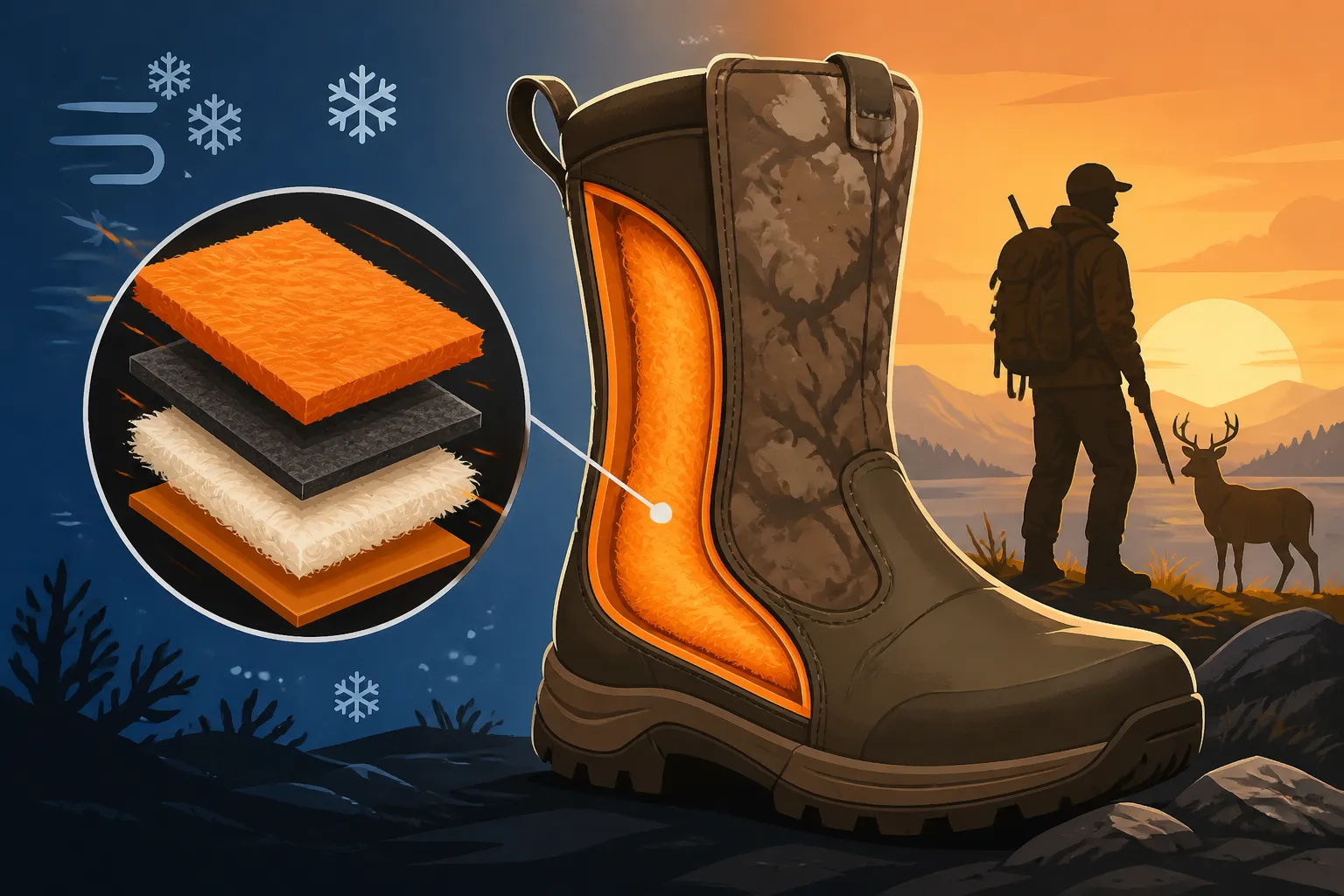
When you're browsing hunting boots, you'll inevitably see numbers like "200g," "400g," or even "1000g" plastered on the tags. For many, these numbers are a bit of a mystery, but they're absolutely critical to understanding how warm a boot is designed to be. It's not just a marketing gimmick; these figures represent the density of the insulation material packed into the boot.
Grams of Thinsulate and Beyond
Most commonly, these gram ratings refer to Thinsulate, a synthetic insulation developed by 3M. A "200g" boot means there are 200 grams of insulation per square meter of material. The higher the number, the more insulation, and generally, the warmer the boot. For example, a 200g boot might be comfortable in temperatures down to freezing (32°F/0°C) during active hunting, while a 400g boot could push that comfort level down to the 20s or even teens for moderate activity. When you get into 800g to 1200g, you're talking about boots designed for extreme cold, prolonged static periods, or very low temperatures, sometimes well below 0°F (-18°C).
It's important to remember that these are general guidelines. Your personal circulation, activity level, and the specific outside temperature will all play a role. Some hunters "run hot" and can get away with less insulation, while others, like me, always seem to have cold feet and need more. Think about the specific conditions you'll face – will you be moving constantly or sitting still for hours? That makes a huge difference.
Why California's Late Season is Unique
California's late season isn't just one type of cold. This isn't like hunting in a single, consistently frigid Midwestern state. Here, "late season" could mean anything from bitter, deep snow in the high Sierra to chilly, wet coastal mornings, or even surprisingly cold desert nights. You might be Hunting California's Sierra Nevada High Country where feet of snow are common, requiring maximum insulation and aggressive traction. Alternatively, you could be chasing deer in Hunting Coastal Range Chaparral, where dampness and cold rain are the main concerns, requiring excellent waterproofing alongside insulation. Then there's the possibility of Hunting Mojave Desert Fringe Country, where temperatures can plummet after sunset, making proper boot choice essential even if there's no snow.
This incredible diversity means that a "one-size-fits-all" approach to boot insulation just won't cut it. A boot that's perfect for a November deer hunt in the D-zones might be overkill and lead to sweaty feet in the lowlands, or utterly insufficient for a December elk hunt high up in a draw-only unit. You need to consider the specific microclimates you'll be hunting in, even within the same general region.
Matching Insulation to Your Hunt Activity
The type of insulation you need is heavily influenced by how you plan to move – or not move – during your hunt. A hunter who covers miles of rugged terrain will have very different needs than someone sitting motionless in a blind.
High-Activity vs. Stand Hunting
If your late-season plan involves a lot of walking, stalking, or covering ground, you'll want less insulation. Too much insulation during high-activity hunts will lead to sweaty feet, and once your feet get wet from sweat, they'll get cold faster than if you had no insulation at all. For active hunting in cold, but not extreme, conditions (think 20-40°F), 200-400 grams of insulation is usually sufficient. Your body will generate a lot of heat, and you want boots that can breathe a bit. This is often the case when Still-Hunting California's Sierra Nevada Timber or pushing through dense brush in search of a late-season buck.
On the flip side, if you anticipate long periods of sitting or minimal movement – perhaps in a ground blind waiting for turkeys, or glassing a canyon for a bedded buck – then you'll need significantly more insulation. For static hunting in cold weather (below 30°F), 800 grams or more of insulation is often recommended. When you're not generating body heat through movement, your feet are the first to get cold. Many hunters prefer a heavier, more insulated boot for these kinds of setups, even if they have to carry them in and change once they get to their spot.
Terrain and Weather Considerations
California's varied terrain means you're dealing with different environmental challenges. Are you slogging through several inches of Tracking a Deer in Fresh Sierra Snow? You'll need more insulation and excellent waterproofing to prevent snowmelt from seeping in. If you're Hunting Into a Late-November Zone Close in a coastal area, damp ground and persistent fog can make temperatures feel much colder than the thermometer indicates. In these cases, waterproofness becomes almost as crucial as insulation.
Consider also the type of ground cover. Wet mud, frozen dirt, or standing water will pull heat from your feet faster than dry, cold ground. Hunting elevated ridges exposed to wind will also necessitate more insulation than hunting in sheltered valleys. Understanding these nuances can help you fine-tune your insulation choice. A good resource like GoHunt can provide detailed weather patterns and terrain analysis for specific units, helping you plan your gear more effectively.
The Importance of Sock Systems
It's a common rookie mistake to rely solely on the boot's insulation. Your sock system is a critical, often overlooked, component of keeping your feet warm and dry. Think of it as a layering system for your feet, just like you layer your clothing for your torso. Start with a thin liner sock made of synthetic material or merino wool to wick moisture away from your skin. Then, add a thicker, insulating sock, again, preferably merino wool. Merino wool excels at retaining warmth even when damp and doesn't get scratchy like traditional wool. Avoid cotton socks at all costs in cold weather; they absorb moisture and hold it against your skin, rapidly chilling your feet.
Having a good sock system also allows you to adjust your warmth level. On a warmer late-season day, you might just wear your liner and a medium-weight wool sock. If the temperatures really plummet, you can switch to a heavier expedition-weight wool sock. Always bring an extra pair of dry socks in your pack; there's no quicker way to get warm feet than swapping out damp socks for fresh, dry ones. This simple trick can be a hunt-saver, especially on multi-day trips.
Types of Insulation and Their Properties
Beyond the gram rating, the type of insulation used in your boots also matters. Each material has distinct properties that make it better suited for certain conditions.
Synthetic Insulations
Most insulated hunting boots use synthetic materials, with Thinsulate being the most prevalent. These insulations are made of fine synthetic fibers that trap air, creating a thermal barrier. The primary advantage of synthetics is their ability to retain most of their insulating properties even when wet. This is a huge benefit if you accidentally step in a stream, get caught in a downpour, or your feet sweat. They also tend to be less bulky for a given warmth level compared to some natural alternatives. Another popular synthetic insulation is PrimaLoft, known for its softness and compressibility, offering a good warmth-to-weight ratio. These materials are generally durable, hypoallergenic, and relatively easy to care for.
The downside is that they don't breathe as well as some natural fibers like wool, which can sometimes lead to more sweat build-up if you're very active. However, modern boot designs often incorporate breathable membranes to mitigate this. For most California late-season scenarios, especially when dampness or moisture is a factor, synthetic insulation is a reliable and popular choice.
Natural Insulations
While less common as the primary insulation in modern hunting boots, natural fibers like wool and sometimes even down (more often seen in garments) offer excellent warmth. Wool is renowned for its ability to insulate even when wet, much like synthetic fibers, but it also has natural odor-resistant and moisture-wicking properties. If a boot incorporates wool felt liners, they can be exceptionally warm. However, wool can be bulkier and heavier for the same warmth level compared to modern synthetics.
Down, while incredibly warm and lightweight for its loft, is a poor choice for boot insulation because its insulating power is severely compromised once it gets wet or compressed. Given the likelihood of moisture and constant compression in hunting boots, down is rarely, if ever, used for this application. For the practical realities of California hunting, where you might encounter anything from wet snow to creek crossings, synthetic options or combinations with wool lining are generally more robust and dependable choices.
Waterproofing and Breathability
Insulation can only do so much if your feet get wet from external moisture. That's why effective waterproofing is non-negotiable for late-season hunting boots in California. Look for boots with a reliable waterproof membrane, such as Gore-Tex or similar proprietary technologies. These membranes are designed to block external water from getting in while allowing internal moisture (sweat vapor) to escape, thus maintaining a dry microclimate inside your boot. Without adequate waterproofing, even the warmest insulated boot will quickly become cold and uncomfortable once soaked.
However, there's a delicate balance. While waterproofing is crucial, breathability is also key. A boot that's completely impermeable to air will trap sweat, leading to the same cold, damp feet you're trying to avoid. Many modern waterproof membranes are also breathable, but some perform better than others. Always consider how much activity you'll be doing. If you're consistently on the move, prioritize a boot that offers good breathability in addition to its waterproof features. For heavy, stationary winter hunting, breathability might be a lesser concern than maximum warmth and waterproofing. The team at GoHunt often emphasizes the importance of this combination for hunters tackling diverse Western landscapes.
Top Considerations for Your Late-Season Boot Purchase
Choosing the right insulated boot isn't just about the gram rating. Several other factors play a crucial role in your comfort and success in the field.
Fit and Comfort are King
This might sound obvious, but it's the single most important factor. An ill-fitting boot, no matter how well insulated, will cause blisters, discomfort, and potentially even hinder circulation, making your feet colder. Always try on boots with the specific socks you intend to wear during your late-season hunts. Make sure there's enough room for your toes to wiggle, even with thick socks, but not so much room that your heel slips. A common mistake is buying boots too small, which can compress your socks and insulation, reducing their effectiveness.
Walk around in them, go up and down stairs if possible, and pay attention to any pressure points. Remember, your feet will swell slightly during activity, so trying them on later in the day is often recommended. If you're planning a serious backcountry hunt, consider brands known for their comfortable and supportive lasts, as you'll be spending hours, if not days, in these boots. A good fit will make all the difference when you're hiking into your spot before dawn or packing out meat after dark.
Durability for Rugged California Terrain
California's hunting grounds are notoriously tough on gear. From abrasive granite and volcanic rock in the mountains to sharp chaparral and thorny brush in the foothills, your boots need to withstand a beating. Look for boots constructed from durable materials like full-grain leather, high-denier nylon, or a combination of both. Reinforced toe caps and heel counters add protection and extend the boot's life. The stitching should be robust, and the rand (the protective strip around the base of the boot) should be substantial.
A well-made, durable boot is an investment. It might cost more upfront, but it will outlast cheaper alternatives and provide reliable service when you need it most. Imagine being miles into the wilderness and having your boot fail – it's a situation no hunter wants to experience. Researching brands known for their durability, like those often reviewed on outdoor forums or by hunting publications, can save you a lot of headache in the long run.
Traction in Varied Conditions
Late-season means varied and often treacherous ground conditions. You might encounter icy patches on a shaded slope, slick mud after a rain, or deep, unconsolidated snow. The outsole of your boot is your primary contact with the ground, so aggressive traction is paramount. Look for deep, multi-directional lugs that can bite into soft terrain, as well as a lug pattern that sheds mud and snow easily. Some outsoles also feature specific rubber compounds designed to remain flexible and grippy in freezing temperatures.
Consider the specific types of terrain you'll be traversing. If you're primarily in snowy, icy environments, specialized winter outsoles with features for crampon compatibility or very aggressive lug patterns might be beneficial. For general purpose late-season hunting in mixed terrain, a versatile Vibram outsole is often a solid choice. Poor traction can lead to falls, injuries, and missed opportunities, especially when you're already Layering for a Cold Sierra Morning and juggling gear.
Budgeting for Quality
Good hunting boots are an investment, and like most gear, you often get what you pay for. While it's tempting to go for the cheapest option, cutting corners on your footwear can lead to miserable hunts and premature equipment failure. Rather than focusing on a specific dollar amount, think about the value proposition: how many seasons will these boots last? How much comfort and warmth will they provide? Will they keep you in the field longer?
Before you buy, compare features, read reviews from other hunters (especially those in similar California climates), and consider the brand's reputation for customer service and warranty. Sometimes, spending a bit more upfront on a quality pair of boots means you won't have to replace them every year or two. Think about it as an investment in your comfort, safety, and ultimately, your hunting success.
Here's a quick guide to help you narrow down your insulation needs:
| Activity Level | Ambient Temperature (Approx.) | Recommended Insulation (Grams) | Common California Scenarios | Key Considerations |
|---|---|---|---|---|
| High Activity | 20-40°F (-6 to 4°C) | 200g – 400g | Stalking, still-hunting, long hikes in foothills/mountains | Breathability, waterproofness, good sock system |
| Moderate Activity | 0-30°F (-18 to -1°C) | 400g – 800g | Shorter stalks, moving between stands, glassing periods | Balanced warmth/breathability, durable construction |
| Low Activity/Static | Below 0-20°F (-18 to -6°C) | 800g – 1200g+ | Stand hunting, sitting for long periods, extreme cold | Maximum warmth, deep lugs for snow, excellent waterproofing |
Remember, this table is a starting point, and your personal tolerance to cold, as well as the specific weather conditions (wind chill, precipitation), will ultimately dictate your ideal choice. Don't be afraid to experiment a little, and always prioritize fit and comfort above all else. With the right pair of insulated boots, those late-season California hunts can be some of the most memorable and enjoyable of the year.
Disclaimer
This article is for general informational purposes only and does not constitute professional advice. Laws, prices and regulations vary by location and change over time. Consult a qualified professional for guidance on your specific situation.