Finding Access Near Fresno
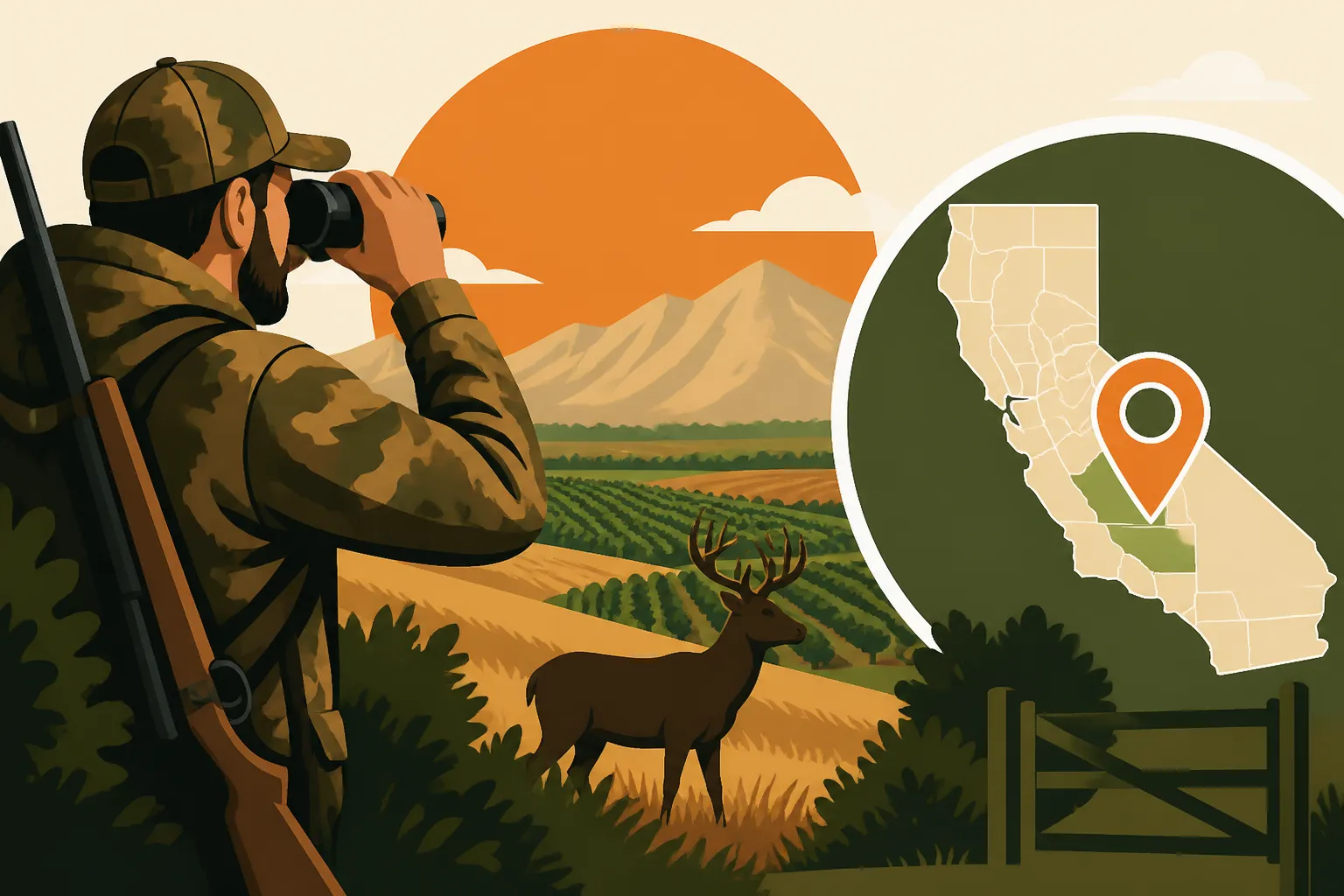
It can feel incredibly frustrating to live in a place like Fresno, surrounded by mountains and agricultural land, yet struggle to find a good spot to go hunting. You look out your window or drive down the highway, seeing endless open spaces, but the reality of access, land ownership, and hunting pressure often means those beautiful landscapes are off-limits or swarming with other hunters. This guide will help you navigate the complex world of hunting access near Fresno, offering strategies and insights to find opportunities on both public and private lands.
The Central Valley's Unique Access Challenges
The Central Valley, for all its agricultural bounty and proximity to incredible wilderness, presents some unique hurdles for hunters. It's not like other states where public land is abundant and easily accessible. Here, you're often facing a patchwork of private ownership, intense public land pressure, and specific regulatory nuances.
Geography and Population Density
Fresno sits smack dab in the heart of California's agricultural engine. Drive in any direction from the city center, and you’re quickly met with vast expanses of orchards, vineyards, dairy farms, and row crops. While this land is incredibly productive for farming, it’s almost entirely private property. This means that unlike regions with extensive public forests or rangeland immediately adjacent to towns, direct hunting access on the valley floor is virtually nonexistent without explicit permission.
It’s easy to feel disheartened when you see what appears to be prime habitat – creek bottoms winding through farmlands, small oak stands on the edge of fields – only to realize it's all fenced off and posted. Hunters from Fresno are essentially looking out of the valley, up towards the surrounding foothills and mountains, for their opportunities. This geographical reality dictates much of the strategy for finding hunting grounds, forcing a focus on the public lands in the Sierra Nevada range and more remote BLM parcels.
Pressure on Accessible Public Lands
Because the Central Valley itself offers so few direct public hunting opportunities, the accessible public lands in the surrounding mountains, like the Sierra National Forest, naturally become magnets for a huge number of hunters. Weekends during deer season, especially closer to the valley floor, can see trailheads packed, campsites overflowing, and hunters seemingly around every bend in the road.
This intense pressure means that simply "going to the national forest" isn't enough; you need a strategy to get away from the crowds. This often involves hiking deeper, scouting overlooked pockets, or targeting less popular species. It’s a common frustration to scout a promising ridge line only to find spent shell casings or boot tracks from previous hunters. Understanding this pressure is the first step to developing tactics that increase your chances of a successful and less crowded hunt. If you're heading out, be prepared for company, especially on opening weekend or easily accessible Forest Service roads. Hunting Pressure on California Public Land is a real factor to consider.
Navigating the Nearby National Forests
When living near Fresno, the vast tracts of National Forest land in the Sierra Nevada mountains are your primary go-to for big game hunting. These areas offer diverse terrain and opportunities, but they demand preparation and a willingness to explore.
Sierra National Forest: Your Closest Mountain Escape
The Sierra National Forest sprawls directly east of Fresno, offering hundreds of thousands of acres of huntable public land. This is where many Central Valley hunters cut their teeth and pursue deer, bear, and sometimes wild pigs or upland birds. The terrain varies dramatically, from oak-studded foothills at lower elevations to dense timber and rocky high country as you climb.
For deer hunters, the western slopes of the Sierra National Forest fall into various deer zones, primarily D-zones, which open earlier and offer good opportunities for blacktail and mule deer hybrids. Bear hunting is also popular here, often tied to areas with abundant oak mast or berry patches. Access is generally via a network of Forest Service roads, many of which can be rough or closed seasonally. It’s crucial to study maps and satellite imagery before you go. Tools like onX Hunt can be invaluable here, helping you identify public versus private land boundaries, potential access roads, and likely habitat features. Be ready for significant elevation changes and tough walking, as the best spots often require getting off the beaten path. Hunting California's Sierra Nevada Backcountry is where many of the biggest bucks are found.
Exploring Sequoia National Forest
Just south of the Sierra National Forest lies the equally vast Sequoia National Forest. While it might require a slightly longer drive for some Fresno residents, it offers similar hunting opportunities with potentially different pressure dynamics depending on the unit and time of year. Sequoia also boasts a wide range of elevations and habitats, from the lower Ponderosa pine belts to the higher elevations known for towering sequoia groves.
Similar to the Sierra National Forest, deer are the primary draw, but bear hunting can also be excellent. The terrain here can be just as rugged, if not more so in places, requiring good physical conditioning and reliable gear. Always check forest road conditions and potential closures, especially after heavy winter storms or during fire season. Understanding the specific D-zone regulations that apply to different parts of Sequoia National Forest is key, as season dates can vary slightly. These national forests represent huge resources for hunters, and learning to read the landscape for sign, understanding game movement, and being prepared for varying weather conditions are paramount for success. Familiarizing yourself with Hunting California's Eighteen National Forests will provide a broader context for these opportunities.
Unearthing Bureau of Land Management (BLM) Prospects
Beyond the National Forests, the Bureau of Land Management (BLM) manages significant acreage in California. While often less developed than National Forest lands, these areas can offer unique hunting experiences, particularly for the hunter willing to put in the effort to find them.
Foothill BLM: Small Parcels, Big Potential
Scattered throughout the foothills ringing the Central Valley are numerous smaller, often fragmented parcels of BLM land. These are easily overlooked, sometimes just a few hundred acres, nestled amongst private ranches and agricultural holdings. Many hunters drive right past them on their way to larger national forest units, but these smaller parcels can hold surprising concentrations of wild pigs, deer, quail, and dove.
The challenge with these parcels is access and identification. They might not have official signs, and public roads might not directly lead into them. This is where detailed mapping apps, like onX Hunt, become absolutely essential. You can often find a sliver of BLM property that is legally accessible, perhaps via an old jeep trail or by walking in from a county road, which opens up an entirely new hunting opportunity. These areas are often brushy oak woodlands, perfect habitat for wild pigs, and can offer a more solitary experience than larger, well-known public lands. Learning to read these smaller, intermixed pieces of public land can be a game-changer for finding Hunting Coastal Range Oak Woodlands opportunities, even if you’re in the Sierra foothills.
Eastern Sierra BLM: A Drive for Desert Mule Deer
For those willing to invest in a longer drive east, across the Sierra Nevada and into the rain shadow, the vast, arid expanses of BLM land in the Eastern Sierra offer a starkly different hunting environment. This is big, open country dominated by sagebrush, juniper, and piñon pine, carved by deep washes and rocky canyons. Here, the primary target is often mule deer, along with coyotes and rabbits.
This style of hunting requires different tactics: extensive glassing with good optics, long-range shooting capabilities, and an understanding of desert game behavior. Water sources, even seasonal ones, become critical focal points. The drive from Fresno can be significant, often two to four hours, but the reward is a truly wild and challenging hunt in a majestic landscape that sees far less hunting pressure than the heavily timbered western slopes. Being prepared for extreme temperature swings, sparse water, and very rugged terrain is non-negotiable. This is the place for Hunting California's BLM Desert Land and trying your hand at Hunting a California BLM Desert Wash for Deer.
Wildlife Areas and Refuges: Waterfowl and Upland Focus
While deer and bear often dominate the hunting conversation, the Central Valley and its surrounding regions are world-class for bird hunting. Several state Wildlife Areas (WAs) and National Wildlife Refuges (NWRs) provide excellent opportunities, particularly for waterfowl.
Central Valley Wildlife Areas for Waterfowl
Within a reasonable drive of Fresno, several key Wildlife Areas and National Wildlife Refuges dot the Central Valley, offering premier waterfowl hunting. Places like Mendota Wildlife Area, San Luis National Wildlife Refuge, and Los Banos Wildlife Area are legendary stops along the Pacific Flyway. These areas consist of managed wetlands, flooded rice fields, and agricultural lands specifically designed to attract and hold ducks and geese.
Hunting these areas often involves a structured approach, with specific check-in procedures, hunt units, and sometimes lottery draws for entry, particularly on peak days. Success depends on scouting, understanding bird movement, and being prepared for diverse conditions, from muddy marshes to frigid mornings. While these spots can be very crowded, especially early in the season, the sheer volume of birds can make for unforgettable hunts. Hunters must obtain the necessary state and federal stamps in addition to their hunting license. These areas are specifically managed for Hunting a San Joaquin Valley Wildlife Area experience.
Upland Bird Opportunities on State Lands
Beyond waterfowl, some of these same wildlife areas and adjacent public lands offer opportunities for upland birds like California valley quail, doves, and occasionally pheasants. Early in the season, particularly for doves, cut grain fields on or near these public lands can offer fast-paced action. Later in the fall and winter, quail can be found in the brushy edges, riparian corridors, and oak woodlands within or bordering these public areas.
Hunting upland birds here often involves covering a lot of ground, walking fencerows, pushing through thick cover, or working with a good pointing dog. Regulations for upland birds on these public lands are specific and must be carefully reviewed before your hunt. It’s also crucial to remember that some parts of these areas might be designated as refuges or closed zones, so always know your boundaries. For those who enjoy chasing coveys, Quail Hunting California Foothill Chaparral can be a physically demanding but rewarding pursuit.
The Private Land Equation
While public lands offer incredible opportunities, the sheer numbers of hunters can sometimes make for a frustrating experience. For those seeking solitude and potentially higher quality game, private land access is often the holy grail. It’s not easy, but it is achievable.
Strategies for Gaining Permission
Getting permission to hunt private land around Fresno and the Central Valley requires politeness, persistence, and a professional approach. Don’t just show up unannounced. Instead, try these strategies:
- Be Respectful and Prepared: When you approach a landowner, dress neatly, be articulate, and have a clear idea of what you’re asking for. Have your hunting license, insurance information, and a map of their property (with their boundaries clearly marked, perhaps using onX Hunt) ready to show them you’ve done your homework.
- Offer Help: Farmers and ranchers are busy people. Offer to help with chores, fix fences, or even assist with pest control (coyotes, ground squirrels). Sometimes, a trade of labor for hunting access is more valuable than any money.
- Target Smaller Landowners: Large corporate farms might be harder to get into, but smaller private landowners, especially those with mixed-use properties or those not actively farming all their acreage, might be more receptive. They might have a parcel with a creek bottom or an oak stand that they don't use for agriculture.
- Start Small: Don't ask for exclusive rights to their entire property for deer season. Maybe ask for a dove hunt in a cut field, or permission to chase squirrels or rabbits. Build a relationship over time, and larger opportunities might follow.
- Leave a Good Impression: If you get permission, leave the property cleaner than you found it. Close all gates, report any issues you see (trespassers, broken fences), and always offer to share your harvest. A good relationship can last for years. Understanding California Trespass and Permission Law is fundamental before even considering private land access.
Hunting Clubs and Leases as Alternatives
For hunters who have tried the permission route without success, or who want more consistent and exclusive access, hunting clubs and leases offer another path, albeit often with a significant financial investment.
Hunting clubs in California often pool resources to lease prime private ground for specific species, such as deer, wild pigs, or waterfowl. Membership typically grants you access to these managed properties for designated hunts or periods. These clubs often have established rules, game management plans, and amenities like cabins or blinds. While costs can vary widely, they generally provide a higher quality, less crowded hunting experience than public land.
Leasing your own private land, either individually or with a small group of friends, is another option. This gives you complete control over access and management, but it comes with the highest price tag. Researching California Hunting Lease Costs will give you an idea of the investment involved. You'll also be responsible for understanding property boundaries, maintaining respectful relationships with neighbors, and ensuring ethical hunting practices. While it’s a commitment, for many, the dedicated access and opportunity for quality game management make it a worthwhile investment.
Comparing Hunting Access Options Near Fresno
To help visualize your options, here’s a quick comparison of the different types of hunting access available in the Fresno area:
| Area Type | Typical Game Species | Accessibility (from Fresno) | Hunting Pressure | Key Considerations |
|---|---|---|---|---|
| Sierra National Forest | Deer (Blacktail/Mule hybrid), Bear, Quail, Turkey | Moderate (1-2 hr drive) | Moderate to High (seasonal) | Rugged terrain, elevation, non-lead ammo required. |
| Sequoia National Forest | Deer, Bear, Quail | Moderate (1.5-2.5 hr drive) | Moderate | Similar to Sierra NF, can offer slightly different crowds. |
| Foothill BLM Parcels | Wild Pig, Deer, Quail, Dove | Close to Moderate (30-90 min) | Variable (often overlooked) | Fragmented, requires detailed mapping (e.g., onX Hunt), permission for access. |
| Eastern Sierra BLM | Mule Deer, Coyote, Rabbit | Long (2.5-4 hr drive) | Moderate | Open country, glassing intensive, high desert conditions, specific tags. |
| Central Valley Wildlife Areas | Waterfowl (Ducks, Geese), Dove, Pheasant (limited) | Close to Moderate (30-90 min) | High (especially waterfowl) | Draw systems, special regulations, specific seasons and permits. |
| Private Land (Permission) | Deer, Wild Pig, Turkey, Quail, Dove | Variable | Low (exclusive access) | Requires networking, landowner relations, respect. |
| Private Land (Lease/Club) | Deer, Wild Pig, Turkey, Waterfowl | Variable | Low (controlled access) | Significant financial investment, long-term commitment, shared rules. |
Finding good hunting access near Fresno might take some work, a lot of scouting, and sometimes a bit of a drive, but the opportunities are definitely there for those willing to put in the effort. From the towering Sierra peaks to the hidden foothill parcels and the productive wetlands of the valley, California offers a diverse hunting landscape if you know where to look. Utilize your mapping tools, be persistent in your scouting, and never underestimate the value of a polite inquiry. Good luck out there!
Disclaimer
This article is for general informational purposes only and does not constitute professional advice. Laws, prices and regulations vary by location and change over time. Consult a qualified professional for guidance on your specific situation.