Packs for a Multi-Day California Backcountry Elk Hunt
Heading into California's elk country for a multi-day hunt is an incredible adventure, but it's also incredibly demanding. You're often dealing with rugged, steep terrain, unpredictable weather, and the daunting prospect of packing out hundreds of pounds of meat if you're successful. The wrong pack can turn a dream hunt into a miserable ordeal, causing discomfort, injury, or even forcing you to leave precious meat behind. This guide will walk you through everything you need to know about choosing and utilizing the best pack for your multi-day California backcountry elk hunt, ensuring you're prepared for whatever the mountains throw your way.
Understanding the Unique Demands of California Elk Hunting
California's elk populations might not be as widespread as in some other western states, but the hunts available for species like the Tule, Roosevelt, and Rocky Mountain elk are highly sought-after and often take place in some of the state's most challenging landscapes. Whether you're chasing Roosevelt elk in the dense redwood forests of the northwest or Tule elk in the high desert fringes, your pack needs to be up to the task.
California's Rugged Terrain and Distances
Unlike some flatter hunting grounds, California's elk habitat often means significant elevation changes, rocky slopes, and dense brush. You might be climbing thousands of feet in a day, navigating through scree fields, or pushing through thick stands of timber. A pack designed for a casual day hike simply won't cut it. The distances covered can be extensive, sometimes miles from the nearest trailhead or road, especially if you’re trying to avoid hunting pressure. This means your pack needs to be comfortable for prolonged wear, distribute weight effectively, and handle abuse from snags and falls. Consider the kind of sustained effort involved when you're several ridgelines deep, knowing you'll have to repeat the journey back out, potentially with a heavy load.
Weight Management: Gear In, Meat Out
This is perhaps the most critical demand for any elk hunt. You're not just carrying your survival gear, sleeping system, food, and optics into the backcountry; you also need a system capable of carrying large, heavy quarters of elk out. An adult bull elk can weigh upwards of 600-700 pounds live weight, meaning you could be looking at hundreds of pounds of boned-out meat. Your pack must have a robust frame and suspension system specifically designed to handle these extreme loads. Without proper weight distribution and a sturdy frame, you risk serious back injury, slow progress, and potentially spoiling meat. It's a cruel reality that many successful hunters are defeated by the pack-out, so planning for this contingency is paramount. Packing Meat Out of a Steep Canyon is a challenge that demands the right gear.
Variable Weather Conditions and Durability
California's backcountry weather can shift dramatically, sometimes within a single day. You might start a September hunt in warm, sunny conditions, only to face a sudden hail storm or freezing rain by afternoon, especially when you're hunting in the high country. For Roosevelt elk in the coastal ranges, you might encounter persistent fog and dampness. Your pack needs to withstand these elements without compromising your gear or your hunt. This means durable, water-resistant materials, quality zippers, and strong buckles are non-negotiable. It's not just about keeping your gear dry; it's about the pack itself holding up to constant exposure and rough handling. A busted zipper or torn seam deep in the wilderness can quickly become a critical problem.
Key Features to Look for in a Backcountry Hunting Pack
When you're investing in a pack that will literally carry the weight of your hunting success, you can't compromise on key features. These aren't just "nice-to-haves" but essential components for comfort, efficiency, and safety.
Frame Types: Internal vs. External
The frame is the backbone of your hunting pack, especially for elk.
- External Frame Packs: These packs feature a rigid, exposed frame, often made of aluminum, to which the pack bag is attached. Their primary advantage is their superior ability to carry very heavy, awkward loads, such as large game quarters, by separating the load from the main pack bag. This separation allows for better ventilation and weight distribution, often putting more weight directly on your hips. Many dedicated meat-hauling systems are built around an external frame concept. They tend to be a bit bulkier and can get snagged on brush more easily, but for sheer hauling power, they're hard to beat. Best Backpack Frame for Quartered Elk discusses this in detail.
- Internal Frame Packs: More common for general backpacking, internal frame packs have support stays (often aluminum or carbon fiber) integrated within the pack's fabric. They generally offer a sleeker profile, conforming closer to your body, which is excellent for navigating dense terrain. While many modern internal frame hunting packs are designed to handle substantial weight, they typically don't match the extreme load-carrying capacity or ventilation of a true external frame, especially for initial meat hauls. However, for carrying typical camp gear and then a boned-out elk quarter, many high-quality internal frame packs excel. Some hybrid designs are emerging that offer the best of both worlds, with an internal frame that can be expanded or separated to create a dedicated meat shelf.
Capacity and Compartmentalization
Choosing the right volume for your pack depends on the length of your hunt and how much gear you need to carry. For a multi-day elk hunt, you're generally looking at packs in the 4,000 to 7,000 cubic inch range.
- Capacity: A 4,000-5,000 cubic inch pack might suffice for a minimalist 3-4 day hunt, especially if you're very strategic with your gear. However, for longer trips, or if you're carrying extra luxuries like a larger spotting scope or more robust cooking system, a 6,000-7,000+ cubic inch pack will give you the necessary space. Remember, you need to fit your sleeping bag, pad, shelter, food, water, extra clothing, and potentially optics and a weapon. It's better to have a little extra space than to be cramming everything in, especially if you plan to carry more comfort items or share group gear.
- Compartmentalization: How the pack's interior is organized is also crucial. Too many small pockets can be frustrating, but too few means everything becomes a jumbled mess. Look for packs with a large main compartment, accessible ideally from the top and possibly through a front or side zipper. External pockets are fantastic for quick-access items like a water bottle, rain gear, or snacks. A dedicated sleeping bag compartment is a bonus, allowing you to compress it separately. Some packs offer removable lid pockets that can convert into small day packs, which is incredibly handy if you establish a base camp and need a smaller rig for a final stalk or scouting mission.
Material Durability and Weather Resistance
The materials used in your pack dictate its longevity and ability to protect your gear.
- Fabrics: Look for high-denier nylons (e.g., 500D or 1000D Cordura) or other robust, tear-resistant fabrics. These materials can withstand the abrasion of rocks, branches, and the general abuse of backcountry travel. Reinforcements in high-wear areas like the bottom of the pack are a huge plus. Lightweight materials are great for saving ounces, but don't sacrifice durability for weight when it comes to elk hunting. A tear in your pack deep in the wilderness is a serious problem.
- Zippers and Buckles: YKK zippers are generally considered the gold standard for their reliability. Look for large, robust zippers that can be easily operated even with gloves on. Buckles should be strong and cold-weather resistant. Flimsy plastic buckles can snap when stressed or in cold temperatures, leaving straps flapping or uncinched.
- Water Resistance: While very few packs are truly "waterproof" without a separate rain cover or dry bags, many feature water-resistant coatings (like DWR) or treatments. Sealed seams further enhance this. Even with a water-resistant pack, always plan on using a pack cover and dry bags or waterproof stuff sacks for critical items like your sleeping bag, extra clothes, and electronics. This multi-layered approach ensures your essential gear stays dry even during a prolonged downpour.
Different Types of Packs for Multi-Day Elk Hunts
The market offers a range of packs, each with specific strengths. Understanding these categories will help you select the best fit for your hunting style and the specific demands of your California elk hunt.
Day Packs with Hauling Capabilities
Some hunters prefer to operate from a base camp, whether it's a vehicle camp or a more established spike camp a few miles in. For these scenarios, a smaller "day pack" that can still haul substantial weight is ideal. These packs are typically in the 2,000-3,500 cubic inch range, large enough for a day's worth of water, food, optics, rain gear, and perhaps a small emergency bivy. What sets them apart for hunting is an integrated or expandable external frame or "meat shelf" system.
This design allows you to carry your day hunting essentials comfortably, then, upon a successful kill, expand the pack's capabilities to secure an initial load of meat, either quartered or boned out, directly against the frame. Brands like Kifaru and Mystery Ranch are renowned for these hybrid designs, offering excellent comfort for both day use and heavy hauling. This approach is fantastic for hunters who don't want to carry a massive expedition pack all day but still need serious hauling capacity when it counts. It allows for more agile movement during the hunt itself, saving energy for the strenuous pack-out.
Multi-Day Backpacks
These are the workhorses of backcountry hunting, designed to carry all your gear for several days or even a week in the wilderness. They are typically larger, ranging from 4,000 to 7,000+ cubic inches, and feature robust internal or external frames built for substantial loads. These packs are what you'll use if you're hiking deep into the Hunting California's Sierra Nevada Backcountry for an extended period, setting up spike camps, and living out of your pack.
They focus on comfort and stability with heavy loads, offering highly adjustable suspension systems, padded hip belts, and load lifters. When selecting a multi-day backpack, consider its ability to integrate a weapon carry system (rifle or bow), side pockets for spotting scopes, and ample compression straps to keep loads stable and manageable. The internal layout should be versatile enough to accommodate varying gear loads as food and fuel are consumed, and crucial for when you replace that weight with meat. Companies like GoHunt offer detailed gear lists and recommendations that can help you dial in the right size and features for your specific elk hunt duration.
Dedicated Meat Haulers
While many multi-day packs can haul meat, a dedicated meat hauler is a specialized piece of equipment often used in conjunction with a smaller day pack or as the primary hauling rig once an animal is down and quartered. These typically consist of a strong external frame with a minimal bag or a simple shelf and compression system. The primary purpose is to transport extremely heavy, awkward loads of boned-out or quartered game with maximum efficiency and comfort.
You might hike in with a smaller day pack, take down an elk, debone it, and then hike back out to your vehicle, leaving your camping gear behind to retrieve your dedicated meat hauler for the heavy lifts. This strategy minimizes the weight you're carrying during the hunt itself. Dedicated meat haulers excel at distributing weight directly to your hips and can often carry a greater volume and more awkward shapes than a conventional backpack. They might not be the most comfortable for day-to-day hunting, but when you're facing multiple trips with hundreds of pounds of meat, they are invaluable.
| Pack Type | Primary Use Case | Typical Capacity (cu in) | Frame Type | Pros | Cons |
|---|---|---|---|---|---|
| Day Pack with Hauler | Day hunting from base camp, light overnight, meat extraction | 2,000-3,500 | Internal/External Hybrid | Agile for hunting, expandable for heavy loads, versatile for day use and initial meat hauls | Might be too small for long multi-day trips, can feel bulky when expanded |
| Multi-Day Backpack | Extended backcountry hunts (3-7+ days), carrying all gear and meat | 4,000-7,000+ | Internal/External | Carries all camp gear, comfortable for long trips, good for boned-out meat | Can be heavy, less agile than day packs, initial meat hauls can be challenging |
| Dedicated Meat Hauler | Heavy game extraction, used with a separate day pack | Minimal bag, high load capacity | External | Supreme load-carrying for heavy quarters, excellent ventilation, maximizes hauling efficiency | Not designed for carrying camp gear, can be awkward for general hunting |
Fitting Your Pack and Loading it Right
Even the best pack in the world will be uncomfortable and inefficient if it's not properly fitted and loaded. This is where attention to detail truly pays off in the backcountry.
Torso Length and Hip Belt Importance
A pack must fit your body, not just your perceived size. The two most critical adjustments are torso length and hip belt placement.
- Torso Length: Many quality hunting packs offer adjustable torso lengths. This isn't about your height, but the distance from the top of your hip bones (iliac crest) to the C7 vertebra at the base of your neck. A properly adjusted torso length ensures the pack's shoulder straps sit correctly and the load lifters (more on those in a moment) can do their job effectively. If the torso is too short, the shoulder straps will pull up; if too long, the hip belt won't sit right. Take the time to measure your torso or have a knowledgeable outfitter help you.
- Hip Belt: The hip belt is where the majority of the pack's weight (ideally 70-80%) should rest. It should sit directly over your hip bones, securely cinched to transfer the load from your shoulders to your stronger leg muscles. A well-padded, anatomically designed hip belt is crucial for comfort, especially under heavy loads. Pay attention to how the belt wraps around you; it shouldn't chafe or slip. Some manufacturers offer different hip belt sizes or adjustable padding to fine-tune the fit.
Compression Straps and Load Lifters
These often-overlooked features are vital for pack stability and comfort.
- Compression Straps: These are found on the sides, top, and sometimes bottom of the pack. Their purpose is to cinch down the load, preventing items from shifting and pulling the pack away from your body. A stable load is a comfortable load. Use them judiciously, especially when the pack isn't completely full, to keep everything tight and close to your center of gravity. When you're packing out meat, these straps become critical for securing quarters to the frame or compressing them within the main bag.
- Load Lifters: These straps extend from the top of the shoulder straps to the top of the pack frame. When properly adjusted (usually at a 45-degree angle), they pull the top of the pack closer to your body, preventing it from leaning back and creating a "lever effect" that can strain your shoulders. They lift the load slightly off your shoulders, distributing it more evenly. Don't over-tighten them, or you'll negate the hip belt's function; they should relieve pressure, not bear the full weight. Adjusting these periodically during a long hike can significantly improve comfort.
Strategic Packing for Balance and Comfort
How you arrange items within your pack can make a huge difference in how it feels on your back.
- Heavy Items: Always place the heaviest items (like food, water, and eventually, meat) closest to your back and roughly between your shoulder blades. This keeps the center of gravity close to your body, improving stability and reducing strain.
- Medium Weight Items: Distribute medium-weight items around the heavy core. This might include your tent, cooking system, or extra layers. Try to maintain an even distribution side-to-side.
- Light/Bulky Items: Lighter, bulkier items like your sleeping bag or puffy jacket can go at the bottom of the pack, as long as they don't shift too much. Items you need quick access to (rain gear, snacks, first aid) should be in external pockets or the lid.
- Water: Keep water sources easily accessible. A hydration bladder in a dedicated sleeve is ideal, but external bottle pockets work too. As you consume water, the weight distribution changes, so be mindful of how your pack feels. GoHunt also emphasizes the importance of planning your water resupply points, which influences how much water you start with. Best Water Filter for a Backcountry Elk Camp is an important consideration for multi-day treks.
Essential Pack Accessories and Considerations
Your pack is the foundation, but a few well-chosen accessories can greatly enhance your comfort, safety, and efficiency during a multi-day elk hunt.
Water Hydration Systems and Bottles
Staying hydrated in the backcountry is non-negotiable, especially when you're exerting yourself in varying elevations and temperatures.
- Hydration Bladders: Many hunters swear by hydration bladders (2-3 liter capacity) that fit inside a dedicated sleeve in their pack. They allow for continuous sipping without stopping, which helps maintain hydration levels. Look for durable bladders with wide openings for easy cleaning and filling. A magnetic clip for the bite valve on your shoulder strap keeps it accessible.
- Water Bottles: Supplementing a bladder with sturdy water bottles (like Nalgene) in external pack pockets or on the hip belt provides redundancy and makes it easier to mix electrolytes or retrieve water for cooking. On longer trips, knowing how to purify water from natural sources is critical. Carrying extra water can be heavy, but running out is far worse.
Pack Covers and Dry Bags
While most modern packs offer some water resistance, true waterproofing usually comes from external measures.
- Pack Covers: A dedicated rain cover that fits your pack snugly is a must-have. Even a light drizzle can soak exposed gear over time. Choose one in a natural earth tone or blaze orange for visibility, depending on regulations and hunting style. Practice putting it on quickly.
- Dry Bags/Waterproof Stuff Sacks: For critical items like your sleeping bag, extra clothing layers, electronics, and important documents (like your California Hunting Licenses and What They Cost), invest in several waterproof stuff sacks or dry bags. These provide a crucial second layer of defense against moisture, even if your pack cover fails or your pack takes a dunk. Separating items into different colored dry bags can also aid in organization within a large pack.
Weapon Carry Systems (Rifle/Bow)
Getting your weapon to and from your hunting area, and potentially while stalking, requires a secure and comfortable carry system integrated with your pack.
- Rifle Scabbards/Slings: Many hunting packs feature external rifle scabbards or attachment points that allow you to securely carry your rifle, freeing up your hands for climbing or using trekking poles. Ensure the system holds the rifle tight to the pack, preventing it from swinging or getting snagged. Alternatively, a good quality sling is essential for carrying your rifle when it's not on your pack. Practice quick weapon deployment.
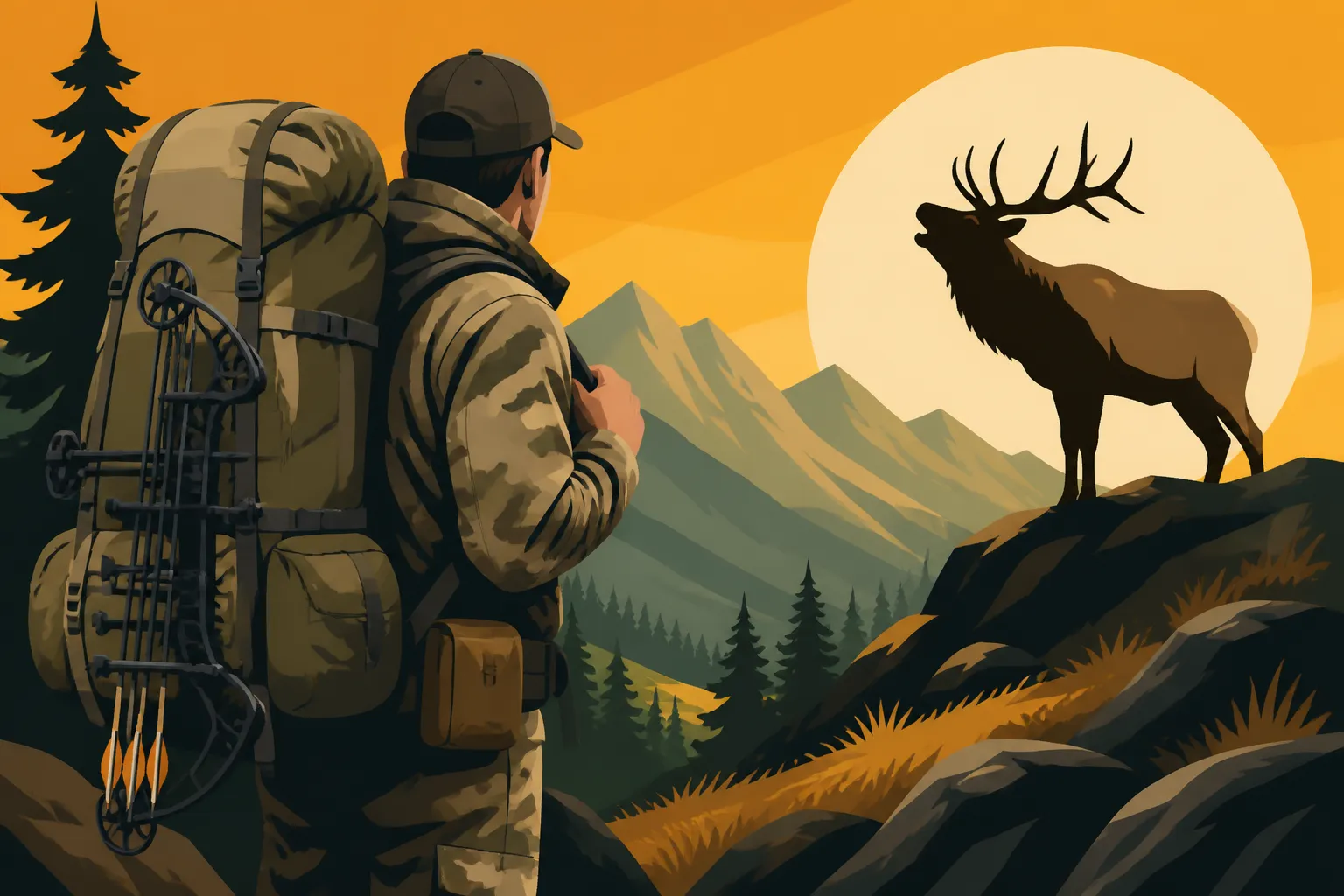
- Bow Carry Systems: For archery elk hunters, packs often have straps and pockets designed to hold a compound bow securely against the pack. This frees up your hands for climbing, glassing, or simply making long treks more comfortable. Ensure the system protects the cams and strings from damage and keeps the bow stable and quiet.
First Aid and Emergency Gear
Never head into the backcountry without a comprehensive first aid kit and essential emergency gear. This is your lifeline if something goes wrong miles from help.
- First Aid Kit: Tailor your first aid kit to the length and remoteness of your hunt. It should include items for cuts, blisters, burns, pain relief, allergic reactions, and any personal medications. Don't just throw things in; organize it for quick access. Knowing how to use everything in it is paramount.
- Emergency Essentials: Beyond first aid, carry a reliable headlamp with extra batteries, a fire starter, an emergency bivy or space blanket, a signaling mirror, a whistle, and a satellite communicator (like a Garmin inReach or Zoleo) for two-way communication and SOS capabilities. Cell service is often non-existent in California's remote elk country. Having a communication device is a critical safety measure, allowing you to check in or call for help if needed. GoHunt's trip planning resources often include suggestions for emergency gear specific to remote hunts.
Maintaining Your Investment: Pack Care and Longevity
Your backcountry pack is a significant investment and a critical piece of gear. Proper care and maintenance will ensure it lasts for many seasons of challenging California elk hunts.
Cleaning and Storage
After every hunt, especially those multi-day trips where sweat, dirt, blood, and grime accumulate, your pack needs some attention.
- Cleaning: Empty your pack completely. Use a damp cloth and mild soap (like unscented dish soap) to wipe down the exterior and interior, paying special attention to areas that contacted meat or mud. For tougher grime, a soft brush can help. Avoid harsh chemicals or machine washing, as these can damage coatings and fabrics. Rinse thoroughly but avoid saturating the foam in the hip belt and shoulder straps if possible. For areas that absorbed blood, a gentle enzyme cleaner designed for outdoor gear can help remove stains and odors.
- Drying: Ensure your pack is completely dry before storing it. Hang it upside down in a well-ventilated area, out of direct sunlight, to prevent mildew growth and fabric degradation. Pay attention to padded areas and zippered compartments, which can trap moisture.
- Storage: Once clean and dry, store your pack in a cool, dry place, away from rodents and direct sunlight. Unzip all pockets and loosen all straps. Stuffing it lightly with newspaper or old clothes can help maintain its shape. Keeping it off the floor and away from moisture is key.
Repairing Minor Damage Afield
Backcountry hunting is rough on gear. Small tears, snags, or broken buckles can happen. Knowing how to make minor repairs in the field can save your hunt.
- Field Repair Kit: Carry a small repair kit with items like heavy-duty needle and thread (dental floss works in a pinch), fabric repair tape (like Tenacious Tape), spare buckles, zip ties, and safety pins. These simple items can patch a tear, replace a broken buckle, or temporarily fix a zipper slider until you can get back to civilization.
- Temporary Fixes: If a strap breaks, zip ties or a sturdy piece of paracord can often create a temporary solution. A tear in the main body can be patched with repair tape to prevent it from growing larger. While not permanent, these fixes can get you through the rest of your trip and prevent further damage. It's about being resourceful and proactive when you're miles from the truck.
Long-Term Care for Longevity
Beyond regular cleaning, a few long-term practices will extend the life of your pack.
- Zipper Maintenance: Periodically clean zippers and apply a silicone-based zipper lubricant to ensure smooth operation and prevent corrosion, especially after dusty or wet hunts. Gritty zippers are a common failure point.
- Re-Waterproofing: Over time, the DWR (Durable Water Repellent) coating on your pack's fabric will wear off. You can reapply a spray-on or wash-in DWR treatment to rejuvenate its water resistance. Follow the product instructions carefully. This is usually not an annual task but something to consider every few years, depending on usage.
- Professional Repairs: For major damage, such as a broken frame stay, extensive fabric tears, or critical zipper failures, consider sending your pack to the manufacturer or a reputable gear repair specialist. They often have the specialized equipment and expertise to make durable, lasting repairs that will restore your pack's functionality. Trying to DIY a major repair might compromise its integrity under heavy loads, especially if you're planning on Hunting California's High-Country X-Zones next season.
Disclaimer
This article is for general informational purposes only and does not constitute professional advice. Laws, prices and regulations vary by location and change over time. Consult a qualified professional for guidance on your specific situation.