Hunting California’s Trinity Alps Wilderness
Stepping into the Trinity Alps Wilderness for a hunt isn't just a walk in the woods; it's a deep dive into some of California's most rugged, remote, and breathtaking country. Many hunters dream of pursuing game in such pristine conditions but are often overwhelmed by the sheer scale and challenges of a true wilderness hunt. This comprehensive guide will arm you with the knowledge and strategies you need to confidently plan and execute a successful and ethical hunting expedition into California's majestic Trinity Alps.
Understanding the Trinity Alps Wilderness: A Hunter's Perspective
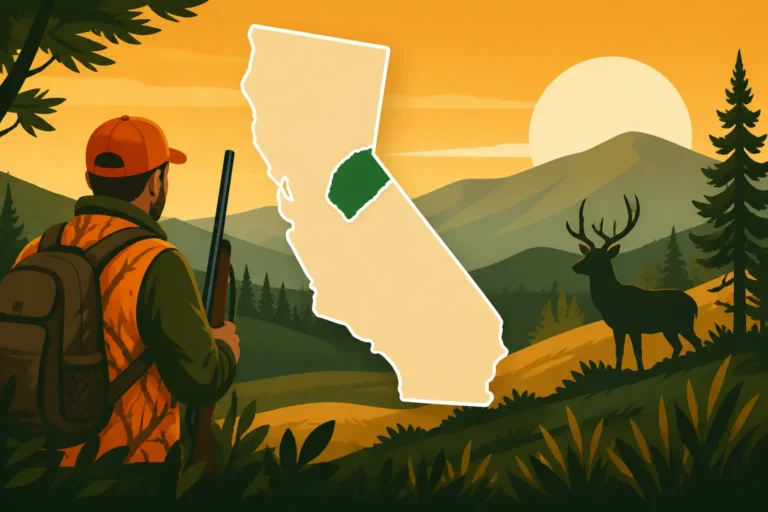
The Trinity Alps Wilderness, sprawling across parts of Trinity and Siskiyou counties, is a formidable yet incredibly rewarding destination for hunters seeking a true backcountry experience. It's a place where jagged granite peaks meet dense timber, alpine lakes shimmer, and game thrives away from the immediate pressures of roads and easy access. However, its beauty comes with inherent challenges that demand thorough preparation and respect.
The Trinity Alps: A Land Apart
This isn't your average public land hunt where you can drive to a trailhead and be back at camp by evening. The Trinity Alps encompasses over 500,000 acres, much of which is designated federal wilderness. This means no motorized vehicles, no mountain bikes, and often, long, strenuous hikes just to reach prime hunting grounds. The terrain varies dramatically, from steep, brush-choked canyon bottoms to open, rock-strewn ridges and high alpine basins. Elevations can range from around 2,000 feet in the lower reaches to over 9,000 feet at peaks like Thompson Peak, creating a mosaic of habitats for various game species. Understanding this varied landscape is your first step to success. You're entering a wild, untamed environment where self-reliance isn't just a virtue; it's a necessity.
Designated Wilderness: Rules and Respect
Hunting within a designated wilderness area comes with a specific set of rules and, perhaps more importantly, an ethos of respect for the land. Beyond the general California hunting regulations, you'll need to adhere to wilderness-specific guidelines. These generally prohibit anything that leaves a lasting human impact, such as cutting live trees for firewood (pack in a small stove or rely on deadfall), building permanent structures, or using wheeled devices. It's all about leaving no trace. This commitment to preservation means packing out everything you pack in, including all trash, spent casings, and even organic waste like orange peels or apple cores, which can take years to decompose in the cold, high-altitude environment. You'll be using maps and compass or a GPS device like GPS and Mapping Apps for California Public Land because cell service is virtually non-existent, making navigation a critical skill.
Key Access Points and Trailheads
Accessing the Trinity Alps usually involves entering from one of several primary trailheads, each offering routes into different sections of the wilderness. On the western side, trailheads along the Trinity River and Highway 299, such as those leading into the New River drainage or the North Fork Trinity River area, can be popular. From the east, near Weaverville or Coffee Creek, you might access areas like Canyon Creek or the Stuart Fork. Each trailhead leads into unique terrain and habitat, and understanding which one best suits your target species and hunting style is crucial. For example, some trailheads provide more direct routes to high alpine basins favored by deer, while others might lead into dense timber better suited for bear. Researching these entry points with tools like onX Hunt can help you visualize the initial miles of your trek, identify potential camping spots just inside the wilderness boundary, and understand the general topography before you even set foot on the trail.
Planning Your Expedition: Species, Seasons, and Strategy
A successful hunt in the Trinity Alps starts long before you lace up your boots. The sheer scale and difficulty of the terrain mean that meticulous planning for your target species, the appropriate season, and your overall strategy is paramount. This isn't a place for impromptu decisions; it's a landscape that rewards foresight and dedication.
Targeting Deer: Blacktails in the High Country
The primary draw for many hunters in the Trinity Alps is the Columbia Blacktail deer. These resilient deer thrive in the mixed conifer forests and brushy slopes, particularly in the later parts of the general season as they begin their migration to lower elevations. While the Trinity Alps fall within various deer hunting zones, many of the prime high-country areas might be part of the X-zones, which typically require applying in the California Big Game Drawing Explained. However, depending on the specific location, some areas might overlap with D-zones, offering over-the-counter tags. High-country blacktail hunting often involves Glassing Mule Deer in Open California Country from prominent ridges, patiently picking apart vast basins and timbered pockets for movement. The bucks here might not always be giant, but they are hard-earned, wary animals, and the experience of hunting them in such wild country is truly unforgettable. Later in the season, you might find deer transitioning down into the drainages as snow begins to cap the peaks, creating opportunities in the timbered benches and creek bottoms.
Beyond Deer: Bear and Other Opportunities
While blacktail deer are the main event, the Trinity Alps also offer exciting opportunities for black bear. California's bear season often runs concurrently with deer season in many zones, and the Trinity Alps provides excellent habitat. Spot-and-stalk tactics are common, particularly in areas with berry patches or oak groves (though acorns might be less prevalent at the highest elevations) where bears might be feeding to put on fat for winter. Remember, Black Bear Hunting California's Spot-and-Stalk Season requires checking the statewide quota and specific regulations closely. Beyond big game, you might encounter opportunities for various small game and upland birds, such as grouse, which inhabit the higher elevations. Carrying a small game endorsement and understanding the seasons can add another dimension to your wilderness experience, providing a chance to fill the pot if deer or bear prove elusive.
Decoding Regulations and Securing Your Tag
Navigating California's hunting regulations can feel like a hunt in itself, especially when dealing with wilderness areas that span multiple hunting zones. You'll need a California hunting license, and then the appropriate tag for your desired species and zone. For deer, confirm if your intended hunting area is an X-zone or a D-zone. X-zones usually mean applying for a tag in the draw, which can have tough odds depending on the specific zone. D-zones, while generally offering better odds, might still require careful planning or a willingness to buy an over-the-counter tag if available for your chosen unit. For bear, a separate bear tag is required. It's crucial to check the current year's hunting regulations booklet provided by the California Department of Fish and Wildlife (CDFW) for exact season dates, bag limits, and specific rules for your chosen zone and species. Utilizing online resources like GoHunt can assist in understanding draw odds and application strategies for those more sought-after X-zone tags. Always ensure you have your physical license and tags securely with you, preferably protected from the elements, as digital copies often aren't accepted as primary proof in the field.
| Species | Typical Habitat (Trinity Alps) | Preferred Season | Common Hunting Method | Special Considerations |
|---|---|---|---|---|
| Columbia Blacktail | Mixed conifer, brush, alpine basins | Archery/General (Fall) | Spot-and-Stalk, Still-Hunt | Check specific zone rules, migration patterns |
| Black Bear | Timber, berry patches, drainages | Archery/General (Fall) | Spot-and-Stalk | Statewide quota, check before you go |
| Ruffed/Sooty Grouse | Conifer forests, dense undergrowth | Fall | Opportunistic, walked-up | Small game license, check local populations |
| Cottontail/Hare | Brushy areas, timber edges | Year-round (various) | Opportunistic, walked-up | Small game license |
Mastering the Terrain: Navigation and Backcountry Skills
The Trinity Alps Wilderness is not for the faint of heart or the unprepared. Its ruggedness is both its allure and its greatest challenge. Successfully navigating and surviving in this environment requires a specific set of skills and a deep respect for Mother Nature's unpredictable temperament.
Maps, Apps, and Route Finding in the Steep
Forget relying on your phone's GPS or social media for trail information once you're deep in the Alps; signal is a myth. A reliable GPS device, coupled with a downloaded map application like onX Hunt, is indispensable. But here’s the kicker: you absolutely must know how to read a physical topo map and use a compass. Batteries die, devices get wet, and screens crack. Your ability to orient yourself with a map and compass could be the difference between a minor detour and a full-blown survival situation. When route finding in such steep and often brushy terrain, always look for the path of least resistance. Ridgelines offer clearer travel, but can be exposed to wind and sun. Canyon bottoms can be cooler and offer water, but often mean thick brush, downed timber, and hidden obstacles. Learning to identify saddles, benches, and game trails will make your travel more efficient and quieter. Remember to pay attention to your surroundings, taking mental notes or dropping waypoints on your GPS for critical junctions, especially on your way in, as the journey back will look entirely different. Reading Aerial Photos for Sierra Deer can give you a significant advantage in identifying travel corridors and bedding areas before you even step foot on the ground.
Water, Weather, and Wilderness Safety
Water is heavy, but essential. While the Trinity Alps are generally well-watered with numerous creeks and alpine lakes, you should never rely on finding water exactly when and where you need it without planning. Always carry a reliable water filter or purification tablets. Treat all water sources, even seemingly pristine alpine springs, to prevent giardia and other debilitating illnesses. The weather in the Trinity Alps is notoriously fickle. A sunny morning can quickly give way to afternoon thunderstorms, hail, or even snow, even in early fall. Layered clothing is critical – you'll strip layers during strenuous climbs and quickly add them during stops or as the weather changes. A quality rain shell and insulated jacket are non-negotiable. Beyond weather, wilderness safety includes being aware of wildlife. Bears are present, so proper food storage (bear canisters or Ursack bags, or hanging food out of reach) is crucial at camp. Carry a robust first-aid kit, know how to use it, and consider a satellite communication device like a Garmin inReach or Zoleo for emergency contact, as it will be your only lifeline to the outside world.
Packing Smart for Multi-Day Adventures
The golden rule of backcountry hunting is "ounces equal pounds, and pounds equal pain." Every item you pack needs to earn its place. For a multi-day trip, your pack itself is paramount. A high-quality internal or external frame pack that can comfortably carry 60-80 pounds is ideal, especially if you plan on packing out meat. Focus on lightweight, durable gear. Sleeping bags should be rated for cooler temperatures than you expect, as high-country nights can drop unexpectedly. A lightweight tent or tarp shelter, a compact cooking system, and dehydrated meals will keep your base weight down. Think about redundancy for critical items: two methods of fire starting, extra batteries for your headlamp and GPS, and a multi-tool. Your entire system should be able to withstand getting wet and provide warmth, even if damp. For more insights on this, check out Packs and Gear for a Backcountry Elk Hunt, which offers principles applicable to any demanding backcountry endeavor.
Hunting Tactics for the Trinity Alps
Hunting in the Trinity Alps is a physically demanding and mentally challenging endeavor that requires a blend of patience, persistence, and specialized tactics. The vastness of the wilderness means you need to be strategic in how you approach the game.
Spot-and-Stalk in Open Basins and Timbered Slopes
The Trinity Alps offers classic Western spot-and-stalk hunting opportunities. The high alpine basins, burn scars, and open ridges are prime areas for glassing. Get to a vantage point before first light and spend hours systematically picking apart the landscape with quality binoculars and a spotting scope. Look for subtle movements, a flick of an ear, a patch of contrasting color against the rock, or the tell-tale shape of an antler. Once you spot game, the real work begins: planning your stalk. This involves using terrain features for cover, paying meticulous attention to Wind and Thermals in Steep Sierra Country, and moving slowly and deliberately. In timbered slopes and brushy draws, still-hunting becomes more effective. Move a few steps, then stop and carefully scan your surroundings, looking for parts of an animal rather than the whole. The dense cover often means closer encounters, requiring quick decision-making and shot placement.
Understanding Animal Behavior and Movement
Game animals in the Trinity Alps, especially blacktail deer, are often creatures of habit, but they are also highly attuned to their environment and any changes within it. During the early season, deer might be higher up, seeking cooler temperatures and summer forage in the subalpine meadows and open timber pockets. As the season progresses and cold weather or snow pushes them down, they'll often move to lower elevations, following traditional migration corridors. Identifying these corridors, which often follow ridges or creek drainages, can be key to intercepting migrating animals. Pay attention to sign: fresh tracks, droppings, rubs, and scrapes. While Scrape Lines Along a Forest Service Road might be more common outside wilderness boundaries, deer will still leave similar indicators of their presence and movement in the backcountry. Also, understand the rutting behavior for your specific zone and species; the blacktail rut generally peaks in the fall, which can increase daytime movement and make bucks more vulnerable.
Processing and Packing Out Your Harvest
Successfully harvesting an animal in the Trinity Alps is only half the battle; getting it out is arguably the harder part. You'll likely be miles from any vehicle, possibly in steep, rugged terrain. Quick and efficient field dressing is critical, especially if hunting in warmer early-season conditions. For big game, quartering the animal is almost always necessary. This involves breaking the animal down into manageable pieces – usually the four quarters, backstraps, tenderloins, neck meat, and sometimes the rib meat. Using high-quality game bags to protect the meat from dirt and insects is essential. Knowing how to Field Dressing a Deer in Hot Weather or Butchering a Deer at Camp becomes an invaluable skill. Your pack frame will get its ultimate test on the pack-out, often requiring multiple trips for larger animals like a bear or a big deer. Plan your route for the pack-out carefully, looking for easier grades or less brushy paths, even if it means a slightly longer distance. Remember, a successful hunt isn't just about the shot, but about respecting the animal and ensuring the meat makes it home in good condition.
Essential Gear for a Trinity Alps Hunt
The unique demands of the Trinity Alps Wilderness necessitate a specialized gear list. Your equipment needs to be rugged, reliable, lightweight, and capable of performing in diverse and often harsh conditions. Skimping on quality here can turn a dream hunt into a miserable ordeal.
Footwear and Layering: Battling the Elements
Your feet are your most important asset in the Trinity Alps. Invest in high-quality, broken-in hunting boots that offer excellent ankle support, traction, and waterproofness. Lightweight Boots for Steep California Sierra Terrain are a good starting point, but consider the specific terrain you'll encounter – whether it's rocky scree, muddy creek crossings, or dense brush. Bring multiple pairs of moisture-wicking socks to prevent blisters, changing them regularly. For clothing, a modular layering system is key. Start with a moisture-wicking base layer, add an insulating mid-layer (fleece or synthetic puffy), and top it off with a durable, waterproof and windproof outer shell. This allows you to adapt to the drastic temperature swings from frosty pre-dawn hikes to warm midday climbs, and unexpected rain or snow showers. Don't forget a warm hat and gloves, as body heat is lost rapidly from the head and extremities.
Optics: Your Eyes in the Expansive Landscape
In the vast, broken terrain of the Trinity Alps, good optics aren't just an advantage; they are a necessity. You'll spend hours, if not days, behind glass. A high-quality pair of 10x or 12x binoculars with a wide field of view will be your primary scouting tool, allowing you to pick apart distant hillsides and timber patches. Mount them on a tripod for steady viewing, reducing eye fatigue and allowing you to spot subtle details. A spotting scope, typically 60-80mm with 20-60x magnification, is essential for confirming what you've seen with your binoculars, evaluating trophy potential, and planning your stalk. A lightweight tripod for your spotting scope is a must. Lastly, a reliable rangefinder is critical for ethical shot placement in steep, broken terrain where distances can be deceiving. Optics for California's Open-Country Deer Hunting provides a deeper dive into choosing the right glass for vast landscapes.
Backcountry Camp: Shelter, Sleep, and Sustenance
Your camp is your sanctuary after a long day of hunting. A lightweight, durable backpacking tent or tarp shelter designed for three-season (or even four-season, depending on the time of year) conditions is crucial for protection from the elements. Look for models that are easy to set up and have good ventilation to prevent condensation. Pair this with an insulated sleeping pad for warmth and comfort, and a sleeping bag rated for temperatures at least 10-15 degrees colder than you expect to encounter. Freeze-dried or dehydrated meals are excellent for backcountry hunting due to their light weight and ease of preparation, but bring a variety to avoid "flavor fatigue." Pack a compact stove and fuel, along with a pot or titanium mug for boiling water. Don't forget robust food storage solutions to protect your provisions from bears and other critters.
Respecting the Wilderness: Ethics and Conservation
Hunting in a wilderness area like the Trinity Alps carries a profound responsibility. It's not just about pursuing game; it's about being a steward of the land and upholding the highest ethical standards. Your actions here have a lasting impact.
Minimizing Your Impact: Leave No Trace
The core principle of wilderness hunting is "Leave No Trace." This means packing out everything you pack in, including all food wrappers, spent cartridge casings, and even human waste (digging catholes well away from water sources and trails is standard practice, but packing out solid waste in designated bags is even better in highly used or fragile areas). Avoid building large fires or leaving fire rings visible; if you must have a fire, use existing fire rings where possible and completely extinguish it until cold to the touch. When traveling, stay on established trails where they exist to prevent erosion and the creation of new routes. When off-trail, spread out your impact to avoid creating visible paths. Your goal is for no one to know you were there. This ethic protects the pristine nature of the wilderness for future generations and preserves the challenging, wild character that draws hunters to places like the Trinity Alps.
Dealing with Encounters: From Bears to Other Hunters
In the Trinity Alps, you're sharing the landscape with abundant wildlife, including black bears. Always be bear aware: store food properly, make noise while hiking to avoid surprising an animal, and know what to do in a bear encounter. Carrying bear spray is a wise precaution, and know how to use it effectively. Beyond wildlife, you'll likely encounter other wilderness users – hikers, backpackers, and fellow hunters. Always be courteous and respectful. Keep noise to a minimum, especially in camping areas. If you encounter another hunter, a friendly nod or brief greeting is usually sufficient; avoid discussing specific hunting locations or strategies unless initiated by both parties. Maintaining a low profile and respecting others' experiences contributes to the overall positive atmosphere of Public Hunting Land in California.
Leaving It Better Than You Found It
True conservation goes beyond simply following the rules; it's about actively contributing to the health and beauty of the wilderness. This means perhaps picking up a piece of trash left by someone else, reporting any egregious violations you might observe, or simply being a visible example of ethical outdoor behavior. Participate in local conservation efforts or groups dedicated to protecting wilderness areas. The privilege of hunting in places like the Trinity Alps is not to be taken lightly. It's a testament to past conservation efforts, and it's our duty to ensure that such wild places, and the hunting opportunities they provide, remain intact and thriving. The challenge and reward of hunting in the Trinity Alps create an indelible connection to the wild, fostering a deep appreciation that naturally leads to a desire to protect it.
Disclaimer
This article is for general informational purposes only and does not constitute professional advice. Laws, prices and regulations vary by location and change over time. Consult a qualified professional for guidance on your specific situation.