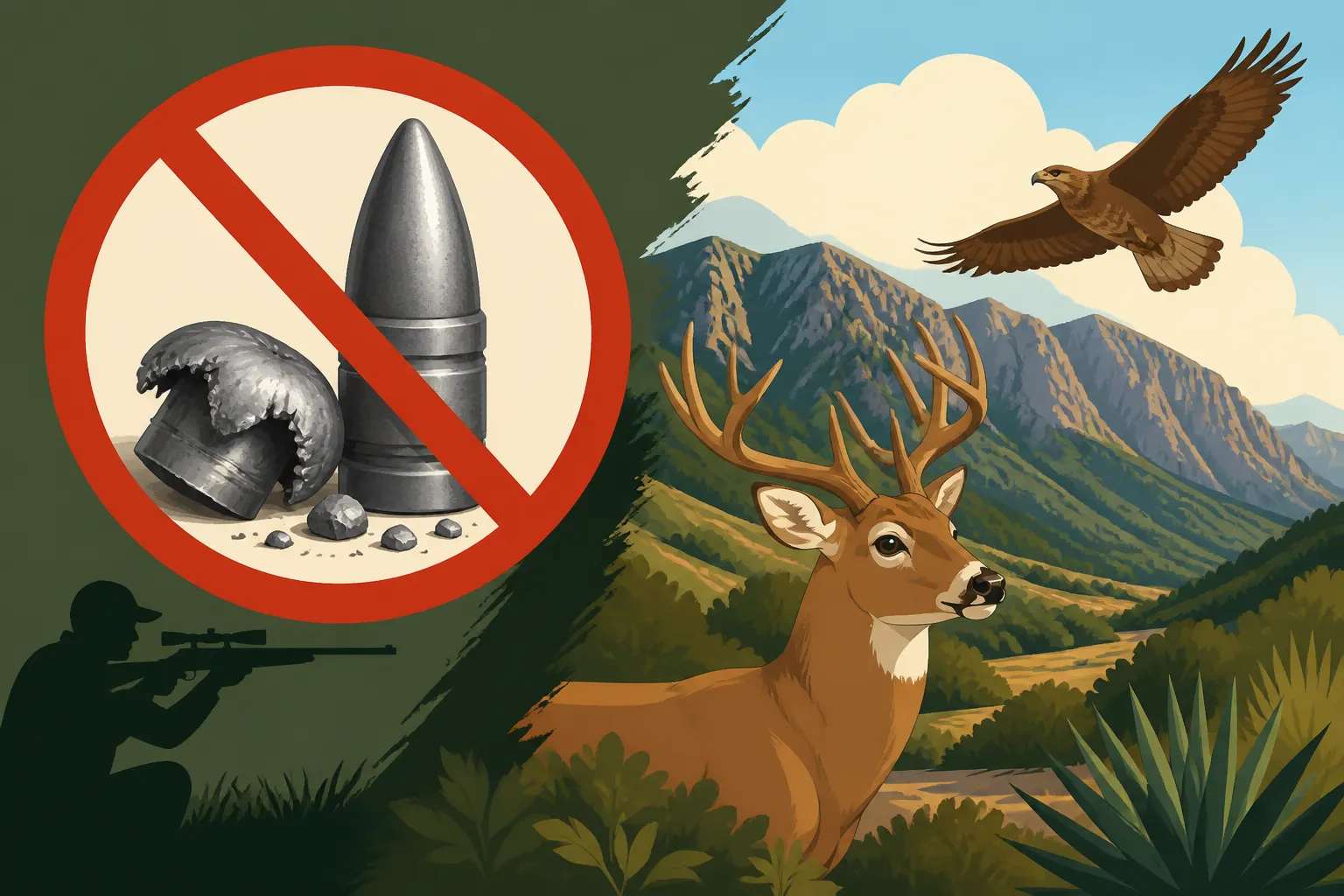
Why Lead Bullets Are Banned on Los Padres Land
The shift to non-lead ammunition across California has been a significant change for hunters, and nowhere was this change felt more acutely, or earlier, than in specific areas like the Los Padres National Forest. For years, hunters faced the unique challenge of navigating a lead ammunition ban in this expansive, diverse landscape, often feeling frustrated and confused by the "why" and "how" of it all. This comprehensive guide will peel back the layers to explain precisely why lead bullets became forbidden on Los Padres land, how that mandate evolved, and what it means for hunters venturing into these beautiful, wild spaces.
The Genesis of the Ban: Protecting Wildlife
The decision to ban lead ammunition on Los Padres National Forest land wasn't arbitrary or sudden. It stemmed directly from critical conservation efforts, primarily focused on one of California's most iconic and endangered species: the California condor. The story of the condor's recovery is a testament to dedicated conservation, but their vulnerability to lead poisoning proved a major hurdle.
The California Condor's Plight and Lead Poisoning
Imagine an enormous bird with a nine-foot wingspan, soaring gracefully over rugged canyons and ancient forests. That's the California condor, a true symbol of our wild heritage. Unfortunately, by the 1980s, these magnificent scavengers were on the brink of extinction, with only a couple dozen individuals left in the world. An intensive breeding and reintroduction program brought them back from the precipice, and a critical recovery zone was established, including portions of the Los Padres National Forest.
However, as these condors were released back into their historic range, biologists noticed a recurring, alarming problem: elevated lead levels in their blood. Condors are obligate scavengers, meaning they primarily feed on carrion—dead animals. When hunters use lead-based ammunition, a bullet striking an animal can fragment, leaving tiny, often unseen pieces of lead throughout the carcass or in gut piles left in the field. A condor feeding on such remains would inadvertently ingest these lead fragments. Even a tiny piece of lead can be fatal to a condor, causing neurological damage, sickness, and eventually death, undoing years of painstaking conservation work. The Los Padres area, being a vital part of the condor's recovery zone, became a focal point for this issue, leading to specific actions aimed at removing this deadly threat. California's Condor-Driven Ammunition Law delves deeper into the legislative side of this critical issue.
Broader Ecological Concerns Beyond the Condor
While the condor was the primary catalyst, the concern about lead poisoning wasn't limited to just one species. Many other scavenging animals can be impacted by lead fragments left in the field. Golden eagles, various hawk species, ravens, and even mammalian scavengers like coyotes and bears can ingest lead when feeding on gut piles or unrecovered game shot with lead ammunition.
Consider a black bear foraging after a hunter has field-dressed a deer. That bear, with its incredible sense of smell, finds the gut pile. If lead fragments are present, the bear could ingest them. While bears might be more resilient than a condor, consistent ingestion can still lead to health problems. This broader ecological awareness underscored the need for a more comprehensive approach to ammunition choice, ensuring that hunting practices were in harmony with the health of the entire ecosystem. It was about mitigating a known risk to a wide array of wildlife, ensuring the health of the food chain in these pristine environments.
Los Padres as an Early Adopter of Non-Lead Regulations
The lead ammunition ban on Los Padres National Forest lands wasn't initially a statewide mandate; it was a localized regulation that predated California's eventual statewide ban. This meant that for years, hunters heading into Los Padres had to be particularly vigilant about their ammunition choice, while hunters in other parts of the state might still be using traditional lead bullets.
This early implementation effectively made Los Padres a proving ground for non-lead hunting practices. It allowed wildlife agencies and hunters to observe the practicalities, benefits, and challenges of transitioning away from lead. The experiences and data gathered from areas like Los Padres undoubtedly contributed to the broader understanding and eventual acceptance of a statewide non-lead requirement. It showed that non-lead hunting was not only feasible but also a responsible step forward for wildlife conservation.
Understanding the Non-Lead Mandate Specific to Los Padres
Navigating ammunition regulations can feel like a minefield, especially when specific areas had unique rules before a statewide mandate. For hunters focusing on the Los Padres National Forest, understanding the particular nuances of its non-lead requirement was, and remains, crucial.
What "Non-Lead" Really Means for Your Ammunition
When the regulations state "non-lead," it means using projectiles that are free of lead components. This isn't just about the bullet's core; it refers to the entire projectile being made of alternative materials. The most common and widely available non-lead options are copper and copper alloy bullets. These bullets perform exceptionally well, often retaining nearly 100% of their weight, which can lead to excellent penetration and reliable expansion on game.
Other materials, like bismuth for shotgun pellets (though less relevant for big game hunting in Los Padres), are also considered non-lead. The key is to ensure that the bullet you choose for your rifle, handgun, or shotgun (if you're hunting small game or pigs with a slug) is explicitly designed and marketed as non-lead, usually made from solid copper or a copper-based alloy. You can find detailed information on Which Non-Lead Bullets California Approves to help ensure your compliance.
Here's a quick look at common non-lead materials:
| Material Type | Primary Use | Key Characteristics |
|---|---|---|
| Solid Copper | Rifle, Handgun | High weight retention, deep penetration, consistent expansion |
| Copper Alloy | Rifle, Handgun | Similar to solid copper, often with enhanced malleability |
| Bismuth | Shotgun (pellets, slugs) | Denser than steel, softer than lead, good for waterfowl & upland |
| Tungsten-Matrix | Shotgun (pellets) | Very dense, often expensive, excellent performance |
| Steel | Shotgun (pellets) | Widely available, cost-effective, but lighter than lead |
The Specific Boundaries and Regulations for Los Padres
The Los Padres National Forest covers a vast area, stretching across several counties in Southern and Central California, including Ventura, Santa Barbara, San Luis Obispo, Kern, and Monterey. When the non-lead rule was first implemented, it applied to all lands managed by the Los Padres National Forest.
Today, with the statewide non-lead ammunition requirement in full effect, the distinction of "Los Padres" having unique rules is somewhat lessened. However, it's still vital for hunters to understand the specific boundaries of any national forest or public land they intend to hunt. For Los Padres, this means knowing the physical borders where National Forest System lands begin and end. Tools like GPS mapping apps, such as onX Hunt, are invaluable for this. You can overlay public and private land boundaries directly onto your map, ensuring you know exactly where you are and what regulations apply. Before you even leave the house, spend time with your mapping software, reviewing the specific unit or area you plan to hunt within Los Padres. Hunting California's Los Padres National Forest offers general insights into hunting this diverse region.
Impact on Different Hunting Methods within Los Padres
The non-lead mandate affects all hunting methods where lead projectiles would traditionally be used.
- Rifle Hunting: This is perhaps the most obvious impact. Whether you're chasing blacktail deer in the oak woodlands or targeting wild pigs, your rifle ammunition must be non-lead. This means selecting copper or copper alloy bullets for your chosen caliber. Choosing Non-Lead Rifle Ammunition in California offers a deeper dive into making the right selection.
- Archery Hunting: For bowhunters, the non-lead rule has less direct impact on broadheads, as broadheads are not made of lead. However, some traditionalists might use lead-weighted arrows or practice tips. It's important to be mindful of all components. Generally, modern archery equipment is inherently lead-free in its projectile components.
- Shotgun Hunting: If you're hunting upland game, small game, or wild pigs with a shotgun slug in Los Padres, your shotgun shells must also contain non-lead components. This means using steel, bismuth, or other approved non-toxic shot for birds and non-lead slugs for big game. While Los Padres is less known for extensive waterfowl hunting compared to the Central Valley, these rules still apply universally.
- Muzzleloader Hunting: For those who enjoy black powder hunting, the non-lead requirement means opting for non-lead projectiles like saboted copper bullets rather than traditional lead round balls or Maxi-Balls.
The core message is consistency: if it's a projectile, it needs to be non-lead if you're hunting on Los Padres land, and now, across the entire state of California.
Practical Adjustments for Hunting Los Padres with Non-Lead
Switching to non-lead ammunition isn't just about buying a different box of bullets; it requires a few practical adjustments to ensure you're as effective and ethical in the field as possible. The unique characteristics of non-lead projectiles mean you can't just expect them to perform exactly like their lead counterparts.
Choosing the Right Non-Lead Ammunition and Caliber Considerations
The market for non-lead ammunition has grown significantly since these bans began, offering hunters more choices than ever before. When selecting your non-lead rounds for Los Padres, consider a few factors:
- Bullet Construction: Most non-lead big game bullets are made from solid copper or a copper alloy. These tend to be tougher and lighter for their size than lead bullets. This means they often need to be driven at higher velocities to achieve optimal expansion, and they typically retain a much higher percentage of their original weight, leading to excellent penetration.
- Bullet Weight: Due to copper's lower density compared to lead, a copper bullet of the same length as a lead bullet will be lighter. Many hunters find success by choosing a slightly heavier non-lead bullet for their caliber to compensate, or by trusting the performance of modern, lighter copper bullets. For instance, if you used a 150-grain lead bullet in your .308, you might look at a 165-grain copper option or stick with a high-performance 150-grain copper bullet. Best Non-Lead Bullet Weight for Blacktail Deer can guide you in this specific selection.
- Availability and Cost: Historically, non-lead ammunition could be harder to find and more expensive. While availability has improved, it's always wise to stock up well before the season. Check with your local gun shop or reputable online retailers. You can often find useful insights and availability updates on forums or hunting platforms like GoHunt, which often track gear trends and inventory. It’s a good idea to research Non-Lead Ammo Availability and Cost well in advance.
Sighting In and Practice: Essential for Accuracy
This step cannot be overstated. Non-lead bullets, even of the same weight and caliber, will often have a different point of impact compared to lead bullets. This is due to differences in bullet construction, ballistic coefficient, and how they interact with your rifle's barrel harmonics.
- Re-Zero Your Rifle: Before heading into the Los Padres (or any California hunting zone), you must re-zero your rifle with the specific non-lead ammunition you intend to hunt with. Don't assume. Shoot groups at 100 yards, and then verify your dope at longer ranges you anticipate shooting in the field.
- Practice, Practice, Practice: Get comfortable with how your chosen non-lead load performs. Understand its trajectory, especially at various distances. Practice shooting from different positions you might encounter in the varied terrain of Los Padres, whether it's offhand, from a rest, or kneeling. This ensures you're not only compliant but also confident and ethical with your shots. If you typically practice with cheaper lead ammunition, remember that your hunting loads must be copper, so invest in enough of your non-lead hunting ammunition for zeroing and significant practice. This ensures you are prepared for Sighting In Before Switching to Non-Lead.
Field Dressing and Carcass Management Post-Ban
Even though you'll be using non-lead ammunition, responsible field dressing and carcass management remain paramount, especially in areas like Los Padres where wildlife, including scavengers, are present.
- Minimize Disturbance: When field dressing, try to keep the gut pile as contained as possible. While there won't be lead fragments in your gut pile from a non-lead bullet, it's still good practice to minimize the spread of biological material.
- Remove All Meat: The goal of hunting is to utilize the animal. Thorough field dressing and careful removal of all edible meat are ethical considerations that complement the non-lead mandate. For more on ethical recovery, check out Field Dressing a Deer in Hot Weather or Recovering a Deer From a Steep Canyon, both relevant for Los Padres' diverse conditions.
- Pack Out What You Pack In: This fundamental principle of ethical outdoor recreation applies. Any trash, spent casings, or non-biodegradable items should be packed out of the forest. This leaves the area pristine for other users and for the wildlife that call Los Padres home.
Navigating the Future of California Hunting
The non-lead ammunition ban on Los Padres land, and now statewide, represents a significant evolution in California hunting. It's a clear example of how hunting regulations adapt to scientific understanding and conservation needs. As responsible hunters, understanding and adapting to these changes is part of our commitment to the land and its wildlife.
Resources for Compliance and Information
Staying informed is your best defense against inadvertently breaking regulations. There are several excellent resources available to help you navigate California's hunting laws:
- California Department of Fish and Wildlife (CDFW) Website: The CDFW is the official source for all hunting regulations, season dates, and approved ammunition lists. Their website is regularly updated and should be your primary reference. Look for specific sections on non-lead ammunition requirements.
- Licensed Ammunition Retailers: Reputable sporting goods stores and gun shops in California are well-versed in the non-lead requirements. They can help you select appropriate ammunition and answer questions.
- Hunting Apps and Mapping Software: Tools like onX Hunt are indispensable for understanding public land boundaries and specific regulations that might apply to certain areas. Their detailed maps can show you precisely where you are relative to national forest boundaries, wilderness areas, or other restricted zones.
- Hunting Forums and Communities: Online forums and local hunting clubs can be great places to get real-world advice and hear about other hunters' experiences with non-lead ammunition. Platforms like GoHunt also offer extensive resources, articles, and community discussions on hunting gear and regulations, which can be immensely helpful.
Looking Beyond Los Padres: A Statewide Standard
It's important to remember that the lessons learned and adaptations made by hunters in Los Padres ultimately paved the way for a statewide non-lead ammunition mandate. What was once a localized rule is now the standard across all of California for taking any wildlife. This means that whether you're Hunting Coastal Range Oak Woodlands or Hunting California's Sierra Nevada High Country, your ammunition choices are consistent. This simplifies things in some ways, as you no longer have to switch ammo depending on the zone you're in, but it reinforces the need for every hunter to be compliant.
The Ethos of Responsible Hunting in a Changing Landscape
For many, hunting is more than just a pastime; it's a way of life deeply connected to conservation. The shift to non-lead ammunition, initially highlighted in areas like Los Padres, is a testament to this commitment. While it required adjustments, it was ultimately about ensuring the health and viability of wildlife populations, including species like the California condor. By embracing these changes, we demonstrate that hunters are not just users of the land, but dedicated stewards. It reinforces the ethical principles of fair chase, respect for game, and minimizing our impact on the broader ecosystem, ensuring that future generations can also experience the challenge and reward of hunting in California's beautiful wild places.
Disclaimer
This article is for general informational purposes only and does not constitute professional advice. Laws, prices and regulations vary by location and change over time. Consult a qualified professional for guidance on your specific situation.