Hunting the Carrizo Plain for Pronghorn
Hunting pronghorn on California's vast Carrizo Plain is an experience unlike almost any other in the state. It's a hunt that demands patience, keen eyesight, and often, a hefty dose of luck just to draw one of those coveted tags. The sheer openness of the landscape, coupled with the incredible wariness of pronghorn, can make hunters feel like they're trying to hide in a billiard table. This guide aims to break down the unique challenges and strategies involved in pursuing California's fastest land mammal in this iconic, sweeping grassland.
Understanding the Carrizo Plain and its Pronghorn
When you picture hunting in California, you might think of dense oak woodlands or steep Sierra peaks. The Carrizo Plain is a complete departure from that, offering a truly unique, open-country experience. This difference is precisely what makes it so special and, frankly, so challenging.
The Unique Landscape of Carrizo Plain
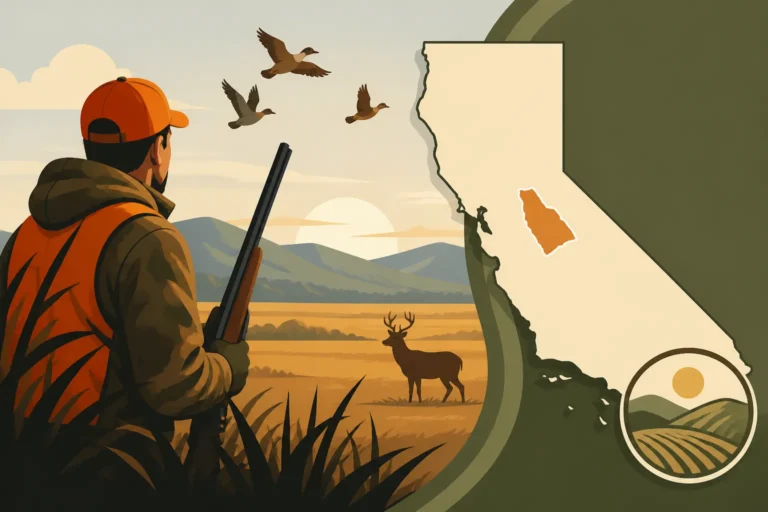
The Carrizo Plain National Monument, located in southeastern San Luis Obispo County, is a vast, enclosed valley that stretches for miles, ringed by the Temblor and Caliente mountain ranges. It's an incredible mosaic of grasslands, saltbush scrub, and seasonal wetlands. Imagine rolling hills that seem to go on forever, punctuated by the occasional arroyo or low ridge, all under a massive sky. This is not a place for timber-hunting or still-hunting thick brush. Visibility is often measured in miles, not yards, which is both a blessing for spotting game and a curse for getting close. The dry climate means sparse cover, turning every stalk into an exercise in extreme caution and strategic planning. You'll quickly learn that a three-foot-tall bush feels like a skyscraper out here. The sheer scale of the landscape can be overwhelming, making it easy to feel lost even with modern navigation tools.
The ecosystem here is surprisingly rich, supporting a diverse array of wildlife from tule elk to San Joaquin kit fox, but it’s the pronghorn that truly embodies the spirit of this open country. The seasonal changes, from vibrant spring wildflowers to the golden hues of summer and fall, transform the landscape but rarely offer significant cover. Understanding the subtle terrain features—shallow dips, eroded gullies, the back side of a low rise—becomes paramount. You'll spend countless hours dissecting the map and then the actual ground, trying to find those tiny wrinkles in the earth that might offer a few moments of concealment.
Pronghorn in California and on the Carrizo Plain
California's pronghorn population is a remarkable conservation success story. Once on the brink of extirpation in the state, careful management and reintroductions have allowed these magnificent animals to rebound. The Carrizo Plain is home to one of these reintroduced herds, providing a rare opportunity to hunt them within a truly wild, expansive habitat. These aren't just any antelope; they are adapted to thrive in wide-open spaces, possessing eyesight often compared to an 8x binocular and capable of incredible bursts of speed.
The pronghorn on the Carrizo Plain are genetically distinct and well-suited to their environment. Their behavior is intrinsically linked to the open landscape – they often bed in positions that give them a panoramic view, and their primary defense mechanism is to outrun any perceived threat. This makes approaching them a formidable task. You'll notice they tend to graze in small groups, with one or more individuals often acting as sentinels, constantly scanning the horizon. Understanding these patterns, like where they might water or feed at different times of day, can give you a slight edge in an otherwise incredibly difficult hunt. Their numbers, while healthy, are carefully managed through limited tag allocations, underscoring the precious nature of this hunting opportunity.
Navigating Access and Regulations for Carrizo Pronghorn
A successful Carrizo Plain pronghorn hunt begins long before you set foot on the ground. It starts with meticulous planning around access and, most critically, the tag drawing process. Without a tag, all the scouting in the world won't matter.
Public Access and Permitted Areas
The Carrizo Plain National Monument is managed by the Bureau of Land Management (BLM), which means hunting is generally permitted in designated areas. However, "generally permitted" doesn't mean "easy access." The sheer size of the area, combined with the presence of private land inholdings and sensitive ecological zones, means you absolutely need to know exactly where you can and cannot go. Vehicle access is typically limited to established roads, and venturing off-road is strictly prohibited to protect the fragile desert ecosystem. This can mean long walks to get into prime hunting areas, adding a significant physical challenge to the mental game.
Using detailed mapping tools like onX Hunt becomes indispensable here. You can layer public and private land boundaries directly onto your phone or GPS device, showing you exactly where the Carrizo Plain National Monument boundaries lie, where private parcels might checkerboard the landscape, and which roads are open for public travel. Without such a tool, you risk trespassing or wasting valuable hunting time trying to decipher handwritten "No Trespassing" signs in the fading light. Always double-check current regulations with the California Department of Fish and Wildlife (CDFW) and the BLM Carrizo Plain National Monument office, as specific closures or restrictions can occur. Remember, every step on this vast landscape is a strategic one, and knowing your boundaries is the first rule of engagement.
Drawing a Carrizo Plain Pronghorn Tag
Let's be blunt: drawing a Carrizo Plain pronghorn tag is one of California's most difficult big game challenges. These are premium, highly sought-after tags, and for good reason—they offer a truly unique hunting experience for a magnificent animal. The number of tags allocated each year is extremely limited, reflecting the careful management of the pronghorn population. Most hunters will spend many years, often a decade or more, accumulating preference points before even having a realistic chance at drawing. It’s a game of patience and perseverance, requiring consistent application year after year.
The application process is part of the broader California Big Game Drawing Explained system, where you apply for specific zones and species. For pronghorn, there are generally only a few units across the state, and the Carrizo Plain typically falls into one of the most competitive. Many hunters turn to services like GoHunt for detailed analysis of draw odds, which can help inform their application strategy. While these services don't guarantee a tag, they provide valuable data on how many points it might take to draw in a particular unit. It’s critical to understand that even with maximum points, drawing is never a sure thing. This table outlines some key considerations for the pronghorn draw:
| Feature | Description | Impact on Hunter |
|---|---|---|
| Tag Allocation | Extremely limited number of tags issued annually for specific units. | Very low draw odds, requiring many preference points. |
| Preference Points | Earned each year you apply and are unsuccessful. Increase future draw chances. | Essential to apply every year to build points for a future opportunity. |
| Application Period | Typically late spring/early summer. | Miss the window, and you lose a year of point accumulation and a chance at a tag. |
| Residency Impact | Non-residents face even stiffer competition due to fewer allocated tags. | Non-residents often require even more points and persistent application. |
| Cost | Application fee plus the cost of a hunting license. | A long-term investment for a potential future hunt. |
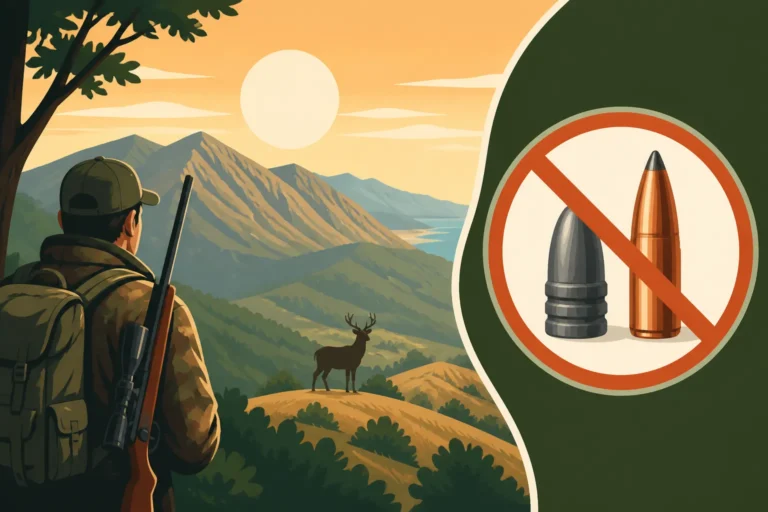
Successfully drawing a tag is truly winning the lottery, and when it happens, you'll need to be ready to make the most of that once-in-a-lifetime opportunity. Don't forget that non-lead ammunition is required for all hunting in California, so plan your rifle and bullet choices carefully. Choosing Non-Lead Rifle Ammunition in California is a crucial read.
Essential Strategies for Hunting Carrizo Plain Pronghorn
Once you have that golden ticket, the real work begins. Hunting pronghorn on the Carrizo Plain is a masterclass in open-country tactics, demanding both mental fortitude and physical stamina.
The Art of Glassing and Spotting
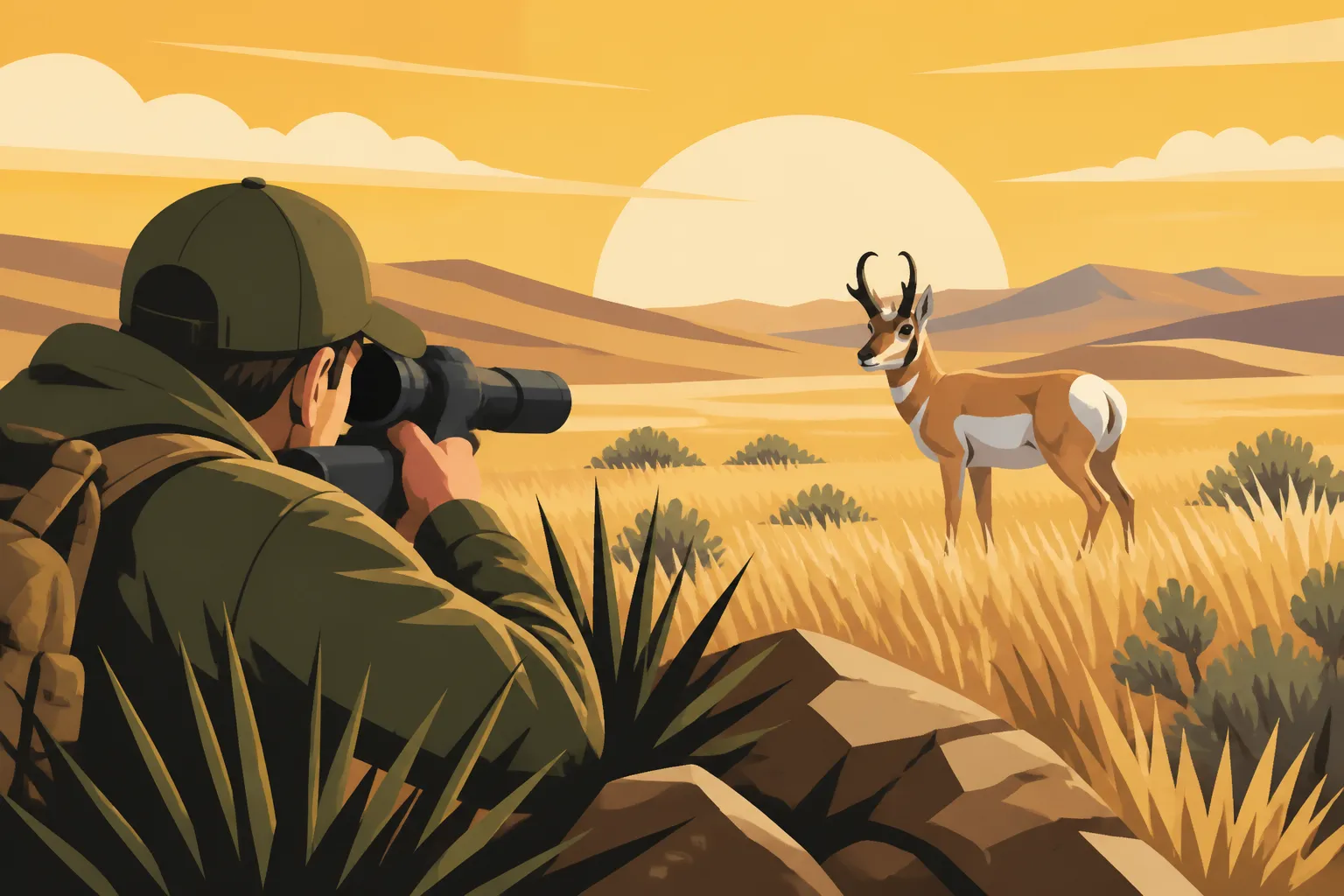
In a landscape where pronghorn can spot you from a mile away, your best defense is an even better offense: using quality optics to spot them first. This is where patience truly becomes a virtue. You'll spend hours, even days, behind your binoculars or spotting scope, systematically dissecting every inch of the vast plains. Forget walking and hoping to jump one; that's a recipe for failure. Instead, find a high vantage point, settle in, and let your eyes do the walking. Early mornings and late evenings are often the most productive times, as pronghorn are typically more active then, but they can be incredibly hard to pick out against the shimmering heat haze of midday.
Your Optics for California's Open-Country Deer Hunting will be your most important tools. A good pair of 10x or 12x binoculars on a tripod is almost non-negotiable for comfortable, stable glassing sessions. A high-magnification spotting scope, perhaps 20-60x, is also essential for confirming animals at extreme distances, judging trophy quality, and planning your approach. Learn to distinguish a pronghorn from a distant rock or a patch of sun-baked grass. Look for subtle movements, a flash of white, or the distinct shape of their bodies against the horizon. When you do spot one, don't just focus on that animal. Scan the surrounding area for other pronghorn, and carefully observe their behavior, movement patterns, and potential escape routes. Best Rangefinder for Open Desert Country will also be critical for judging distances across such vast expanses.
Stalking in Open Country
This is often the most brutal and humbling part of hunting Carrizo Plain pronghorn. Once you've spotted your target, the challenge is getting within shooting range in a landscape that offers minimal cover. Pronghorn possess exceptional eyesight, meaning any exposed movement will likely send them fleeing. A successful stalk often involves covering incredible distances, sometimes miles, using every available dip, rise, and patch of vegetation to your advantage. It's not uncommon to spend an hour or more crawling on your hands and knees or belly-crawling through dry, thorny scrub, all while trying to keep the pronghorn in sight without being seen yourself.
Wind direction is paramount. Pronghorn will often use their sense of smell, so always try to approach with the wind in your favor. Thermals can be tricky in the rolling hills of the Carrizo, so pay close attention to how the air currents are moving. You might need to make a huge, circuitous route, adding significant mileage to your stalk, just to stay out of their sight and smell. Patience is key; rushing a stalk almost always ends in failure. Be prepared to wait, sometimes for hours, for the animals to feed over a rise or for a cloud to obscure the sun, giving you a precious few moments of decreased visibility. Remember that what looks like a small rise from a mile away can be a significant obstacle or a perfect piece of cover when you're actually on it. You'll truly appreciate finding A Ridge-Top Saddle at First Light or A Funnel Between Two Oak Ridges if you can find one that aids your approach.
Gear Considerations for the Carrizo Plain
Given the extreme conditions and open terrain, your gear choices are critical for success and safety on the Carrizo Plain. Beyond your optics, a reliable rifle chambered for a flat-shooting caliber is essential, as shots can often be long. Remember the statewide California's Non-Lead Ammunition Requirement, which means you'll need to use copper or other approved non-lead projectiles. Practice shooting from various positions, especially prone, to prepare for potential long shots in open country.
Hydration is non-negotiable. Even in cooler months, the arid environment can quickly dehydrate you. Carry more water than you think you'll need, and consider bringing a portable water filter if you find yourself near any seasonal water sources (though reliable water is scarce). Lightweight, breathable clothing that offers sun protection is crucial. Layering is important, as mornings can be quite cool, but midday temperatures can soar. Footwear should be comfortable and durable, designed for extensive walking over uneven, potentially rocky ground. Lightweight Boots for Steep California Sierra Terrain or similar desert-specific boots would be ideal. A sturdy backpack, even for day hunts, is necessary to carry your water, food, optics, and emergency supplies. Consider a pack with a good frame if you anticipate a successful hunt, as packing out a pronghorn in that terrain can be a significant undertaking. While not explicitly mentioned for Carrizo, knowing how to use Packs and Gear for a Backcountry Elk Hunt principles for hauling meat can be valuable.
The Carrizo Plain offers a truly unique and challenging hunting experience, one that tests a hunter's skill, patience, and resolve. Drawing a tag is often the hardest part, but actually executing a successful hunt in that vast, open landscape is a feat to be proud of. It's a place where you'll learn to appreciate the subtle contours of the earth, the incredible senses of wild animals, and the sheer beauty of California's lesser-known wild spaces.
Disclaimer
This article is for general informational purposes only and does not constitute professional advice. Laws, prices and regulations vary by location and change over time. Consult a qualified professional for guidance on your specific situation.