Habitat Work on California Wildlife Areas
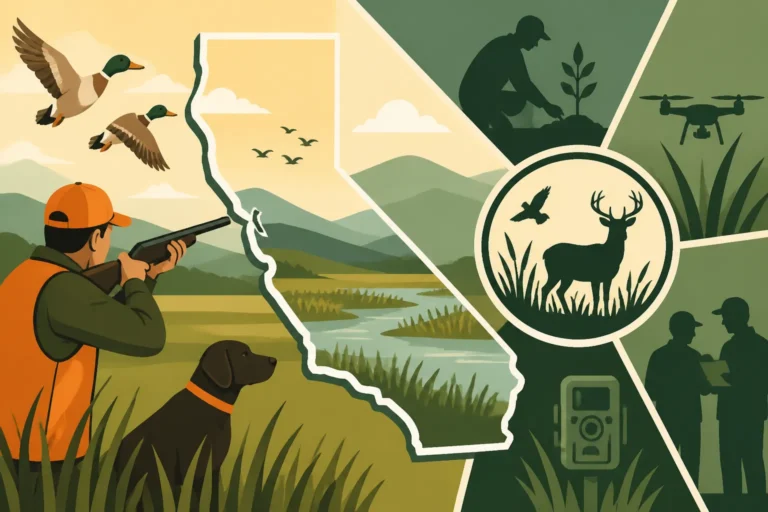
It’s easy to look at a California Wildlife Area on a map and see just a block of green or brown, an arbitrary boundary where hunting is permitted. But beneath those lines lies a world of dynamic, intentional management efforts designed to enhance and sustain wildlife populations. This guide will take you beyond the boundary lines, revealing the extensive habitat work that goes on in these crucial areas and how understanding these efforts can dramatically improve your hunting success.
The Foundation: What is Habitat Work on California Wildlife Areas?
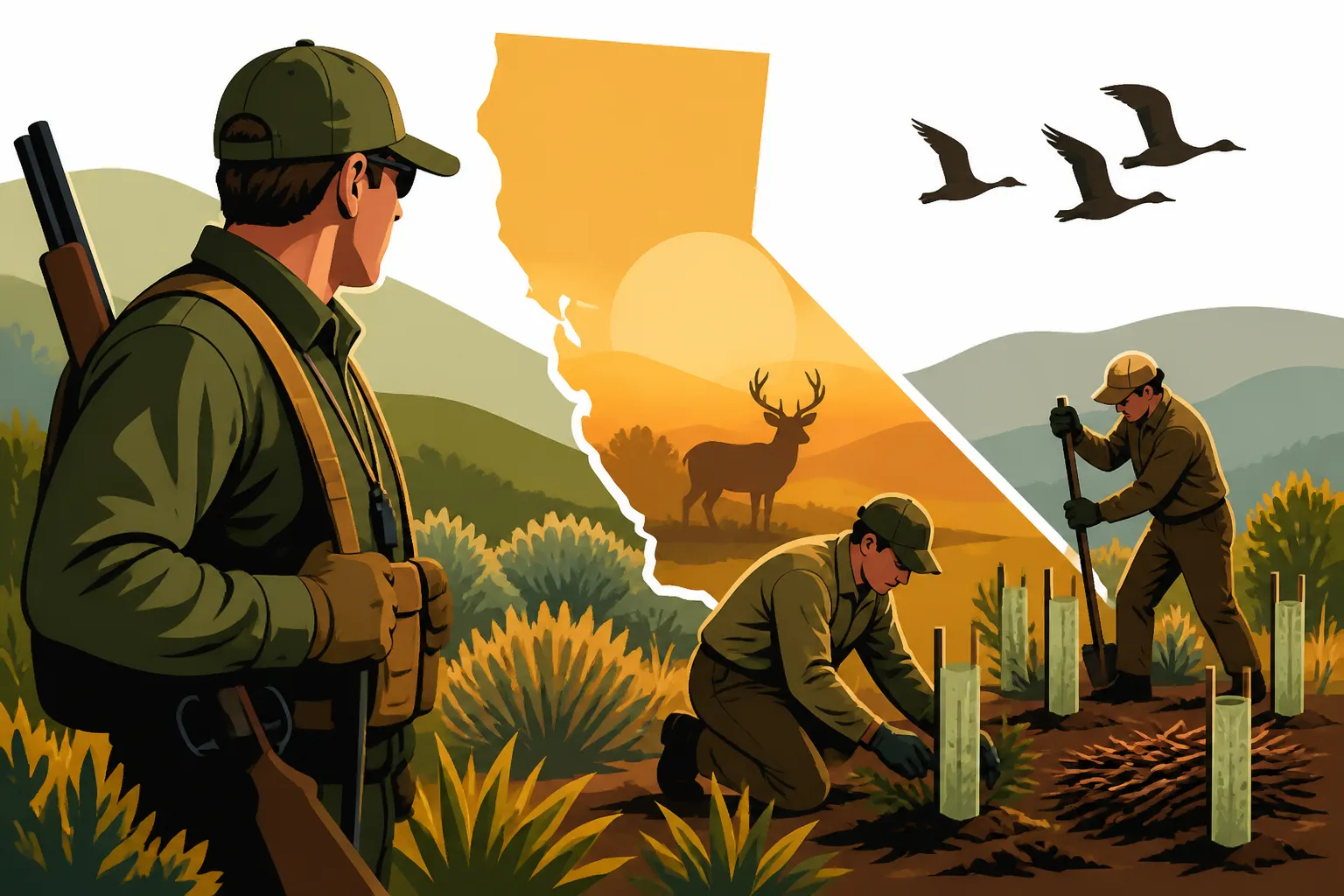
When we talk about habitat work on California Wildlife Areas, we're discussing a broad spectrum of activities undertaken by dedicated wildlife biologists, land managers, and often, passionate volunteers. These aren't just untouched wild spaces; they're actively managed ecosystems with specific goals in mind: increasing forage, providing cover, improving water sources, and fostering overall ecosystem health to support game species and other wildlife. It's a constant, often unseen, battle to maintain balance and productivity in the face of natural challenges and human pressures.
Prescribed Burns and Controlled Grazing: Managing Vegetation
One of the most powerful and often misunderstood tools in habitat management is fire, specifically prescribed burns. California's landscapes are historically fire-adapted, and controlling the timing and intensity of burns helps prevent catastrophic wildfires while simultaneously stimulating new growth of grasses and forbs that deer, elk, and many other species absolutely thrive on. Imagine walking through a dense, overgrown chaparral hillside, nearly impenetrable, offering little in the way of food. After a carefully managed burn, that same area can transform into a mosaic of open patches and recovering vegetation, providing both tender new shoots for grazing and the thicker pockets of cover that deer need for security. It's a massive undertaking, requiring careful planning and execution, but the benefits for game populations are undeniable.
Controlled grazing, often by cattle or sheep, serves a similar purpose in certain ecosystems. While it might seem counterintuitive to introduce livestock to a wildlife area, managed grazing can effectively reduce fuel loads, control invasive plant species, and encourage the growth of desirable native forage, much like a prescribed burn, but with a different set of tools and impacts. This isn't just letting animals roam; it's a strategic partnership where the grazers act as living lawnmowers, shaping the landscape in ways that benefit deer, wild pigs, and upland birds by opening up dense stands and promoting vigorous plant communities. Think of a dense perennial grassland where game struggle to find succulent browse; strategic grazing can open it up, creating trails, clearing space for native plants to re-establish, and improving visibility for wary animals.
Water Management and Food Plots: Enhancing Resources
Water is life, especially in California's often arid or seasonally dry landscapes. Wildlife areas often implement sophisticated water management strategies to ensure consistent availability for game. This can range from developing new guzzlers and maintaining existing ones in more remote, dry uplands, to constructing and managing wetlands in the Central Valley for migratory waterfowl. For deer and upland birds, a reliable water source can be the difference between survival and starvation, especially during long, hot summers. You might find a small, spring-fed seep deep in a canyon that's been reinforced to provide reliable water, or a series of seasonal ponds managed specifically for duck and goose use. These efforts create critical pockets of biodiversity and draw game animals, making them key areas to scout.
Food plots, while perhaps more common on private lands in other states, are also utilized in some California Wildlife Areas, albeit on a more limited or specific scale. These plots are strategically planted with crops like alfalfa, clover, or various grains to supplement natural forage, particularly during lean times of the year. For instance, a managed wildlife area might plant winter wheat to provide crucial energy for deer and elk when natural browse is scarce. These plots act as magnets, concentrating game and providing essential nutrition. Recognizing these efforts on a map, perhaps through an app like onX Hunt, can instantly tell you where game animals might be focusing their feeding efforts, especially as the season progresses and natural food sources diminish.
Native Plant Restoration and Invasive Species Control: Restoring Balance
Another significant aspect of habitat work involves actively restoring native plant communities and aggressively controlling invasive species. Invasive plants, like Arundo donax (giant reed) along riparian corridors or star thistle in grasslands, can choke out native vegetation, reducing biodiversity and offering little nutritional value or suitable cover for wildlife. Restoration efforts involve removing these invaders and then planting or reseeding with native species that historically supported local ecosystems. For instance, bringing back native oaks in an area where they've been suppressed by brush or restoring native grasses and wildflowers can dramatically improve a landscape's capacity to support quail, turkeys, and deer. California Quail Habitat Restoration Efforts are a great example of this.
This work often requires a long-term commitment. It's not a one-and-done project. Continuous monitoring and follow-up treatments are necessary to ensure the native plants thrive and the invasive species don't return. When you see a section of a wildlife area with noticeably healthier, more diverse plant life, chances are it's the result of diligent restoration work. This improved habitat translates directly into healthier, more abundant game animals, which in turn creates better hunting opportunities. Understanding these processes helps you appreciate the subtle cues in the landscape, guiding you towards areas where game will naturally concentrate due to superior forage and cover.
Why it Matters: The Critical Role of Habitat Work in Supporting Game Populations
Habitat work isn't just about making the landscape look nice; it's fundamental to the health, distribution, and abundance of game animals across California. Without these dedicated efforts, many of the public lands we rely on for hunting would simply not be able to support the robust populations we currently enjoy. It’s a direct investment in the future of our hunting heritage.
Boosting Deer and Elk Health: Forage and Cover Improvements
Deer and elk, being primarily browsers and grazers, are incredibly sensitive to the quality and quantity of available forage. Habitat work that promotes succulent, nutrient-rich plants directly impacts antler growth, fawn/calf survival rates, and overall herd health. When biologists conduct prescribed burns or implement controlled grazing, they're not just clearing brush; they're ensuring a flush of new growth that's packed with protein and energy. This allows animals to put on critical fat reserves before winter, or to recover quickly after the rut. Conversely, dense, old-growth chaparral or conifer forests often provide poor forage, limiting herd potential.
Beyond food, cover is paramount for survival. Habitat work also considers thermal cover (protection from heat and cold), escape cover (for evading predators), and fawning/calving cover. A mosaic of open feeding areas interspersed with dense pockets of brush or timber created through management provides the ideal balance. Hunters who understand this can identify transitional zones between different habitat types, which often serve as natural travel corridors for deer. Where California Blacktail Bucks Bed is often in these well-defined pockets of cover that are strategically located near good forage and water, often a direct result of thoughtful habitat management.
Supporting Migratory Birds: Wetlands and Riparian Zones
California's Central Valley is a vital stopover on the Pacific Flyway, supporting millions of migratory waterfowl. The existence of many of our premier duck and goose hunting opportunities is a direct consequence of intensive wetland management on state and federal wildlife areas. This includes managing water levels in marsh impoundments, growing specific forage crops like moist soil plants, and controlling invasive aquatic vegetation. Without these efforts, vast tracts of wetlands would dry up or become ecologically degraded, severely impacting bird populations.
Similarly, healthy riparian (streamside) zones are critical for a host of species, including turkeys, doves, and various small game. Habitat work in these areas often focuses on restoring native trees and shrubs that provide roosting sites, nesting cover, and food sources like acorns and berries. When you see a vibrant, multi-layered riparian corridor on a wildlife area, it's likely been meticulously managed to optimize conditions for these species. California Waterfowl on the Pacific Flyway wouldn't be nearly as robust without the consistent, diligent work performed on these key landscapes.
Creating Opportunities for Small Game and Predators: Diverse Ecosystems
It's not just big game and waterfowl that benefit. Habitat work fosters diverse ecosystems that support everything from California Valley Quail to coyotes and bobcats. Brush piles created from thinning projects provide cover for rabbits and quail. Opening up overgrown areas with prescribed fire creates seed-producing plants for dove and turkey. The removal of invasive species allows native grasses to flourish, benefiting ground-nesting birds.
This holistic approach means that by improving habitat for one species, many others often benefit. A vibrant, diverse ecosystem is inherently more resilient and capable of supporting a wider array of wildlife, which in turn provides more diverse hunting opportunities for us. When you're Coyote Calling California Ranch Land adjacent to or within a wildlife area, you're often benefiting from the increased prey base created by these habitat improvements.
A Hunter's Edge: How Understanding Habitat Work Can Improve Your Success
Knowing that habitat work is happening is one thing; using that knowledge to your advantage as a hunter is another. Smart hunters leverage this information to predict animal movements, identify high-potential areas, and ultimately increase their chances of success. It's about looking beyond the obvious and understanding the "why" behind what you see in the landscape.
Reading the Landscape: Identifying Active Habitat Work
The first step is learning to identify signs of active habitat work when you're scouting. Look for evidence of recent prescribed burns – charred ground with new green shoots emerging, or areas where undergrowth has been thinned. Note areas with new plantings, like rows of young oak trees or reseeded grasslands. Pay attention to water sources that appear maintained or artificial, such as guzzlers or managed wetland impoundments. If you see signs of invasive plant removal, know that the goal is to promote better forage, and game will likely respond positively over time.
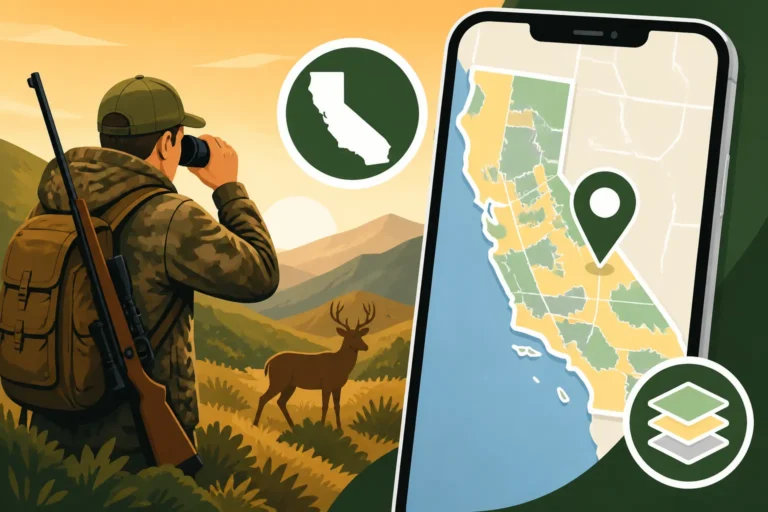
Mapping tools are invaluable here. Applications like onX Hunt often have different land ownership layers, clearly identifying California Wildlife Areas. But it's about going deeper than just the boundary. Look at satellite imagery over time – can you spot changes in vegetation patterns that might indicate past burns or logging? Identify areas where natural water sources would be scarce, suggesting the presence of guzzlers that attract game. This kind of detailed reconnaissance, whether on foot or through satellite imagery, reveals the hidden hotspots created by habitat managers. Scouting California Public Land Before Season becomes much more productive when you know what to look for in terms of habitat enhancements.
Using Technology to Your Advantage: Mapping and Planning
Modern hunting apps have transformed how we scout and plan, and they become even more powerful when combined with an understanding of habitat management. Platforms like onX Hunt allow you to layer public land boundaries, topo maps, and satellite imagery, helping you pinpoint areas that have likely seen habitat work. You might notice a distinct boundary on the satellite image where one side is dense and uniform, and the other is a mosaic of different stages of regrowth, indicating a past burn or logging operation. These edges are often prime locations for deer movement.
Furthermore, some advanced scouting platforms, such as GoHunt, might offer insights into wildlife populations or historical success rates within certain areas. While they might not explicitly detail every habitat project, the population trends they report are a direct reflection of habitat quality and management efforts. By cross-referencing this data with your visual scouting, you can form a comprehensive picture of where game is likely to be concentrated. Use these tools not just to find access, but to understand the habitat dynamics. Mark potential water sources, bedding areas, and feeding zones on your map, then look for how they connect, especially in relation to managed areas. Reading Aerial Photos for Sierra Deer can help you identify these changes from the comfort of your home.
Adjusting Your Strategy: Hunting the "Improved" Ground
Once you've identified areas impacted by habitat work, you need to adjust your hunting strategy accordingly. For example, a recently prescribed burn area might be excellent for early-season deer, as they flock to the tender new growth. As the season progresses, and that forage matures or gets browsed down, you might shift your focus to adjacent, denser cover where deer retreat for security, still utilizing the enhanced food source nearby. Hunting a Prescribed-Burn Unit for Deer requires understanding how deer use that new growth.
If you find a series of managed food plots, plan your hunts around dawn and dusk, setting up along the travel corridors leading into and out of those plots. For waterfowl, understanding wetland rotations – which impoundments are flooded when, and what forage is available – is critical. On managed riparian zones, turkeys might be more concentrated due to improved roosting and foraging options. By understanding the intent behind the habitat work, you can anticipate animal behavior and place yourself in the best possible position. Remember, game animals are always looking for food, water, and cover, and habitat work makes those resources more abundant and accessible. This table outlines some common habitat work and their typical benefits:
| Habitat Work Type | Primary Purpose | Key Game Species Benefitted | Hunter's Strategy Adjustment |
|---|---|---|---|
| Prescribed Burns | Reduce fuel loads, stimulate new growth | Deer, Elk, Quail, Turkey, Rabbits | Hunt edges of new growth, monitor post-burn activity for browse. |
| Controlled Grazing | Manage vegetation density, promote forage | Deer, Wild Pigs, Quail, Turkey | Look for opened-up areas, increased visibility, and new plant growth. |
| Guzzler Installation | Provide reliable water sources | Deer, Pigs, Quail, Doves | Focus on dry areas, morning/evening sits near guzzlers. |
| Wetland Management | Create/enhance aquatic habitats, grow forage | Ducks, Geese, Coots | Understand water cycles, focus on flooded food sources. |
| Food Plots | Supplement natural forage, concentrate game | Deer, Elk, Turkey, Wild Pigs | Hunt travel corridors to/from plots, especially at low light. |
| Native Plant Restoration | Restore biodiversity, improve forage/cover | Deer, Quail, Turkey, Small Game | Target areas with diverse native plants offering food/cover. |
| Invasive Species Control | Remove problematic plants, free up native areas | All species (indirectly by improving habitat) | Look for areas where native plants are thriving post-removal. |
| Timber Thinning | Improve forest health, create browse and cover | Deer, Elk, Bear | Hunt new openings, edges, and areas with increased understory growth. |
The Future of Habitat: Ongoing Challenges and How Hunters Can Contribute
Habitat work on California Wildlife Areas is an ongoing, dynamic process, not a static achievement. These areas face continuous challenges, from climate change altering precipitation patterns to increasing recreational pressure from a growing population. Sustaining these efforts requires constant vigilance, innovative strategies, and crucial support from the hunting community.
Funding, Volunteers, and Advocacy: Sustaining the Work
The reality is that habitat management, while incredibly effective, is also resource-intensive. It requires significant funding for equipment, personnel, and materials, as well as countless hours of labor. State agencies like the California Department of Fish and Wildlife (CDFW) rely on a combination of hunting license and tag sales, federal excise taxes on hunting and fishing equipment (through the Pittman-Robertson Act), and grant programs. Every dollar spent on a hunting license or tag directly contributes to these vital conservation efforts.
Beyond financial contributions, volunteers play an indispensable role. Many organizations, from local chapters of national groups like the National Wild Turkey Federation to smaller, local conservation clubs, regularly organize work parties on wildlife areas. These activities might involve planting trees, removing fences, building guzzlers, or clearing invasive species. Participating in these workdays isn't just about giving back; it’s an incredible opportunity to learn about habitat management firsthand, network with other passionate individuals, and gain intimate knowledge of the areas you hunt. Advocacy is also key: supporting legislation and policies that prioritize wildlife conservation and habitat funding helps ensure these programs continue to thrive.
Long-Term Impact and the Hunter's Role
Understanding habitat work gives us a deeper appreciation for the land we hunt and the animals we pursue. It transforms a simple patch of public ground into a living, managed ecosystem. As hunters, we are often the first to notice subtle changes in habitat quality or game populations because we spend so much time immersed in these environments. Our observations, reported responsibly to wildlife managers, can be invaluable data points.
Ultimately, the future of Public Hunting Land in California and the health of our game populations are inextricably linked to the ongoing commitment to habitat work. By being informed, contributing financially through license purchases, volunteering our time, and advocating for conservation, we ensure that these vital areas continue to provide incredible hunting opportunities for generations to come. It’s a partnership between nature, science, and the dedicated individuals who care deeply about California’s wild places.
Disclaimer
This article is for general informational purposes only and does not constitute professional advice. Laws, prices and regulations vary by location and change over time. Consult a qualified professional for guidance on your specific situation.