Mendocino County Public Hunting Ground
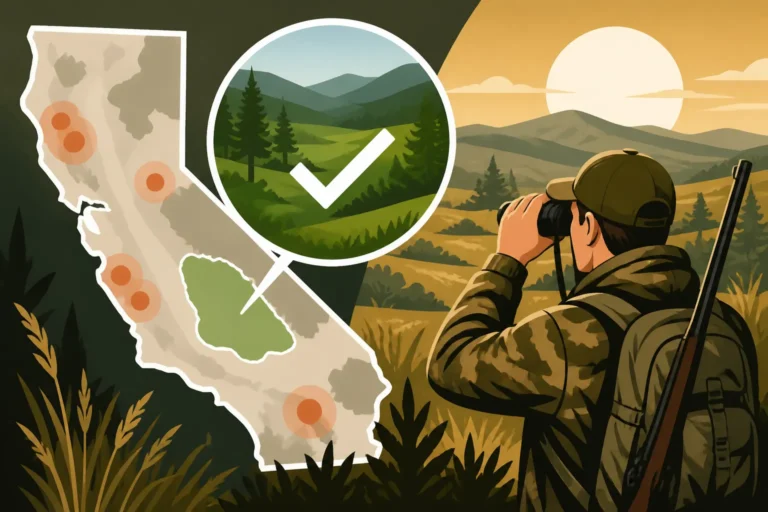
Mendocino County, with its stunning blend of rugged coastline, towering redwoods, and sprawling oak woodlands, holds a special allure for hunters. However, finding and successfully navigating its public hunting grounds can feel like deciphering an ancient map, often leaving new and seasoned hunters alike wondering where to even begin amidst the vast private timberlands and vineyards. This guide is designed to demystify Mendocino's public hunting opportunities, providing you with the essential knowledge, tools, and strategies to confidently pursue game in this beautiful, yet challenging, California county.
Navigating Mendocino's Diverse Public Lands
Hunting in Mendocino County often conjures images of dense forests and rolling hills, but knowing where those hills are publicly accessible is the first critical step. Unlike some other parts of California with vast, contiguous swaths of public land, Mendocino's offerings are more fragmented and require a bit more homework.
National Forests and State Parks
The crown jewel of public hunting in Mendocino County is undoubtedly the Mendocino National Forest. Spanning over a million acres, a significant portion of which lies within Mendocino County, this forest offers vast opportunities for big game and upland bird hunting.
The Mendocino National Forest presents a mosaic of habitats, from dense mixed-conifer stands in the higher elevations to extensive blue oak and black oak woodlands at lower altitudes. It's a land of steep canyons, brushy chaparral, and hidden springs. For deer hunters, especially those pursuing the elusive Columbia blacktail, these dense environments provide ample cover, making still-hunting or methodical tracking effective strategies. Access often means navigating a network of dirt roads, some well-maintained, others requiring high-clearance vehicles or even just foot traffic. Don't expect easy access to every corner; the deepest recesses of the forest often demand considerable physical effort to reach. However, that effort often translates into less pressured animals. You might find yourself hiking miles off the main roads, but that's precisely where the big bucks tend to hide. Familiarize yourself with the forest's regulations regarding vehicle access, dispersed camping, and fire restrictions, as these can vary by season and specific area.
When it comes to State Parks in California, it's a different story. Generally, hunting is not permitted within California State Parks. While some parks might be adjacent to huntable land, or rarely, special quota hunts might be offered in specific units, hunters should assume state parks are off-limits unless explicitly stated otherwise by the California Department of Fish and Wildlife (CDFW). Always double-check specific regulations for any area you plan to visit, as general rules sometimes have very rare exceptions.
BLM Lands and Wildlife Areas
Beyond the extensive National Forest, Mendocino County also hosts scattered parcels of Bureau of Land Management (BLM) land. These can be trickier to locate and often more disjointed than National Forest lands, but they can offer excellent, less-pressured hunting if you're willing to do the legwork.
BLM lands in Mendocino tend to be at lower to mid-elevations, often characterized by oak woodlands, grassy hills, and dense chaparral. These areas can be fantastic for wild pigs, turkeys, and blacktail deer, especially those bucks pushed out of private timberlands. The key challenge with BLM land is identification and access. These parcels are often "checkerboarded" with private property, meaning public and private ownership alternates in a seemingly random pattern. This is where modern mapping applications become indispensable. Without them, you risk inadvertently trespassing. Some BLM lands may have designated access points, while others might require hiking in from a county road or an adjacent piece of public ground. Always be vigilant about posted private property signs and give landowners wide berth.
Mendocino County also contains various CDFW Wildlife Areas and Ecological Reserves, though the primary focus for big game hunting often falls on the National Forest and larger BLM tracts. Wildlife Areas are managed primarily for wildlife habitat and public access, including hunting, but usually under very specific regulations. For example, some may have special seasons, bag limits, or require reservations. Ecological Reserves, on the other hand, are typically established for the protection of sensitive species and habitats, and hunting is often prohibited or extremely restricted. Before planning a hunt on any CDFW-managed land, always consult the specific area's regulations on the CDFW website or in the current hunting regulations booklet. Don't assume all "public" land means "public hunting" without checking the rules for that specific designation.
Challenges and Opportunities for the Public Land Hunter
Hunting Mendocino's public lands presents a unique blend of frustrations and rewards. The main challenge often boils down to access. So much of the county is privately owned timberland, vineyards, or ranch properties, creating a patchwork that can be daunting to navigate. Posted signs, locked gates, and winding private roads can make getting to that promising piece of public ground feel like an impossible task. This can lead to significant pressure on the more easily accessible public parcels, making truly undisturbed hunting harder to find. Rugged terrain, steep canyons, and dense brush also contribute to the difficulty, demanding physical fitness and a willingness to push through tough country.
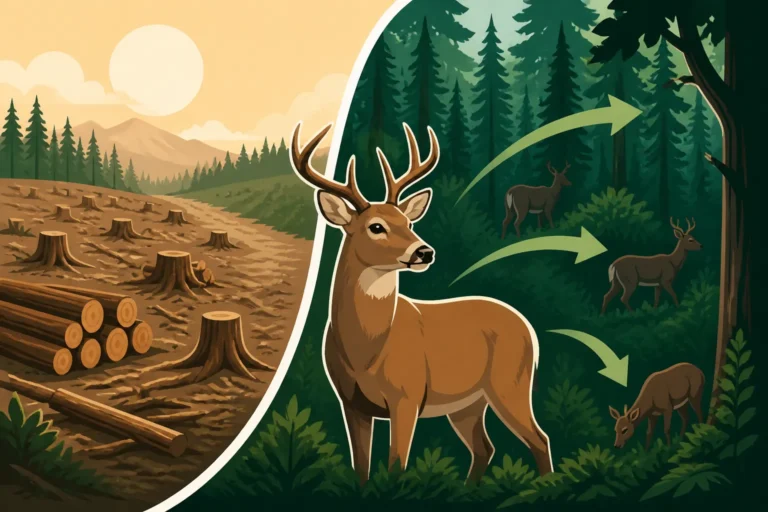
However, these challenges also create incredible opportunities. The sheer ruggedness and difficulty of access mean that if you're willing to put in the effort, you can find less pressured animals. The diverse habitats support a healthy population of blacktail deer, wild pigs, turkeys, and even black bears, offering a variety of hunting experiences. For instance, the transition zones between oak woodlands and denser timber, or areas with recent logging activity (if publicly accessible and legal to hunt), can be prime locations for deer feeding and bedding. The Mendocino National Forest, in particular, offers vast wilderness areas where true backcountry hunting is possible, providing a remote experience often sought by avid outdoorsmen. This isn't a place for casual road hunting; it's a place where dedicated effort often yields significant rewards.
Key Game Species and Their Habitat on Public Ground
Mendocino County is a haven for several sought-after game species, each with preferred habitats and behaviors that inform effective hunting strategies on public land.
Blacktail Deer: The Mendocino Staple
Columbia blacktail deer are the most common big game species in Mendocino County, and they are notoriously elusive. Unlike their mule deer cousins of the open country, blacktails are masters of thick cover. On Mendocino's public lands, you'll find them inhabiting the dense mixed-conifer forests of the Mendocino National Forest, the oak woodlands of the foothills, and the almost impenetrable chaparral thickets that define much of the coastal range. Hunting Coastal Range Oak Woodlands can be particularly challenging but rewarding.
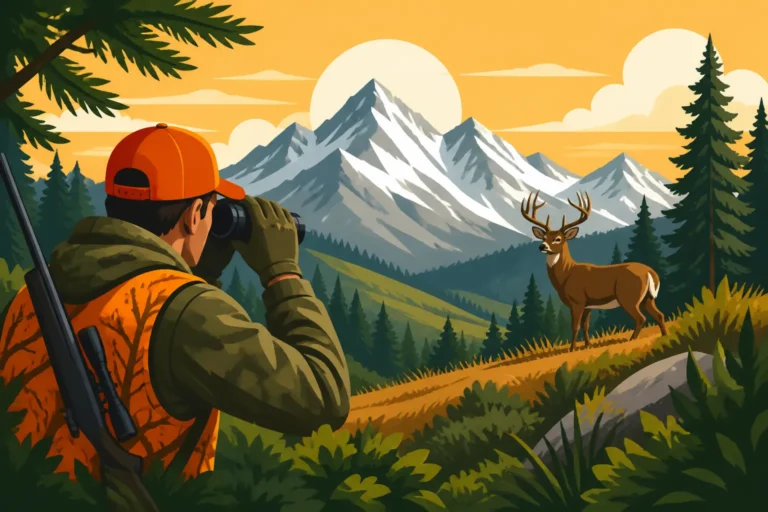
During the archery season, which often falls in the warmer months, blacktails will key in on shaded north-facing slopes, dense riparian corridors near perennial water sources, and areas with lush browse. Later in the general rifle season, as acorns drop, deer will heavily utilize oak woodlands. Recent clear-cuts or burn scars, when they occur on public land, can also be magnets for deer as new browse grows in, but these areas often require substantial glassing effort to locate animals. Still-hunting, moving slowly and deliberately through the timber, pausing often to scan for movement or listen for tell-tale sounds, is a time-honored tactic for these wary deer. Another effective approach is to find high vantage points overlooking canyons or expansive brush fields and glass patiently, especially at dawn and dusk. Understanding Where California Blacktail Bucks Bed is crucial, often in thick, secluded spots on benches or ridge lines offering good escape routes.
Wild Pigs and Turkeys: Year-Round and Spring Opportunities
Wild pigs are abundant in Mendocino County, particularly in areas with good oak production and water. Public lands within the Mendocino National Forest and some of the lower elevation BLM parcels offer opportunities for pig hunting. They thrive in the oak woodlands, rooting for acorns, grubs, and tubers, and can often be found near creek bottoms or shaded wallows during warmer periods. Hunting Pigs on Central Coast Oak Ranges requires patience and often an early start, as pigs are most active during cooler parts of the day. They move in groups, called sounders, and can be quite destructive to their habitat. Unlike deer, which have specific seasons, wild pigs can be hunted year-round in California, provided you have the proper tag. This offers a fantastic opportunity to extend your hunting season.
Introduced wild turkeys have also flourished across Mendocino's public lands, particularly in the oak-studded canyons and riparian areas of the Mendocino National Forest and adjacent BLM grounds. Spring turkey hunting is a popular pursuit, with gobblers sounding off from their roosts in the mornings. Locating roost trees, often large oaks or sycamores near water, is key to an effective setup. Calling tactics, from soft yelps to aggressive gobbling, can draw in wary birds. Calling a Gobbler in Oak Woodland demands good camouflage and patience, as turkeys have incredible eyesight. Fall turkey hunting, which is archery-only in some periods, offers another chance to pursue these challenging birds. Look for areas with a good mast crop (acorns, berries) in the fall, as turkeys will congregate there to feed.
Black Bear: A Less Pressured Option
Mendocino County is home to a healthy population of black bears, offering a unique big game hunting experience. While not as numerous as deer, bears can be found throughout the Mendocino National Forest, particularly in the denser timbered areas, brushy canyons, and higher elevations where food sources like berries and acorns are plentiful. Spot-and-Stalk California Bear Hunting Before the Quota Closes is the primary method, focusing on finding areas where bears are actively feeding. This often means scouring berry patches in late summer/early fall or oak flats during the acorn drop.
Bear hunting in California has a statewide quota, meaning the season can close early if the quota is met. Hunters must diligently check the CDFW website for quota updates. This makes early season planning and scouting crucial. Bear hunting requires careful attention to signs like scat, claw marks on trees, and disturbed ground where they've been foraging. Patience and keen observation are vital, as bears are often shy and can blend seamlessly into their environment. A good pair of binoculars and a spotting scope are indispensable for glassing large areas of potential bear habitat.
Essential Tools and Tactics for Mendocino Public Land
Success on Mendocino's public lands isn't just about knowing where to go; it's also about having the right tools and employing smart tactics to overcome the inherent challenges.
Mapping and Scouting: Your Digital Advantage
In a county with such a fragmented public/private land ownership mosaic, digital mapping applications are no longer a luxury—they're an absolute necessity. Tools like onX Hunt or GoHunt provide satellite imagery overlaid with property lines, roads (including gated ones), and topographical maps. This allows you to identify public land parcels, plan your routes, find potential bedding areas, water sources, and escape cover, all before you even set foot in the field. You can mark waypoints for promising sign, parking spots, or difficult terrain features.
Before your hunt, spend hours digitally scouting. Look for fingers of public land extending into private property, isolated public sections that are harder to reach, or natural funnels and saddles between ridges. Identify potential entry and exit points, paying close attention to any posted private lands that might block access. Then, take these digital plans into the field for actual scouting. Scouting California Public Land Before Season is invaluable. Walk the roads, hike into promising areas, look for fresh tracks, scat, rubs, and bedding areas. Pay attention to game trails, especially those that follow drainages or ridge lines. Remember, a map on your phone or GPS is great, but nothing replaces boots on the ground to confirm what you see on a screen. Always download offline maps, as cell service is often nonexistent in much of Mendocino's backcountry.
Physical Preparedness and Gear
Mendocino's terrain can be unforgiving. Whether you're climbing a steep canyon in the Mendocino National Forest or pushing through dense chaparral on a BLM parcel, physical fitness is paramount. You'll likely be hiking miles, often with significant elevation changes, and potentially packing out game over rough ground. Strong, comfortable hiking boots with good ankle support are essential. Consider waterproof options for early morning dew or unexpected rain. Layered clothing is also key, as temperatures can fluctuate wildly between a cold, foggy morning near the coast and a hot, sunny afternoon in the interior oak woodlands. Start light and add layers as needed.
California's non-lead ammunition requirement is statewide, so ensuring your rifle is sighted in with approved non-lead projectiles is critical. Choosing Non-Lead Rifle Ammunition in California means selecting bullets made of copper, bismuth, or other approved materials. Practice with your hunting load before the season to understand its ballistics, as it can differ from traditional lead ammunition. Carrying plenty of water, a first-aid kit, a headlamp, fire-starting materials, and a reliable navigation device (GPS or map/compass, in addition to your phone app) are non-negotiable for safety in Mendocino's rugged and often remote public lands. A quality hunting pack designed to carry extra gear and, hopefully, meat, will also make a huge difference.
Access and Ethical Considerations
Gaining access to public land in Mendocino County often means navigating through or adjacent to private property. Always be respectful of landowners. Ensure you know exactly where public land begins and private land ends, and never trespass. Even if a gate is open, it might still lead to private property. Look for signs, consult your mapping app, and when in doubt, find an alternative route. Parking can be an issue, especially along county roads or at designated forest access points. Park responsibly, ensuring you're not blocking private drives or access roads, and don't leave valuables visible in your vehicle.
Ethical hunting goes beyond legal compliance. It means practicing responsible land stewardship. Pack out all your trash, including spent shell casings. If you're camping, follow all fire regulations and leave no trace. Be mindful of other public land users, whether they are hikers, mountain bikers, or other hunters. Maintaining a good relationship with both private landowners and other public land users helps ensure continued access for everyone. Be particularly aware of California Firearms Discharge Setback Rules which mandate specific distances from roads, dwellings, and other structures where you cannot legally discharge a firearm.
Planning Your Mendocino Hunting Adventure
A successful hunt in Mendocino County is rarely an impromptu affair. It requires careful planning, from understanding regulations to preparing for the unexpected.
Season Dates and Tag Requirements
Mendocino County generally falls into California's Zone A for deer hunting, though some eastern portions might touch D zones. Zone A is typically an early season, with archery opening in July and general rifle season starting in August. This means hunting often occurs in hot weather, which brings its own set of challenges, particularly for game care. Knowing California Zone A General Season Dates is crucial for planning. Wild pig tags are available year-round and can be purchased over the counter, offering excellent flexibility. Bear tags are also over-the-counter but are subject to the statewide quota, as mentioned earlier. Turkey seasons include both a spring gobbler season and a fall archery-only season. Always consult the current CDFW hunting regulations booklet for precise dates, bag limits, and specific rules for the zone or area you plan to hunt. California Hunting Licenses and What They Cost will vary based on your residency and the specific tags you're after.
It's also important to remember that California has a non-lead ammunition requirement statewide for all hunting with firearms, so ensure your chosen caliber and bullet type comply. Don't wait until the last minute to source your ammunition.
Considerations for Different Seasons
The timing of your Mendocino hunt significantly impacts conditions and strategies. Early season deer hunting in August, for instance, means contending with heat, dry conditions, and often dense, crunchy underbrush. This makes silent movement difficult and highlights the importance of hunting near water sources or dense cover. As the season progresses into late September and October, temperatures usually cool, and the landscape might green up a bit after early rains, potentially improving hunting conditions and animal movement. However, this is also when acorns begin to drop, shifting deer and pig patterns.
Archery season, often starting in July for deer and August for bear, demands extreme stealth and close-quarter engagement. The dense vegetation of Mendocino's terrain can be an advantage here, providing cover for stalkers, but it also limits visibility. Early season heat also means extreme care must be taken with game meat. Understanding Hot-Weather Sitting Strategy in August for deer is vital for success and meat preservation. During spring turkey season, early mornings are prime for calling gobblers off the roost, but mid-day can be slow, requiring patience and adaptability. The diverse weather patterns of Mendocino, from coastal fog to inland heat and eventual winter rains, mean you need to be prepared for anything. Pay attention to Wind and Thermals in Steep Sierra Country, as these principles apply just as much to Mendocino's coastal and inland canyons.
Lodging and Logistics
For hunters utilizing the Mendocino National Forest, dispersed camping is often allowed outside of developed campgrounds, offering a true backcountry experience. Always follow Leave No Trace principles, pack out all your trash, and be aware of any fire restrictions, especially during dry summer months. Small towns surrounding the Mendocino National Forest, such as Willits, Laytonville, or Covelo, can serve as supply points, offering fuel, groceries, and sometimes limited lodging. However, if you plan to hunt deep in the backcountry, you'll need to be entirely self-sufficient.
Table: Mendocino Public Land Hunting Opportunities
| Public Land Type | Primary Game Species | Typical Habitat | Access Notes | Key Challenges |
|---|---|---|---|---|
| Mendocino National Forest | Blacktail Deer, Wild Pig, Turkey, Bear | Mixed Conifer, Oak Woodland, Chaparral | Extensive forest road network; some gated/foot-access only | Rugged terrain, vastness, variable road conditions |
| BLM Lands | Blacktail Deer, Wild Pig, Turkey | Oak Woodland, Grassy Hills, Chaparral | Scattered parcels, often "checkerboarded" with private | Identifying boundaries, limited parking, fragmented access |
| CDFW Wildlife Areas | Waterfowl, Upland Birds, some Deer/Pig (check specific rules) | Wetland, Riparian, Oak Woodland | Highly regulated; specific seasons, permits, and rules | Strict regulations, often crowded, limited big game |
When planning, consider the nearest processing facilities, especially during warmer seasons. Field dressing quickly and getting meat cooled is essential. Having a good set of game bags and a cooler with plenty of ice is critical if you're successful. This will ensure your hard-earned venison, pork, or bear meat is preserved properly. Hunting in Public Hunting Land in California and specifically Hunting Northern California's Coast Range can be immensely rewarding if you put in the time and effort. Mendocino County offers a genuine hunting adventure for those willing to embrace its wild, rugged beauty.
Disclaimer
This article is for general informational purposes only and does not constitute professional advice. Laws, prices and regulations vary by location and change over time. Consult a qualified professional for guidance on your specific situation.