Non-Lead Sabot Choices for In-Line Muzzleloaders
Navigating California's hunting regulations can feel like trying to hit a moving target sometimes, and for those of us who cherish the tradition and challenge of muzzleloader hunting, the non-lead ammunition mandate has definitely added a layer of complexity. If you've found yourself staring at your in-line muzzleloader, wondering which saboted, non-lead projectile will actually fly true and ethically harvest game, you're not alone. This guide is here to cut through the confusion and help you confidently choose and effectively use non-lead sabot options for your California muzzleloader hunts.
The California Non-Lead Mandate and Muzzleloaders: A Necessary Adaptation
California's statewide non-lead ammunition requirement, fully implemented, means that every single projectile used for taking any wildlife must be certified non-lead. For rifle and shotgun hunters, this primarily shifted ammunition choices. But for muzzleloader enthusiasts, it meant a more fundamental change, often moving away from traditional lead conical bullets or patched round balls that have been standard for centuries. This isn't just about switching brands; it's about understanding new ballistics, seating procedures, and performance characteristics.
Understanding California's Non-Lead Requirements for Muzzleloaders
The essence of the law is simple: no lead in your projectile. For muzzleloaders, this means that those classic, heavy lead conicals or the historically accurate round balls that many of us grew up with are no longer an option when hunting. Instead, you're looking for projectiles made of solid copper, copper alloys, or other approved materials. The key is that they must contain absolutely no lead.
This requirement extends to all hunting in California, regardless of the area or species, which is a common point of confusion. There aren't special exemptions for primitive weapons or specific hunting zones; if you're pulling the trigger on game, that projectile needs to be lead-free. The goal, of course, is to protect scavenging wildlife, like the California condor, from secondary lead poisoning. While the intent is clear and important, the practical application for muzzleloader hunters means a steeper learning curve and a more limited selection of available projectiles compared to centerfire options. Hunters must ensure their choice is on the California Department of Fish and Wildlife (CDFW) certified non-lead list, though most reputable manufacturers producing copper sabots will already comply. Don't just assume; always verify.
The Challenge of Adapting Traditional Muzzleloader Setups
For many, muzzleloading is about tradition. The smell of black powder, the ritual of loading each shot, and the distinct report. Shifting to non-lead sabots, especially from traditional full-bore lead projectiles, introduces several challenges. Firstly, copper or copper-alloy projectiles behave differently than lead. They are typically lighter for their size, which can affect ballistic coefficients and downrange energy. This means your rifle's twist rate – how quickly the rifling spins the bullet – becomes even more critical. A slower twist rate designed for heavy lead may not stabilize a lighter, longer copper sabot as effectively.
Secondly, the sabots themselves, usually made of a polymer, create a seal in the bore to allow a smaller diameter bullet to be shot through a larger bore (e.g., a .45 caliber bullet in a .50 caliber barrel). The interaction between the sabot, the bullet, and the bore can vary significantly between brands and even between different batches. Some combinations might be a breeze to load, while others require considerable force. This variation can impact consistency and, ultimately, accuracy, which is paramount for ethical hunting. Hunters often find themselves experimenting with different powder charges, bullet types, and even cleaning regimens to achieve acceptable accuracy, a process that can be time-consuming and sometimes frustrating. Remember, this isn't just about finding a non-lead sabot; it's about finding the right non-lead sabot for your specific muzzleloader.
Exploring Non-Lead Sabot Options for In-Line Muzzleloaders
When you walk into a sporting goods store or browse online, you'll quickly notice that the non-lead sabot market for in-line muzzleloaders is dominated by solid copper or copper alloy projectiles. These are designed to expand reliably while retaining most of their weight, leading to good penetration and wound channels. However, there are nuances in design and material that can influence their performance in your specific firearm.
Full Copper Projectiles with Polymer Sabots
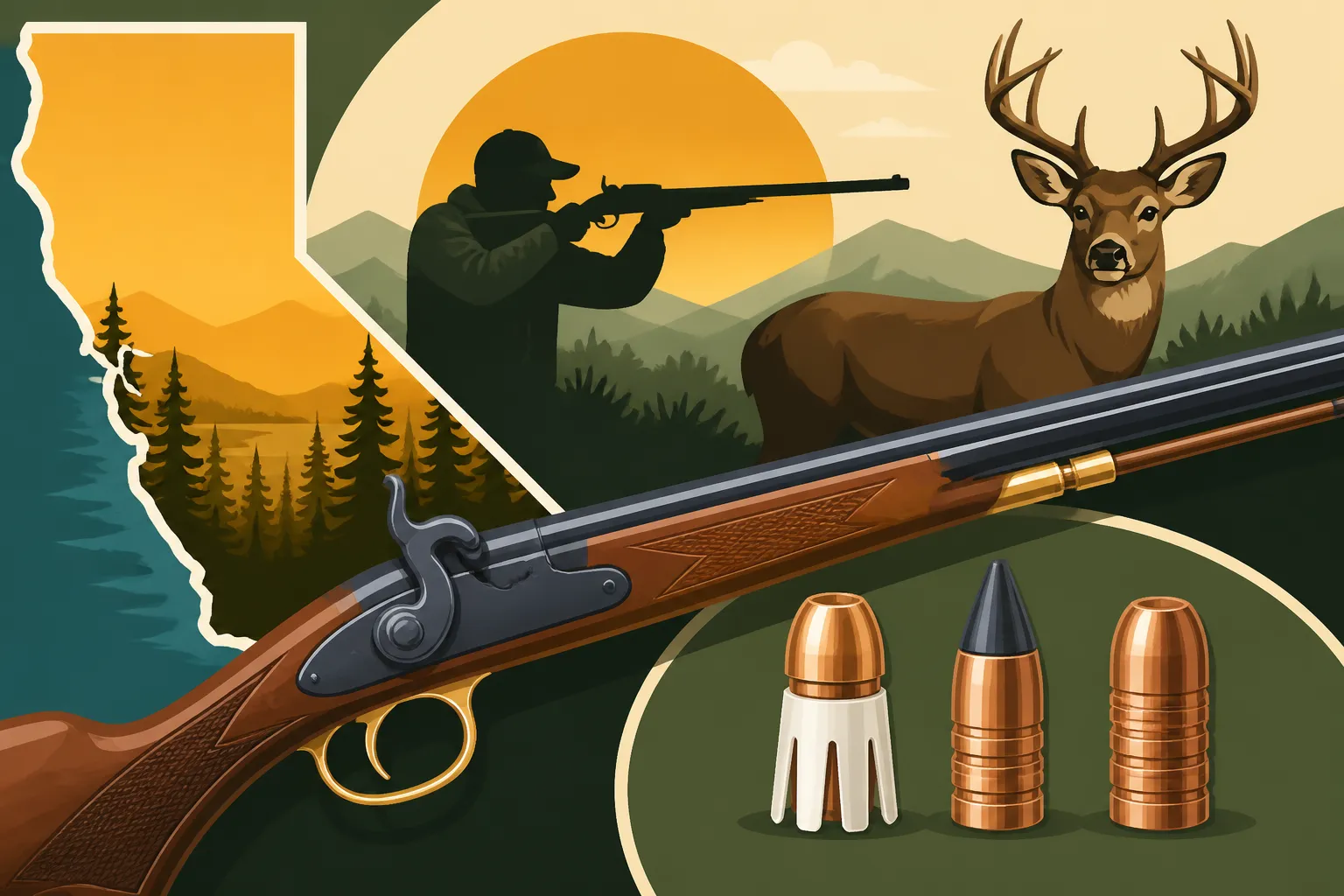
This category represents the most common and effective non-lead choice for in-line muzzleloaders. These projectiles typically feature a solid copper or copper alloy bullet encased in a plastic sabot. The sabot engages the rifling, imparting spin to the projectile, which then sheds the sabot shortly after leaving the barrel. Brands like Hornady, Barnes, and Federal Premium are leaders in this space, offering proven designs.
- Hornady BoreDriver FTX: These often feature a flexible tip that aids in expansion, similar to their centerfire FTX line. The design aims for excellent ballistic coefficients, meaning they retain energy well downrange, which can be a real advantage when Glassing a Canyon for a Bedded Buck across a wide open basin in the Eastern Sierra. They are generally known for good accuracy and reliable expansion. The polymer sabot is designed for easy loading and a consistent seal.
- Barnes Spit-Fire TMZ/TEZ: Barnes is renowned for its all-copper bullet technology, and their muzzleloader offerings are no different. The TMZ (Tipped Muzzleloader) and TEZ (Tipped Expander) lines are solid copper, featuring a polymer tip that initiates expansion. They are famous for their deep penetration and near 100% weight retention, making them fantastic choices for larger game animals like elk or even big California black bears during the Spot-and-Stalk California Bear Hunting Before the Quota Closes season. Many hunters report excellent accuracy with Barnes bullets, though they can sometimes require a bit more seating force due to their robust construction.
- Federal Premium Trophy Copper: Federal's entry into the non-lead sabot market often mirrors the performance and design philosophies of other top-tier copper bullets. They are designed for reliable expansion and deep penetration, aiming to deliver consistent performance on deer and other big game. These can be a solid choice for Bowhunting California's Zone A Season when using a muzzleloader during the general season or other rifle hunts.
When considering these options, think about your specific hunting conditions. Are you hunting smaller blacktail deer in thick coastal timber where shots are close, or are you chasing bigger mule deer in open country where longer shots might be necessary? Each projectile, while similar, might have subtle differences in how it performs at various velocities and ranges. I've found that looking at user reviews on hunting forums, or even dedicated platforms like GoHunt that share information on gear performance, can give you a lot of practical insight into how different bullets perform in various muzzleloaders.
Alternative Non-Lead Materials and Designs
While solid copper sabots dominate, there are occasionally other non-lead alternatives, though they are less common in the sabot format. Some projectiles might incorporate tin or other alloys. The challenge with these alternative materials can sometimes be consistent expansion, especially at the lower velocities typically achieved by muzzleloaders. Lead is naturally soft and deforms easily; harder alloys require specific designs to ensure they "open up" properly upon impact with game.
Another less common, but important, consideration is the use of full-bore non-lead conicals. While not "sabot" bullets, some muzzleloaders (especially traditional types or those with specific twist rates) might perform better with these. However, finding non-lead full-bore conicals can be even more challenging than sabots, as most manufacturers have focused their non-lead efforts on the sabot design to fit the more popular in-line muzzleloaders. Always verify the projectile's composition and legality for California before purchasing. It's a journey, not a sprint, to find the perfect non-lead solution for your setup.
| Projectile Type | Material | Key Features | Pros | Cons |
|---|---|---|---|---|
| Hornady BoreDriver FTX | Copper/Polymer | Flex Tip, Aerodynamic, Good BC | Excellent accuracy, reliable expansion | Can be slightly harder to seat than some |
| Barnes Spit-Fire TMZ/TEZ | Solid Copper | Polymer Tip, Deep Penetration, High Weight Retention | Superior penetration, consistent expansion | Higher cost, can require more seating force |
| Federal Premium Trophy Copper | Copper/Polymer | Designed for reliable expansion and penetration | Good all-around performance, widely available | May not be as "match-grade" accurate as others |
Testing and Tuning Your Non-Lead Muzzleloader Setup
Choosing a non-lead sabot is only half the battle. The other, equally critical half, is rigorously testing and tuning your chosen projectile with your specific muzzleloader. Unlike centerfire rifles where you can often buy a box of ammo and expect decent results, muzzleloaders are finicky. Variables like powder type, charge weight, primer, bullet seating pressure, and even the cleanliness of the bore between shots can drastically affect accuracy. This isn't just a recommendation; it's a necessity for ethical hunting and ensuring your bullet performs as expected when that California blacktail buck finally steps out.
Powder, Primer, and Bullet Seating Considerations
Your powder choice is foundational. Black powder substitutes like Hodgdon Triple Seven or IMR White Hots are common in California due to ease of cleaning and consistent performance. However, each powder reacts differently with various sabot and bullet combinations. You'll need to experiment with different charge weights, typically within the manufacturer's recommended range for your muzzleloader. Start low and work your way up in small increments (e.g., 5-grain volumetric measures), carefully watching for signs of pressure and, most importantly, noting accuracy.
Primers also play a role. Most in-line muzzleloaders use 209 shotgun primers. While many hunters assume all 209s are the same, there can be subtle differences in ignition force between brands. A "hotter" primer might ignite a stubborn powder charge more consistently, leading to better groups.
Bullet seating is arguably the most critical variable after powder charge. Consistent seating pressure is paramount. Many experienced muzzleloader hunters use a marking on their ramrod to ensure the bullet is seated to the exact same depth every time. A bullet seated too lightly can result in poor ignition or even "walking out" under recoil, while one seated too firmly might deform the sabot or bullet, impacting accuracy. Practice seating your chosen sabot until it feels consistent. A light coating of bore butter or similar lubricant on the sabot can sometimes help with easier, more consistent seating.
Range Testing and Fine-Tuning for Accuracy
Range time is non-negotiable. Don't wait until the week before California Zone A Archery Opening Day (if you're using a muzzleloader during the general season) to sight in. You'll need multiple trips and plenty of patience.
- Start Clean: Always start with a thoroughly clean barrel. Fire a "fouling shot" or two to condition the bore, as your point of impact might shift slightly from a perfectly clean bore to a slightly fouled one. Your hunting shot will likely be from a fouled bore.
- Establish a Baseline: Pick a consistent powder charge, primer, and seating method. Shoot several groups at 50 yards to get on paper and then move back to 100 yards. Pay attention to group size, not just point of impact. You're looking for consistency.
- Vary Components Systematically: If your groups aren't tight, change one variable at a time. Try a different powder charge, then a different primer brand, then adjust seating pressure. Don't change everything at once, or you'll never know what made the difference. GoHunt resources often feature articles and forums where muzzleloader hunters share their load data and accuracy tips, which can be invaluable starting points.
- Practice Field Positions: Once you have an accurate load, practice shooting from hunting positions – off a bipod, shooting sticks, or even prone, especially if you plan on Hunting a California BLM Desert Wash for Deer. Simulating real hunting scenarios will build confidence.
- Understand Your Max Ethical Range: Non-lead projectiles, particularly in muzzleloaders, have different ballistic curves than high-velocity centerfire rounds. Know your maximum ethical range – the distance at which you can consistently place shots within a vital area and where the bullet retains enough energy for reliable expansion. For many muzzleloaders, this is often within 150-200 yards, but it varies wildly by setup. Don't push it beyond what you and your rifle are truly capable of.
Practical Tips for Hunting with Non-Lead Muzzleloader Sabots in California
Taking your non-lead sabot setup from the range to the field requires a few extra considerations to ensure success and ethical harvesting. The conditions you practice in at the range are rarely the conditions you find yourself in during a hunt, especially in the varied and often rugged terrain California offers, from the dry Hunting Coastal Range Oak Woodlands to the colder, higher elevations of Hunting California's Sierra Nevada High Country.
Field Care and Loading in Hunting Conditions
One of the biggest challenges with muzzleloaders in the field is protecting your powder and primers from moisture. Modern granular powders are more resilient than traditional black powder, but still, a damp powder charge or primer can lead to a misfire or hangfire. Many hunters carry pre-measured powder charges in sealed vials or speedloaders. This not only protects the powder but also allows for quicker, quieter reloading if a follow-up shot is needed.
For your primers, consider using a small, waterproof container. During the hunt, it's a good idea to keep your loaded muzzleloader pointed in a safe direction and ensure the primer is seated firmly. If hunting in wet conditions, a piece of electrical tape over the muzzle and breech can add an extra layer of protection, just remember to remove it quietly before taking a shot! Practice reloading your muzzleloader in different positions – kneeling, sitting, or even from a ground blind – so you're not fumbling when a buck steps out suddenly. A quick, smooth reload can be the difference between filling your tag and watching your opportunity walk away.
Ethical Considerations and Shot Placement
With any hunting weapon, ethical shot placement is paramount. With non-lead projectiles in muzzleloaders, this becomes even more critical due to the sometimes lower velocities and different expansion characteristics compared to high-velocity centerfire rounds. Copper bullets generally require a higher impact velocity to expand optimally. While they retain weight incredibly well and penetrate deeply, if the velocity is too low, they might punch a neat, small hole through the animal without causing enough tissue damage for a quick, humane kill.
Therefore, understand the terminal ballistics of your chosen sabot. Research how it's designed to perform at various impact speeds. This understanding should inform your maximum ethical shooting distance. Aim for the vitals, specifically the heart-lung area. Avoid shoulder shots unless you are absolutely confident in your bullet's ability to break heavy bone and still penetrate adequately. If you're hunting in dense cover, such as Hunting a Funnel Between Two Oak Ridges, be mindful of any brush that could deflect your slower-moving projectile. Practice shooting at realistic distances, know your limitations, and always strive for the cleanest, most humane kill possible. This responsible approach ensures you're honoring the game and the tradition of muzzleloader hunting in California. Before any hunt, I always use my GoHunt mapping tools to review the terrain and plan potential shot angles, which helps me visualize ethical shot placement in that specific environment.
Disclaimer
This article is for general informational purposes only and does not constitute professional advice. Laws, prices and regulations vary by location and change over time. Consult a qualified professional for guidance on your specific situation.