Best Boots for Dry Desert Wash Hunting
Hunting in California's vast, sun-baked desert washes presents a unique set of challenges that can make or break your trip, and nothing can derail a hunt faster than miserable feet. Whether you're chasing elusive mule deer through the scrub or calling coyotes across endless mesas, choosing the right footwear for this unforgiving, abrasive environment is absolutely critical to your comfort, performance, and overall success. This guide will walk you through exactly what to look for in the best boots for dry desert wash hunting, helping you keep your feet happy and focused on the hunt.
Understanding the Unique Demands of California's Desert Washes
Hunting dry desert washes in places like the Mojave Desert, the Carrizo Plain, or even the fringes of the Eastern Sierra isn't just about heat; it's a full-body experience that punishes gear, especially your boots. The terrain is relentlessly unforgiving, and the conditions are extreme, often swinging wildly from scorching midday sun to chilly desert nights. Ignoring these specific factors when selecting your footwear is a recipe for blisters, discomfort, and a prematurely ended hunt.
Heat and Breathability: Your Feet's Worst Enemies
The most immediate challenge in a dry desert wash is the heat. Temperatures can soar, especially during early season hunts or when the sun beats down relentlessly on open terrain. This isn't just about surface heat; the ground itself can radiate warmth, baking your feet from below. Many traditional hunting boots, designed for colder climates or more temperate forests, simply don't offer the necessary ventilation.
Imagine you're deep in a wash near Barstow, glassing for a desert mule deer as the sun climbs, your pack heavy on your back. If your boots aren't breathing, your feet will quickly become a sweaty mess. This isn't just uncomfortable; it's a prime breeding ground for blisters. Sweaty feet soften the skin, making it far more susceptible to friction as you hike over rocky ground or through sandy streambeds. We've all been there – that nagging hot spot that turns into a debilitating blister, forcing you to slow down or even cut your hunt short. The key here is materials that allow moisture vapor to escape while still protecting your foot.
Abrasive Terrain and Unforgiving Surfaces
Dry desert washes are synonymous with abrasive terrain. You'll encounter sharp rocks, loose scree, jagged volcanic rock, and coarse sand that acts like sandpaper on your boot materials. This isn't soft forest duff or damp loam. The ground itself is designed to tear up stitching, scuff leather, and wear down soles at an alarming rate.
Think about navigating a long, winding wash in Imperial County, perhaps following a faint deer trail. Every step grinds against sharp edges and rough surfaces. Your boots need to be built like tanks, able to withstand this constant assault. Weak seams will unravel, thin leather will abrade, and soft rubber soles will disappear faster than a mirage. Durability here isn't a luxury; it's a necessity for boots that will last more than a season or two. This is where features like reinforced toe caps and robust randing really earn their keep, protecting vulnerable areas of the boot from the relentless desert attack.
Ankle Support and Stability on Uneven Ground
While desert washes might look flat from a distance, the reality on the ground is far from it. Washes are often a chaotic mix of unstable rocks, loose gravel, eroded banks, and hidden depressions. One moment you're on firm ground, the next you're sinking into sand or stepping on a canted rock. This constantly shifting, uneven terrain demands exceptional ankle support and stability from your boots.
Picture yourself traversing a steep, rocky side-canyon that feeds into a larger wash, perhaps near a Hunting California's BLM Desert Land spot. A misstep can easily lead to a twisted ankle, especially when carrying a heavy pack or when fatigue starts to set in during a long day of still-hunting. Boots with a sturdy, supportive upper and a stiff midsole will help prevent lateral ankle rolls, keeping your foot secure and stable. This support is also crucial for reducing foot fatigue over many miles, allowing you to focus on spotting game rather than on where to place your next step to avoid a stumble.
Key Features to Look For in Desert Hunting Boots
When you're trying to find the perfect pair of boots for chasing game through California's dry desert washes, it's not about finding the "prettiest" or the "cheapest" pair. It's about a very specific set of features that address the environment head-on. You need a boot that can take a beating, keep your feet cool, and provide reliable traction.
Construction Materials: Durability Meets Breathability
The materials used in your desert hunting boots are paramount. You're looking for a balance: something tough enough to resist the abrasion of sharp rocks and coarse sand, but also breathable enough to prevent your feet from overheating in intense sun.
-
Synthetic Fabrics vs. Leather: While traditional leather boots offer fantastic durability, they can be heavy and often lack the breathability needed for hot desert conditions unless specifically designed with ventilation in mind. Modern synthetic fabrics, such as Cordura nylon or advanced mesh materials, can offer an excellent compromise. They are often lighter, dry faster, and, crucially, allow for much better airflow. Many top-tier desert boots utilize a hybrid construction, combining durable leather or synthetic reinforcements in high-wear areas with breathable synthetic panels for ventilation. This blend gives you the best of both worlds: robust protection where you need it most, and airflow to keep your feet from becoming swampy. Look for boots that explicitly mention being "abrasion-resistant" or designed for "desert environments."
-
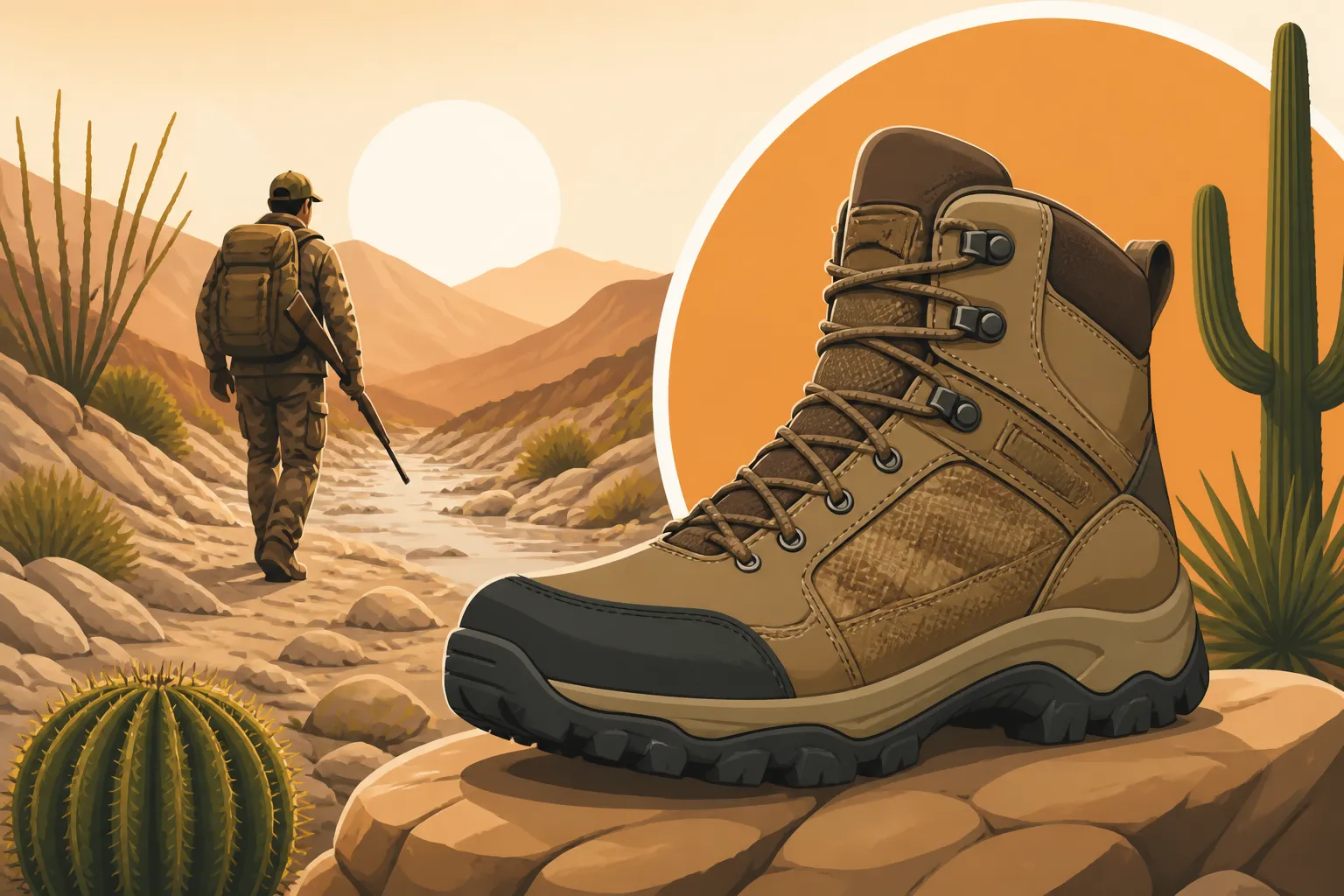
Rubber Randing and Toe Caps: This is a non-negotiable feature for serious desert hunting. A protective rubber rand, which is a strip of rubber that wraps around the base of the boot, provides a critical barrier against scrapes, cuts, and punctures from sharp rocks and cactus spines. Similarly, a reinforced rubber toe cap will shield your toes from impacts and prevent the boot's front from rapidly deteriorating from kicking against rocks. Without these, your boots will show significant wear and tear, even damage, after just a few outings in the harsh desert.
Sole Design and Traction: Grip on Loose and Hardpack
The sole of your boot is your primary interface with the ground, and in a desert wash, that ground is anything but consistent. You need a sole that can handle everything from loose sand and gravel to slick hardpan and sharp, unforgiving rocks.
-
Aggressive Lug Pattern: Look for a sole with an aggressive, multi-directional lug pattern. These deep, widely spaced lugs are designed to dig into loose terrain, providing superior grip in sand, scree, and soft soil. They also shed mud and debris effectively, which is important even in dry conditions, as you might encounter damp patches or fine silt that can pack into shallower treads. Brands like Vibram are often found on high-quality boots and are known for their excellent traction and durability.
-
Stiff Midsole and Shank: A stiff midsole, often combined with a protective shank (a rigid piece of material, usually metal or nylon, embedded in the sole), is vital for support and stability. This stiffness helps protect your feet from bruising when walking over sharp rocks or uneven surfaces. It also reduces foot fatigue by distributing pressure more evenly across your foot, rather than letting your foot flex excessively with every uneven step. This is especially important if you're carrying a heavy pack over long distances in pursuit of game in rough terrain, like when Hunting a BLM Desert Wash for Mule Deer. A stiff sole also provides a stable platform for shooting, whether from a prone position or standing.
Fit, Weight, and Height: Comfort for the Long Haul
Even the toughest boot won't do you any good if it's uncomfortable. Fit, weight, and shaft height are personal preferences, but there are general guidelines for desert hunting.
- Fit is King: A proper fit is the most crucial aspect of any boot. Your foot should feel snug but not cramped, with no slippage in the heel. Remember to try boots on with the type of socks you'll actually be wearing for hunting. Different brands have different lasts, so what fits well in one brand might not in another. Don't rush this process; spend time walking around the store, even up and down inclines, if possible. A good fit prevents blisters and discomfort over long days.
- Weight Matters: In a desert environment, where you might be covering many miles on foot, every ounce counts. Lighter boots reduce fatigue, allowing you to hike further and stay fresh longer. However, don't sacrifice durability or protection for extreme lightness. It's about finding the right balance. You want a boot that feels substantial enough to protect your feet but doesn't feel like a lead weight after an hour of hiking.
- Shaft Height: For desert wash hunting, a mid-height to high-cut boot (typically 6-8 inches) is generally recommended. This height offers excellent ankle support for unstable terrain and helps keep sand, gravel, and those infamous desert invasives (like cactus spines or even small critters) out of your boots. While lower-cut boots are lighter, they offer less protection and support, making them less ideal for the truly rough, unpredictable terrain of a desert wash.
Top Considerations for Comfort and Longevity
Buying the right boots is just the first step. To ensure they serve you well for many seasons to come, and to maximize your comfort on every hunt, there are several other important factors to consider, from break-in time to proper care.
Break-In Period: Don't Rush It
This is one of the most common mistakes hunters make: buying new boots a week before opening day and expecting them to perform flawlessly. New boots, especially those with durable leather or stiff midsoles, need time to conform to your feet and for the materials to soften up. Skipping this crucial step is practically an invitation for blisters and discomfort.
Start wearing your new boots weeks, or even months, before your hunt. Wear them around the house, on short walks, then gradually increase the distance and terrain difficulty. Go for a few short hikes with your pack on, mimicking the conditions you'll face. This allows the boots to flex and mold to your unique foot shape, breaking down any stiff spots and ensuring a comfortable, familiar fit when it truly matters. Think of it as an investment in your hunt; a well-broken-in pair of boots can feel like an extension of your foot.
Socks: The Unsung Hero of Foot Comfort
The best boots in the world are only as good as the socks you pair them with. High-quality hunting socks play a massive role in moisture management, cushioning, and preventing blisters. This isn't the place to skimp.
- Material: Opt for merino wool or synthetic blends. Merino wool is a fantastic choice because it wicks moisture away from your skin, regulates temperature (keeping your feet cool in heat and warm in cold), and resists odor. Synthetic blends also excel at wicking and drying quickly. Avoid cotton socks at all costs in the field; once wet, cotton stays wet, rubbing your skin raw and offering no insulation.
- Cushioning: Choose socks with appropriate cushioning for the demands of your hunt. Thicker, more cushioned socks offer more padding for long hikes over rocky terrain, absorbing impact and reducing pressure points. However, ensure they don't make your boots too tight, which can restrict circulation and lead to hot spots. You might even consider a thin liner sock underneath your main hunting sock. The liner sock helps wick moisture directly off your skin and reduces friction between your foot and the outer sock, adding another layer of blister prevention.
Waterproofing vs. Breathability in Desert Environments
Many hunters automatically reach for waterproof boots, assuming it's always the best option. However, for dry desert wash hunting, this can be a trade-off. While some level of water resistance is always good (for crossing an unexpected seasonal trickle or protection from morning dew), full waterproofing often comes at the expense of breathability.
- The Trade-Off: Fully waterproof boots (like those with GORE-TEX membranes) are excellent for wet conditions, but they can trap heat and moisture inside in dry, hot environments. This means your feet might get just as wet from sweat as they would from a little external moisture. For primarily dry desert conditions, prioritize excellent breathability.
- Smart Choices: Consider boots that are highly water-resistant but not necessarily fully waterproof. This often means more breathable synthetic panels. If you do opt for waterproof boots, ensure they have superior ventilation features or are designed with lighter-weight, breathable waterproof membranes. Sometimes, a quick-drying, breathable boot is preferable, as any water that does get in will evaporate much faster than it would from a fully sealed boot. For unexpected water crossings, sometimes it's better to just get a breathable boot wet and have it dry quickly than to have waterproof boots that cook your feet all day.
Maintenance and Longevity
Once you've invested in a quality pair of desert hunting boots, taking care of them is crucial for their lifespan and continued performance. Neglecting your boots will quickly lead to their demise.
- Cleaning: After every hunt, especially in the desert, brush off all loose dirt, sand, and debris. Use a damp cloth to wipe down the uppers. Pay special attention to the seams and areas where the sole meets the upper, as fine desert grit can be incredibly abrasive. If your boots are particularly dirty, a gentle wash with mild soap and water can help.
- Drying: Always allow your boots to air dry naturally. Remove the insoles and open up the laces to promote airflow. Never dry them near a direct heat source (like a campfire or heater vent), as this can cause leather to crack, adhesives to fail, and synthetic materials to degrade. If your boots get soaked, stuffing them with newspaper can help draw out moisture.
- Conditioning (for leather boots): If your boots have leather components, periodically treat them with a leather conditioner designed for hiking or hunting boots. This keeps the leather supple, prevents drying and cracking, and helps maintain its water resistance.
- Storage: Store your boots in a cool, dry place away from direct sunlight. Avoid leaving them in a hot garage or the trunk of your car for extended periods, as extreme temperatures can degrade materials over time.
By meticulously evaluating these features and committing to proper care, you'll be well on your way to finding the perfect pair of boots for your Hunting a California BLM Desert Wash for Deer adventures. You'll be able to focus on the game, not your aching feet, whether you're covering vast distances or sitting patiently for that opportunistic shot. Planning your hunts using mapping tools like GoHunt can also help you understand the specific terrain you'll encounter, allowing you to fine-tune your boot choice even further. Knowing whether you'll be on sandy flats or rocky hillsides can make a big difference in selecting the right sole and overall boot construction. Remember, comfortable feet are happy feet, and happy feet lead to successful hunts.
Making the Final Decision: What to Look For in the Store
Walking into a sporting goods store or browsing online for hunting boots can be overwhelming. There are countless brands and models, each with its own set of features and claims. To cut through the noise and make an informed decision, you need a systematic approach. Don't just pick the first pair that looks cool; think about your specific needs for dry desert wash hunting.
Trying Them On: The Gold Standard
While online shopping is convenient, for hunting boots, nothing beats trying them on in person. Your feet are unique, and what works for one hunter might not work for another. This step is critical to ensuring long-term comfort and preventing issues down the line.
- Timing is Everything: Your feet swell throughout the day, so it’s best to try on boots in the afternoon or evening when your feet are at their largest. This will give you the most accurate fit.
- Bring Your Socks: Always try on boots with the actual socks you plan to wear for hunting. The thickness and material of your socks can significantly impact how a boot fits. If you use a liner sock, wear that too.
- Walk Around: Don’t just stand there. Walk around the store for a good 10-15 minutes. Pay attention to any pinching, rubbing, or excessive heel slip. Walk up and down any ramps or stairs available to simulate inclines and declines. If possible, walk on different surfaces.
- Check for Pressure Points: Feel for any hot spots or areas where your foot is compressed too tightly. These will almost certainly turn into blisters or pain points on a long hunt. Your toes should have enough room to wiggle, but your heel should be securely locked in place. You should also check the flex point of the boot – where your foot naturally bends. It should feel natural and not create uncomfortable creases against your foot.
Brand Reputation and Reviews
While individual fit is paramount, a brand’s reputation can offer a good starting point. Some brands consistently produce high-quality, durable hunting footwear. Look for brands known for their rugged construction and performance in challenging environments.
- Read Reviews, Critically: Online reviews can be helpful, but read them with a critical eye. Look for patterns in feedback, both positive and negative, related to durability, comfort in specific conditions (like heat), and customer service. Be wary of reviews that sound overly promotional or are too vague. Pay attention to hunters who describe similar hunting conditions to yours, such as Hunting Mojave Desert Fringe Country or Hunting a Ridge-Top Saddle at First Light.
- Consider Purpose-Built Designs: Some brands specifically market "desert" or "tactical" boots, which often incorporate features like increased breathability, abrasion-resistant materials, and specialized sole compounds for dry, rocky terrain. These can be excellent starting points for your search. GoHunt forums or community sections can be a great place to ask other California hunters about their favorite desert boot brands and models.
Budget vs. Value: An Investment in Your Feet
Hunting boots are an investment, and like most gear, you generally get what you pay for. While it's tempting to go for a cheaper option, poorly made boots will wear out quickly, offer insufficient protection, and lead to miserable feet.
| Feature | Budget Boots (Lower End) | Mid-Range Boots | Premium Boots (Higher End) |
|---|---|---|---|
| Materials | Cheaper leather, basic synthetics, minimal randing | Durable leather/synthetic blend, partial randing, better membranes | High-quality leather/advanced synthetics, full rand, top membranes |
| Breathability | Often poor, can lead to sweaty feet | Decent, some venting features | Excellent, often mesh panels or advanced breathable membranes |
| Sole Durability | Softer compounds, wear out faster, less aggressive tread | Good quality, durable rubber, effective lug pattern | Premium Vibram/similar, highly durable, aggressive, specialized tread |
| Ankle Support | Minimal to adequate, can feel flimsy | Solid support, good stability | Exceptional, stiff shank, secure fit, superior stability |
| Comfort | Can be stiff, long break-in, prone to hot spots | Good cushioning, moderate break-in | Excellent out-of-box comfort, minimal break-in, superior cushioning |
| Longevity | 1-2 seasons with moderate use | 3-5 seasons with proper care | 5+ seasons with proper care, rebuildable options |
Consider your hunting frequency and the intensity of your hunts. If you're a serious hunter spending many days afield in rough desert terrain, investing in a premium pair of boots will pay dividends in comfort, performance, and longevity. Think of it this way: what’s the cost of a ruined hunt due to debilitating blisters? Often, it’s far more than the difference between a cheap pair of boots and a quality pair. A well-chosen, well-maintained pair of boots for Hunting Coastal Range Chaparral or the high desert can last you many years, making the initial investment worthwhile.
Disclaimer
This article is for general informational purposes only and does not constitute professional advice. Laws, prices and regulations vary by location and change over time. Consult a qualified professional for guidance on your specific situation.