Best First Aid Kit for a Remote Hunt
Stepping into California's wild, whether you're chasing blacktail in the dense coastal chaparral or glassing mule deer across the vast, open desert, brings an undeniable thrill. But it also comes with a stark reality: you're often miles, sometimes even a day's journey, from the nearest paved road, let alone a hospital. When an unexpected injury or sudden illness strikes in these remote settings, that initial adrenaline rush can quickly turn into profound anxiety. This guide isn't about scaring you; it's about empowering you to face those challenges head-on by preparing the best possible first aid kit for your remote California hunts.
Why a Robust First Aid Kit Isn't Just "Nice to Have" on a Remote Hunt
When you're packing your gear for a remote hunt, it's easy to focus on the big-ticket items: the rifle, the optics, the perfect camo layers. A small first aid kit might get a quick toss into the pack, often filled with just a few band-aids and some ibuprofen. However, thinking of a first aid kit as an afterthought is one of the most critical mistakes a hunter can make when venturing deep into California's backcountry. The truth is, it's not just a collection of supplies; it's a lifeline.
The Isolation Factor: Miles from Help
Imagine yourself deep in the Hunting California's Sierra Nevada Backcountry, far from any cell service, with a sprained ankle or a nasty gash. In such scenarios, dialling 911 isn't an option, and even if it were, search and rescue could take hours, if not a full day, to reach you. Every minute counts when dealing with serious injuries, and the ability to stabilize a situation immediately can prevent a minor incident from escalating into a life-threatening emergency. This isolation demands a proactive approach to medical preparedness, shifting the responsibility squarely onto your shoulders.
Consider a scenario where you've slipped on a wet rock while crossing a creek and hit your head. While you might be dazed, if you can still access your kit and assess the injury, you can begin immediate care. Without a well-stocked kit and the knowledge to use it, even a seemingly innocuous fall can leave you vulnerable to infection, shock, or further complications while you wait for help to arrive. Being prepared means you can be your own first responder, gaining precious time until professional medical assistance can be acquired, possibly through a satellite communicator like those you might track your route with on a GoHunt map.
Common Hunting Injuries and Illnesses in the Field
Hunting isn't just about bagging game; it's about navigating rugged terrain, enduring unpredictable weather, and pushing your physical limits. These elements inherently come with risks. Minor cuts from briars, blisters from miles of hiking, and muscle strains are almost guaranteed over a multi-day trip. These might seem trivial at home, but in the backcountry, a blister can cripple your mobility, and an infected cut can lead to serious health issues far from medical facilities.
Beyond the minor scrapes, more significant incidents can occur. A slip of the knife while field dressing a deer can result in a deep laceration requiring immediate pressure and wound closure. An unexpected allergic reaction to an insect bite could quickly become severe. Dehydration or heat exhaustion is a real threat in California's hot early seasons, while hypothermia can set in quickly during a sudden storm in the mountains. A robust kit, tailored to address these common issues, is your first line of defense against these inevitable challenges. It's about being ready for the "what ifs" that every seasoned hunter knows are always lurking in the wild.
Essential Components for Your California Remote Hunt First Aid Kit
Building a first aid kit for a remote hunt is more than just grabbing a pre-packaged box from the sporting goods store. It requires careful consideration of the types of injuries you might encounter, the environment you'll be in, and the prolonged time before professional medical help can reach you. Think of it as a personalized survival tool, not just a casual convenience.
Wound Care and Trauma Management
This section is where the real work happens. Hunting injuries often involve sharp objects, falls, and contact with natural elements, meaning cuts, punctures, and abrasions are common. You need more than just a few adhesive bandages.
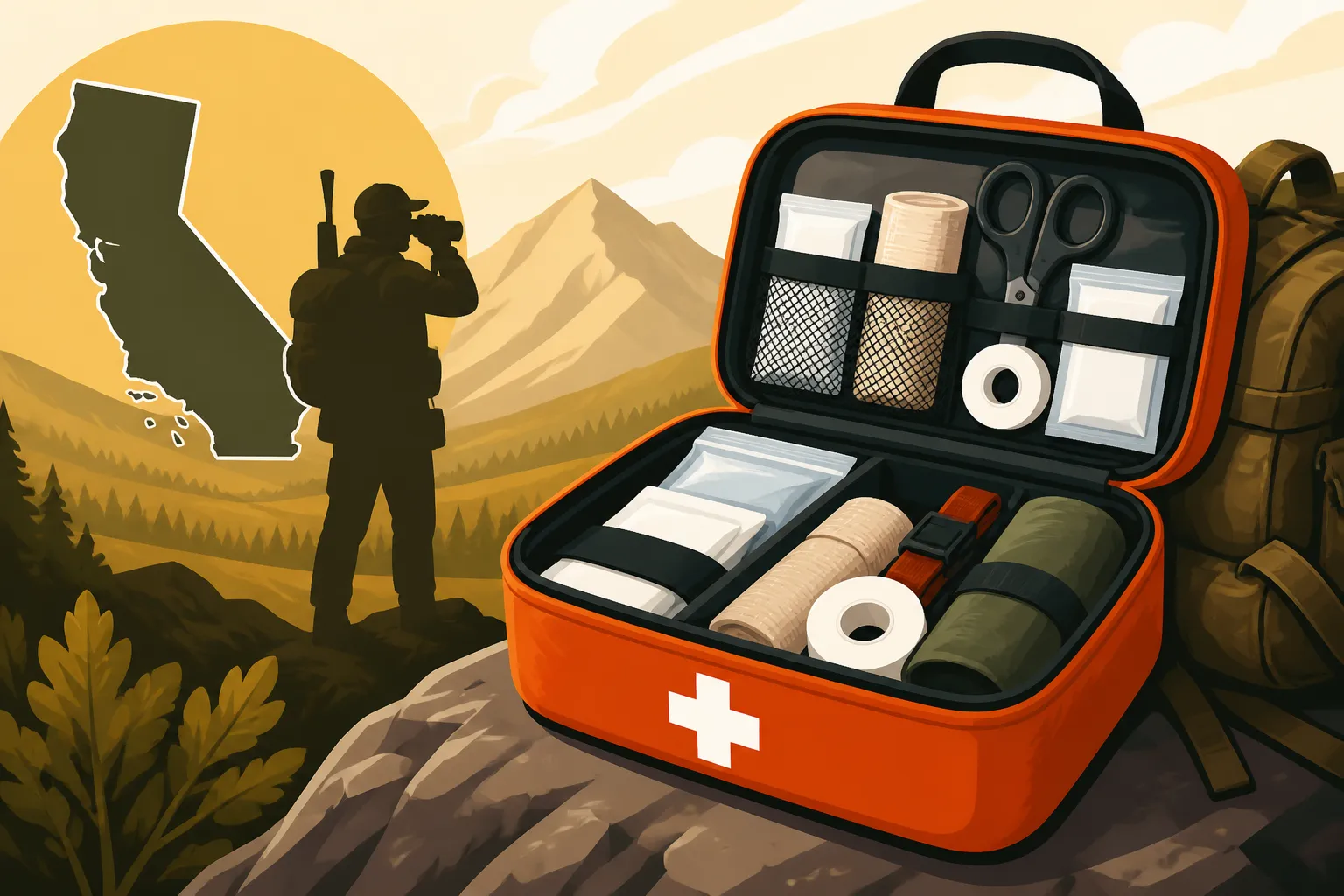
- Sterile Gauze Pads and Rolls: Essential for cleaning and dressing wounds. Carry various sizes. When you're Field Dressing a Deer in Hot Weather, a slip of the knife is a real possibility, and having sterile gauze to apply pressure and keep the wound clean until you can get back to camp is critical.
- Medical Adhesive Tape: To secure dressings and bandages firmly, even when you're moving.
- Antiseptic Wipes/Solution: To clean wounds thoroughly and prevent infection. Alcohol wipes are good for small cuts, but a more robust antiseptic like povidone-iodine can be better for larger or dirtier wounds.
- Wound Closure Strips or Skin Glue: For small, non-deep cuts that need to be held together to heal properly, especially when stitches aren't an option.
- Trauma Shears: These are invaluable for cutting through clothing, gear, or even animal hide to access an injury without further harming the patient. Don't skimp on these; a cheap pair can be frustratingly dull.
- Compression Bandages (e.g., ACE wrap): For sprains, strains, or to create pressure dressings for bleeding. A twisted ankle on a steep hillside can end a hunt quickly if not properly supported.
- Triangle Bandages: Versatile for slings, head bandages, or securing splints.
- Tourniquet: For severe, life-threatening arterial bleeding that cannot be stopped by direct pressure. This is a last-resort item, but it can save a life. Knowing how and when to apply it is paramount.
- Nitrile Gloves: Always protect yourself from bloodborne pathogens. Carry several pairs.
Medications and Personal Health Needs
While you might pack ibuprofen for a headache, a remote hunting trip demands a wider array of medications, both over-the-counter and personal prescriptions.
- Pain Relievers/Anti-inflammatories: Ibuprofen, naproxen, or acetaminophen for headaches, muscle aches, sprains, or general discomfort.
- Antihistamines: For allergic reactions to insect bites, plants, or unknown allergens. Diphenhydramine (Benadryl) is a common choice.
- Antidiarrheals: Dehydration from gastrointestinal issues can quickly debilitate you in the backcountry.
- Blister Treatment: Moleskin, hydrocolloid patches, and antiseptic wipes. Nothing ruins a hunt faster than crippling blisters after miles of hiking.
- Electrolyte Tablets/Powder: Crucial for preventing or treating dehydration, especially during strenuous activity in warm weather.
- Personal Prescription Medications: Ensure you have more than enough of any daily medications, plus a few extra days' supply. Keep them in their original containers.
- EpiPen (if prescribed): For anyone with severe allergies to insect stings, food, or medications. Ensure it's easily accessible and you know how to administer it.
- Burn Cream/Gel: For minor burns from campfires or cooking stoves.
- Eye Drops/Wash: To flush out dust, debris, or irritation from eyes.
Tools and Supplementary Items
These are the unsung heroes of your kit, often overlooked but critical in a bind.
- Tweezers: For splinter removal, tick removal, or extracting thorns. Tick removal tool is also a good specific option.
- Safety Pins: Multi-purpose for securing bandages, repairing gear, or removing splinters.
- Small Mirror: For checking injuries on yourself, especially on your face or head.
- Small Headlamp/Flashlight: To work on injuries in low light or darkness. Make sure it has fresh batteries.
- Emergency Blanket (Mylar): For treating shock or hypothermia. Lightweight and compact.
- Signaling Mirror/Whistle: To attract attention for rescue if needed.
- Water Purification Tablets/Filter: Access to clean water is vital for hygiene and preventing illness. Even if you carry plenty of water, emergencies can deplete your supply.
- Sunscreen and Lip Balm: Preventing sunburn and chapped lips is part of overall health and comfort, especially in exposed areas like the desert or high country.
- Insect Repellent: To prevent bites and potential disease transmission, especially in marshy areas or during certain seasons.
- Small Multi-tool: While not strictly first aid, its utility can be invaluable for field repairs that might impact safety.
Customizing Your Kit for California's Unique Terrain and Seasons
California's vast hunting grounds encompass an incredible diversity of landscapes, from the humid coastal fog to arid deserts and freezing alpine peaks. A "one-size-fits-all" first aid kit simply won't cut it. Tailoring your kit to the specific environment and season of your hunt is paramount for effective preparedness. Think about the unique challenges each region presents.
Coastal Ranges, Deserts, and High Sierras: Different Risks
Hunting in California means encountering vastly different environmental conditions, each with its own set of potential medical issues. Your kit should reflect these local specificities.
- Coastal Ranges and Foothills: These areas, like the oak woodlands you might hunt for wild pigs or blacktail, are often dense with chaparral and poison oak. Hunting Coastal Range Oak Woodlands requires gear that can stand up to brush. Your kit should have strong tweezers for thorns, a good supply of hydrocortisone cream for rashes, and snake bite specific items (though true snakebite kits are often debated, knowing basic first aid for bites is crucial). Expect scrapes and cuts from thick brush, so extra wound care supplies are a must.
- Deserts (Mojave, Colorado): Heat is your primary adversary here. Dehydration, heat exhaustion, and heat stroke are constant threats. Pack extra electrolyte tablets, a method for cooling (like a small bandana that can be soaked), and potentially even an emergency solar still or extra water purification. The desert also has unique flora and fauna; cacti spines, scorpion stings, and rattlesnakes are common. Knowing Predator Calling California's Mojave Desert Country also means you're out there in the thick of it. Consider extra sturdy tweezers and a strong pain reliever.
- High Sierras: When you're Hunting California's High-Country X-Zones, cold weather, high altitude, and unpredictable storms define the environment. Hypothermia and frostbite are major concerns. Ensure your kit includes an emergency bivvy sack or a robust Mylar blanket, hand warmers, and extra high-calorie energy bars. Altitude sickness can also be an issue, so knowing the symptoms and having medications like ibuprofen for headaches is important. Water purification is also vital here, as clean water sources can become contaminated.
Weight, Durability, and Accessibility Considerations
Even the most comprehensive first aid kit is useless if it's too heavy to carry, falls apart in the field, or can't be accessed quickly when you need it most. Balancing capability with practicality is crucial for a successful remote hunt.
- Weight vs. Contents: Every ounce counts in a backcountry pack. While you want a comprehensive kit, you don't need to carry an entire hospital. Prioritize multi-use items and travel-sized versions of medications. Consider transferring pills from bulky bottles into small, clearly labeled baggies. When packing for a multi-day trip, especially if you're undertaking a Packs and Gear for a Backcountry Elk Hunt, you’ll be acutely aware of every added pound. Make smart choices about what truly needs to be in there.
- Durability and Waterproofing: Your kit will take a beating. Use a durable, water-resistant or waterproof bag or hard case. Internal dry bags for critical items like medications and gauze are a smart addition, especially if hunting near water or during California's rainy season. A torn bag or wet bandages are useless.
- Accessibility: In an emergency, you need to find things fast. Organize your kit logically, perhaps by type of injury (e.g., wound care in one pouch, medications in another). Consider having a smaller, "grab-and-go" mini-kit attached to your hip belt or easily accessible in your day pack for immediate needs, while the larger, more comprehensive kit stays in your main pack.
Here's a quick look at how you might customize your kit:
| Component Category | General Remote Hunt Kit (Baseline) | Sierra High Country Additions | Desert Hunting Additions | Coastal Range Additions |
|---|---|---|---|---|
| Wound Care | Sterile gauze, tape, antiseptic wipes, trauma shears | Extra wound closure strips, burn gel | Saline rinse for sand/dust, extra durable tape | Poison oak wash, stronger tweezers for thorns, snake bite pressure bandage (know how to use) |
| Medications | Pain relievers, antihistamines, anti-diarrheals, blister kit, personal meds | Altitude sickness meds (OTC), hand warmers, extra electrolytes | Extra electrolyte tablets, cooling wipes, sunburn relief | Hydrocortisone cream, insect bite relief, allergy meds |
| Tools/Survival | Tweezers, gloves, emergency blanket, signal whistle/mirror | Emergency bivvy, fire starter, stronger flashlight | Extra water purification, wide-brim hat, lip balm with SPF | Tick removal tool, small repair kit for torn clothing |
| Communication | Trip plan, emergency contacts | Satellite messenger, spare batteries | Satellite messenger, spare batteries | Satellite messenger, spare batteries |
Beyond the Kit: Training, Communication, and Preparedness
Having the best first aid kit in the world is only part of the equation. Just like a high-end rifle needs a skilled shooter, a first aid kit demands someone who knows how to effectively use its contents. True preparedness for remote California hunts goes beyond the physical items in your pack; it encompasses knowledge, communication, and a disciplined approach to review and replenishment.
First Aid Training: Your Most Valuable Tool
Think of your first aid kit as the hardware, and your training as the software that makes it run. Without the knowledge and confidence to use what's in your kit, even the most expensive supplies are just dead weight. This is especially true for remote hunting where professional medical assistance is hours away.
Basic first aid and CPR certification are excellent starting points for anyone venturing outdoors. These courses teach you how to respond to common injuries like cuts, broken bones, and choking, as well as how to perform life-saving CPR. However, for remote hunts, consider stepping it up. A Wilderness First Aid (WFA) course or even a Wilderness First Responder (WFR) certification can provide invaluable skills specific to extended care in environments where resources are limited. These courses teach you how to improvise splints, manage prolonged patient care, and make critical decisions when facing significant delays in evacuation. Your ability to assess, stabilize, and care for an injury or illness can literally mean the difference between a successful evacuation and a dire outcome.
Communication and Contingency Planning
When you're out in the wilds of California, whether you're chasing black bears in the timber or waterfowl in the Central Valley, reliable communication and a clear contingency plan are just as important as your first aid kit. What happens if someone in your hunting party gets hurt and can't move?
- Satellite Communicators: Devices like a Garmin inReach or Zoleo are game-changers for remote hunters. They allow you to send and receive text messages, share your location, and, most importantly, activate an SOS beacon to contact emergency services, even when you have no cell signal. Using a platform like GoHunt to plan your route and review terrain features can even help you anticipate potential communication dead zones or strategic points to try and get a signal if you only have a less robust device.
- Detailed Trip Plan: Always, always leave a detailed itinerary with a trusted friend or family member. This should include your exact hunting area, planned routes, expected return time, and the names and contact information of everyone in your party. Be specific about your entry and exit points and any planned camps. This information is critical for search and rescue efforts if you become overdue.
- Emergency Contacts and Information: Carry a waterproof card with emergency contact numbers, medical allergies, and any pertinent health conditions for everyone in your group. This ensures vital information is available even if someone is unconscious or disoriented.
- "What If" Scenarios: Before you leave, discuss potential emergency scenarios with your hunting partners. What's the plan if someone breaks a leg? What if someone goes missing? Having a predetermined response, even if it's just "stay put and activate the SOS," can save precious time and reduce panic in a crisis.
Regular Kit Review and Replenishment
Your first aid kit isn't a "set it and forget it" item. It needs regular attention to ensure it's ready when you need it most.
- Expiration Dates: Medications and sterile supplies have expiration dates. Go through your kit at least twice a year – before spring turkey season and again before deer season – and replace anything that's expired. An expired pain reliever might just be less effective, but an expired antiseptic could fail to prevent a serious infection.
- Replenishment: After any use, no matter how minor, immediately replenish the items. Used a few band-aids? Put new ones in. Went through your blister pads? Stock up. You never know when the next, more serious incident might occur.
- Adaptation: Consider the specific demands of each hunt. Are you doing a multi-day Bowhunting California's Zone A Season in hot weather, or a late-season rifle hunt in a cold D-zone? Adjust your kit accordingly. Add more electrolyte tablets for heat, or extra Mylar blankets and hand warmers for cold. Your kit should be a living, evolving part of your gear, always prepared for the challenges of California's diverse and sometimes unforgiving hunting environments.
Disclaimer
This article is for general informational purposes only and does not constitute professional advice. Laws, prices and regulations vary by location and change over time. Consult a qualified professional for guidance on your specific situation.