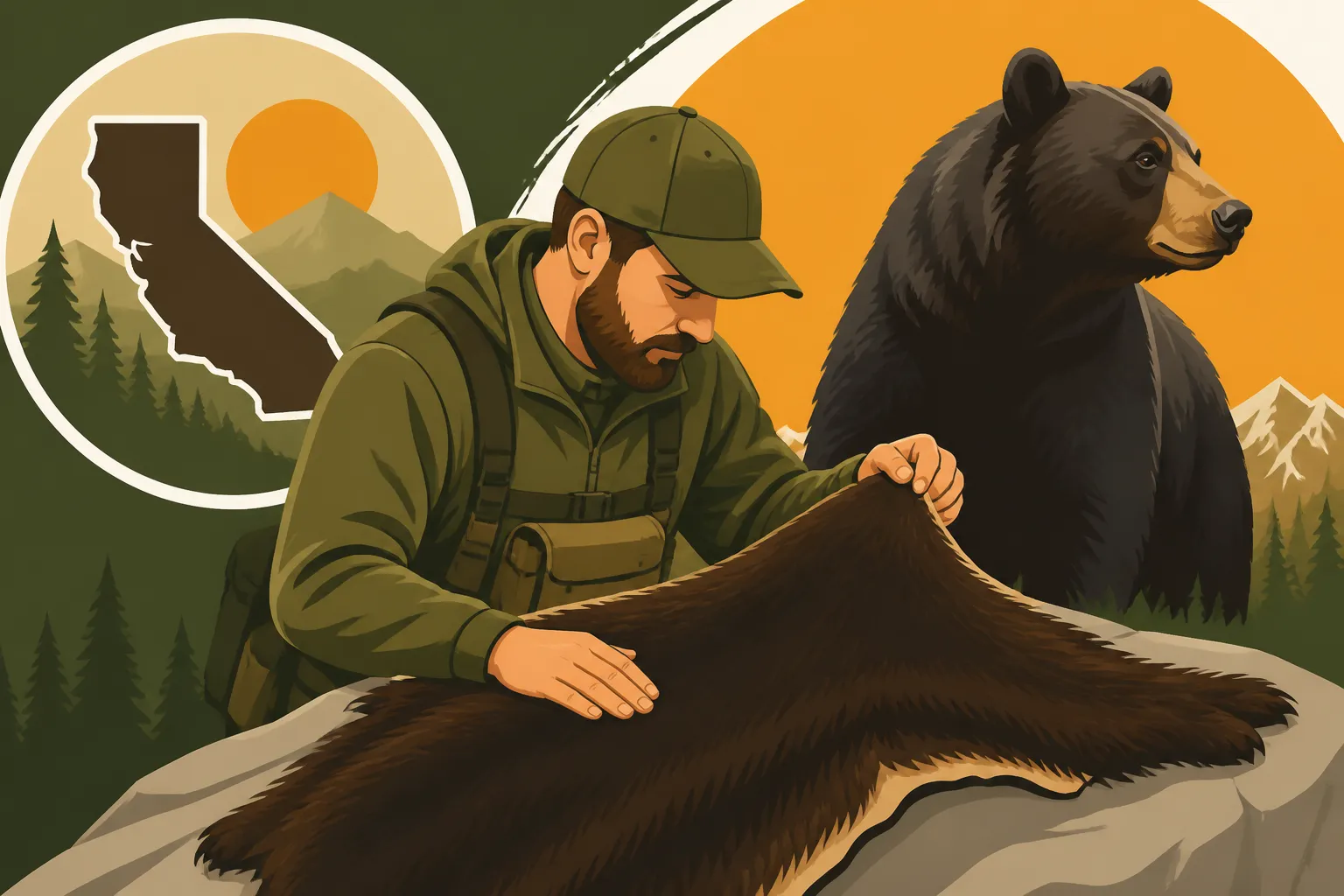
Field Judging a Bear’s Hide Condition
It's incredibly frustrating to spend hours, days even, tracking and glassing a magnificent California black bear, only to get it on the ground and realize the hide isn't quite what you'd hoped for. Whether it's a bald spot you didn't see, a patch of thin fur, or a dull, matted appearance, a less-than-prime hide can really put a damper on what should be a proud harvest. This guide is all about helping you sharpen your skills in the field, so you can make informed decisions and bring home a bear with a hide you'll truly cherish, minimizing those post-hunt "oh no" moments.
Why Hide Condition Matters So Much to California Hunters
Hunting black bears in California is a special experience, offering a chance to pursue a challenging game animal in diverse and often breathtaking landscapes. But unlike deer, where antler size is usually the primary indicator of trophy quality, a bear's hide condition is paramount. You're not just looking for a big bear; you're looking for a prime bear.
Beyond Just the Legalities: Trophy Quality
While California's bear hunting regulations primarily focus on legal weapons, licenses, and the statewide quota (which you can learn more about in "California's 1,700-Bear Statewide Quota"), there aren't specific rules dictating hide condition. However, for most hunters, the hide is the trophy. A thick, lustrous, unmarred hide makes for a stunning rug or mount, a tangible memory of your hunt. Conversely, a bear with a heavily rubbed, thin, or patchy hide, while still legal to harvest, might not offer the same level of satisfaction or aesthetic appeal. It's about respecting the animal and your own effort, ensuring that the animal you take will be fully utilized and honored as a worthy specimen. Ethical harvesting extends to making sure the animal meets your personal trophy standards, especially when a primary goal is the hide itself.
The Impact of Seasons and Habitat on Hair
A bear's hide condition is heavily influenced by the time of year and the bear's specific environment and diet. California's bear seasons, which include an archery-only window and a general season, span from late summer into early winter in some areas. This broad timeframe means you'll encounter bears in various stages of hair growth and condition.
For instance, bears hunted during the warmer early archery season, like the August opener covered in "Hunting the August Archery Bear Window", might still be shedding their winter coat or haven't fully grown in their dense fall fur. This can lead to thinner, duller hair, especially around the flanks and hindquarters. As the season progresses into cooler fall temperatures, bears are typically growing in their thick, prime winter coats. This is often when their hides are at their best – dense, long, and healthy. Their diet also plays a huge role; bears feasting on abundant acorns or berries in prime habitat, such as those found while "Spot-and-Stalk Bear Hunting a Berry Patch", tend to have healthier, shinier coats compared to bears struggling with limited food sources.
Key Indicators for Judging a Bear's Hide in the Field
When you're out in the rugged California wilderness, whether you're "Glassing a Burn Scar for a Feeding Bear" or still-hunting through dense timber, getting a clear picture of a bear's hide can be tricky. But with practice, you can learn to pick up on critical visual cues that tell you a lot about the quality of the fur.
Assessing Overall Thickness and Length
The first thing to look for is the sheer volume of hair. A prime hide will appear incredibly thick and dense, almost like a plush carpet. This is especially noticeable around the bear's neck, shoulders, and back. Early in the season, or on bears in poorer condition, the hair might look sparse, even "stringy," allowing you to see definition in their muscles or ribs more clearly.
You also want to pay attention to the length of the individual hairs. In a prime fall or winter coat, the hairs will be long and flowing, creating a shaggy, robust silhouette. Imagine the difference between a summer lawn and a lush, overgrown winter meadow – it’s a similar principle for bear fur. Thicker, longer hair provides better insulation and is typically indicative of a healthy animal that's preparing for colder weather. Bears found at higher elevations often develop their prime coats earlier and maintain them longer than their counterparts in warmer, lower elevations.
Spotting Rubs, Bare Patches, and Thinning Hair
This is often the make-or-break factor for a good hide. Bears love to rub, especially during certain times of the year or in areas with high insect activity or shedding. Common rub spots include their shoulders, hips, and flanks, often caused by scratching against trees, rocks, or even the ground. These rubs can range from slightly matted hair to completely bald patches.
When glassing, look for irregularities in the fur. Does a patch of hair seem lighter or shorter than the surrounding fur? Is there a noticeable "divot" or depression where the fur should be full? These are classic signs of a rub. Thinning hair is also common, particularly on the belly, between the legs, and sometimes around the muzzle. These areas might not be completely bare but will lack the density of the rest of the coat. A good pair of binoculars or a spotting scope, which are essential pieces of "Gear for Spot-and-Stalk Bear Hunting", will be your best friend in trying to discern these subtle, but significant, flaws. Sometimes, a bear will have a large section of its back or side that appears duller or less voluminous, which can indicate extensive rubbing or matting.
The Importance of Color Variation and Luster
While black bears come in a surprising array of colors – from jet black to cinnamon, chocolate, and even blonde – consistency and luster within that color are key. A healthy, prime hide will typically have a rich, uniform color and a noticeable sheen or luster, especially when the light hits it just right. Think of it as the difference between a well-maintained car's paint job and one that's faded and dull.
Look for areas where the fur appears faded, sun-bleached, or matted. These spots often indicate older, damaged hair or areas that have been heavily rubbed. A vibrant, deep color across the entire body, combined with that healthy sheen, signals a prime hide. If a bear's fur looks dull, lifeless, or has significant patches of different shades (beyond its natural color variations, like a black bear with a blonde muzzle), it might suggest a less-than-ideal hide condition. Pay particular attention to the mid-back and rump, as these areas are often exposed to the most sun and environmental wear.
Practical Tips for Better Field Assessment
Successfully judging a bear's hide condition in the field comes down to a combination of good gear, timing, and patience. It's not always easy, but these tips can significantly improve your chances of making a solid assessment.
Using Your Optics Effectively
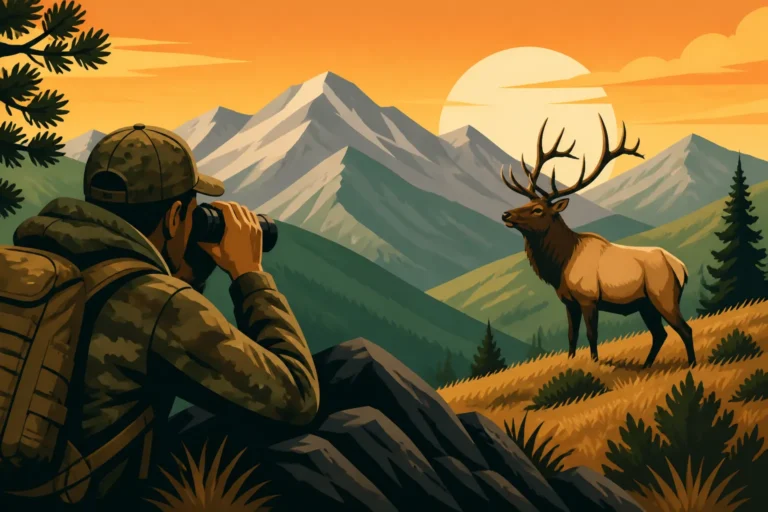
Your binoculars and spotting scope are the most crucial tools for field judging bears. Don't just scan for the animal; once you locate a bear, settle in and really pick it apart with your optics. For detailed assessment, a good spotting scope on a stable tripod is invaluable. It allows you to zoom in and examine individual hair follicles, rubs, and areas of thinning fur that would be impossible to see with binoculars alone. When considering "Optics for California's Open-Country Deer Hunting", remember that many of the same principles apply to bear hunting, especially in wide-open country.
Light conditions also play a huge role. Early morning and late evening light can make a bear's fur look incredibly vibrant, sometimes masking imperfections. Mid-day, harsher light can reveal rubs more starkly, but can also create glare. Try to observe the bear in varying light if possible. Steady your optics against a tree, rock, or use shooting sticks for a clearer, shake-free view. Remember that online tools like GoHunt can help you scout and understand terrain, which might influence where and when you set up your glassing positions for optimal viewing angles. Knowing the topography ahead of time can inform your approach.
Understanding Bear Behavior and Timing
Bears aren't just static targets; they're constantly on the move, feeding, resting, and interacting with their environment. Understanding their behavior patterns can help you get a better look at their hide. Bears often rub heavily when they're shedding their winter coats, typically in late spring and early summer. By the time California's bear seasons roll around, many will have completed this process, but some individuals might still be patchy, especially if they are young or less healthy.
Later in the fall, as temperatures drop and bears prepare for denning, their coats generally thicken and become prime. Observing bears feeding, such as when they're gorging on acorns or berries, can give you extended periods to study their entire body. They might turn, offering different angles, or even roll around, exposing their underside. If you're planning a hunt, resources like GoHunt can provide crucial information on seasonal patterns and animal movements, helping you anticipate when and where you might find bears in prime condition.
The Role of Patience and Multiple Observations
It’s tempting to rush a shot once you’ve located a bear, but patience is a hunter’s greatest virtue, especially when field judging hides. Resist the urge to draw or shoulder your rifle until you've had ample time to thoroughly assess the bear. This might mean watching the bear for 15-30 minutes, or even longer, waiting for it to move into a better position, turn its body, or walk through varying light.
If possible, try to observe the bear from multiple angles if the terrain allows for a safe, undetected repositioning. What looks like a slight rub from one angle might reveal itself as a significant bald patch from another. Don't be afraid to pass on a bear if you can't confidently assess its hide, or if it doesn't meet your personal standards for a trophy. There will always be another opportunity, and making an ethical, well-reasoned decision is part of responsible hunting.
Common Pitfalls and Misconceptions
Even experienced hunters can fall prey to misjudging a bear's hide. The wild often throws curveballs, and conditions aren't always ideal. Being aware of these common mistakes can help you make more accurate assessments.
Don't Confuse Scars with Rubs
One common mistake is confusing old scars or healed wounds with active rubs. Bears, being wild animals, live tough lives. They get into fights, scramble through dense brush, and sometimes sustain injuries. A scar might appear as a patch of discolored or slightly thinner hair, but it typically won't have the matted or completely bald appearance of a fresh or active rub. Scars are often permanent and don't necessarily detract from the "primeness" of a hide in the same way an active, open rub would.
When you're glassing, try to differentiate between what looks like an isolated, healed mark and a widespread area of matted or missing fur. Active rubs will often have a duller, rougher texture, sometimes with broken hairs. Scars, on the other hand, might just be a section where the hair grows slightly differently or is a different color. Knowing the difference helps you make a better call on the overall hide quality.
The Illusion of Distance and Angle
Distance and angle are notorious for distorting perceptions in the field. A bear that looks perfectly symmetrical and heavily furred from 400 yards, especially when it's broadside, might reveal significant issues when it turns to face you or offers a quartering-away view. The setting sun can cast long shadows that exaggerate or conceal features, making it incredibly difficult to tell what's a shadow and what's a rub.
Always try to close the distance safely and ethically to get a more accurate view, or use the highest magnification on your spotting scope. If you're on a steep slope and the bear is below you, its back might appear flawless, but its belly and flanks could be heavily rubbed. Conversely, if it's above you, its underside might look good, while the top of its back is problematic. Utilize mapping tools like those offered by GoHunt to understand the topography and plan your approach for the best possible viewing angles. This spatial awareness can significantly reduce the chances of optical illusions leading you astray.
Overlooking Subtle Signs of a Poor Hide
Sometimes, a bear's hide isn't obviously bad, but it has a collection of subtle imperfections that add up. These might include slightly matted fur around the armpits, a thin patch on the brisket, or a dullness that's only noticeable in certain light. These aren't glaring bald spots, but they can still diminish the overall quality of a rug or mount.
Pay attention to consistency. Does the hair flow smoothly across the entire body? Is the luster uniform? Are there small, scattered areas of broken or short hairs? These subtle indicators, when combined, can point to a hide that's not quite prime. It's often easier to spot these issues on the move. When a bear walks, its fur shifts and ripples, often revealing minor rubs or thin spots that might be hidden when the animal is static.
Here's a quick reference table to help you compare characteristics in the field:
| Characteristic | Prime Hide Indicators | Poor Hide Indicators |
|---|---|---|
| Overall Thickness | Dense, full, shaggy appearance | Sparse, thin, "stringy," can see muscle definition |
| Hair Length | Long, flowing, creates robust silhouette | Short, matted, uneven, especially on flanks/hips |
| Rubs/Patches | Uniform fur, no visible bald or matted areas | Bald spots, matted fur, areas of broken hair (shoulders, hips) |
| Luster/Color | Rich, deep, uniform color with a healthy sheen | Dull, faded, sun-bleached, or patchy color variation |
| Belly/Underside | Thick, well-covered | Noticeably thin, sometimes bare, especially in mid-season |
| Movement | Fur flows smoothly, maintains density | Fur separates, reveals thin spots or matting |
Ultimately, field judging a bear's hide is an art developed through experience. The more bears you observe, the better you’ll become at recognizing the nuances of a prime hide. Remember, it's about making an informed, ethical choice that honors the animal and provides you with a lasting memory of your California hunt. Good luck out there!
Disclaimer
Please remember that hunting regulations, seasons, and requirements can change. Always consult the most current California Department of Fish and Wildlife (CDFW) regulations before planning any hunting trip. This guide is for informational purposes only and should not be considered a substitute for official legal guidance.