California X-Zone Season Dates
Hunting in California's X-Zones often feels like trying to win the lottery, shrouded in mystery and frustration for many hopeful hunters. The dream of chasing a trophy buck in these coveted areas is real, but understanding the complex season dates and drawing odds can be a significant hurdle. This guide aims to demystify California's X-Zone season dates, offering a clear roadmap for navigating the application process and preparing for your high-country adventure.
Understanding California's X-Zone System
For many seasoned California deer hunters, the mention of "X-Zones" conjures images of rugged mountains, vast wilderness, and the elusive, mature bucks that call these areas home. These aren't your everyday over-the-counter tags; X-Zones represent the pinnacle of public land deer hunting in the Golden State, offering a unique blend of challenge and potential reward. But with that potential comes a level of complexity that can sometimes feel overwhelming, especially when you're trying to decipher the regulations and strategize your next move.
What Makes X-Zones So Coveted?
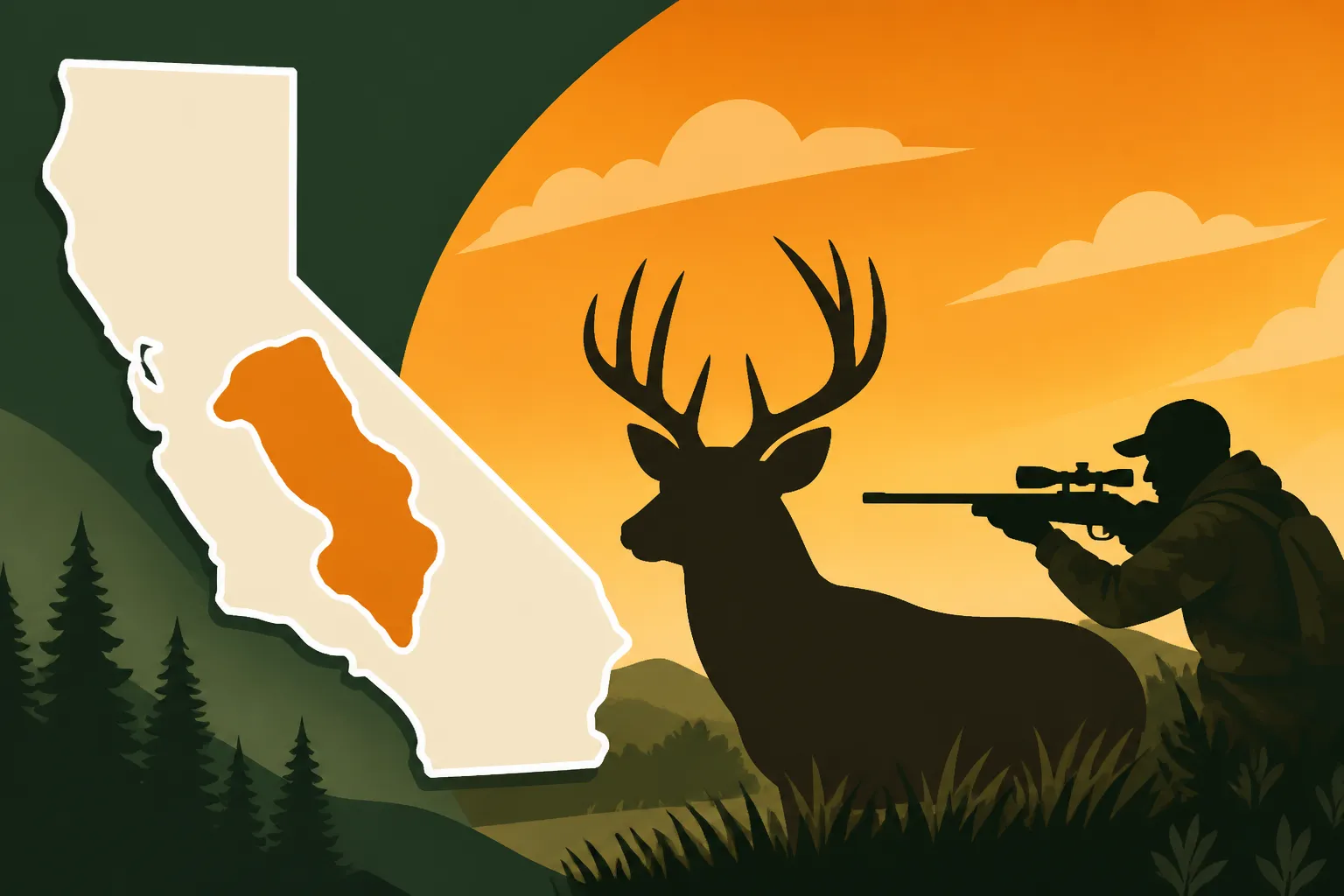
The allure of California's X-Zones isn't just a myth spun around a campfire; it's rooted in the very nature of these hunting areas. These zones are primarily located in the state's high country, stretching across the Sierra Nevada and other remote mountain ranges. This expansive, often difficult-to-access terrain naturally leads to lower hunting pressure compared to general zones where tags are more readily available. Less pressure often translates to older, more mature bucks, which is precisely why hunters spend years building preference points hoping to draw one of these tags. The sheer wilderness experience, the challenge of the hunt, and the possibility of encountering a truly magnificent deer make X-Zones the ultimate goal for many.
When you compare an X-Zone hunt to a general season hunt in, say, Zone A or a D-Zone, the difference is stark. In general zones, you might encounter more hunters, denser road systems, and often a higher overall deer harvest, but perhaps fewer opportunities for truly old-class bucks. X-Zones, by contrast, demand a commitment – both in terms of time spent applying and the physical effort required to hunt them. The reputation for bigger bucks, while not a guarantee, is a strong driving force behind their immense popularity and the persistent efforts of hunters to draw these tags.
Geographic Breakdown and Unique Characteristics
California's X-Zones are a diverse collection of game management units, each with its own character, terrain, and challenges. While they are often broadly associated with the high Sierra Nevada, they also encompass other specific remote and rugged areas. For example, zones like X-1 through X-6 are primarily in Northern California's mountainous regions, often characterized by dense timber, steep canyons, and high alpine meadows. Areas such as X-7a and X-7b fall into the central Sierra, offering vast, remote wilderness. Further south, zones like X-8, X-9a, X-9b, X-9c, X-10, and X-12 cover a range of Sierra Nevada and Southern California mountain habitats, including everything from high desert fringes to dense pine forests.
These distinct geographic locations mean that a hunting strategy for X-1 might look very different from one for X-10. You might be dealing with heavy brush and thick timber in one, requiring still-hunting techniques, while another might offer vast, open basins perfect for long-range glassing. The habitats range from classic mule deer high-country summer ranges to transitional zones where blacktail deer genetics can influence the local population. Understanding the nuances of each X-Zone's geography, game movement patterns, and access points is crucial for anyone hoping to succeed. This isn't just about drawing a tag; it's about drawing the right tag for your hunting style and physical capabilities, and then having a solid understanding of the terrain. For those truly aiming to conquer these challenging landscapes, taking a deep dive into resources like our guide on Hunting California's High-Country X-Zones can provide invaluable insights.
Draw-Only System Explained
The fundamental difference setting X-Zones apart from many other California deer hunting opportunities is their draw-only nature. You cannot simply walk into a license agent and purchase an X-Zone tag over the counter. Instead, every single X-Zone tag is allocated through the California Department of Fish and Wildlife's (CDFW) annual Big Game Drawing. This system is designed to manage hunter numbers, ensure sustainable harvests, and provide a fair chance for all eligible applicants to access these highly sought-after areas.
The draw system means that hopeful hunters must apply within a specific application window, typically in the spring. If you are unsuccessful in drawing your chosen X-Zone tag, you don't just walk away empty-handed; you typically receive a preference point. These preference points accumulate year after year, theoretically increasing your odds in subsequent drawings. However, the competition is stiff, and for the most coveted X-Zones, it can take many, many years to accumulate enough points to have a realistic chance of drawing. This long-term commitment to the draw process is a significant part of the X-Zone hunting experience, making that eventual tag draw all the more precious.
Navigating the X-Zone Application Process
Embarking on the journey to hunt one of California's X-Zones is an exercise in patience and precision. It's not just about knowing when the seasons are; it's about understanding the complex web of licenses, deadlines, and draw mechanics that dictate whether you even get a shot at these premium tags. Many hunters find the application process itself to be the first significant challenge, and rightly so, as missing a crucial step can mean another year on the sidelines.
Essential Licenses and Requirements
Before you can even dream of applying for an X-Zone tag, you need to ensure all your foundational California hunting credentials are in order. First and foremost, a valid California resident or non-resident hunting license is absolutely mandatory. This base license is your entry ticket to all hunting opportunities in the state. If you're a junior hunter, there are specific junior license considerations that can sometimes offer different opportunities or pricing, so be sure to check those details carefully.
Beyond the basic license, a current Hunter Education certificate is required for anyone who hasn't previously held a California hunting license or its equivalent from another state. This foundational course ensures hunters are knowledgeable about safety, ethics, and regulations. One of the most critical requirements, and one that often catches new and even some experienced hunters off guard, is California's statewide non-lead ammunition mandate. For any big game hunting, including all X-Zones, you must use certified non-lead ammunition. This isn't just a recommendation; it's a legal requirement designed to protect wildlife, particularly the California condor. Making sure you've sourced and sighted in with non-lead bullets well before the season is paramount. For more detailed information on this crucial regulation, be sure to consult our comprehensive guide on California's Non-Lead Ammunition Requirement.
The Big Game Drawing Timeline
Successfully navigating the X-Zone application process hinges on a precise understanding of the CDFW's Big Game Drawing timeline. This isn't a year-round open door; there are very specific windows for applications, and missing them means waiting another year, regardless of how many preference points you've accumulated. The application period typically opens in April and closes in late May or early June. The exact dates can shift slightly each year, so always check the current year's CDFW Big Game Regulations booklet or their website for the most accurate information.
This application window is your only chance to apply for an X-Zone tag, as well as premium elk, antelope, and bighorn sheep tags. Once the application period closes, there's a nervous waiting game. The draw results are usually released in mid-June. Hunters can typically check their results online through the CDFW's licensing system. It’s a moment of truth, filled with both excitement and often, disappointment. The frustration of diligently applying year after year, only to be unsuccessful, is a common experience among X-Zone hopefuls. But even if you don't draw, understanding this timeline and playing by the rules is the first step in stacking the odds in your favor for future seasons.
Understanding Preference Points and Draw Odds
The heart of the X-Zone draw system lies in preference points. For every year you apply for an X-Zone tag and are unsuccessful, you accrue one preference point. These points are designed to give loyal, persistent applicants a better chance over time. Essentially, the more points you have, the higher your priority in the draw. However, it's not a guarantee, and for the most highly desired X-Zones, drawing can still feel like hitting the jackpot even with a significant number of points.
This is where strategic planning becomes critical. Many hunters utilize resources that analyze past draw results to understand the average number of points it takes to draw a particular X-Zone. Tools and services like GoHunt provide invaluable data, offering detailed breakdowns of draw odds, point requirements, and unit-specific statistics that can help you make an informed decision. Should you put in for a premium X-Zone like X-9a, which might take a decade or more of points, or should you aim for a zone with slightly better odds, even if it's less prestigious? This is a personal calculation that factors in your patience, your hunting goals, and your willingness to hunt other zones in the interim. The phenomenon of "point creep," where the average number of points needed to draw a tag slowly increases over time as more hunters accumulate points, means that past data is a guideline, not a guarantee, and careful analysis is always necessary.
Key X-Zone Season Dates by Subunit
The beauty and the beast of California's X-Zone system often boil down to the specific season dates for each subunit. Unlike some broader zones that have fairly uniform seasons, X-Zones, particularly their rifle seasons, can have nuanced start and end dates that dictate not only when you can hunt but also what kind of conditions you'll face and what stage of the deer's life cycle you'll be targeting. Understanding these specifics is paramount for any hunter who manages to secure one of these coveted tags.
Early Archery Seasons in Select X-Zones
While most X-Zone hunting is associated with the general rifle season, a significant number of these units also offer an earlier archery-only window. These archery hunts are incredibly challenging but offer a unique opportunity to pursue bucks before the influx of rifle hunters. For most X-Zones with an archery season, the general opener typically falls in mid-August, often running through early September. For example, the Archery X-Zones (AX1-AX12) often share a common start date around August 19th, with most running until September 8th. However, there are exceptions, such as AX9C, which might close earlier, around September 1st.
These early archery seasons mean dealing with potentially hot weather, making meat care a critical consideration. Deer are often in their summer patterns, frequently found in higher elevations and still relatively unpressured. The challenge of getting within bow range in rugged, often thick high-country terrain is immense, but the reward of harvesting an X-Zone buck with a bow is unparalleled. It truly is a testament to skill, patience, and physical endurance. For those interested in the intricacies of archery openers, even if not X-Zone specific, our guide on California Zone A Archery Opening Day offers insights into similar early-season considerations.
General Rifle Season Openers and Closures
The bulk of X-Zone hunting takes place during the general rifle season, which typically commences in mid-September and runs through varying dates in October. While a common start date for many X-Zones is September 16th, their closing dates can differ significantly, impacting your overall hunting strategy. Here's a look at some typical dates based on recent regulations (always verify with the current year's CDFW regulations):
| X-Zone | General Season Start | General Season End | Key Characteristics |
|---|---|---|---|
| X1 | September 16 | October 16 | Northern Sierra, rugged |
| X2 | September 16 | October 16 | Northern Sierra, timber |
| X3a | September 16 | October 16 | Northern Sierra, high elev. |
| X3b | September 16 | October 16 | Northern Sierra, mixed |
| X4 | September 16 | October 16 | Northern Sierra, dense |
| X5a | September 16 | October 16 | Northern Sierra, accessible |
| X5b | September 16 | October 16 | Northern Sierra, remote |
| X6a | September 16 | October 16 | Central Sierra, diverse |
| X6b | September 16 | October 16 | Central Sierra, higher |
| X7a | September 16 | October 16 | Central Sierra, remote |
| X7b | September 16 | October 16 | Central Sierra, challenging |
| X8 | September 16 | October 16 | Eastern Sierra, alpine |
| X9a | September 16 | October 16 | Southern Sierra, high pressure |
| X9b | September 16 | October 23 | Southern Sierra, slightly later |
| X9c | September 16 | October 9 | Southern Sierra, earlier close |
| X10 | September 23 | October 23 | Southern Sierra, later start |
| X12 | September 30 | October 22 | Southern Sierra, late opener |
As you can see, most X-Zones kick off mid-September and run for about a month. However, zones like X-9b and X-10 offer slightly longer seasons, extending a bit further into October. Conversely, X-9c has a notably shorter season, closing earlier than many others. A later start, like in X-10 or X-12, means you might encounter colder weather, potentially some early snow, and deer that are beginning to feel the urge to migrate or are more focused on pre-rut feeding. Early closures, like X-9c, mean you need to make the most of your time before the season ends. These varied dates highlight why understanding California's Multi-Zone Deer Season System is so important, as even within the X-zones, there's significant variation. It’s a very different scenario from hunting a general D-zone where dates might be more consistent across subunits; to understand that contrast, check out our guide on California D-Zone Season Dates.
Late-Season Opportunities and Specialized Hunts
While most X-Zones wrap up by mid-October, those units with slightly later closing dates, such as X-9b, X-10, and X-12, can offer unique late-season opportunities. Hunting in late October in the high country brings its own set of challenges and rewards. The weather can be much more unpredictable, with cold fronts, rain, and even significant snowfall becoming real possibilities. This can push deer to lower elevations, making them potentially more concentrated and predictable in their movements. However, it also means harsher conditions for hunters, requiring specialized gear and a higher degree of preparedness for inclement weather.
Beyond the general season dates, it's always worth checking the CDFW regulations for any specialized hunts that might occasionally overlap with X-Zones, such as junior hunts or disabled access hunts, although these are less common for X-Zones themselves compared to general D-zones. The primary focus for X-Zone hunters remains the general rifle and early archery seasons. The implications of colder weather and potential snow for these later hunts can't be overstated. It dramatically changes the hunting experience, from requiring more insulated clothing and robust shelters to impacting how deer move and feed. Always be prepared for a wide range of conditions when you draw a tag for one of these late-closing X-Zones.
Strategizing for Drawing an X-Zone Tag
Securing an X-Zone tag in California is a long game, a careful blend of patience, research, and a bit of luck. With so many hopeful hunters vying for a limited number of coveted tags, a thoughtful strategy is essential. Simply throwing your name into the hat each year without understanding the data is like playing darts blindfolded – you might hit the board, but the bullseye will remain elusive.
Analyzing Draw Odds and Point Strategies
The key to a successful X-Zone draw strategy lies in meticulously analyzing past draw odds and understanding how preference points truly work. This isn't just about collecting points; it's about deciding how to spend them wisely. "Point creep" is a reality in California; as more hunters accumulate points, the minimum number of points required to draw a tag in any given zone tends to slowly increase over time. This means that a zone that took 10 points to draw five years ago might now require 12 or 13.
Utilizing dedicated hunt planning tools is absolutely essential here. Platforms like GoHunt provide comprehensive draw odds, historical data, and analysis that can help you project what it might take to draw your dream tag. Should you apply for a highly demanded zone like X-9a, knowing it might take many years to accumulate enough points, or should you put in for a "safer bet" with slightly higher draw odds but perhaps less prestige? This requires a candid assessment of your hunting goals and how much time you're willing to invest. Some hunters choose to apply as a party, which can pool preference points and, in some cases, slightly increase the odds of one person in the group drawing, though all applicants must possess the same number of points. However, ensure you fully understand California's specific party application rules, as they have strict guidelines.
Researching Specific X-Zones
Drawing an X-Zone tag is only half the battle; ensuring it's the right zone for you is equally important. Don't just pick a zone based on its reputation for big bucks or because a friend drew it once. You need to do your homework on the specific X-Zone you're targeting. Research the habitat types prevalent in the zone – is it dense timber, open alpine, or steep chaparral? What are the historical success rates for that zone, not just for drawing, but for harvesting a deer? Are there specific access challenges, like long hikes into roadless wilderness or limited public entry points?
Leverage tools like CDFW's official maps, detailed satellite imagery on apps like onX Hunt, and online public forums where hunters share experiences (and frustrations). Look for insights into typical weather patterns during the season dates, the availability of water sources, and common migration corridors. For example, if you're eyeing a high Sierra zone, you'll need to consider the unique challenges and opportunities found in Hunting California's Sierra Nevada Backcountry. If your target X-zone happens to overlap with areas like the Los Padres National Forest, you'll also need to be aware of regulations specific to that area, such as strict lead-free ammunition requirements and access points, as detailed in our guide on Hunting California's Los Padres National Forest. The more you know about the terrain, the deer, and the access, the better prepared you'll be to make an informed choice when submitting your application.
Contingency Planning for Unsuccessful Applicants
Let's be realistic: the odds of drawing an X-Zone tag are often low, especially for premium units. It's far more likely you won't draw in any given year. So, what happens then? First, you receive a preference point, adding to your tally for next year's drawing. This is important to remember; your efforts aren't wasted.
However, many dedicated deer hunters don't want to sit out a season. This is where contingency planning comes in. If you don't draw an X-Zone tag, you still have options to hunt deer in California. You can often purchase an over-the-counter D-zone tag, provided they haven't sold out for the year. These tags are generally easier to acquire and offer abundant public land opportunities, though often with higher hunter pressure and different buck potential. You could explore various D-zones, perhaps trying out Hunting a D-Zone That Opens in August or focusing on areas that allow for later-season hunts. Alternatively, many hunters turn their attention to general zones like Zone A, which offers its own challenges and rewards. Our guide on Hunting California's Zone A General Season Dates can provide more information on those opportunities. The key is to have a backup plan so your hunting season isn't entirely dependent on drawing a coveted X-Zone tag.
Preparing for Your X-Zone Hunt
Congratulations, you drew an X-Zone tag! This is the moment many California deer hunters dream of. But the hard work has only just begun. Unlike a casual day hunt in a local area, an X-Zone hunt, especially in the high country, demands significant physical and logistical preparation. Underestimating the demands of these remote, challenging environments can quickly turn a dream hunt into a miserable experience.
Scouting and Pre-Season Preparation
Physical fitness is non-negotiable for an X-Zone hunt. These areas often require long, strenuous hikes into steep, roadless terrain, often at high altitudes. Start a rigorous fitness regimen well in advance – think hiking with a loaded pack, incline training, and endurance exercises. Your body needs to be ready to perform day after day in demanding conditions.
Beyond physical conditioning, pre-season scouting is absolutely critical. If possible, a physical scouting trip to your X-Zone a few months before the season can provide invaluable firsthand knowledge of access points, water sources, bedding areas, and potential travel corridors. However, for many, this isn't feasible due to distance or time constraints. This is where "e-scouting" becomes your best friend. Utilize satellite imagery on platforms like onX Hunt, study topographic maps, and leverage detailed historical data, potentially including insights from a platform like GoHunt. Look for burn scars, natural funnels, secluded basins, and areas with good forage. Even a virtual understanding of the terrain can give you a significant advantage. While not directly related to X-zones, even activities like Shed Hunting on California Public Land can provide year-round insights into deer movement and habitat. Always double-check land ownership; while X-Zones are predominantly public, some areas may border private land, requiring prior permission if you need to retrieve game or if your scout takes you across a boundary.
Gear and Logistics for High-Country Success
The right gear can make or break an X-Zone hunt. Forget your casual hunting kit; this requires thoughtful preparation. Start with your feet: high-quality, broken-in, sturdy boots designed for steep, rugged terrain are paramount. Layering clothing is essential, as high-country weather can swing wildly from warm mornings to freezing nights, sometimes with unexpected rain or snow. Consider a versatile camo pattern that blends with the specific high-country vegetation in your zone.
Optics are your most important scouting tool once in the field. A good pair of binoculars (10x or 12x) and a high-quality spotting scope with a sturdy tripod are indispensable for long-range glassing in open basins and across vast canyons. A reliable rangefinder is also a must for ethical shot placement in varied terrain. For packing out your harvest, a sturdy internal or external frame pack is crucial. Consider the advice in our guide on Packs and Gear for a Backcountry Elk Hunt; while different species, the principles of packing heavy loads in remote terrain are very similar. Don't forget essential safety and survival gear: a reliable navigation system (GPS unit or a robust app on your phone with downloaded offline maps), a satellite communication device (like a Garmin inReach), a comprehensive first-aid kit, a water filter, and enough food for your planned trip plus an emergency buffer. Planning for meat care is also critical; in early-season X-Zone hunts, heat can be a major factor, requiring quick field dressing and adequate game bags to protect your harvest.
Understanding Regulations and Reporting
Even with a coveted X-Zone tag in hand, your responsibilities as a hunter don't end. You must meticulously review all specific regulations pertaining to your chosen X-Zone, as there can be subtle differences from general statewide rules or even other X-Zones. This includes any specific access rules, vehicle restrictions, or camping limitations within the zone's boundaries, especially if parts of it are wilderness areas.
The statewide non-lead ammunition requirement is a constant for all big game in California, so ensure your rifle is zeroed with certified non-lead loads. After a successful harvest, California has mandatory deer reporting requirements. You must report your deer harvest through the CDFW's Automated License Data System (ALDS) or the mobile app, usually within 30 days of harvest or by January 31st of the following year, whichever comes first. This data is vital for wildlife management. Our guide on California Deer Reporting Requirements has all the details you need. Additionally, be aware of California's two CWD testing zones, and if your X-Zone falls within or near one, you may be subject to CWD Testing for California Hunters to help monitor for Chronic Wasting Disease. Knowing and adhering to all these regulations not only keeps you legal but also ensures you're contributing to the conservation efforts that make X-Zone hunting possible.
Disclaimer
The information provided in this guide is for general informational purposes only and is subject to change. Hunting regulations, season dates, and requirements are determined by the California Department of Fish and Wildlife (CDFW) and can be updated annually. It is the responsibility of every hunter to consult the most current official CDFW regulations prior to purchasing licenses, applying for tags, or heading afield. Always prioritize safety, ethical hunting practices, and compliance with all applicable laws.