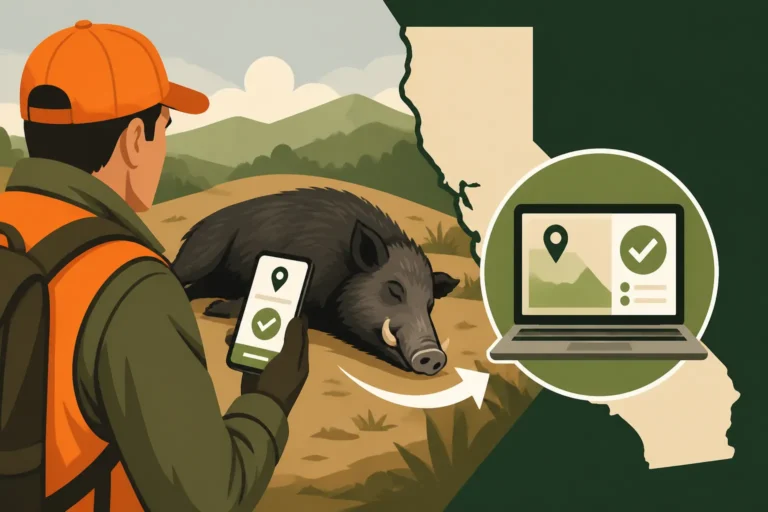
California Bear Nonresident Tag Cost
Hunting in a new state always comes with its own unique set of challenges and questions, and for nonresident hunters eyeing California's black bear population, one of the first hurdles is figuring out the financial commitment. It’s not just about the bear tag itself; there’s a whole ecosystem of licenses, validations, and requirements that can feel like navigating a dense thicket if you don't have a clear path. This guide aims to clear up all that confusion, breaking down the exact costs and crucial considerations for nonresidents hoping to pursue a California black bear.
Understanding the Nonresident Bear Tag Cost
Let’s get right to the heart of the matter for those traveling from out of state to hunt California black bear. The cost of a nonresident bear tag is a significant piece of the puzzle, and it's essential to factor this into your overall hunting budget. As of the current season, a nonresident bear tag in California typically runs around $305.00. This is considerably more than what a California resident would pay, reflecting the common practice across many states to charge nonresidents a premium for hunting opportunities.
But here’s the kicker: you can’t just buy a bear tag. Think of it like a prerequisite. Before you can even consider adding that bear tag to your cart, you absolutely must first purchase a California nonresident hunting license. This base license is the foundational permit that allows you to legally hunt any game in the state, and it comes with its own price tag. Currently, a nonresident annual hunting license costs approximately $216.00. So, right off the bat, you’re looking at a combined initial outlay of around $521.00 just for the privilege of pursuing a bear in the Golden State. It's a hefty sum, but for many, the chance to experience California's diverse landscapes and robust bear population is well worth the investment.
Additional Costs and Essential Requirements for Out-of-State Hunters
Beyond the direct cost of the bear tag and the base hunting license, there are several other financial and regulatory hurdles nonresidents need to be aware of. Overlooking these can lead to unexpected expenses or, worse, put you on the wrong side of the law.
The Mandatory Hunter Education Certificate
First and foremost, if you've never held a California hunting license, or if your last California license was issued before 1993, you'll need to provide proof of hunter education. For nonresidents, this typically means providing a valid hunter education certificate from another state or province. Thankfully, California accepts certificates from other jurisdictions, provided they meet certain standards. Make sure your certificate is easily accessible, as you'll likely need to show it when purchasing your first California license, often through the CDFW's online licensing portal. You can find more specific details on the requirements by looking into California Hunter Education Requirements.
Navigating California's Non-Lead Ammunition Mandate
This is a critical point that cannot be overstated: California has a statewide non-lead ammunition requirement for all hunting. This means that if you're planning to hunt bear with a rifle or shotgun, every single projectile you carry must be certified as non-lead. This mandate has been fully implemented since July 1, 2019, and there are no exceptions for nonresidents. This will undoubtedly impact your ammunition choices and potentially your budget.
Non-lead ammunition, typically made from copper or copper alloys, often costs more than traditional lead-core rounds. It’s also crucial to test your rifle with these new loads to ensure accuracy, as different bullets can impact point of aim. Don't just show up with your old lead rounds; it's a surefire way to get a ticket and have your hunt cut short. Researching California's Non-Lead Ammunition Requirement beforehand is essential. Brands like Barnes, Hornady, and Federal offer excellent non-lead options, but they can be harder to find and pricier. Using a resource like GoHunt can help you research specific non-lead ammunition options and availability, allowing you to prepare well in advance.
Understanding the Statewide Bear Quota
California operates under a statewide quota system for black bears. This means that the season will close early if a predetermined number of bears (currently 1,700 statewide) are harvested before the official season end date. This is a crucial piece of information for nonresidents, especially those planning a hunt later in the season.
Imagine traveling all the way to California, only to find out the bear season closed a week before you arrived because the quota was met. It happens! The CDFW updates the quota status regularly, often several times a week, during the season. It’s imperative to stay informed. Many seasoned hunters utilize tools like GoHunt or subscribe to CDFW alerts to monitor the quota. You can also directly check Checking Whether the Bear Quota Has Closed for real-time information. This quota system adds a layer of urgency and strategic planning to any bear hunt in California, particularly for those coming from out of state with limited time.
Here's a quick breakdown of key nonresident costs:
| Item | Estimated Nonresident Cost | Notes |
|---|---|---|
| Annual Hunting License | $216.00 | Mandatory prerequisite for all other tags. |
| Bear Tag | $305.00 | Allows you to hunt one bear per season. |
| Hunter Education | Varies (if needed) | Acceptable from other states; one-time fee for a course. |
| Non-Lead Ammunition | Varies ($50-$100+ per box) | Typically more expensive than lead; essential for compliance. |
| Total Minimum Initial | ~$521.00 | Excludes hunter ed, ammo, travel, lodging, and other gear costs. |
Costs are approximate and subject to change; always verify current fees with the California Department of Fish and Wildlife (CDFW).
The Nonresident Application Process and Key Deadlines
For nonresidents, navigating the California licensing system can feel a bit daunting, but it’s straightforward once you understand the steps. Unlike some states where bear tags are part of a lottery draw, California bear tags are generally available over-the-counter until the statewide quota is met or the season officially closes.
How to Purchase Your License and Tag
The easiest and most common way to purchase your California hunting license and bear tag is through the CDFW's online ALDS (Automated License Data System) portal. You can also purchase them in person at a licensed agent or a CDFW office, but for nonresidents, the online system is usually the most convenient. When using the online portal, you'll first purchase your base nonresident hunting license. Once that's complete, you can then add the bear tag to your cart.
It’s crucial to remember that your hunting license is valid for a specific license year, which typically runs from July 1st to June 30th. So, if you’re planning a hunt that spans across these dates, you'll need to ensure your license covers the entire duration. For more general information about obtaining your permits, check out California Hunting Licenses and What They Cost.
Season Dates and Quota Monitoring
California's black bear season has specific dates, often with an early archery-only window followed by a general season where firearms are permitted. For instance, the California Bear Archery Season Opening Day typically precedes the California Bear General Season Opening Day. You need to be aware of these dates to plan your travel.
However, the biggest "deadline" for bear hunters is the statewide quota. As mentioned, the season closes abruptly once the 1,700-bear limit is reached. This makes early season hunting, especially the archery season, very popular for those looking to avoid a premature closure. It also means consistent monitoring of the CDFW website or using a reliable hunting app is absolutely vital as your hunt approaches. Many hunters find platforms like GoHunt invaluable for keeping track of these dynamic closures and season updates.
Strategies and Considerations for the Nonresident Bear Hunter
Beyond the financial and regulatory aspects, a successful nonresident bear hunt in California requires careful planning, strategy, and understanding of the unique hunting environment.
Comprehensive Hunt Planning
Coming from out of state, you’ll want to maximize your time and effort. This means thoroughly researching your chosen hunting area well in advance. California offers a vast amount of public land for hunting, including national forests and BLM land. Understanding the terrain, vegetation, and potential bear activity in these areas is crucial. Resources like GoHunt are excellent for mapping out public land boundaries, identifying potential water sources, and pinpointing areas that might hold feed, such as oak ridges or berry patches. For a broader understanding of where you can hunt, explore Public Hunting Land in California.
Consider the time of year you plan to hunt. Early season hunts, especially the archery season in August, can be incredibly hot, requiring different strategies than a cooler fall hunt. Bears will be focused on food sources like acorns, berries, and fallen fruit during these times. Later in the season, they might be more concentrated on gaining weight before denning, often near oak trees that still hold acorns.
Gear Preparedness
Your gear choices will be heavily influenced by California's diverse and often rugged terrain.
- Optics: Good optics are essential for spot-and-stalk bear hunting, especially in California's more open, mountainous regions or burn scars where bears might be feeding. A quality pair of binoculars and a spotting scope can make all the difference in locating a bear from a distance.
- Footwear and Clothing: Be prepared for steep climbs, thorny brush, and unpredictable weather. Layered clothing is a must, allowing you to adapt to warm daytime temperatures and cool nights, especially in the mountains. Sturdy, well-broken-in boots are non-negotiable for covering miles of challenging ground.
- Packs: A reliable pack capable of carrying essential gear for a day hunt, plus having the capacity to haul out meat, is vital. Remember, if you get a bear, you'll need to pack out all edible meat, which can be a strenuous task in steep terrain. Think about Packs and Gear for a Backcountry Elk Hunt for inspiration, as many of those principles apply to bear as well.
- Safety Gear: Bear spray, a comprehensive first-aid kit, a reliable navigation device (GPS or a mapping app like onX), and a satellite communicator are all highly recommended, especially when hunting remote public lands where cell service is non-existent.
- Specific Bear Hunting Gear: For those focusing on Spot-and-Stalk Bear Hunting Before the Quota Closes, consider specialized gear. This might include scent control, calls (though not as commonly used for black bears as for other species, they can sometimes be effective), and specialized knives for field dressing.
Respecting Regulations and Ethics
As a nonresident, you are a guest in California's hunting grounds. It's paramount to adhere to all regulations, not just the obvious ones. This includes proper carcass care, understanding reporting requirements, and respecting private land boundaries. California has strict rules about transporting game, especially concerning potential disease transmission, though CWD testing is not mandatory for bears. Always carry your license and tag, and be prepared to present them if requested by a game warden. Ethical hunting practices, such as ensuring a clean kill and retrieving all edible meat, are expected.
Conclusion
Hunting California black bear as a nonresident is an incredible experience that offers the thrill of pursuing a challenging animal in some of the most beautiful and rugged landscapes the country has to offer. While the financial investment for the nonresident hunting license and bear tag, totaling over $500, is substantial, the meticulous planning, adherence to non-lead ammunition laws, and constant monitoring of the statewide quota are equally, if not more, critical for a successful and legal hunt. By understanding these costs and requirements, utilizing resources like the CDFW website and platforms like GoHunt, and preparing thoroughly, nonresident hunters can set themselves up for an unforgettable adventure in the Golden State.
Disclaimer
Please note that hunting regulations, seasons, and costs are subject to change by the California Department of Fish and Wildlife (CDFW). Always consult the most current CDFW regulations and official guides before planning and embarking on any hunting trip in California. This article is intended for informational purposes only and does not constitute legal advice.