Which Zones Require Mandatory CWD Testing
The worry of new regulations cropping up, especially when you're just trying to enjoy your time afield, is something every California hunter can relate to. It feels like every season brings a new rule, and staying on top of it all can be a real headache. One such critical development that's changing how we approach deer hunting in certain parts of our state is the recent establishment of mandatory Chronic Wasting Disease (CWD) testing zones. This guide will walk you through exactly which zones require this testing, why it's in place, and what steps you, as a responsible hunter, need to take.
Understanding California's CWD Challenge
Chronic Wasting Disease is a serious concern for wildlife managers and hunters alike. It's a progressive, fatal neurological disease that affects deer, elk, and moose. Think of it as a silent, invisible threat that can devastate deer herds, and unfortunately, it's now a reality we're facing in California.
What is Chronic Wasting Disease?
CWD is caused by abnormal proteins called prions, which are highly resistant and can persist in the environment for a long time. These prions accumulate in the brain and other tissues of infected animals, eventually leading to a range of symptoms like extreme weight loss (wasting), stumbling, listlessness, and behavioral changes. Infected animals become emaciated and typically die. The biggest fear? It's always fatal, there's no cure, and it can spread through direct animal-to-animal contact or indirectly through contaminated environments like soil, plants, and even feed and water sources.
For years, California was one of the few western states that hadn't detected CWD within its borders. We watched with apprehension as it spread across the country, affecting herds in states like Colorado, Wyoming, and Utah. This made California’s wildlife health experts highly vigilant. The recent detections in Inyo and Mono counties were a stark reminder that this isn't just a "somewhere else" problem anymore. It’s here, and it demands our collective attention to manage and mitigate its spread. The long-term implications for our deer populations and hunting opportunities are significant, which is why understanding and complying with testing protocols is so crucial.
Why Mandatory Testing in Specific Zones?
The California Department of Fish and Wildlife (CDFW) didn't implement mandatory testing lightly. This decision came after the first confirmed cases of CWD in wild deer in California, specifically found in eastern central California. The scientific understanding of CWD dictates that early detection and monitoring are our best tools to understand the prevalence and distribution of the disease. By focusing mandatory testing in the areas immediately surrounding these initial detections, CDFW aims to get a clearer picture of how widespread the disease might be and to contain its potential spread.
Imagine if a wildfire started, and we just let it burn without knowing where it was heading. Mandatory testing is like sending out reconnaissance teams to map the fire's edge and intensity. Without this data, management efforts would be like shooting in the dark. These zones are considered at higher risk because they are where CWD has already been detected or are adjacent to those areas, making them critical for surveillance. It’s an inconvenient but necessary step to protect the overall health of our deer herds for future generations. It’s about being proactive, not just reactive, in the face of a serious wildlife disease. This strategy is part of California's broader efforts in California's Deer and Elk Disease Monitoring, aiming to safeguard all game species.
Identifying the Mandatory CWD Testing Zones in California
The news of CWD in California led to rapid adjustments in regulations. It's vital for hunters to know if their hunting area falls within one of these mandatory testing zones, as failing to comply can result in citations and compromise the state's disease management efforts. The landscape of these zones can change, so always check the latest CDFW announcements.
The Current Designated Testing Zones
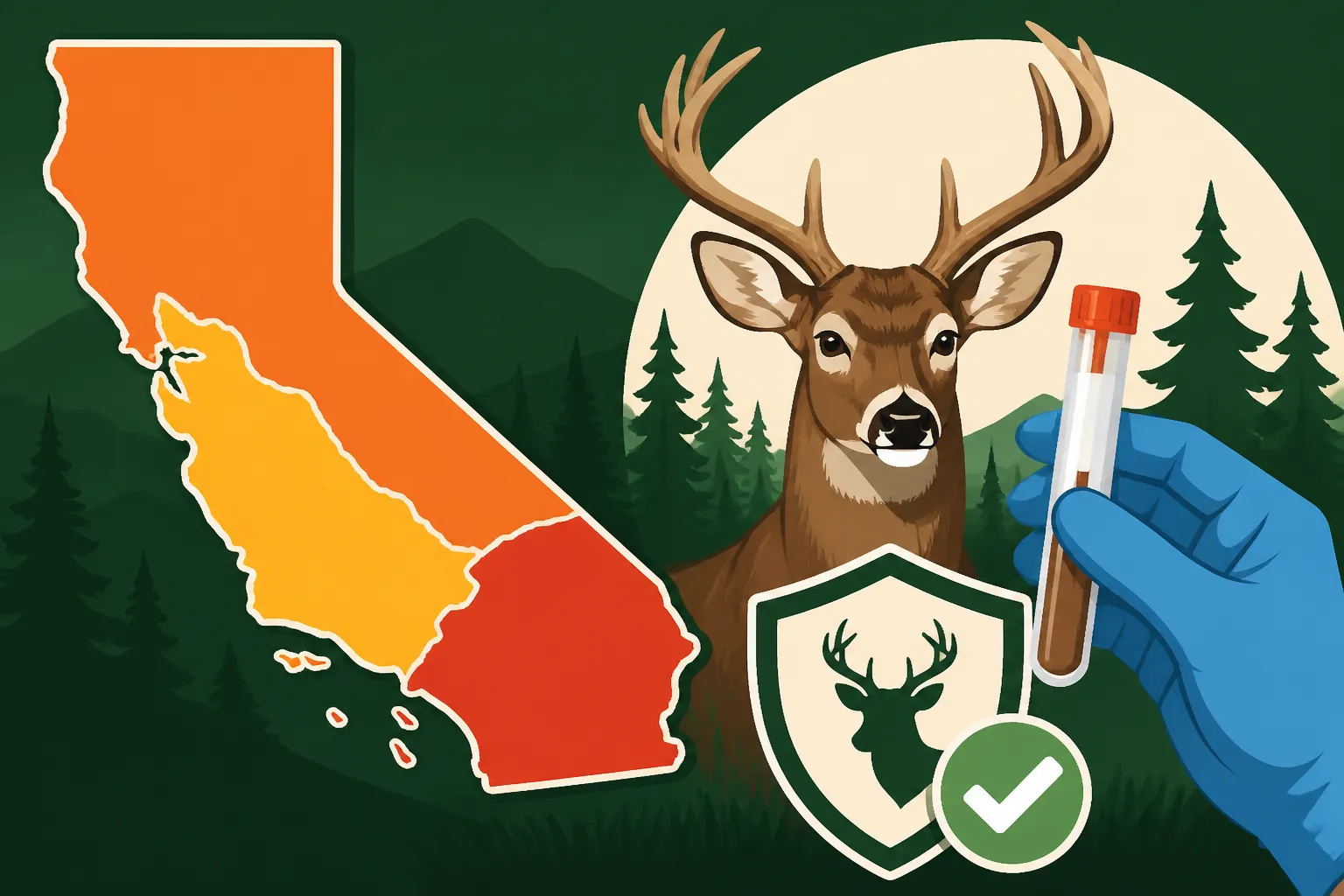
As of the latest updates, following confirmed detections of CWD, the California Department of Fish and Wildlife has designated several deer hunting zones as mandatory testing areas for the upcoming 2024 season. These zones are concentrated in the eastern central part of the state where the initial cases were identified. This isn't just one or two small spots; it's a significant portion of our deer hunting areas that are now under scrutiny.
Here are the specific deer hunt zones where mandatory CWD testing is required for all harvested deer:
- Deer Hunt Zones D7, D8, D9, D10, D12
- Eastern Sierra Deer Hunt X-Zones: X8, X9a, X9b, X10, and X12
This means that if you are fortunate enough to harvest a deer in any of these zones, your responsibilities extend beyond the typical California Deer Reporting Requirements; you must also submit a tissue sample for CWD testing. These zones cover vast and popular hunting grounds, including portions of Inyo, Mono, and surrounding counties, where many hunters pursue both blacktail and mule deer. Resources like GoHunt can be invaluable for cross-referencing these zones with detailed maps and planning your hunt, ensuring you're fully prepared for any regulatory requirements.
What to Do If You Harvest a Deer in These Zones
So, you've successfully tagged a deer in one of these mandatory testing zones. Congratulations! Now, here’s what you need to do regarding CWD testing:
- Locate a Sample Collection Station: CDFW has established designated CWD sample collection stations or drop-off locations within or near these zones. It's crucial to identify these before your hunt. You can often find this information on the CDFW website, under their CWD management pages, or sometimes even at local sporting goods stores in the area. Checking for Finding a California CWD Sampling Location is a good starting point.
- Submit Your Sample: You are required to submit specific tissue samples from your harvested deer for testing. Typically, this involves submitting the head, or at least the lymph nodes located in the throat area, to a designated collection station. Some stations might have personnel who can collect the sample for you, while others may be self-service drop-off points with clear instructions.
- Adhere to the Deadline: There's usually a specific timeframe within which you must submit your sample. The CDFW typically requires samples to be submitted within California's Ten-Day CWD Testing Window following the harvest. This helps ensure the freshness of the sample and the timely processing of results.
Remember, compliance is not just a legal obligation; it's a critical part of being a responsible hunter and contributing to the health of California's deer herds.
The Testing Process: What Hunters Need to Know
Navigating the specifics of CWD testing might feel a bit daunting, especially if it's your first time encountering such a requirement. But rest assured, the process is designed to be as straightforward as possible for hunters while gathering the vital data needed by wildlife health experts.
How to Submit Your Sample
Once you’ve harvested your deer in a mandatory zone, the next step is submitting the required sample. This isn't like dropping off a blood sample at your doctor's office; it involves specific tissues that are critical for CWD detection.
Most often, the CDFW requires either the entire head of the harvested deer or specific lymph nodes from the neck region. These are the tissues where CWD prions are most readily detected. If you're required to submit the entire head, make sure it's kept cool and clean until you can get it to a sampling station. Avoid freezing it if possible, as it can sometimes degrade the sample quality. Some stations, particularly those staffed by CDFW personnel or volunteers, might have trained individuals who can extract the necessary lymph nodes for you. This is often the easiest option. However, many locations might be self-service drop-off points, especially in remote areas. These stations will have clear instructions and often provide kits with gloves and tools for you to collect the retropharyngeal lymph nodes yourself. It sounds complex, but it’s manageable with the right guidance. Always follow the instructions precisely to ensure a viable sample is collected. Websites like GoHunt might offer helpful video tutorials or detailed guides on how to properly field dress and sample your deer for CWD.
Here's a quick overview of the submission process:
- Documentation: Ensure your deer tag is properly validated and available. You'll need to fill out a submission form with your contact details, harvest date, and location (including GPS coordinates if possible). This information is crucial for tracking purposes.
- Packaging: If you're self-sampling, place the collected lymph nodes into the provided plastic bag or container, ensuring it's sealed. Label it clearly with the required information.
- Drop-off: Deposit the sample at the designated CDFW CWD sampling station. These can be various locations, from staffed check stations during opening weekends to unstaffed drop boxes at ranger stations or even some sporting goods stores.
Handling Your Harvest Before Test Results
The waiting game for test results can be agonizing, especially when you're eager to process your hard-earned venison. The good news is that CWD has not been shown to be transmissible to humans through the consumption of infected meat. However, out of an abundance of caution, public health agencies generally recommend against consuming meat from CWD-positive animals.
Until you receive your test results, which can take several weeks, the CDFW recommends specific precautions for Handling Venison From a CWD Testing Zone. The primary guidance is to avoid moving the entire carcass out of the testing zone if possible. If you must transport it, keep the head separate and ensure all brain, spinal cord, and lymphatic tissues (spleen, tonsils, lymph nodes) are removed and disposed of properly within the testing zone or at a designated disposal site. This minimizes the risk of inadvertently spreading prions to new areas.
If you process your deer at home before getting results:
- Debone the meat: Remove all bones, spinal cord, and brain matter. Only keep muscle tissue.
- Package and Freeze: Package your meat as usual and freeze it. Freezing will preserve the meat until results come back.
- Wait for Results: Do not consume the meat until you receive a "negative" test result from CDFW. They will typically notify you via email or mail if your animal tests positive. If you do not hear from them, assume your results are negative, but it's always best to confirm if you're concerned.
- Proper Disposal: If your deer tests positive for CWD, you'll receive instructions from CDFW on how to dispose of the meat and remaining carcass parts safely. This usually involves double-bagging and sending it to a specific landfill or incinerator. This is vital to prevent the spread of prions.
It's a lot to consider, but these steps are crucial for mitigating risk and protecting our wildlife resources.
Implications for Hunters and Future Outlook
The presence of CWD and the implementation of mandatory testing mark a significant shift in hunting practices in California. It's not just a passing inconvenience; it's a new reality we need to adapt to.
Impact on Hunting Practices and Regulations
For hunters in the affected D-zones and X-zones, these new rules mean more than just remembering a few extra dates. They fundamentally alter the post-harvest routine. You can no longer just field dress your deer and head home without a stop at a CWD station. This requires planning, especially if you're hunting remote areas or on a multi-day trip. You’ll need to factor in travel time to a sampling station, and the logistics of keeping the required sample cool and clean. This is an added layer of responsibility, but one that is absolutely essential for disease management.
Furthermore, there are strict rules regarding Moving a Deer Carcass Out of a Testing Zone. If you harvest a deer in a CWD-positive area, you cannot transport certain high-risk parts (like the brain, spinal cord, and lymph nodes) out of that zone. This means you might need to perform more thorough field dressing at your harvest site or at a designated processing area before leaving the mandatory testing zone. This could be a challenge for hunters accustomed to bringing a whole or halved carcass home for processing.
The long-term outlook for hunting could also be affected if CWD spreads more widely or if prevalence rates increase. This might lead to more widespread testing, changes in tag allocations, or even population management strategies aimed at reducing herd density in infected areas. Organizations like GoHunt are great resources for keeping up with these evolving regulations and understanding the deeper impacts on hunting opportunities. This proactive approach will help secure the future of deer hunting in California, even if it introduces some changes in the short term.
Staying Informed About CWD Updates
Given the dynamic nature of CWD and wildlife disease management, it's absolutely paramount that hunters stay current with the latest information and regulations from the CDFW. What's true this season might evolve by the next, especially as scientists learn more about the disease's spread within California.
Here’s how you can make sure you’re always in the loop:
- CDFW Website: The official California Department of Fish and Wildlife website is your primary and most reliable source for all CWD-related information. They will post updates on new detections, changes to mandatory testing zones, sampling station locations, and important advisories. Make it a habit to check their "Wildlife Diseases" or "Deer Hunting" sections before each season.
- Sign Up for CDFW Alerts: Many state agencies offer email newsletters or alert systems. Subscribing to CDFW’s wildlife health updates can ensure you receive critical information directly in your inbox.
- Hunting Forums and Communities: Online platforms, forums, and social media groups dedicated to California hunting can be excellent places to hear about real-time experiences from other hunters and discuss emerging issues. Just remember to always verify information with official CDFW sources.
- Organizations like GoHunt: Hunting platforms and data providers like GoHunt often compile and summarize critical regulation changes, including CWD updates, making it easier for hunters to access and understand what they need to know. Their detailed maps and data layers can help you visualize the CWD zones in relation to your chosen hunting areas.
- Local Sporting Goods Stores and Guides: Don't underestimate the value of local knowledge! Staff at sporting goods stores in hunting communities, especially those near the affected zones, or experienced local hunting guides, are often well-informed about current regulations and local sampling station operations.
By staying informed, you not only ensure your own compliance but also become a vital partner in the ongoing effort to monitor and manage CWD in California. Your vigilance helps protect our deer and the tradition of hunting for everyone.
Summary of California's Mandatory CWD Testing Zones & Hunter Actions
| Deer Hunt Zone Category | Specific Zones Requiring Mandatory CWD Testing (2024) | Hunter Action Required Post-Harvest | Reasoning |
|---|---|---|---|
| D-Zones | D7, D8, D9, D10, D12 | Submit head/lymph nodes to CDFW CWD sampling station within 10 days. | Areas with confirmed CWD detections or high-risk for spread. |
| Eastern Sierra X-Zones | X8, X9a, X9b, X10, X12 | Submit head/lymph nodes to CDFW CWD sampling station within 10 days. | Critical for surveillance and understanding disease prevalence in these regions. |
| Carcass Movement | All listed zones | No high-risk parts (brain, spinal cord, spleen, lymph nodes) out of zone. | Prevent inadvertent spread of CWD prions to unaffected areas. |
| Meat Consumption | All listed zones | Do not consume meat until negative test result confirmed by CDFW. | Precautionary measure against potential CWD transmission. |
Disclaimer
The information provided in this guide is for general educational purposes only and is subject to change. Hunting regulations, including CWD testing requirements, are regularly updated by the California Department of Fish and Wildlife. Always consult the most current official CDFW hunting regulations and CWD advisories before planning or engaging in any hunting activities. Compliance with all applicable laws and regulations is the sole responsibility of the hunter.