California Dove Season Dates
Trying to figure out when California's dove season actually starts, or worse, when it unexpectedly closes for a second period, can feel like you need a secret decoder ring just to plan a simple hunt. It’s a common frustration for many of us who just want to enjoy a few days chasing these fast-flying birds without accidentally breaking a regulation. This guide is here to lay out exactly when and how you can ethically and successfully hunt doves in the Golden State, cutting through the confusion of dates, limits, and the unique rules we have here.
Understanding California's Dove Seasons and Why They Matter
California's dove hunting framework isn't just one long, continuous stretch; it’s a thoughtfully designed system, often split into two distinct periods. This structure is in place for a couple of important reasons, primarily to coincide with the birds' migratory patterns and to offer fair opportunities across different stages of the hunting season. For us hunters, it means we need to pay close attention to the calendar if we want to make the most of our limited time afield.
The Split Season Structure: Early vs. Late
The idea behind California's split dove season is pretty clever, but it definitely keeps us on our toes. You'll typically find an "early" season and a "late" season. The early season is a major highlight for many, opening promptly on September 1st each year and usually running for about two weeks, closing around September 15th. This is when birds are often abundant, especially around agricultural areas, and are typically local, resident birds or early migrants passing through. The weather can still be pretty warm, sometimes even scorching, so planning for hydration and early morning/late evening hunts is crucial.
Then, after a break, we get a second bite at the apple with a later season. For instance, in 2024, the late season generally runs from early November, say around November 9th, straight through to late December, like December 23rd. This later period often sees different birds, typically larger concentrations of migratory doves that have moved down from further north, and the hunting conditions can be wildly different—cooler, sometimes even rainy. It’s a completely different experience than those sweltering September days. The reason for this break and a later season is often tied to allowing a portion of the population to move through undisturbed and to catch a later wave of migration. It also gives farmers a chance to finish harvests in certain areas. It's a system that, while sometimes a bit of a puzzle to remember year after year, ultimately aims to manage the resource responsibly and enhance hunting opportunities.
Key Regulations Beyond Just Dates
Knowing the exact dates is just the first step. There are other crucial rules that often trip up even experienced hunters, particularly concerning what you can legally shoot and how many. California, with its diverse dove populations, has specific regulations for different species, and understanding these is key to staying within the law and enjoying a guilt-free hunt.
The most sought-after doves are the Mourning Dove and the White-winged Dove. For these two species, the daily bag limit is generally 15 birds, with a possession limit of 45. Now, here’s where it gets a little tricky: a daily bag limit means how many you can harvest in one calendar day. A possession limit refers to the total number of birds you can have on your person, in your vehicle, or stored at home, after multiple days of hunting. So, if you hunt for three days and limit out each day, you could theoretically have 45 birds in your freezer. But you cannot, for example, shoot 20 Mourning Doves in one day. This distinction between daily and possession limits is a common point of confusion for new and sometimes even seasoned hunters, and it’s something the California Department of Fish and Wildlife (CDFW) takes seriously.
Beyond Mourning and White-winged doves, California is also home to Eurasian Collared-Doves and Spotted Doves. These are considered exotic or introduced species, and because they are not native and can sometimes compete with native species, the regulations are different. For Eurasian Collared-Doves and Spotted Doves, there is no bag limit and no possession limit. You can also hunt them year-round, even outside the designated dove seasons for Mourning and White-winged Doves. This is a huge bonus for hunters looking for extra opportunities, but it requires positive identification in the field, which can be challenging, especially for Eurasian Collared-Doves that look very similar to Mourning Doves. Remember that you’ll still need your valid licenses, even when pursuing these unlimited species.
Hunting hours are also consistent: from one-half hour before sunrise to sunset. This provides ample time, especially during the early season when doves are most active in the cooler mornings and evenings. Always carry a reliable light source for navigating to and from your spot in the pre-dawn or post-sunset hours, especially if you're venturing into unfamiliar territory. Being aware of these additional layers of regulations, not just the season dates, is absolutely paramount for a successful and legal hunt. For any migratory bird hunting, including doves, you’ll also need to ensure you have a valid California Migratory Bird Certification as part of your licensing.
Navigating License Requirements and Ammunition Rules for Dove
Hunting doves in California isn't just about showing up with a shotgun and some shells. Like all hunting in the state, it comes with specific license requirements and, perhaps most notably, a strict statewide mandate regarding the type of ammunition you can use. Understanding these essentials before you even think about stepping into the field will save you a lot of grief and ensure you’re hunting legally and responsibly.
Essential Licenses and Stamps
Before you can even start thinking about those fast-flying doves, you need to make sure your paperwork is in order. The absolute cornerstone for any hunter in California is a valid annual California hunting license. This is your basic entry ticket to hunting any game species in the state, whether you're a resident or a non-resident. You can pick these up online through the CDFW license portal or at authorized license agents like sporting goods stores.
Beyond the basic hunting license, there's another crucial step specifically for migratory bird hunters, and that includes doves: the Harvest Information Program (HIP) validation. This isn't a separate "stamp" in the traditional sense, but an endorsement you add to your hunting license. It's usually a small fee, and it's mandatory for anyone hunting migratory game birds in California. The data collected through HIP is vital for wildlife managers at both state and federal levels to monitor harvest trends and manage migratory bird populations effectively. It’s super easy to add when you purchase your main license. You simply declare that you intend to hunt migratory birds, and it’s appended to your license. It’s important to note that while some migratory bird hunting, like waterfowl, requires a Federal Duck Stamp, doves do not. So, you can save that particular expense for your duck and goose pursuits.
For our younger hunters, California has some fantastic programs in place. If you're planning a hunt with a youth, make sure to look into the California Junior License Discount Program, which offers reduced fees for junior hunting licenses, making it more accessible for the next generation to get involved. Always ensure that any junior hunter meets the California Hunter Education Requirements before hitting the field. Safety and proper training are always the top priority!
The Non-Lead Ammunition Mandate
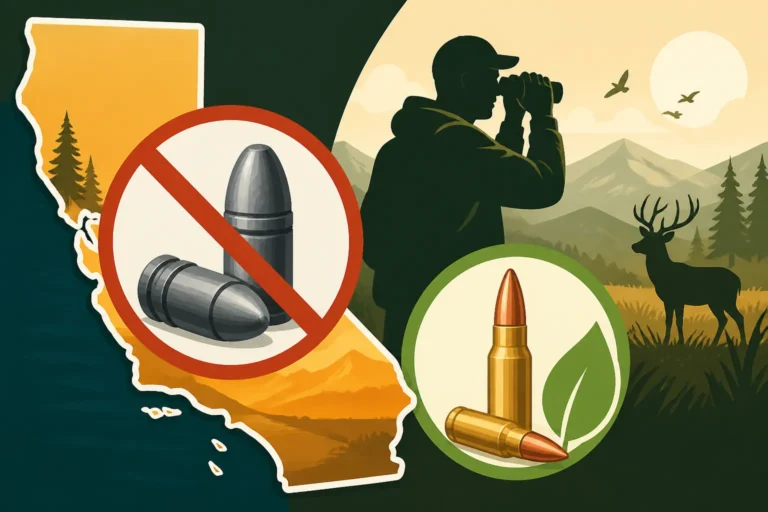
Here's where California truly stands apart from most other states. As of July 1, 2019, California implemented a statewide ban on lead ammunition for all hunting, including for doves and other small game. This means that for any dove hunting you do, you must use non-lead shotgun loads. There’s no getting around it, and wardens will check. The primary reason for this mandate is the protection of wildlife, particularly scavengers like the California Condor, which can suffer from lead poisoning by ingesting bullet fragments left in gut piles or unrecovered game.
For dove hunters, this means your traditional lead birdshot is no longer an option. Instead, you'll need to choose from a variety of Non-Lead Shotgun Loads for Upland Birds. The most common and often most affordable non-lead alternative is steel shot. It performs admirably for doves, though some hunters find it has a slightly different feel and pattern than lead, and it’s generally lighter, so you might need to adjust your choke selection. Beyond steel, there are other non-lead options like bismuth and tungsten alloys, which are denser and offer ballistic performance closer to lead, but they typically come with a higher price tag.
The shift to non-lead can be a bit of a headache, especially with ammunition availability and cost. It's not uncommon to hear hunters frustrated by the limited selection on store shelves or the higher price per box compared to lead. This is where a little planning goes a long way. Don't wait until the last minute before the September opener to find your non-lead shells. Check with your local sporting goods stores well in advance, and consider ordering online if you have the time. Many hunters also find it beneficial to spend some time patterning their shotguns with their chosen non-lead loads before the season, just to get a feel for how they perform and to select the best choke for optimal spread. Companies like Federal, Winchester, and Kent Cartridge offer various non-lead options that are certified for use in California, so you have choices, even if they sometimes require a bit more searching. Remember, ignorance of the law is no excuse, so make sure every shell in your vest is non-lead.
Prime Locations and Tactics for California Dove Hunting Success
Once you've got your licenses in order and your non-lead ammo stacked, the next big question is: where do you go, and how do you actually get those fast-flying little rockets into your bag? California is a huge state with diverse landscapes, and doves are found in many of them, but certain areas and strategies tend to yield the best results.
Where Doves Congregate in California
Doves, particularly Mourning Doves, are creatures of habit and are highly attracted to specific habitat features. If you can locate these, you’re already halfway to a successful hunt. The number one draw for doves across California is agricultural fields, especially those that have recently been cut or harvested. Doves are primarily seed-eaters, and fields of wheat, barley, oats, sunflowers, corn, and even safflower, once harvested, become a veritable buffet for them. The Central Valley and Imperial Valley are prime examples of vast agricultural landscapes where doves thrive. In these areas, finding Hunting a Cut Grain Field can be the ticket to incredible action, particularly on opening day. Doves will swoop in to feed on fallen seeds, especially in the early morning and late afternoon.
Beyond feeding grounds, doves also need water sources. In California’s often dry climate, any pond, creek, stock tank, or even a muddy seep can become a magnet for doves, especially during the warmer early season. They'll fly to water usually twice a day, once in the late morning after feeding and again in the late afternoon before heading to roost. Scouting these watering holes can be incredibly productive. You might find them along river bottoms or in more arid areas of the state.
Finally, doves need roosting areas. These are typically groves of trees (eucalyptus, oaks, power lines, dead trees) where they gather at night. They'll fly from feeding and watering areas to these roosts in the evenings, offering opportunities for pass shooting as they make their final flights of the day.
Geographically, the Central Valley is a powerhouse for dove hunting, particularly around areas like the Sacramento Valley and the San Joaquin Valley, due to the extensive agriculture. The Imperial Valley in Southern California is another hotspot, famous for its incredible white-winged dove populations, though the heat can be brutal there on opening day. Even some of the foothill regions, particularly where oak woodlands meet agricultural fields, can hold good numbers of doves. When planning your hunt, consider using resources like the CDFW’s public land maps or apps like GoHunt, which can help you identify land ownership and potential dove habitat. GoHunt offers excellent mapping layers that can show you agricultural fields and water sources on public land or even aid in finding permission on private parcels by showing property boundaries. Keep an eye out for California Public Dove Field Draw Rules, as some public wildlife areas offer managed hunts that can be fantastic opportunities.
Effective Hunting Strategies
Once you’ve found a promising spot, how do you maximize your chances? Dove hunting largely boils down to a few core strategies:
-
Sitting and Waiting (Pass Shooting): This is perhaps the most common and often most effective method. Find a strategic position – a fence line bordering a cut field, a brush line near a watering hole, or a spot along a flight corridor leading to a roost. Set up before dawn or in the early afternoon, get comfortable, and wait for the birds to come to you. Doves are incredibly fast and erratic fliers, making them challenging targets, so quick reflexes are essential. Make sure your backdrop is safe and that you're aware of other hunters, especially if you're on public land. Observing California Blaze Orange Requirements isn't mandatory for dove hunting, but wearing some blaze orange is always a smart move for visibility, especially on crowded public lands.
-
Decoying Strategies: While not as critical as for ducks or geese, decoys can absolutely enhance your dove hunt, especially if the birds are a bit wary. Simple dove decoys, often clipped onto fences, branches, or stakes in a field, can help draw passing birds closer to your setup. Motion decoys, like spinning-wing dove decoys (often called "Mojo Doves"), can be incredibly effective, especially in attracting birds from a distance. A few well-placed decoys can make a big difference in pulling birds into optimal shotgun range.
-
Calling: Mourning dove calls exist, but they are generally not used in the same way as turkey or duck calls. They can sometimes be used to locate birds or to try and draw a bird that's just out of range, but they aren’t typically a primary hunting tool for doves. Focus more on scouting and positioning.
-
Jump Shooting: This involves slowly walking through fields or along tree lines, flushing birds as you go. While it can be exciting and yield opportunities, it's often less productive than pass shooting, especially if the fields are large or birds are scattered. It also requires more effort and can be less stealthy. If you're going to jump shoot, do so with a clear understanding of where your hunting partners are and a safe zone of fire.
No matter your strategy, ethical hunting practices are key. Only take shots at birds within your effective range – often within 30-40 yards for doves – to ensure clean kills and minimize wounded birds. Pick up all your spent casings, and always respect private property boundaries. By combining knowledge of dove behavior, strategic scouting, and ethical hunting practices, you'll be well on your way to a satisfying California dove season.
Here’s a quick overview of the typical season structure and key regulations for dove hunting in California:
| Season Aspect | Details (Typical for Mourning/White-winged Doves) | Notes |
|---|---|---|
| Early Season Dates | September 1st – September 15th (Statewide) | Typically the most popular period, often with warmer weather. Focus on local birds and early migrants. |
| Late Season Dates | Approximately November 9th – December 23rd (Statewide – e.g., 2024 dates, verify current year) | Cooler weather, often sees larger concentrations of migratory birds. |
| Daily Bag Limit | 15 doves (Mourning & White-winged combined) | This is the maximum you can harvest in one calendar day. |
| Possession Limit | 45 doves (Mourning & White-winged combined) | Total number of birds you can have in possession (on person, in vehicle, stored) from multiple days of hunting. |
| Unlimited Doves | Eurasian Collared-Doves, Spotted Doves | No bag/possession limits. Can be hunted year-round. Requires positive identification. |
| Hunting Hours | One-half hour before sunrise to sunset | Consistent for both early and late seasons. |
| Required Licenses | Valid California Hunting License, Harvest Information Program (HIP) Validation | HIP validation is mandatory for all migratory game bird hunters. Federal Duck Stamp not required for doves. |
| Ammunition Requirement | Non-lead shot only (steel, bismuth, tungsten, etc.) | Statewide mandate, lead ammunition is prohibited for all hunting in California. Plan ahead for availability and cost. |
| Key Habitats | Cut agricultural fields (wheat, corn, sunflower), water sources (ponds, tanks), roosting areas (tree lines, power lines) | Scouting these areas, particularly in the Central and Imperial Valleys, will greatly improve your success. Utilize mapping tools like GoHunt. |
Disclaimer
The information provided in this guide is for general informational purposes only and is subject to change. Hunting regulations, season dates, and specific requirements are determined by the California Department of Fish and Wildlife (CDFW) and can be modified annually. Always consult the most current official CDFW hunting regulations booklet or website before engaging in any hunting activity. Failure to do so could result in fines, penalties, or loss of hunting privileges. Hunters are responsible for understanding and adhering to all applicable federal, state, and local laws.