California Duck and Goose Numbers
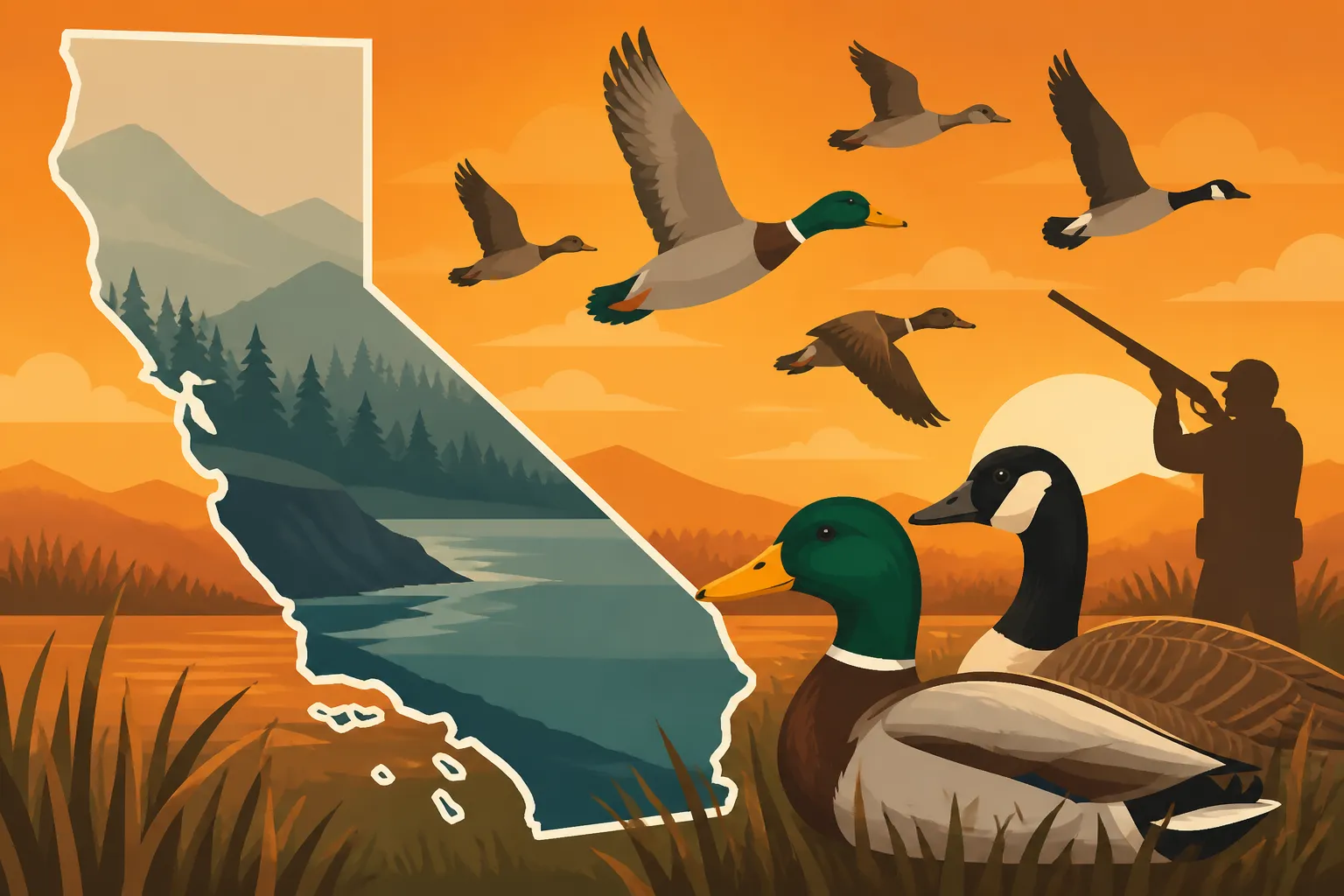
It can feel overwhelming, sometimes even a bit disheartening, trying to wrap your head around the health of California's duck and goose populations. With all the talk about water, drought, and habitat changes, it's natural to wonder if those incredible numbers of birds we used to see are still around, or if our hunting future is shrinking before our eyes. This guide will dive deep into how these waterfowl numbers are tracked, what they tell us about the state of our flyway, and what factors really impact the migrations and wintering populations that California hunters cherish.
Understanding Waterfowl Population Counts
When we talk about duck and goose numbers, it's not just a casual guess; a lot of dedicated effort goes into estimating these populations. These counts are crucial for wildlife management, setting seasons, and ensuring that future generations will also have the chance to experience the magic of a marsh at dawn. For hunters, understanding where these numbers come from can help contextualize bag limits and season lengths, and even inform scouting strategies.
Aerial Surveys and Their Importance
The backbone of waterfowl population estimates comes from extensive aerial surveys. Teams of biologists and pilots fly specific transects, primarily over breeding grounds in the spring and wintering grounds in the fall and winter. For species like ducks, these surveys focus heavily on the breeding areas of the prairies and boreal forests, which are the engine room of the continental waterfowl production. Geese, on the other hand, might have surveys on their specific wintering concentrations, especially in places like California's Central Valley.
These surveys aren't perfect, of course. Weather can impact visibility, and some birds are naturally more secretive than others. But over decades, these methodologies have been refined to provide consistent data sets, allowing biologists to track trends and make informed decisions. It's a massive undertaking that covers huge swaths of North America, giving us a continental perspective before we even narrow down to California.
Data Collection and Analysis
Once the aerial surveys are completed, all that raw data—bird counts by species, observed water conditions, habitat health—is meticulously compiled and analyzed. This is where patterns emerge. Are pintail numbers up or down this year? How did the breeding conditions in Alberta impact the mallard forecast? This analysis helps predict what kind of migration we might expect and how many birds are likely to arrive in the Pacific Flyway.
The California Department of Fish and Wildlife (CDFW) also conducts its own localized surveys, particularly in the Central Valley, focusing on our wintering populations. This state-specific data, combined with the broader continental picture, gives us a comprehensive look at the birds that will eventually spread across our wetlands, rice fields, and refuges. This information is vital for managing our local resources and understanding our unique contribution to the flyway.
California's Critical Role in the Pacific Flyway
California isn't just a stopover; it's a vital wintering ground for millions of ducks and geese migrating down the Pacific Flyway. For many species, especially certain dabbling ducks and a good portion of the West's goose populations, our state is where they spend the coldest months, fattening up before their journey back north to breed. This makes our habitat incredibly important, and why we often see such significant concentrations of birds.
Key Duck and Goose Species in California
Our state hosts an incredible diversity of waterfowl. You'll find everything from the widespread mallards and northern pintails to the more localized canvasbacks and scaup. Geese are equally varied, with large numbers of white-fronted geese (specklebellies), snow geese, and Ross's geese making California their winter home. Each species has its own preferred habitats, whether it's the flooded rice fields for pintails and white-fronts, or the deeper marshes for diving ducks.
Here's a quick look at some of the common species and their general population significance in California:
| Species | Typical Habitat in CA | General Population Trend (Continental) | Significance in CA |
|---|---|---|---|
| Mallard | Diverse, marshes, fields, rivers | Stable to slight decline | Abundant, foundational species |
| Northern Pintail | Flooded fields, shallow marshes | Fluctuating, often declining | Significant wintering population |
| Green-winged Teal | Shallow wetlands, flooded areas | Stable to increasing | Very common, early season |
| American Wigeon | Marshes, open water | Stable | Common |
| Gadwall | Marshes, vegetated wetlands | Increasing | Growing presence |
| Canvasback | Deeper marshes, large open water | Stable | Prized diving duck |
| Northern Shoveler | Shallow, nutrient-rich wetlands | Stable | Abundant, late season |
| White-fronted Goose | Flooded fields, grasslands | Stable to increasing | Very important, especially Central Valley |
| Snow Goose (Lesser/Ross') | Flooded fields, refuges | Increasing | Abundant, large flocks |
| Cackling Goose | Grasslands, open fields | Increasing | Growing numbers |
The Importance of the Central Valley
The Central Valley is, without a doubt, the crown jewel for waterfowl in California. It’s a vast, fertile basin that historically contained immense wetlands. While much of that original habitat has been converted to agriculture, the remaining managed wetlands, wildlife areas, and especially the flooded rice fields, provide critical sustenance and refuge for millions of birds. Waterfowl Hunting California's Central Valley delves into how this unique landscape supports such immense numbers.
This concentrated wintering ground means that the health of the Central Valley's water supply and agricultural practices directly impacts the survival and condition of a huge percentage of the Pacific Flyway's waterfowl. When you're out hunting ducks or geese in the Valley, you're experiencing a vital link in a continental chain. California's Flooded Rice Fields and Waterfowl explains just how crucial those fields are for supporting these populations.
Factors Affecting Duck and Goose Populations
Understanding the raw numbers is one thing, but knowing why those numbers fluctuate is key to appreciating the complex dynamics of waterfowl management. It's not just about one bad year; it's a combination of interconnected environmental and human factors. For hunters, these factors can directly translate to the quality of the hunting season.
Habitat Conditions on Breeding Grounds
The most significant factor influencing duck numbers, especially dabbling ducks like mallards and pintails, is the condition of the breeding grounds in the northern prairies of Canada and the U.S. Rainfall and snowmelt in these regions directly translate to the number of temporary wetlands (potholes) available for nesting pairs. A wet spring in the prairies means more water, more food, and more successful duck broods. Conversely, a drought up north can decimate annual production, leading to fewer birds migrating south in the fall.
Geese, while also sensitive to breeding ground conditions, often have more resilient populations due to different nesting strategies, sometimes nesting in more Arctic regions where water might be less of a limiting factor year-to-year. However, severe weather events on their specific breeding grounds can still have a major impact.
Water Availability and Habitat in California
Once the birds start their journey south, the conditions waiting for them in California become paramount. Our state's water situation directly affects the amount of flooded habitat available in key wintering areas. Drought years mean less water for managed wetlands, fewer flooded rice fields, and generally more concentrated birds on whatever limited water exists. This can lead to increased disease risk and poorer body condition for the birds.
Conversely, a good water year in California translates to abundant wetlands, widely distributed food sources, and healthier birds. This often means birds are less concentrated, which can be a blessing for their survival but sometimes means more spread-out hunting opportunities. Accessing reliable information on current water conditions, perhaps through mapping services like GoHunt, can be a crucial part of pre-season scouting, helping you predict where birds might be holding.
Hunting Pressure and Management
While habitat is the biggest driver, regulated hunting plays a role in waterfowl populations. Bag limits, season lengths, and specific regulations (like youth hunts or limitations on certain species) are all designed to manage harvest sustainably, based on those population surveys we discussed. Organizations like Ducks Unlimited and California Waterfowl Association work tirelessly with wildlife agencies to ensure that hunting remains a sustainable activity by investing in habitat and advocating for sound science-based management.
It's a balance. The goal isn't just to have birds for hunting, but to ensure robust, healthy populations overall. When you apply for your California Migratory Bird Certification or purchase your California Federal Duck Stamp Requirement, you're directly contributing to conservation efforts that benefit these very bird populations.
Interpreting the Data and What It Means for Hunters
So, you've seen the numbers, you understand the factors. Now, what does it all mean for you, the California waterfowl hunter? It means a lot more than just knowing if the season will be good or bad; it means being a more informed and adaptive conservationist.
Tracking Migration and Local Concentrations
Annual waterfowl forecasts, often released in late summer or early fall, give hunters a heads-up on what to expect. These reports summarize breeding ground conditions and offer a projected outlook for the coming migration. This information is invaluable for planning your season. If pintail numbers are down, you might adjust your expectations or focus on other species. If snow goose numbers are booming, you might plan more goose hunts.
Local reports from wildlife areas and dedicated hunting blogs often provide real-time updates on bird concentrations once the season starts. Combining this with data overlays on hunting apps (like GoHunt, which can show public land boundaries, habitat types, and recent hunting reports) allows you to make informed decisions about where and when to hunt. This helps you understand Duck Migration Timing Through California and where How Many Ducks Winter in the Central Valley.
Adapting to Population Trends and Regulations
Hunting waterfowl in California requires adaptability. A robust mallard population one year might lead to a generous bag limit, while a decline in pintails might see stricter regulations for that species. It's crucial to stay informed about California Duck and Goose Bag Limits and any specific restrictions that might be in place for certain species or areas. These regulations are a direct response to the population data.
For example, if the continental pintail population shows a significant decline, it's not uncommon to see reduced bag limits or even shortened seasons for them. This is a tough pill to swallow for hunters who love pursuing these elegant ducks, but it's a necessary step to help the species recover. Being a responsible hunter means respecting these decisions, even when they impact your personal hunting plans.
The Hunter's Role in Conservation
Beyond simply following regulations, waterfowl hunters are a critical part of the conservation solution. The revenue from licenses, stamps, and excise taxes on hunting equipment directly funds habitat acquisition, restoration, and research efforts. By participating in the sport, you're financially supporting the very programs that help sustain these duck and goose numbers.
Furthermore, hunters are often the first to notice changes in local populations or habitat conditions. Your observations in the field contribute to the collective knowledge base. Engaging with organizations like the California Waterfowl Association, attending public meetings, and advocating for water resources and wetland protection are all ways to actively contribute to the future of California Duck Harvest Numbers and the health of the entire Pacific Flyway. When you're in the field, utilizing tools such as GoHunt to understand land access and wildlife movements on your chosen hunting areas, you become a more effective and responsible conservationist.
Disclaimer
This article is for general informational purposes only and does not constitute professional advice. Laws, prices and regulations vary by location and change over time. Consult a qualified professional for guidance on your specific situation.