California Snow Goose Migration Numbers
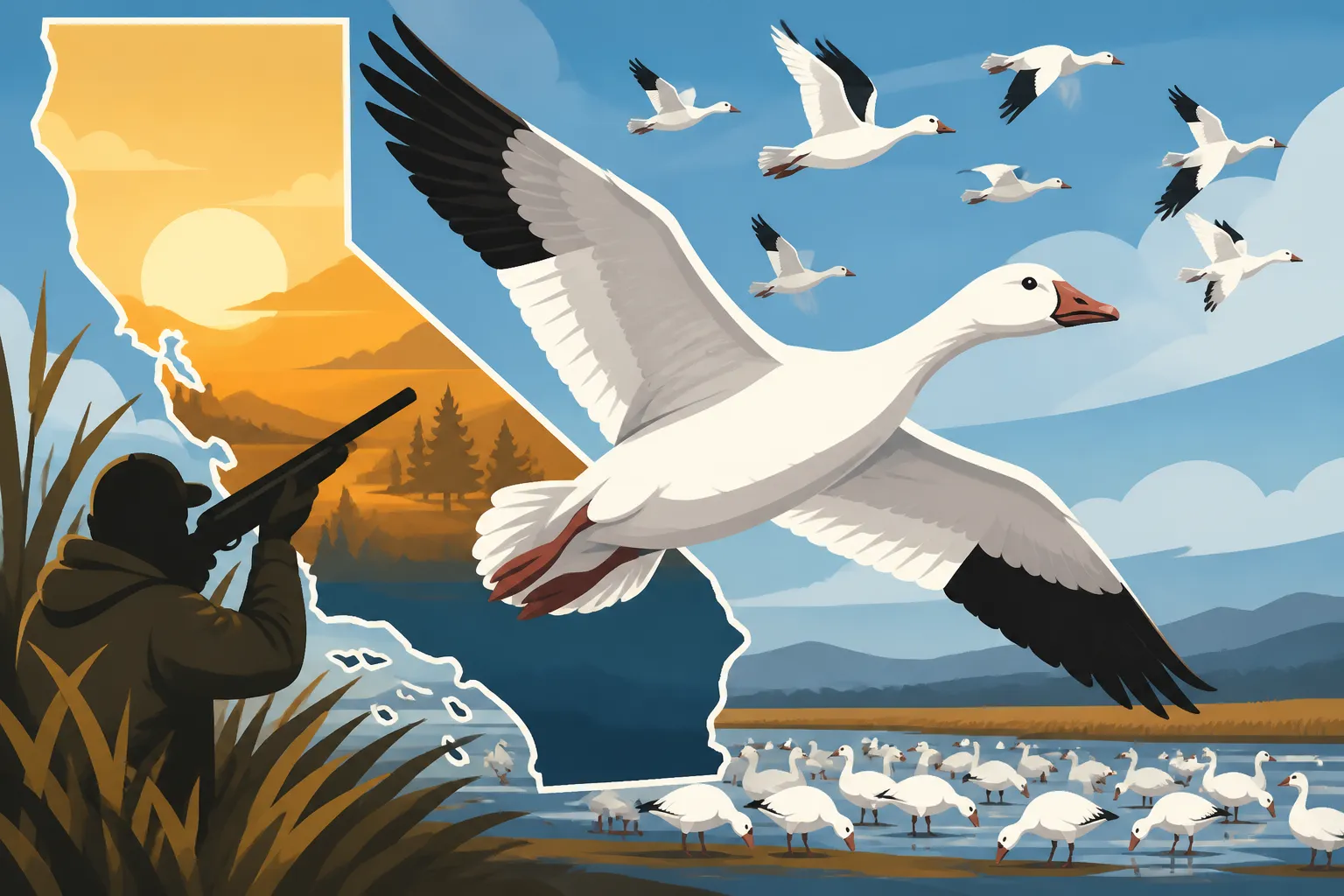
It's no secret that California's vast Central Valley becomes a winter wonderland for millions of migrating waterfowl each year, and among the most spectacular are the snow geese. But figuring out exactly when and where these magnificent birds will be, and in what numbers, can feel like trying to solve a puzzle with moving pieces. This guide aims to demystify the incredible journey of California's snow geese, helping you understand their migration patterns, population dynamics, and how this knowledge can impact your waterfowl hunting strategies.
The Grand Passage: How Snow Geese Journey to California
For hunters across California, especially those focused on the rich waterfowl opportunities of the Central Valley, understanding the snow goose migration is absolutely key. These aren't just local birds; they're part of an immense, continent-spanning phenomenon that brings life and incredible hunting action to our state each year. It’s a journey driven by ancient instincts, and being able to read the signs of that journey is what separates a good hunt from a great one.
The Pacific Flyway: A Waterfowl Superhighway
Imagine a massive, invisible highway stretching from the Arctic tundra all the way down to Mexico, with California acting as a major interchange and rest stop. That's essentially the Pacific Flyway for snow geese and countless other waterfowl. This crucial migration corridor funnels millions of birds from their northern breeding grounds southward as winter approaches. For snow geese, the journey is long and arduous, pushing them to seek out reliable food sources and safe havens.
California is incredibly fortunate to lie directly within this flyway, making our state one of the most vital wintering grounds for many species, including snow geese. These birds travel thousands of miles, often flying at high altitudes, navigating by instinct and environmental cues. When they begin to appear in our skies, often in immense, swirling clouds, it's a testament to the enduring power of nature and the success of conservation efforts that protect their habitats along this route. Understanding the flyway isn't just academic; it helps us appreciate the scale of what we're witnessing and participating in as hunters.
Drivers of the Annual Migration Cycle
The primary forces behind this epic journey are, quite simply, survival and reproduction. Snow geese spend their summers in the Arctic, raising their young. As the days shorten and temperatures plummet, food becomes scarce, and the harsh northern winter sets in. This environmental pressure acts as the initial push, signaling to the birds that it's time to move south to more temperate climates where food is abundant. They are looking for open water for roosting and vast agricultural fields or wetlands for feeding.
Once the migration is underway, various factors influence the timing and speed of their arrival in California. Cold fronts pushing south from Canada and Alaska can accelerate the migration, bringing large numbers of birds down quickly. Conversely, mild weather to our north can delay their departure from intermediate staging areas, resulting in a slower, more staggered arrival. In California itself, local conditions like the availability of flooded agricultural fields (especially rice stubble) and the presence of open, safe water on wildlife refuges play a huge role in where they decide to settle for the winter. A season with abundant water and food will often hold more birds for longer, while drought conditions can scatter them or push them further south.
Quantifying the Feathered Horde: Snow Goose Numbers in the Golden State
One of the most exciting aspects of hunting snow geese in California is the sheer volume of birds that can be present. While giving exact, real-time numbers isn't possible, understanding the patterns of their seasonal influx and how wildlife agencies estimate populations can give you a much better sense of what to expect in the field. It’s about grasping the scale and dynamics, not just chasing a single number.
The Seasonal Influx: When Numbers Peak
Generally, the first few snow geese will start to appear in California in late September or early October, usually as scouts or small vanguard flocks. This is when you might start seeing those iconic V-formations high in the sky. As the northern winter truly bites down, the main wave of migration accelerates, with significant numbers arriving throughout November and into December. This period, from mid-November through January, typically represents the peak of the snow goose population in California. The Central Valley, in particular, becomes a bustling hub of goose activity, with fields often white with feeding birds.
Their departure, while less concentrated than their arrival, usually begins in late January and continues through February and into March. The birds will start staging, feeding heavily to build up reserves for the long flight back north to their breeding grounds. This means that even in late season, opportunities can be excellent, though the hunting pressure may have made the birds warier. It’s important to remember that these are general timelines; a particularly early or late cold snap, or unusual conditions on the breeding grounds, can shift these windows by several weeks in any given year.
How Migration Numbers Are Monitored and Estimated
Wildlife agencies, primarily the California Department of Fish and Wildlife (CDFW) in cooperation with federal partners, employ various methods to monitor and estimate snow goose populations along the Pacific Flyway and specifically within California. These efforts are crucial for setting seasons and bag limits and ensuring the long-term health of the species. One of the primary tools is aerial surveys, where biologists fly established transects over key wintering areas, meticulously counting the vast flocks of geese below. These counts are often done multiple times throughout the winter to track peak numbers and distribution.
In addition to aerial surveys, ground counts are conducted in specific wildlife areas and refuges, providing more detailed, localized data. Bird banding programs also contribute significantly to our understanding of migration routes, survival rates, and population connectivity. While specific annual figures fluctuate, these monitoring efforts consistently show that California hosts hundreds of thousands, if not more, snow geese each winter, representing a substantial portion of the entire Pacific Flyway population. Hunters often rely on weekly waterfowl reports or mapping tools like GoHunt to get a sense of current bird concentrations, helping them plan their outings. This combination of scientific data and real-time field observations helps paint a picture of the incredible numbers of geese we have.
Fluctuations in Snow Goose Populations Over Time
Snow goose populations are not static; they ebb and flow due to a complex interplay of environmental factors, breeding success, and management strategies. While the overall trend for snow geese on the Pacific Flyway has generally been robust, leading to healthy hunting opportunities, year-to-year variations are common. For instance, a particularly successful breeding season in the Arctic might lead to a higher influx of juvenile birds in the fall, potentially boosting local numbers. Conversely, poor nesting conditions or early, severe weather on the breeding grounds could result in fewer birds migrating south.
Habitat changes in California also play a significant role. The availability of flooded rice fields, which serve as critical feeding and roosting grounds, can vary with water allocations and agricultural practices. Drought years, for example, can reduce available wetland habitat, potentially dispersing birds more widely or concentrating them in fewer, more pressured areas. Hunting pressure itself can influence local distribution, making birds warier and pushing them into less accessible areas. Understanding these fluctuations means that while the overall snow goose outlook is usually positive, a savvy hunter always pays attention to current conditions and reports.
Key Wintering Grounds: Where the Geese Gather in California
When you think about California snow goose hunting, you’re almost certainly picturing the Central Valley. And for good reason! This expansive agricultural heartland, coupled with a network of managed wetlands, creates an irresistible magnet for these Arctic travelers. Knowing why they choose these spots and which spots are most important is crucial for any waterfowl hunter.
The Central Valley: A Critical Winter Haven
The Sacramento and San Joaquin Valleys are nothing short of a paradise for wintering snow geese. After their long migration, these birds seek two main things: abundant food and safe roosting areas. The Central Valley provides both in spades. Miles upon miles of agricultural fields, particularly flooded rice stubble fields, offer a rich buffet of waste grain and plant roots. Geese are voracious eaters, and these fields allow them to quickly replenish their energy reserves after their arduous journey.
Beyond food, the valley's managed wetlands, including state and federal wildlife areas and refuges, provide vast expanses of open water. These protected areas serve as critical night roosts and loafing areas during the day, offering sanctuary from predators and hunting pressure. The combination of easy access to high-energy food sources in adjacent fields and secure, undisturbed water for rest makes the Central Valley an indispensable component of the Pacific Flyway ecosystem. Without these resources, the sheer numbers of snow geese we see would simply not be possible.
Public Hunting Opportunities in High-Concentration Areas
While much of the Central Valley is privately owned agriculture, California has done an incredible job of preserving and developing public hunting opportunities in prime waterfowl habitat. State Wildlife Areas and National Wildlife Refuges throughout the Sacramento and San Joaquin Valleys are prime locations to encounter snow geese. These areas are specifically managed to attract and hold waterfowl, often featuring controlled flooding, diverse plantings, and regulated hunting zones. You can often find snow geese mixed in with other waterfowl, creating a dynamic hunting experience. Many hunters look to areas like the refuges north of Sacramento, which are renowned for their goose populations. Hunting a California Sacramento Valley Wildlife Refuge can be an unparalleled experience, but also one that demands careful planning.
These public lands are often managed under specific hunt programs, sometimes requiring reservations or a lottery draw for entry, especially on weekends and peak days. It’s imperative to check the specific regulations for each area you plan to hunt, as rules regarding blind use, decoys, and even the type of ammunition (always non-lead in California) can vary. While hunting on public lands can mean facing more pressure from other hunters, the sheer density of snow geese in these areas means that persistent and adaptable hunters can still find tremendous success.
| Wintering Habitat Type | Primary Food Source | Typical Goose Behavior | Hunting Implications |
|---|---|---|---|
| Flooded Rice Fields | Waste Grain, Aquatic Plants | Roosting (night), Feeding (day) | Requires decoys, blinds, good calling; often high traffic |
| Dry Grain Stubble Fields | Waste Grain (corn, wheat) | Feeding (daytime) | Layout blinds are essential; often less crowded than flooded rice |
| Large Open Water Refuges | Limited (Sanctuary) | Roosting (night), Loafing (day) | Focus on pass-shooting adjacent fields; ethical distance is key |
| Green Winter Forage (Pastures) | Young Grasses, Sprouts | Grazing (daytime), often wary flocks | Requires excellent concealment, long-range calling, patience |
Navigating the Hunt: Using Migration Knowledge for Success
Understanding the "numbers" of snow geese isn't just about statistics; it's about translating that knowledge into successful hunting strategies. The migration patterns, the timing of their arrival, and their preferred habitats all offer clues that a prepared hunter can use to their advantage. It's about being in the right place at the right time and knowing how to adapt when conditions change.
Timing Your Hunts with Peak Migration
Knowing the general migration timeline of snow geese allows you to plan your hunts for the highest probability of success. Targeting the mid-November to January window often means you'll be hunting when the maximum number of birds are present in the state. This is when large "whiteouts" of geese are common, and the sheer volume of birds can make for incredible decoying or pass-shooting opportunities. However, it also means potentially facing more hunting pressure. If you're looking for Pass-Shooting Geese on California's Sacramento Refuges, timing your trips during peak migration increases your chances significantly.
Conversely, early season hunts in October can offer opportunities for less pressured, smaller flocks, sometimes consisting of more juvenile birds that are less wary. This can be a great time to hone your calling and decoying skills without the intense competition of the peak season. Late season, from late January through February, sees birds that are often "educated" by weeks of hunting pressure, but they are also focused on feeding heavily before their journey north. These birds might respond differently to calls and decoys, requiring more subtle tactics and often found concentrated in specific feeding areas. Being aware of these different phases allows you to adjust your expectations and strategies accordingly.
Reading the Landscape: Daily Movements and Local Concentrations
Even within the broad migration patterns, snow geese exhibit daily movements that are critical to understand. Typically, geese will roost on large, open bodies of water overnight, often within the safety of wildlife refuges or large private reservoirs. At first light, they will "flight" off these roosts, heading to feeding areas in surrounding agricultural fields. This morning flight offers prime opportunities for hunters positioned between the roost and the feeding grounds. Hunting a Refuge-Adjacent Field at Dawn can be incredibly productive if you've done your scouting.
Throughout the day, geese will feed, sometimes moving between fields or returning to water to loaf. As evening approaches, they'll flight back to their roosts, offering another chance at decoying or pass-shooting. Local conditions, especially weather, can dramatically impact these daily patterns. Heavy fog can keep birds grounded or flying low, while strong winds can alter flight paths and make decoying more challenging. Paying attention to these subtle cues and adjusting your setup based on current weather and observed bird behavior is paramount. Using resources like onX Layers or other mapping apps can help you pinpoint potential flight corridors between known roosts and feeding areas.
Tools and Resources for Tracking Snow Goose Activity
In today's hunting world, staying informed is easier than ever, and it's essential for maximizing your chances on snow geese. One of the best resources is often local word-of-mouth or online forums where hunters share real-time observations, though always take such information with a grain of salt and verify it yourself if possible. Wildlife area check stations often post daily harvest numbers and bird counts, which can give you a good indication of current concentrations. Many hunters rely on dedicated mapping and scouting apps to mark observed bird movements, potential roost sites, and feeding fields. A platform like GoHunt provides tools that can help visualize terrain and land ownership, invaluable for planning access and understanding bird distribution.
Furthermore, keeping an eye on weather forecasts, particularly for cold fronts to the north, can give you a heads-up on incoming waves of birds. Regularly scouting fields, either by driving or through careful glassing, allows you to identify active feeding areas and establish patterns. It's a combination of broad understanding of the migration and hyper-local, real-time intelligence that ultimately leads to consistent success with California's snow geese. Staying plugged into these information streams means you're always one step ahead, ready for the next influx of these incredible birds.
Disclaimer
This article is for general informational purposes only and does not constitute professional advice. Laws, prices and regulations vary by location and change over time. Consult a qualified professional for guidance on your specific situation.