California Pronghorn Antelope Range
Hunting pronghorn antelope in California is a dream for many, but unlike deer or pigs that are found across broad swathes of the state, these magnificent speedsters occupy a very specific, limited range. If you've ever poured over a map wondering where in the Golden State you could even begin to look for one of these unique animals, you're not alone. This guide will walk you through the distinct areas where California's pronghorn roam, what kind of habitat they call home, and how you can approach scouting for them in these often vast and desolate landscapes.
California's Pronghorn Story: A Limited but Prized Range
California's pronghorn antelope population is a testament to resilience and dedicated conservation efforts, yet their range remains one of the most geographically restricted for any big game species in the state. Historically, pronghorn, often mistakenly called "antelope" due to their resemblance to African species, were far more widespread, stretching across much of the open plains and valleys of California. Think vast grasslands of the Central Valley, the Carrizo Plain, and the expansive eastern deserts. However, habitat loss due to agricultural conversion, fencing, and increased human development significantly fragmented these populations, pushing them to the fringes.
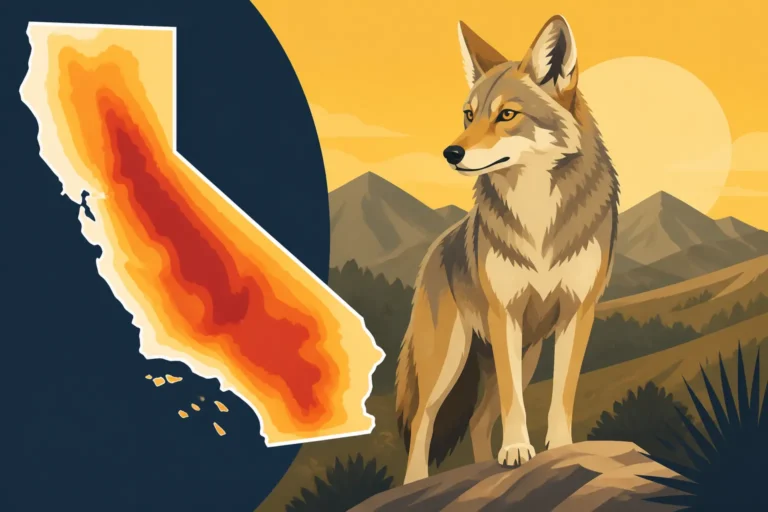
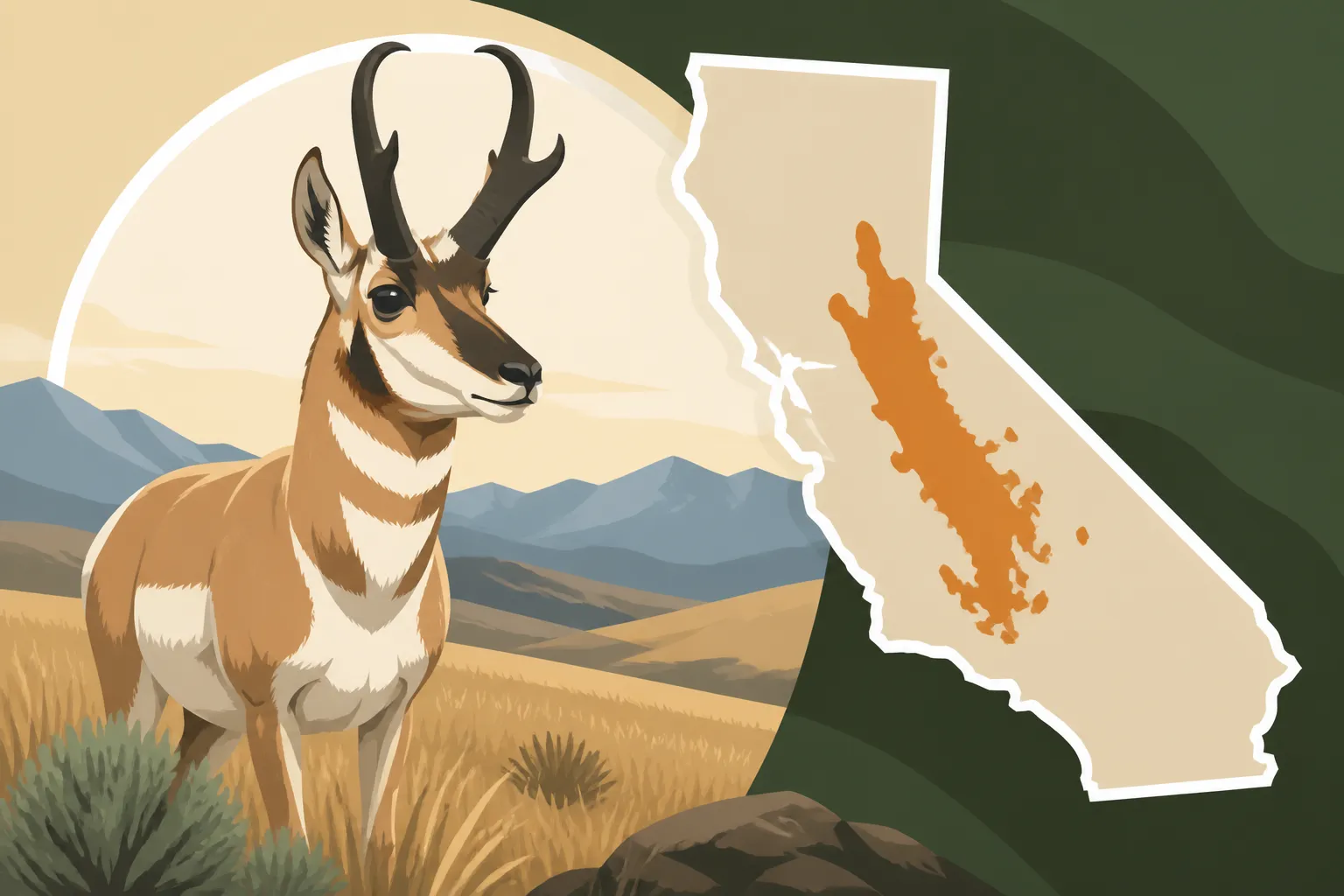
Today, the primary stronghold for California's pronghorn lies in the extreme northeastern corner of the state, primarily concentrated in Modoc and Lassen counties, extending slightly into portions of Siskiyou and Shasta counties. This region, often referred to as the Modoc Plateau, offers the expansive sagebrush steppe and high desert conditions that pronghorn require. It's a land of wide-open vistas, volcanic soils, and cold winters, quite different from the coastal oak woodlands or dense Sierra timber that many hunters associate with California. There are also smaller, isolated populations in other parts of the state, remnants of their historical distribution, but these are often in very specific, tightly managed areas, and tag opportunities are exceedingly rare.
The tag for a California pronghorn is one of the most coveted in the state, drawn through the California Big Game Drawing, which means applying is a long-shot endeavor for many. The sheer exclusivity of the hunt makes understanding their specific range even more critical; you can't just pick any D-zone and expect to find them. Unlike deer, which adapt to various forest types and chaparral, pronghorn are specialized open-country animals. This means you’ll be focusing your efforts on vast, often remote, and high-desert landscapes. The California Big Game Drawing Explained covers the general process, but for pronghorn, the competition is particularly intense.
Unpacking the Ideal Pronghorn Habitat in the Golden State
Pronghorn antelope are truly creatures of the open plains, and their physical adaptations—incredible eyesight and blistering speed—are perfectly suited to this environment. Their habitat preferences in California are very specific, and understanding these elements is key to identifying potential areas they frequent. You won't find them hunkered down in dense timber or navigating steep, brushy canyons.
Expansive Open Spaces and Low-Lying Vegetation
The cornerstone of pronghorn habitat is wide-open country. They thrive in areas where they have unobstructed views for miles, allowing them to detect predators from a distance and utilize their speed for escape. This means looking for sagebrush steppe, expansive grasslands, and high desert flats. In California's northeastern counties, these areas are characterized by a mix of sagebrush, bitterbrush, and various grasses. These plants provide both forage and limited cover, particularly for fawns. They are grazers and browsers, and their diet consists largely of forbs, grasses, and the leaves of shrubs like sagebrush. This vegetation type offers both nutrition and the low stature they prefer for visibility.
Water Sources and Forage Diversity
While pronghorn are remarkably adapted to arid environments and can often go for extended periods without free water, reliable water sources are still crucial, especially during the hotter months and for lactating does. Look for areas with seasonal springs, stock tanks, natural depressions that hold water after rains, or the fringes of larger lakes and reservoirs. These water sources often dictate how pronghorn herds move through their range, acting as magnets in otherwise dry landscapes. Beyond water, diversity in forage is also important. A mosaic of different plant communities provides a varied diet throughout the year, ensuring they have access to nutrient-rich options as seasons change. A hunter might spend hours glassing a large basin, only to realize the pronghorn are concentrated around a hidden spring on the far side, something a detailed map could reveal.
Topography and Escape Cover
While they love flat land, subtle topographical features can also be important. Gentle rolling hills, slight depressions, or very shallow washes can provide just enough relief for bedding down out of the wind or momentarily breaking a predator's line of sight. True "cover" in the sense of thick timber is antithetical to a pronghorn's survival strategy; their defense is vigilance and speed, not concealment. However, low-lying shrubs can provide crucial shade during scorching summer days and some visual break. When scouting on mapping platforms, think less about "cover" and more about "terrain features that offer a slight advantage without sacrificing visibility." For hunters, this means you'll spend a lot of time glassing, a skill that's equally valuable for Glassing Mule Deer in Open California Country.
Strategic Scouting: Locating Pronghorn Antelope Hotspots
Finding pronghorn is less about stalking through thick woods and more about covering vast distances with your eyes. Their acute eyesight and preference for open spaces mean you’re often glassing animals that are a mile or more away.
Digital Mapping and Satellite Imagery
Before you ever set foot in the field, your scouting starts online. Utilize robust mapping platforms to identify promising areas within the known pronghorn range. Tools like GoHunt are invaluable for this, as they allow you to overlay public land boundaries with high-resolution satellite imagery. Look for those tell-tale vast, open areas, characterized by sagebrush and grasslands. Identify potential water sources: ponds, stock tanks, intermittent creeks, or even green strips indicating subsurface water. Pay attention to subtle changes in elevation, old two-track roads, and any areas that seem less disturbed by human activity. GoHunt’s detailed mapping layers can help you pick out these subtle features that might otherwise be missed.
When you're scrutinizing satellite imagery on platforms like GoHunt, look for expansive areas of low-lying vegetation broken by sparse sagebrush. Try to identify historical travel corridors – sometimes evident by worn paths or breaks in fences. Pronghorn are known to stick to traditional routes. Also, consider the periphery of agricultural fields, particularly in areas where open rangeland meets private farming operations. These can sometimes offer prime feeding opportunities, though access can be an issue. Always verify land ownership carefully using your mapping app before assuming access. For comprehensive scouting advice across various species, Scouting California Public Land Before Season offers broader strategies.
Boots-on-the-Ground Reconnaissance
Once you've narrowed down some areas on your digital maps, it's time for some boots-on-the-ground reconnaissance, even if it's outside of hunting season. Drive accessible roads, paying attention to the terrain, vegetation types, and any sign of pronghorn. Look for droppings, tracks, and especially worn trails. Even shed hunting can give you clues to their presence and travel patterns, though pronghorn shed their horn sheaths annually, not bony antlers like deer or elk.
Focus your in-person scouting on elevated points that offer commanding views of the surrounding landscape. Use your binoculars and spotting scope to systematically pick apart the country. Early mornings and late evenings are often the best times to spot them, as they may be more active feeding or moving to water. Be patient; pronghorn can blend into their environment surprisingly well despite their distinct coloring, especially when bedded down. Remember, in California, the non-lead ammunition requirement applies to all big game, so your rifle will need to be zeroed with Choosing Non-Lead Rifle Ammunition in California well before opening day.
Utilizing Optics and Understanding Behavior
Because pronghorn rely so heavily on their vision, hunters must equally rely on optics. High-quality binoculars, in the 10×42 to 15×56 range, are absolutely essential. A powerful spotting scope (20-60x or higher) on a sturdy tripod is non-negotiable for identifying animals at extreme distances, assessing their size, and determining if they are legal game. For those challenging, mile-long shots across open country, a reliable rangefinder is also critical. Optics for California's Open-Country Deer Hunting provides excellent guidance on gear selection that directly applies to pronghorn.
Pronghorn behavior is largely driven by their need for visibility and their social structure. They typically live in herds, though herd sizes can vary by season and location. In the summer, you might see larger groups of does and fawns, while bucks might be solitary or in smaller bachelor groups. During the rut, bucks will aggressively defend their harems. Understanding these seasonal patterns, along with their daily routines of feeding, watering, and bedding, will significantly increase your odds of success once you have a tag in hand.
| Region of California | Primary Habitat | Key Scouting Considerations | Typical Pronghorn Behavior |
|---|---|---|---|
| Modoc Plateau | Sagebrush steppe, open grasslands, volcanic flats | Vast public land, sparse water sources, extreme weather changes | Large herds, long-distance movements, very keen eyesight |
| Northeastern Valleys | High desert valleys, juniper flats, agricultural fringes | Mix of public and private land, focus on water features and transitions | Smaller, more spread-out groups, wary of human presence |
| Eastern Sierra Fringe | Arid plains, scattered bitterbrush, dry washes | Limited populations, often in remote, less accessible areas | Highly nomadic, follow seasonal forage and water, very elusive |
Beyond the Hunt: Conservation and Access Challenges
Hunting pronghorn in California is not just about the pursuit; it's also about appreciating the remarkable recovery and the ongoing conservation efforts that allow these hunts to occur. Once nearly extirpated from the state, California's pronghorn population has rebounded thanks to efforts like habitat improvement, reintroduction programs, and carefully managed hunting quotas. However, challenges persist, which is why their range is still so limited and tags are so few.
Limited Tags and Draw Odds
One of the biggest frustrations for aspiring pronghorn hunters is the sheer difficulty in drawing a tag. The number of tags issued each year is extremely low, reflecting the relatively small and localized population. This makes pronghorn a true "once-in-a-lifetime" hunt for many residents. Understanding draw odds and tag allocations is crucial before you even start looking at maps. Resources like GoHunt often compile draw statistics, giving you a realistic picture of your chances in limited-entry units, much like applying for any of California's three elk species, as detailed in Applying for a California Tule Elk Tag in the Big Game Drawing. Hunters must be prepared for many years of applying before the odds might turn in their favor.
Habitat Fragmentation and Conservation
Despite conservation successes, habitat fragmentation continues to be a concern for pronghorn. Development, fencing, and altered grazing patterns can disrupt traditional migration routes and reduce the quality of available habitat. Maintaining connectivity between existing herds and protecting core habitats from encroachment are ongoing conservation priorities. This also means that hunting access often focuses on large blocks of public land, such as Bureau of Land Management (BLM) and National Forest lands, which offer the expansive, undeveloped tracts that pronghorn need. Learning to navigate California's Eighteen National Forests and Hunting California's BLM Desert Land is critical, even if the habitat isn't typical "forest" land.
For the hunter fortunate enough to draw a tag, the experience of pursuing pronghorn in California is about more than just harvesting an animal. It's about connecting with a unique landscape and an iconic species that embodies the spirit of the American West. It demands patience, dedication, and a deep appreciation for the vast, open spaces they call home.
Disclaimer
This article is for general informational purposes only and does not constitute professional advice. Laws, prices and regulations vary by location and change over time. Consult a qualified professional for guidance on your specific situation.