California Wild Pig Trapping Success Rates
If you've ever tried to manage wild pig populations on your property in California, you know the frustration of seeing extensive rooting damage, destroyed crops, and the general havoc these intelligent animals can wreak. While hunting offers a thrilling pursuit, trapping often becomes a necessary and highly effective tool for controlling consistent damage and achieving sustained reduction in problem areas. This guide will dive deep into the real-world factors that truly dictate your success rates when trapping wild pigs here in the Golden State, offering practical insights to help you overcome common hurdles.
Understanding the Variables That Drive Wild Pig Trapping Success
Wild pig trapping isn't just about setting a trap and hoping for the best; it's a strategic endeavor influenced by a multitude of factors, from the pigs' behavior to environmental conditions and your own approach. Ignoring these variables is a surefire way to end up with an empty trap and continued frustration. The success rate isn't a fixed number you can buy, but rather a dynamic outcome you actively cultivate through careful planning and execution.
Pig Behavior and Local Population Dynamics
First and foremost, you have to think like a pig. Wild pigs are incredibly adaptable and often learn quickly from negative experiences, including unsuccessful trapping attempts. Their local population density also plays a huge role. If you have a scattered, low-density population, trapping might be a slower process than in areas with high concentrations of sounders. Understanding their movement patterns, preferred feeding grounds, and bedding areas is paramount. Are they visiting your property nightly, or just passing through occasionally? Are there fresh tracks and rooting, or just old sign? This initial intelligence gathering, often aided by scouting and trail cameras, is critical. A platform like GoHunt can sometimes help you identify areas with reported pig activity or public land access nearby that might influence local populations, though direct pig population data for specific private tracts isn't usually available in a neat package.
Furthermore, the presence of dominant boars or wary sows can influence how a sounder approaches a new object in their territory, like a trap. If one pig has had a bad experience, the entire sounder might become trap-shy. Young pigs, often less cautious, might be the first to enter, but consistently catching entire sounders requires overcoming the wariness of the older, wiser animals.
Environmental Conditions and Seasonal Influences
California's diverse climate means environmental conditions significantly impact pig activity and, consequently, trapping success. During dry summer months, pigs are often more desperate for water and certain food sources, which can make baiting near water sources or irrigated fields incredibly effective. Conversely, after a good rain, new green growth might disperse pigs across a wider area, making them harder to concentrate at a single trap site. Acorn mast years, for example, can see pigs completely ignore bait for weeks on end as they feast on nature's bounty.
The time of year also dictates their natural diet and movements. In spring, they might be focused on farrowing and rooting for tender shoots. In fall, it's all about acorns and other hard mast. Matching your baiting strategy to what's naturally available and desirable during that specific season significantly boosts your chances. Think about how much easier it is to tempt a hungry pig than a full one! Hunting After a Poor Acorn Year can drastically change pig behavior and make them more susceptible to well-placed traps.
Selecting the Right Trap for the Job
Not all pig traps are created equal, and choosing the appropriate type is fundamental to achieving high success rates. What works for a single, small problem pig might be entirely ineffective for capturing an entire sounder. Your trap choice often dictates the scale and consistency of your success.
Single-Catch Traps Versus Corral Traps
This is perhaps the most critical decision when starting your trapping journey.
- Single-catch traps, like snares or small box traps, are designed to catch one pig at a time. They can be good for addressing a lone problem animal, or for nuisance pigs in areas where a large-scale setup isn't practical. Their success hinges on precise placement in known travel lanes or feeding spots, and they require frequent monitoring. The downside is that once you catch one pig, the others in the sounder are highly likely to become trap-wary, making subsequent catches difficult in the same location. You might catch a pig every few nights, but you're not going to clear out a large sounder with these.
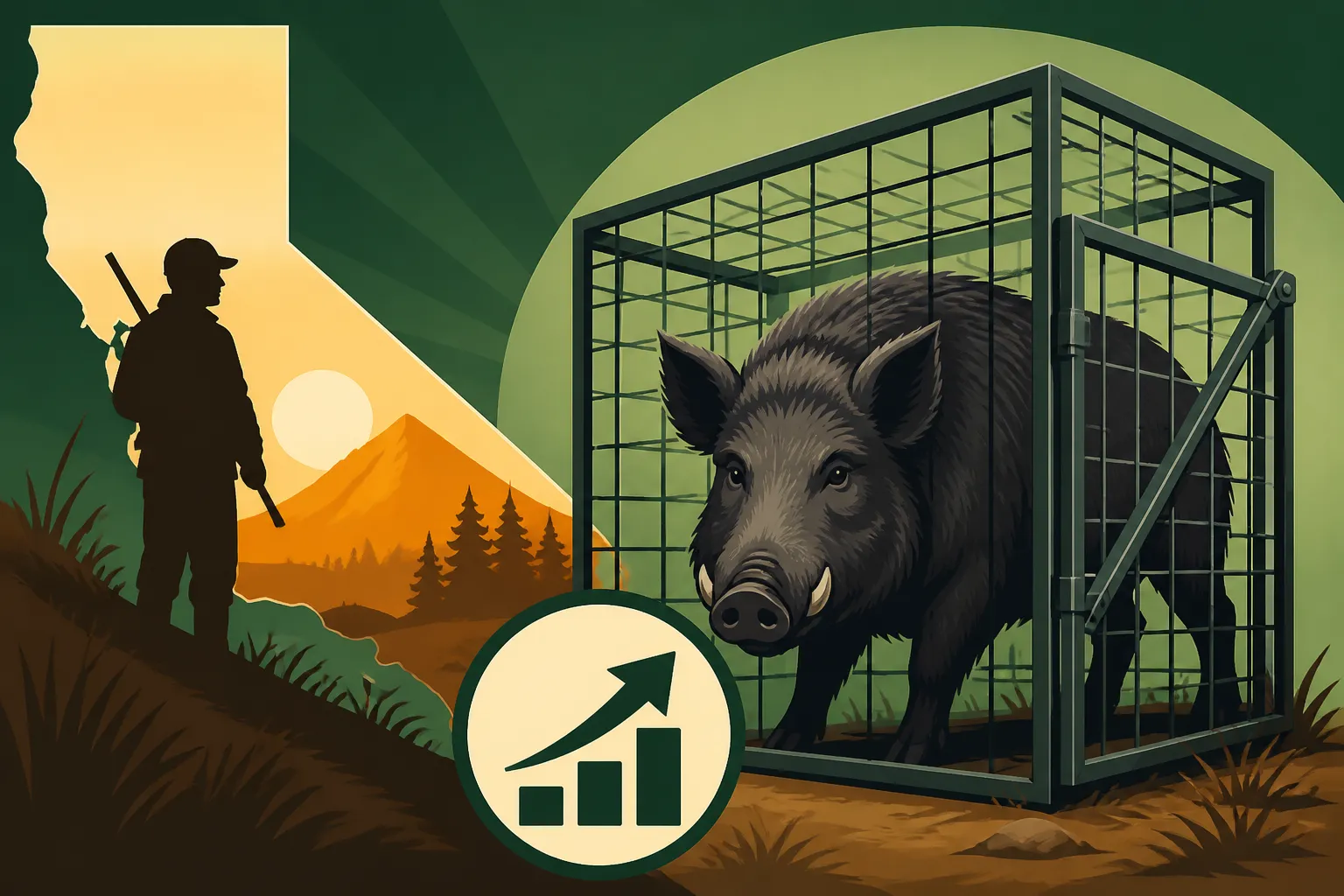
- Corral traps, on the other hand, are large enclosures designed to capture an entire sounder at once. These are typically round or square pens made of sturdy hog panels, often 10-20 feet in diameter, with a specialized gate that triggers when pigs enter and disturb bait. The success rate with a well-designed and properly deployed corral trap, especially after a period of pre-baiting, can be exceptionally high, often resulting in the capture of a dozen or more pigs in a single night. This is the preferred method for serious population reduction. Trapping a Sounder on Private Land requires a significant investment of time and resources but offers the best chance at comprehensive control.
Different Gate Mechanisms and Their Effectiveness
Within the realm of corral traps, the type of gate mechanism is a huge factor.
- Rooter gates (or saloon-style gates) are common, allowing pigs to push their way in, but not out. These can be effective for catching smaller, less wary pigs that might squeeze in.
- Guillotine gates drop from above, often triggered by a trip wire or rooter plate. These are excellent for securing multiple animals but require careful setup to ensure proper function and avoid false triggers.
- Continuous catch gates, sometimes called "snare gates," are designed to remain open after an initial trigger, allowing more pigs to enter over a period of time. This can be fantastic for catching multiple sounders or stragglers who might approach the trap later. However, they need to be checked frequently to ensure captured pigs don't escape or get injured.
Choosing a gate mechanism depends on the level of pig wariness, the specific trap design, and your monitoring capabilities. A robust, reliable gate that can withstand the power of multiple wild pigs trying to escape is critical.
| Trap Type | Target Size | Initial Cost/Effort | Success Potential (Per Deployment) | Best Use Case | Key Considerations |
|---|---|---|---|---|---|
| Snares | Single pig | Low | Low to Moderate | Nuisance animals, travel corridors | Labor-intensive, risk of non-target catch, legal limits |
| Small Box Traps | Single pig, small | Moderate | Low to Moderate | Small property, low pig density, cautious approach | Pigs can become trap-shy quickly |
| Corral Traps | Entire sounder | High | High | Population reduction, consistent damage | Requires significant pre-baiting, robust construction |
| Continuous Catch | Multiple sounders | High | Very High | Persistent pig problems, large land tracts | Constant monitoring required, can be complex to set up |
Strategic Baiting and Pre-Baiting for Higher Success
No matter how perfect your trap, it's useless if pigs aren't entering it. Baiting and, more importantly, pre-baiting, are the secret sauces to achieving truly high success rates. This isn't just about throwing out some corn; it's about conditioning the pigs to feel safe and comfortable around your setup.
The Power of Pre-Baiting
Pre-baiting is the unsung hero of successful pig trapping. It involves placing bait outside and inside the trap with the gate wired open for several days, or even weeks, before you actually set the trap to catch. This allows pigs to discover the bait, feed freely, and become accustomed to the trap's presence, viewing it as a safe and reliable food source. They learn to associate the structure with easy meals, and their wariness slowly diminishes.
When you see multiple sounders regularly entering and feeding comfortably within the open trap, that's your cue. Only then should you set the gate to catch. Skipping this step often results in pigs approaching the trap cautiously, taking a few bites of bait, and then spooking, leading to very low success rates. Consistent pre-baiting is an investment of time and bait, but it pays dividends in full traps. You can learn more about the specifics of Baiting Hogs Legally in California to ensure you're always within state regulations.
Choosing the Right Bait
Pigs are omnivores and notoriously opportunistic eaters, but certain baits are more effective than others.
- Fermented Corn: This is the gold standard for many trappers. Soaking corn in water for several days (or even weeks) until it ferments creates an irresistible, pungent smell that draws pigs from long distances. The fermentation process also makes it more digestible for them.
- Sweet Feed/Molasses: The sweet, sugary smell of molasses or sweet feed is incredibly attractive to pigs. Mixing it with corn or other grains can enhance its appeal.
- Commercial Attractants: Many companies offer commercial pig attractants, often highly concentrated with scents like anise, apple, or truffle. While these can be effective, they tend to be more expensive and might not be necessary if you have good fermented corn.
- Expired Bakery Goods/Produce: Pigs love sweets and fruits. Old donuts, pastries, or rotten fruit can be highly effective, especially when fermented or mixed with corn.
The key is consistency and scent. You want a bait that smells strong and appeals to their natural inclinations. Spreading bait strategically, both inside and outside the trap, creates a "bread crumb" trail leading them in. Refreshing the bait regularly ensures a fresh, appealing scent cone for passing pigs.
Location, Location, Location: Optimizing Trap Placement
Even with the best trap and bait, a poor location will doom your efforts. Pig trapping success is profoundly linked to understanding pig movement and habitat preferences.
Identifying Key Pig Travel Corridors
Pigs, like most wildlife, are creatures of habit. They often use the same trails to move between bedding areas, water sources, and feeding grounds. Look for:
- Fresh tracks and rooting: The most obvious sign of recent activity. Follow these trails to see where pigs are consistently moving.
- Rub trees: Pigs love to rub against trees, especially after wallowing. Look for fresh mud and hair on tree trunks.
- Wallows: Muddy depressions where pigs cool off and remove parasites. These are magnets for activity, especially in warmer months.
- Scat: Fresh droppings indicate recent presence.
Placing your trap directly in a well-used travel corridor or near a consistent feeding or water source dramatically increases the likelihood of pigs encountering your bait and trap. Using trail cameras during your scouting phase can give you invaluable insight into their nocturnal movements and preferred routes.
Proximity to Water, Food, and Cover
Think about the basic needs of a pig: water, food, and cover. A successful trap location will be where these three elements naturally converge or are easily accessible.
- Water: In dry California, water sources are precious. Placing a trap near a spring, creek, or even a stock tank can be incredibly effective, particularly during summer.
- Food: Pigs are always looking for food. Traps near oak stands during acorn drops, agricultural fields (especially corn or alfalfa), or areas with consistent rooting activity are prime spots. If you're hunting nearby, you might consider Hunting a Standing Alfalfa Field to understand where pigs focus their feeding efforts.
- Cover: Pigs need dense cover for bedding and farrowing, often in thick brush, riparian zones, or dense timber. Trapping near the edges of these cover areas, especially where they transition into feeding grounds, can intercept pigs as they move to and from their resting spots.
The goal is to make your trap location a convenient and attractive stop on their daily routine. This means observing their patterns, sometimes over weeks, before committing to a specific trap site. Remember, a good hunting app like GoHunt can help you overlay public land maps with topographic features, showing water sources, dense cover, and potential travel corridors, even if you're on private land nearby.
Regulatory Compliance and Ethical Considerations
While focusing on success rates, it's vital to remember that trapping wild pigs in California comes with a set of rules and ethical responsibilities. Ignoring these can not only lead to legal trouble but also undermine the ethical pursuit of managing wildlife.
California's Trapping Regulations
California has specific regulations regarding the trapping of wild pigs. For instance, Trapping and Baiting Rules for California Wild Pigs dictate what types of traps are legal, how often they must be checked, and what constitutes lawful baiting. You are generally required to possess a valid California hunting license and a wild pig tag to take wild pigs, even when trapping. The regulations are designed to ensure humane treatment and prevent non-target species from being caught. Always consult the current California Department of Fish and Wildlife (CDFW) regulations before deploying any traps.
Furthermore, traps must be clearly marked with your identification, and you are responsible for checking them frequently—typically within 24 hours of sunrise each day—to ensure any trapped animals are dispatched humanely. Failing to do so can lead to citations and serious legal repercussions.
Humane Dispatch and Carcass Management
Once pigs are trapped, the ethical responsibility falls on you for humane dispatch. This typically involves a quick, clean shot to the brain with a firearm. Proper carcass management is also crucial, especially to prevent the spread of diseases. California has designated California's Two CWD Testing Zones for deer and elk, and while CWD isn't typically associated with pigs, other diseases can be. Disposing of carcasses responsibly, often by burying them deeply or transporting them to an approved disposal site, is an important part of the process. This also includes proper reporting of your harvest through the Automated License Data System (ALDS), as you would for a hunted pig. Reporting a Pig Harvest Through ALDS is mandatory regardless of whether the pig was trapped or hunted.
By meticulously planning your trapping strategy, understanding pig behavior, selecting the right equipment, and adhering to all regulations, you can significantly increase your wild pig trapping success rates in California. It's a challenging but rewarding endeavor that helps manage these adaptable animals and protect valuable resources.
Disclaimer
This article is for general informational purposes only and does not constitute professional advice. Laws, prices and regulations vary by location and change over time. Consult a qualified professional for guidance on your specific situation.