Best ATV Rack for Hauling Out Game
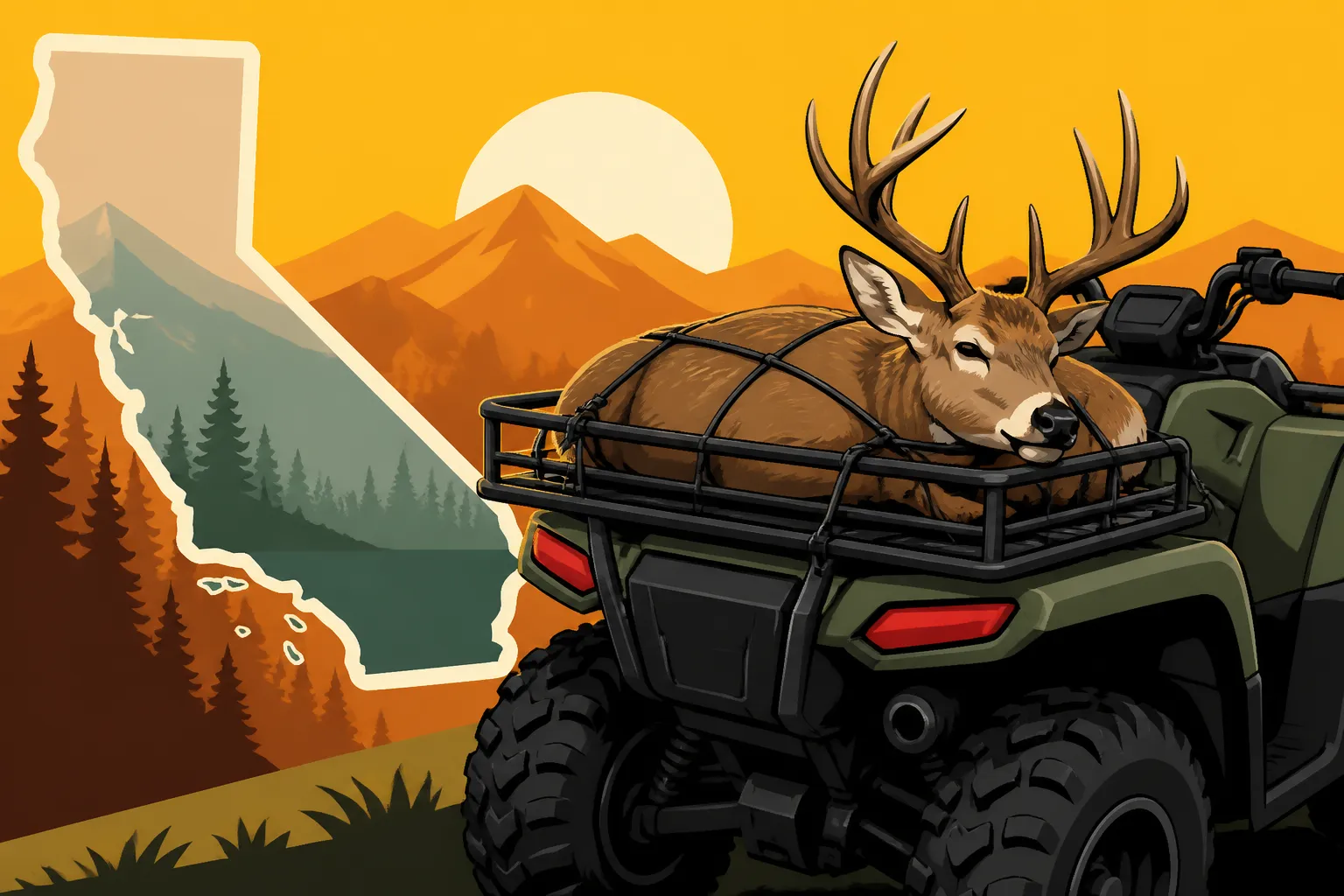
There’s nothing quite like the satisfaction of a successful hunt, whether it’s a plump wild pig in the oak woodlands or a majestic blacktail buck from the chaparral. But let’s be real, the moment the animal hits the ground, a new challenge begins: getting it out. Hauling game, especially a full-sized deer or a big boar, out of California's diverse and often rugged terrain can be a back-breaking, sweat-inducing ordeal that can quickly turn triumph into pure exhaustion. This guide is all about making that crucial recovery phase easier, more efficient, and safer by exploring the best ATV racks for hauling game.
Why a Dedicated Game Hauling Rack is a Game Changer for California Hunters
Anyone who’s tried to tie a deer across their ATV’s standard rear rack with a few bungee cords knows the struggle. It rarely feels secure, often shifts precariously, and leaves you constantly worried about losing your hard-earned meat or, worse, impacting your ride's stability on uneven ground. A dedicated game hauling rack isn't just a convenience; it's a fundamental piece of gear that transforms your post-harvest experience.
The Frustration of Makeshift Solutions
Picture this: You've just taken down a fantastic buck deep in the Mendocino National Forest. It's steep, brushy, and the ground is uneven. Your ATV is parked as close as you dared to get. Now, you’ve got a couple hundred pounds of animal to move. Your first thought might be to quarter it out and try to strap the pieces to your existing front and rear racks, or maybe even just drag the whole thing behind you.
I’ve been there. I’ve seen guys try to lash a whole deer across their fenders, only for it to flop around on the first tight corner or steep descent. Not only does this make the ATV unwieldy and potentially dangerous, but it also exposes your carefully field-dressed game to dirt, debris, and excessive jostling. Meat can get bruised, contaminated, or simply lost if the ties fail. What starts as a proud moment can quickly devolve into a messy, frustrating ordeal. Standard racks are designed for general utility, like hauling tools or light camping gear, not heavy, oddly shaped, and often bloody game animals. Trying to make them work often results in compromising your ATV’s handling, risking damage to your machine, and most importantly, potentially ruining the meat you worked so hard for.
Safety and Efficiency Benefits
A properly designed game hauling rack addresses all these frustrations head-on. The primary benefit is stability. These racks are built to handle significant weight, distributing the load more evenly and securely than a makeshift setup. This stability translates directly to a safer ride, especially when navigating tricky California terrain like the rocky trails of the Eastern Sierra or the steep, winding paths in Hunting Coastal Range Oak Woodlands. You're less likely to experience a rollover or lose control due to an unbalanced load.
Beyond safety, consider the efficiency. Imagine hoisting your game into a dedicated basket or onto a sturdy platform designed for the job, securing it with purpose-built tie-down points, and knowing it's going to stay put. This means less time fiddling with ropes and straps in the field and more time enjoying the ride out. It protects your meat from dirt, leaves, and brush, keeping it cleaner and more palatable for the table. When you’re miles from the truck, every minute and every ounce of effort saved makes a huge difference. It reduces physical strain, prevents damage to your ATV, and ensures your venison or wild pig meat arrives at camp in pristine condition, ready for the cooler.
Key Features to Look for in an ATV Game Rack
Choosing the right ATV rack isn't just about picking the first one you see; it's about understanding the demands of California hunting and what features will truly make a difference for your specific needs.
Material and Durability for Rugged California Conditions
The material of your game rack is paramount, especially when you’re navigating the varied and often harsh environments California offers. You need something that can withstand heavy loads, constant vibration, and exposure to the elements.
- Steel vs. Aluminum: Steel racks are typically more robust and can handle heavier weights. They're often less expensive but come with a significant weight penalty, which can impact your ATV's overall payload capacity and handling. Steel is also more susceptible to rust if not properly coated. Aluminum, on the other hand, is much lighter, which is a huge advantage for preserving your ATV’s suspension and maintaining maneuverability. It's naturally rust-resistant but generally more expensive and might not be quite as rigid under extreme loads as heavy-gauge steel. Many hunters find the trade-off of higher cost for lighter weight and rust resistance worthwhile for the long haul.
- Coatings: If you go with steel, look for a high-quality powder coating. This isn't just for aesthetics; it’s a critical layer of protection against rust, scratches, and the corrosive effects of blood and grime that inevitably come with hauling game. A good powder coat will extend the life of your rack significantly.
- Weld Quality: This is often overlooked, but critical. Examine the welds. Are they clean, consistent, and fully penetrated? Poor welds are weak points that can fail under stress, especially when bouncing over rough terrain with a heavy animal. You want a rack that looks like it was built to take a beating, not just assembled quickly. When researching, check reviews or even manufacturer details; brands that focus on rugged outdoor gear, like those you might find recommendations for on GoHunt, often highlight their build quality.
Design and Functionality for Different Game Sizes
The "best" design depends heavily on what you're hunting and how you prefer to haul it.
- Basket-style vs. Hitch-mounted Carriers:
- Basket-style racks typically mount to your ATV’s existing front or rear racks. They create a contained space, often with mesh bottoms or solid floors and high sides, which is great for keeping quarters or even smaller whole animals secure. Some models are expandable, allowing you to increase capacity when needed. They integrate well with the ATV's existing structure.
- Hitch-mounted carriers slide into your ATV's receiver hitch, much like a cargo carrier for a truck. These are fantastic for larger animals like a full-sized California mule deer or a sizable wild pig. They keep the load off your ATV's suspension, transferring much of the weight directly to the hitch and often allowing for easier loading since they sit lower. Many hitch-mounted carriers also feature a tilt or fold-up design, allowing them to be stored vertically against the ATV when empty, or tilted down for easier loading.
- Adjustable Features: Some racks offer adjustable widths or lengths, which can be incredibly useful if you hunt a variety of game. Being able to adapt the rack to a small coyote or a large hog makes it more versatile. Look for ample tie-down points – multiple loops or slots – to ensure you can securely strap down your animal from various angles. High side rails are also a plus for preventing your load from shifting or sliding off.
- Ramp Options: For larger animals, especially when using a hitch-mounted carrier, a built-in or attachable ramp can be a godsend. Trying to hoist a heavy boar onto a rack by yourself is a recipe for injury. A ramp makes the loading process much smoother and safer.
- Securing Mechanisms: Beyond tie-down points, consider quick-release pins or robust locking mechanisms that ensure the rack itself stays firmly attached to your ATV, even over the bumpiest trails in Hunting a BLM Desert Wash for Mule Deer.
Compatibility and Installation
Don't overlook the practicalities of fitting the rack to your specific ATV.
- Universal Fit vs. Model-Specific: While universal racks exist, model-specific options often provide a more secure and integrated fit. Always check the manufacturer's compatibility list for your ATV make and model. Universal racks might require adapters or additional hardware, which can add cost and complexity.
- Ease of Attachment and Removal: Some racks are designed to be semi-permanent, while others are quick to install and remove. If you only use your ATV for hunting a few times a year and want to use it for other tasks the rest of the time, a rack that's easy to detach might be preferable. Look for designs that use simple bolt-on or pin-and-clip systems.
- Impact on Other ATV Accessories: Consider how the rack might interfere with other accessories you have. Does it block your taillights or exhaust? Will it make it difficult to access your fuel tank or other storage compartments? Make sure it doesn't obstruct your line of sight or critical ATV functions.
Top Considerations Before You Buy: Matching the Rack to Your Hunt
Just like you wouldn’t use a tiny pocketknife to Field Dressing a Deer in Hot Weather, you shouldn't pick a game rack that isn't suited to your typical hunting style and the game you pursue in California.
Understanding Your Typical Quarry and Terrain
This is perhaps the most crucial factor in your decision. California hunting is incredibly diverse, from the dense timber of the Sierra Nevada to the sprawling desert lands.
- Game Size: Are you primarily hunting small game like rabbits or quail, where a simple basket rack might suffice for gear and a small animal? Or are you chasing big wild pigs year-round, or perhaps a mule deer in an X-zone? A large wild boar, especially one taken on a California Wild Pig Tag Costs trip, can easily weigh over 200 pounds dressed, requiring a robust hitch-mounted carrier or an extra-heavy-duty basket. If you're quartering larger game like elk, then a smaller but well-designed basket might work, but an entire animal will need serious capacity. Always consider the average weight and dimensions of the animals you expect to harvest.
- Terrain: If your hunts routinely take you deep into the Hunting California's Sierra Nevada Backcountry with steep ascents and descents, you'll need a rack that keeps the center of gravity low and the load incredibly secure. A high-mounted, top-heavy load can quickly become dangerous. For open, flatter terrain, like some D-zones or BLM land, a hitch-mounted carrier might be less problematic for stability. In dense brush or timber, a rack that extends too far out from the ATV could get caught on trees or snagged, making a more compact, basket-style unit preferable.
- Vehicle Weight Limits: Every ATV has a maximum weight capacity for its front and rear racks, and a tongue weight limit for its hitch. Don’t just add the rack weight to the animal's weight; factor in your other gear too. Overloading your ATV can damage the frame, suspension, and tires, not to mention making it unsafe to operate. Check your ATV's owner's manual for these critical specifications. GoHunt often has detailed discussions about managing gear weight for specific hunt types, which can be invaluable.
Storage, Cleaning, and Maintenance
These practical considerations impact the long-term usability and lifespan of your rack.
- Storage: Game racks, especially hitch-mounted ones, can be bulky. Do you have space in your garage or shed to store it when not in use? Some racks are designed to fold flat or break down for easier storage. If it's a permanent fixture on your ATV, consider how it affects transport on a trailer or fitting into tight spaces.
- Ease of Cleaning: After hauling a bloody animal, your rack will inevitably get dirty. Look for materials and designs that are easy to hose down and clean thoroughly. Mesh bottoms can allow blood and debris to drain, but solid floors might be easier to wipe clean if they have drain plugs. Avoiding intricate designs with lots of nooks and crannies will simplify the cleaning process, preventing odors and potential contamination.
- Maintenance: Regular inspection of welds, bolts, and coatings is essential. Touch up any chipped powder coating promptly to prevent rust. Ensure all moving parts, like ramps or folding mechanisms, are clean and lubricated. Proper maintenance extends the life of your investment and keeps it safe for future hunts.
Legalities and Road Use in California
California has specific rules for vehicle operation, and extending cargo can sometimes fall into these regulations.
- Load Securement: Legally, any load you transport must be secure and not pose a hazard to other vehicles or pedestrians. This is why proper tie-downs and a stable rack are so important. Losing an animal off your ATV while driving down a forest road is not only devastating for your hunt but could also lead to legal trouble.
- Visibility: If your hitch-mounted rack extends far past the rear of your ATV, it might obscure your taillights or license plate. Some jurisdictions require auxiliary lights or a relocated license plate if the originals are blocked. Always check local laws.
- Width Restrictions: While less common for ATV racks, some overly wide setups could theoretically exceed maximum vehicle width limits on certain public roads or trails. This is generally more of a concern for larger UTVs or side-by-sides, but it’s worth being aware of, especially on narrow, designated ATV trails. It’s always wise to understand the rules for ATV Rules on California Forest Roads where you plan to hunt.
Integrating Your Rack with Other Hauling Strategies
A great ATV rack doesn't operate in a vacuum; it’s part of a larger system for successful game recovery. Thinking about how it works with other gear can make your entire post-harvest process seamless.
Game Bags and Coolers for Meat Care
Getting the animal out of the woods is only half the battle; preserving the meat quality is the other. Your ATV rack provides the transport, but proper meat care starts immediately after the animal is down.
- Game Bags: As soon as you field dress and quarter your animal, especially in warmer California temperatures, placing the meat in good quality game bags is crucial. These breathable bags protect the meat from flies, dirt, and debris while allowing it to cool. They prevent hair and leaves from sticking to the meat during transport. Loading these bagged quarters onto your ATV rack ensures they stay clean and allows air to circulate, which is vital for cooling. If you’re hunting early season in Zone A, where temperatures can still be quite warm, these bags are absolutely essential. Read more about Game Bags for Field Care in August Heat.
- Coolers: Your ATV rack gets the meat to your truck, but a good cooler awaits there. Have large, clean coolers packed with ice ready to receive the bagged meat immediately upon reaching your vehicle. The quicker you get the meat chilled, the better the quality and longevity. This often involves transferring the quarters from the rack directly into the ice-filled coolers.
Combining Racks with Game Carts and Backpack Frames
Sometimes, even an ATV can't get to where your game falls. California's vast public lands often require going deep into wilderness areas or negotiating terrain too rough for any vehicle. This is where your ATV rack becomes a staging point rather than the sole recovery method.
- Game Carts: For those situations where the ATV can only get you so far, a sturdy game cart can bridge the gap. Imagine a long, steep hike through a canyon to reach your downed deer. You might use a game cart to haul the field-dressed animal or its quarters the last mile or two to where your ATV is parked. From there, you transfer the load from the cart onto your ATV rack for the easier, faster ride back to camp or the truck. This two-stage approach combines the maneuverability of a cart in rough, non-motorized areas with the speed and power of the ATV on established trails. Explore options for Best Game Cart for Steep California Terrain.
- Backpack Frames: For the most remote or steep locations, especially when Dragging a Deer Out of a Steep Canyon is simply not feasible, breaking down the animal into quarters and packing it out on a strong backpack frame is often the only option. Once you've made that grueling trek back to your ATV, the rack becomes the perfect spot to securely hold those heavy game bags for the final leg of the journey. This strategy protects your back for the initial haul and then lets the machine do the heavy lifting for the rest of the trip. Remember to always have good Knives and Processing Gear for Field Dressing on hand for these situations.
| Rack Type | Pros | Cons | Ideal Use Case |
|---|---|---|---|
| Hitch-Mounted | High weight capacity, keeps load off ATV's suspension, easy loading | Can extend far back, may obscure lights/plate, bulkier to store | Large game (deer, boar), heavier loads, flatter/less technical terrain |
| Rear Basket-Style | Contained space, integrates with ATV, good for quarters/smaller game | Adds weight to ATV suspension, may raise center of gravity if overloaded | Smaller whole game, quarters, gear, brushy or moderate terrain |
| Front Basket-Style | Balances load with rear, good for smaller items/gear | Limits visibility, can obstruct headlights, reduces maneuverability | Lighter gear, smaller items, balancing weight distribution |
| Full ATV Trailer | Highest capacity, keeps weight off ATV entirely, very versatile | Requires separate registration/maintenance, more expensive, less maneuverable | Multiple animals, very heavy loads, longer hauls, accessible trails/roads |
Disclaimer
This article is for general informational purposes only and does not constitute professional advice. Laws, prices and regulations vary by location and change over time. Consult a qualified professional for guidance on your specific situation.